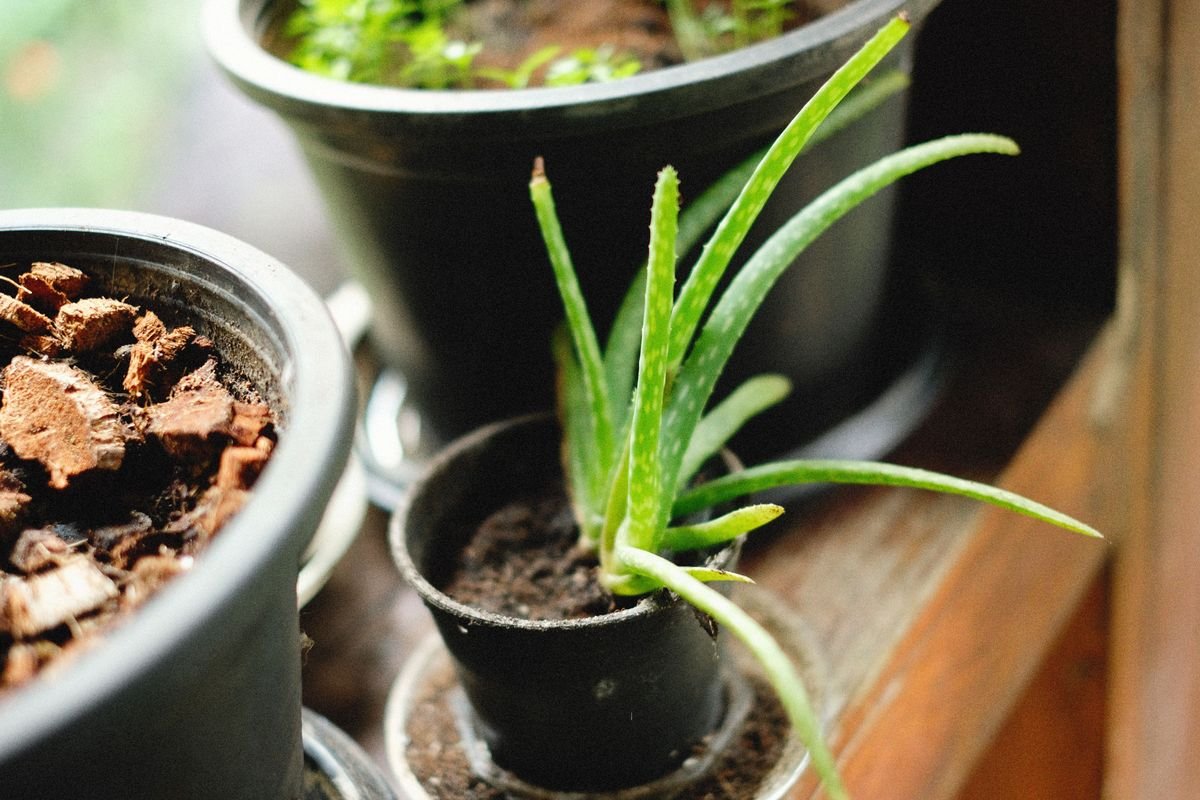
Aloe vera is one of the most beloved houseplants in the world, prized for its soothing gel, striking architectural silhouette, and remarkably easygoing nature. Whether you keep a tiny specimen on your kitchen windowsill or a sprawling succulent on your sunny patio, it helps to understand just how large these plants can get over time.
Under the right conditions, an aloe plant can transform from a modest desk accessory into a dramatic, multi-stemmed focal point. Here is everything you need to know about the mature size of aloe vera, the conditions that fuel rapid growth, and practical methods to keep your plant compact if space is tight.
Physical Features of Aloe Vera
Aloe vera is a stemless or short-stemmed succulent known for its dense rosette of thick, fleshy leaves. These upright leaves are typically grey-green to bright green, occasionally flecked with white spots on younger growth.
The margins of each spear-like leaf feature small, soft serrations that look like tiny teeth. These adaptations help the plant protect its moisture reserves in arid environments. Inside each thick leaf lies a clear, nutrient-rich gel that has made the plant famous for centuries.
As the plant matures, the central rosette widens and produces thicker, longer leaves that curve gently outward. In ideal environments, mature outdoor specimens can even send up tall flowering spikes adorned with tubular yellow or orange blossoms.
Average Growth Rate of Aloe
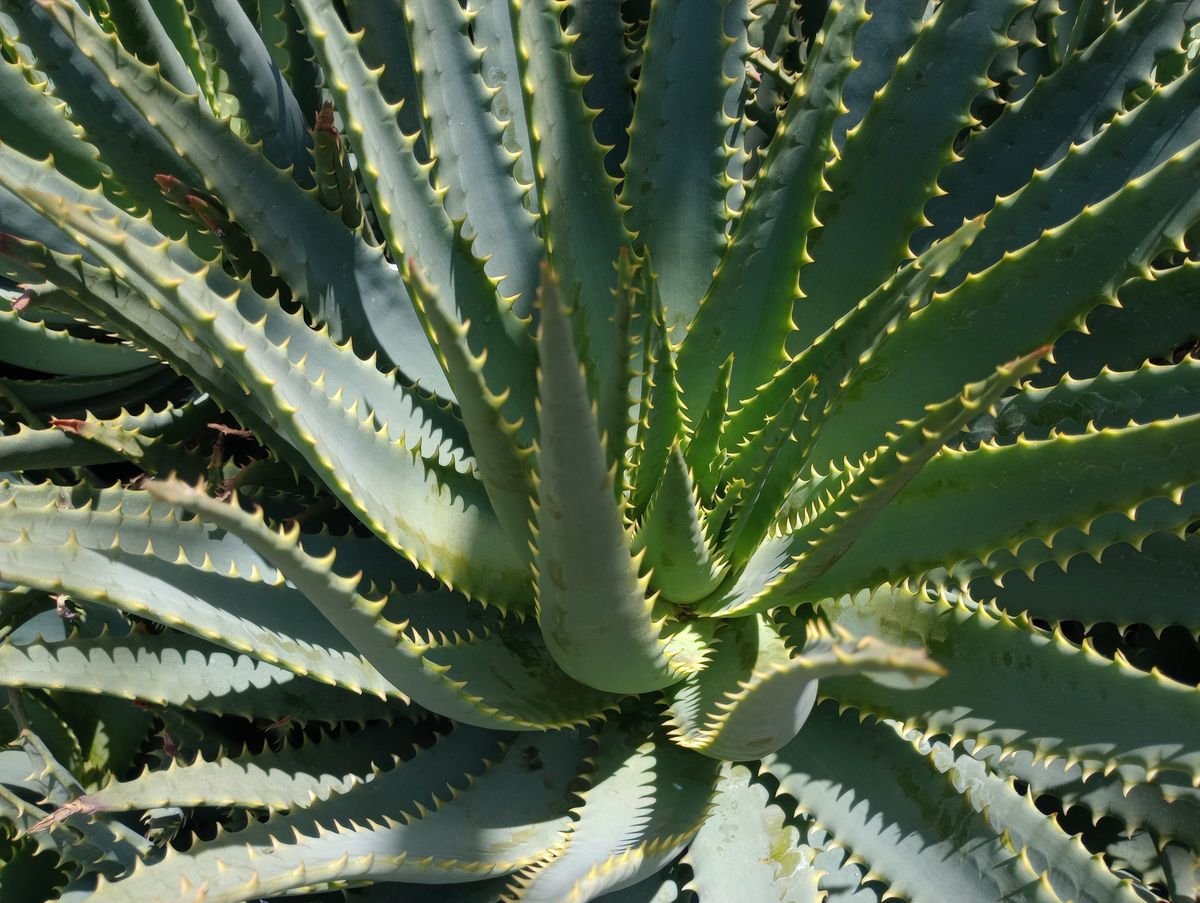
Compared to many other desert succulents, aloe vera grows at a relatively fast pace during its active spring and summer seasons. A young offset, commonly called a pup, can develop into a sturdy, well-rooted independent plant within just a few months.
In standard indoor conditions, you can expect an established aloe to produce several new central leaves every year. Each new set of leaves will grow slightly thicker and longer than the previous layer as the root system expands.
Growth naturally slows down significantly in late autumn and winter when cooler temperatures and lower light levels induce a semi-dormant resting phase. During this time, the plant conserves energy rather than pushing out vigorous foliage.
Maximum Size Indoors and Outdoors
The ultimate size of your aloe plant depends heavily on whether it grows in a container inside your home or directly in the ground in a frost-free climate.
Indoor aloe plants typically reach heights between 12 and 24 inches, with a total spread of 18 to 24 inches across. When given deep containers and bright sunshine, some indoor plants can stretch up to 36 inches tall.
Outdoors in warm, arid regions (such as USDA hardiness zones 9 through 11), aloe vera can grow into massive clumps reaching 3 to 4 feet in height and spreading several feet wide through underground runners. Root freedom and abundant natural sunlight make a significant difference in final size.
Factors That Influence Aloe Growth
Several environmental elements determine how fast and large your aloe plant will grow. The primary drivers of growth include available light intensity, ambient temperature, root room, and watering frequency.
If any one of these elements is missing or unbalanced, the plant will either stall its growth, stretch uncharacteristically, or suffer root damage. Creating a balanced care routine is the secret to getting a lush, hefty specimen.
Sunlight and Daily Brightness Needs
Light is the single most important fuel for aloe vera development. In nature, these plants bask in open sunlight, which gives them the energy needed to produce dense, rigid foliage.
Indoors, aloe vera thrives best when it receives at least six to eight hours of bright, indirect sunlight daily. Bright light keeps the leaves thick, plump, and upright without causing the tissue to scorch.
If the plant does not receive enough light, it will start to stretch toward the nearest light source. This phenomenon, known as etiolation, results in pale, floppy, elongated leaves that cannot support their own weight.
Best Window Locations for Aloe
Finding the ideal spot in your home makes a noticeable difference in your plant’s posture and growth vigor.
An east-facing or west-facing window is usually the best indoor location. These windows provide several hours of direct morning or late afternoon sun alongside generous indirect light throughout the rest of the day.
South-facing windows also work wonderfully, but you may need to position the plant a foot or two back from the glass during peak summer heat to prevent intense midday rays from burning the leaf tips.
Recognizing Light Issues
Your aloe plant will give you clear visual cues when its lighting is out of balance.- Too much direct sun: Leaves turn a dull reddish-bronze or brown shade, develop dry patches, and feel brittle to the touch.
- Too little light: Leaves become deep green, narrow, weak, and start drooping or bending horizontally across the pot rim.
Ideal Indoor Temperature Ranges
Aloe vera enjoys comfortable, stable household temperatures between 55°F and 85°F (13°C to 29°C). This makes it exceptionally well-suited for typical living room or bedroom environments.
Temperatures consistently above 85°F are well-tolerated if the plant has adequate ventilation and soil moisture, but extreme heat can slow down active growth. Conversely, sustained temperatures below 50°F can weaken the plant and cause leaf discoloration.
Frost is lethal to aloe vera. Because the leaves consist mostly of water, freezing temperatures turn the internal gel into ice crystals, collapsing the cellular walls and turning the foliage to mush.
Protecting Aloe from Cold Drafts
Indoor microclimates can sometimes expose your aloe to sudden temperature swings that stunt its growth.
Keep your plant clear of air conditioning vents, drafty single-pane windows during winter, and frequently opened exterior doors. Chilly drafts can cause sudden leaf drop or leaf tip dieback.
Similarly, avoid setting pots directly above active heating radiators or floor vents, which can dry out the lower root ball too rapidly and scorch delicate feeder roots.
Proper Watering Schedule for Succulents
Watering is where most indoor gardeners encounter trouble. Aloe vera is a drought-tolerant succulent adapted to store vast quantities of water inside its leaves, meaning it prefers thorough, infrequent soakings.
The golden rule for aloe is the soak-and-dry method. Pour water evenly over the soil surface until it flows freely out of the drainage holes at the base of the container. Allow all excess moisture to drain completely, and empty any drip tray beneath the pot.
Never water on a rigid calendar schedule. Always check the soil first, ensuring that at least the top two to three inches (or even the entire pot depth) are completely bone-dry before offering another drink.
Seasonal Changes in Watering Habits
Your aloe plant’s thirst fluctuates dramatically with the seasons.
During warm spring and summer days, your plant is actively growing and photosynthesizing, which requires more frequent hydration. Watering every two to three weeks is standard during this period.
When autumn arrives and daylight hours shrink, reduce watering significantly. In winter, an indoor aloe may only need water once every four to six weeks. Cold, damp soil during winter is the leading cause of root rot in potted succulents.
Signs of Overwatering and Underwatering
Learning to read your succulent’s leaves will save you from common watering mistakes.
Overwatered aloe leaves will turn soft, translucent, and pale yellow, eventually collapsing into a soggy mess at the base of the crown. You may also notice a sour, swampy odor coming from the potting medium.
Underwatered aloe leaves, by contrast, will begin to curve inward, puckering like deflated balloons. The tips may turn crispy and brown, and the entire leaf blade will feel thin rather than plump and firm.
Choosing the Right Pot Material
The container you choose plays a huge role in root aeration and overall plant size.
Unfinished terracotta and clay pots are the gold standard for aloe vera. Terracotta is porous, allowing moisture to evaporate naturally through the container walls, which helps prevent stagnant moisture around the root zone.
Plastic and glazed ceramic pots can also work, but they trap moisture for much longer. If you choose plastic or ceramic, be extra cautious with your watering frequency and ensure the container has generous drainage holes.
Soil Requirements for Fast Drainage
Standard, peat-heavy indoor potting soils hold far too much water for desert succulents. Aloe roots demand a gritty, airy substrate that allows water to pass straight through in seconds. A commercial cactus and succulent mix provides an excellent baseline. You can also mix your own custom blend using simple ingredients:- Two parts standard potting soil
- One part perlite or pumice
- One part coarse horticultural sand or fine gravel
Feeding Aloe with the Right Fertilizer
Aloe vera plants are naturally light feeders. In their native desert habitats, they survive in mineral-lean, rocky ground, so heavy doses of chemical fertilizers can easily burn their sensitive roots.
If you wish to encourage faster growth in spring and summer, apply a balanced, water-soluble houseplant fertilizer diluted to half or quarter strength once a month. Formulations with moderate phosphorus levels support sturdy root systems.
Never fertilize during late autumn or winter when the plant is resting. Unused nutrients will accumulate in the soil as mineral salts, damaging root tips and causing leaf burn.
Balancing Indoor Humidity Levels
Unlike tropical houseplants that crave humid air, aloe vera prefers average to dry indoor humidity levels between 30% and 50%.
High humidity combined with poor air circulation can foster fungal issues, including leaf spot disease and basal rot. If you live in a very humid area, ensure good airflow around your plants with an open window or an oscillating fan.
Avoid misting your aloe plant with a spray bottle. Water droplets that settle in the central crown or between leaf crevices can cause the core of the rosette to rot.
Managing Plant Size in Small Spaces
What if you love aloe vera but have limited table or shelf space? You do not have to let your plant grow into an unruly monster.
You can easily restrict the size of your aloe by keeping it in a smaller container. Succulents tolerate being mildly root-bound quite well. Confining the roots signals the plant to slow its leaf expansion.
Additionally, skipping regular fertilizer applications and providing bright light will keep the plant compact, sturdy, and petite without causing health issues.
How to Prune Mature Aloe Leaves
Pruning is an effective method for maintaining a tidy, attractive shape and limiting overall width.
Always prune the oldest, outermost leaves from the base of the plant rather than trimming from the center. Using a clean, sterilized craft knife or sharp shears, slice the leaf as close to the main stem as possible.
Do not prune more than a third of the total foliage at one time. The cut edge will dry and form a protective callus within a few days, preventing pathogens from entering the plant body.
Harvesting and Repotting Aloe Pups
Healthy, mature aloe plants continuously reproduce by sending out offshoots from the base, known as pups. If left attached, these pups will compete with the mother plant for nutrients, moisture, and root space, eventually forming a massive cluster.
Removing these offshoots serves two purposes: it keeps the mother plant neat and focused on vertical growth, and it gives you free brand-new aloe plants to cultivate or gift to friends.
Wait until an offshoot reaches at least three to four inches in height and has developed its own tiny root system before attempting separation.
Step by Step Guide to Dividing Pups
Dividing aloe pups is simple when you follow a few basic steps:- Slide the entire mother plant gently out of its container and brush away loose soil from the root zone.
- Locate the connecting stolon (the thick root runner) linking the pup to the mother plant.
- Gently pull the pup away, or use a sterile blade to sever the runner while keeping the baby’s independent root system intact.
- Allow the separated pup to sit in a warm, shaded spot for two days so the severed cut can form a dry callus.
- Pot the pup into a small three-inch or four-inch container filled with moist, well-draining cactus mix.
Long Term Care for Thriving Aloe
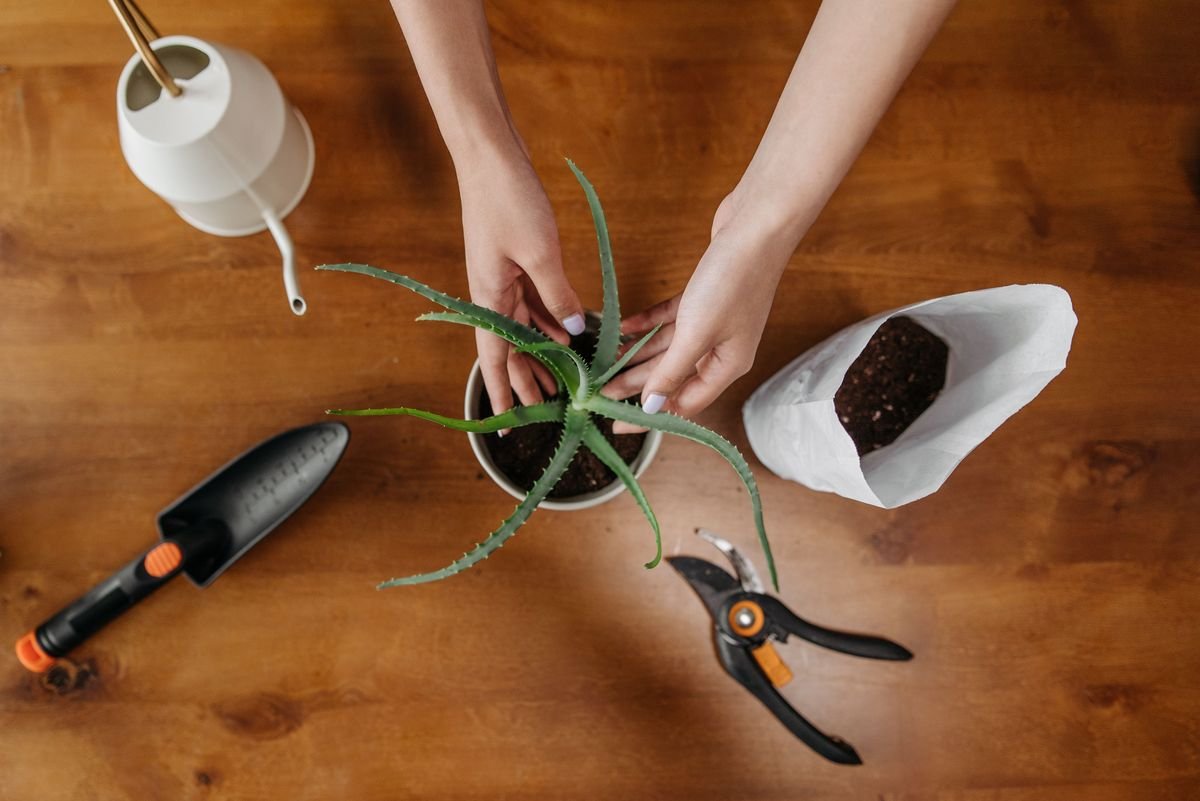
With basic care, an aloe vera plant can live for over twenty years in a home setting. As the years progress, your aloe will develop a thick, woody base and a generous canopy of healthy leaves.
Repot your mature aloe every two to three years in spring to refresh exhausted soil nutrients and step up the pot size if you want the plant to grow larger. If you prefer keeping it at its current dimensions, simply trim the roots slightly, refresh the soil, and return it to the same container.
By matching your care routine to your personal space constraints, you can enjoy this versatile succulent as either a tiny desktop companion or a majestic indoor specimen for decades to come.
How Healthy Are Your Aloe Vera Growing Conditions?
Answer 4 quick questions to see your result