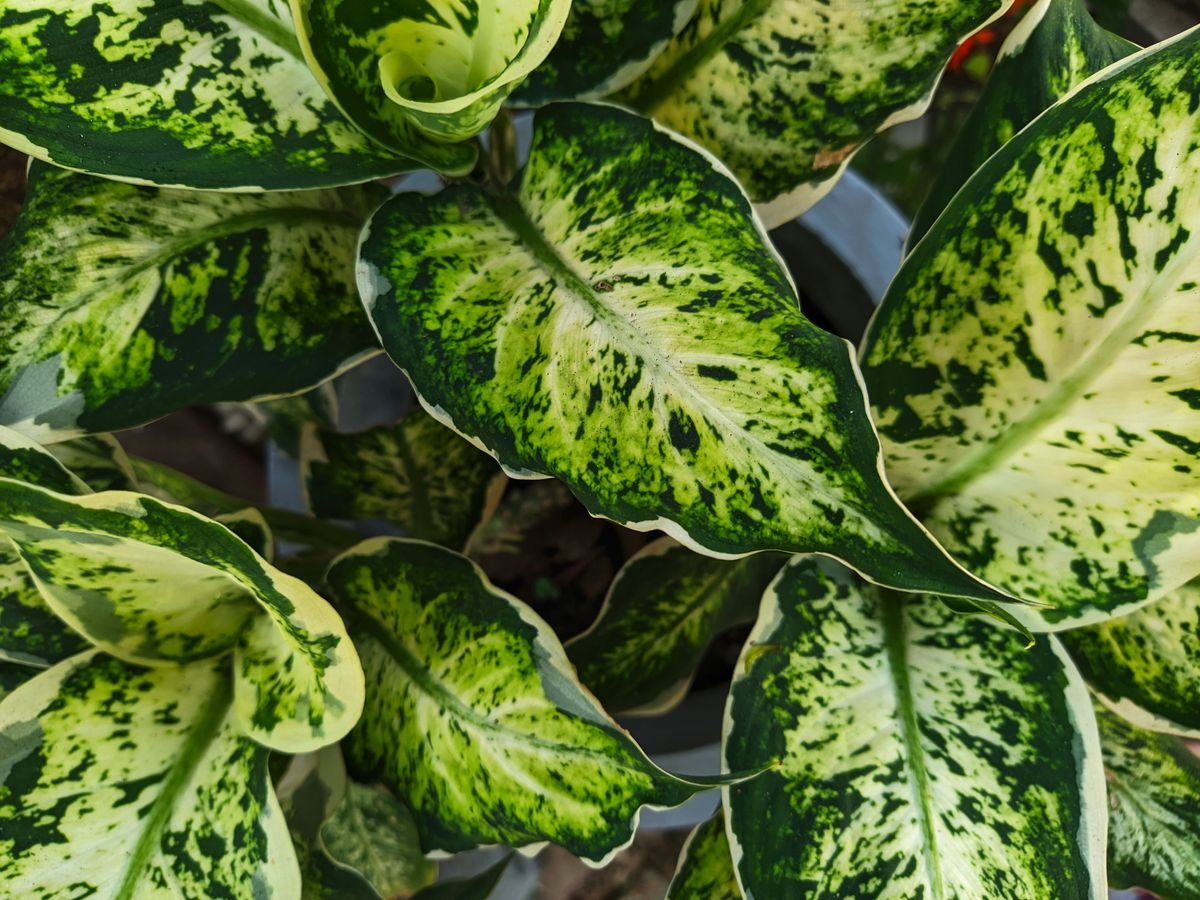
Dieffenbachia, commonly known as dumb cane, is celebrated for its broad patterned foliage and easygoing nature. It adds a lush tropical presence to bright corners and shaded nooks alike without demanding constant attention.
Whether you love its bold variegated leaves, its forgiving care requirements, or are looking for safer non-toxic alternatives for homes with pets, many plants share these desirable traits.
Here is everything you need to know about Dieffenbachia care and the best companion species or lookalikes to grow.
Understanding Dieffenbachia Care
Before exploring similar plants, it helps to understand what makes Dieffenbachia thrive indoors. It is an upright tropical plant with cane-like stems and broad, showy leaves splashed with cream, yellow, or white markings.
Its popularity comes from its ability to adapt to average indoor environments with very minimal fuss. Providing the right light, moisture balance, and temperature ensures it grows vigorously year round.
Lighting Requirements
Dieffenbachia prefers medium to bright indirect sunlight. Filtered light helps maintain its vibrant leaf variegation without causing leaf scorch.
It can tolerate lower light settings, though growth will slow and the pattern on new leaves may fade to solid green. Direct afternoon sunlight must be avoided, as harsh rays easily burn the broad leaves.
Temperature and Humidity Needs
These tropical natives flourish in warm rooms where temperatures stay between 65°F and 80°F. They suffer quickly in cold drafts, air conditioning vents, or spaces dropping below 55°F.
Dieffenbachias appreciate moderate to high humidity levels. While they can adapt to normal home humidity, boosting moisture in the air prevents crisp leaf edges.
Watering Habits
Dieffenbachia prefers soil that stays lightly moist but never waterlogged. The thick stems store water, making the plant sensitive to overwatering.
Allow the top two inches of potting mix to dry out before watering thoroughly. Always empty the drainage tray beneath the pot to protect root health.
Feeding Schedule
Because dumb cane grows quickly during spring and summer, it benefits from regular feeding. Apply a balanced liquid houseplant fertilizer diluted to half strength once every four to six weeks.
Pause all fertilization during late autumn and winter when the plant enters dormancy.
Chinese Evergreen
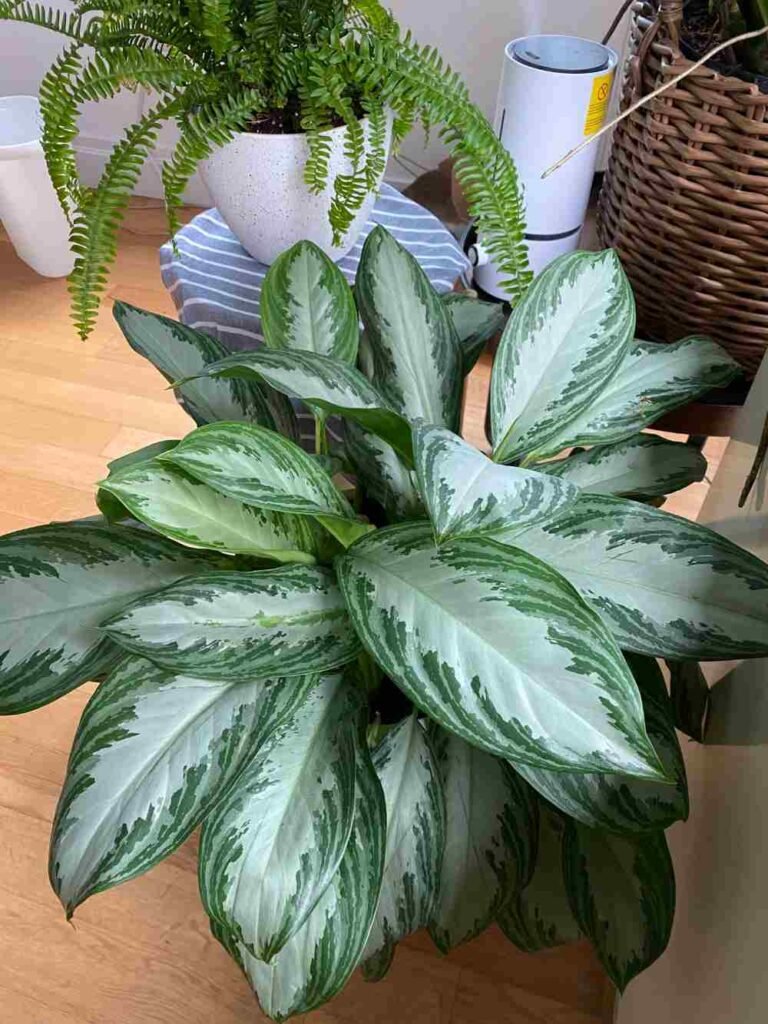
Aglaonema, commonly called Chinese Evergreen, is the closest lookalike to Dieffenbachia. Both plants belong to the Araceae family and share similar broad leaves with creamy patterns.
Chinese Evergreens are among the toughest indoor plants available, making them ideal for spaces with limited natural light.
Chinese Evergreen Care and Features
Aglaonemas grow slowly and remain compact, making them perfect for desks and side tables. They tolerate irregular watering and dry indoor air far better than most tropical foliage.
Keep them in medium to low indirect light and water only when the top half of the potting soil feels dry.
Peace Lily
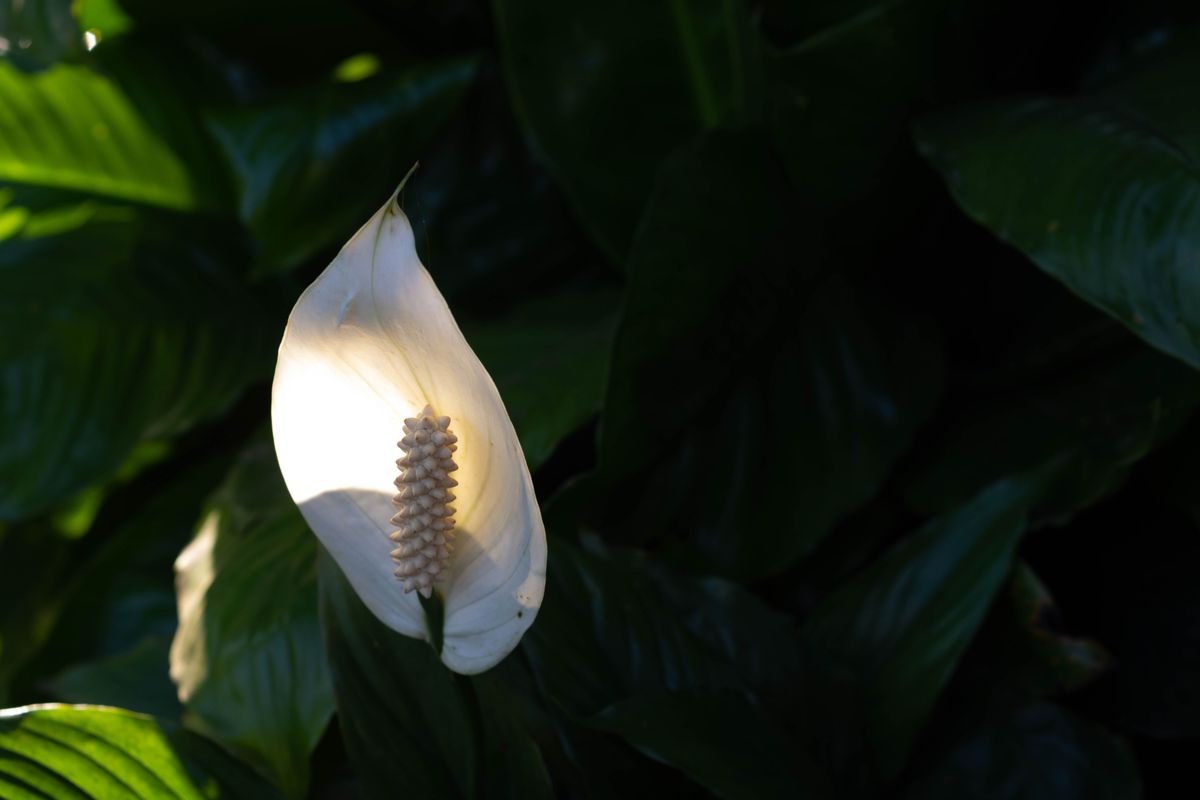
Spathiphyllum, or the Peace Lily, shares the lush tropical silhouette and easy care routine of Dieffenbachia. Its glossy deep green leaves bring structure and elegance to indoor spaces.
In addition to handsome foliage, Peace Lilies produce striking white spathes under favorable light conditions.
Peace Lily Care and Features
Peace Lilies thrive in moderate indirect light but can adapt well to low-light rooms. They act as clear indicators of thirst by drooping dramatically when dry and bouncing back quickly after water.
Keep the potting mix evenly moist, use filtered water to avoid leaf tip burn, and keep the plant in a warm room.
Cast Iron Plant
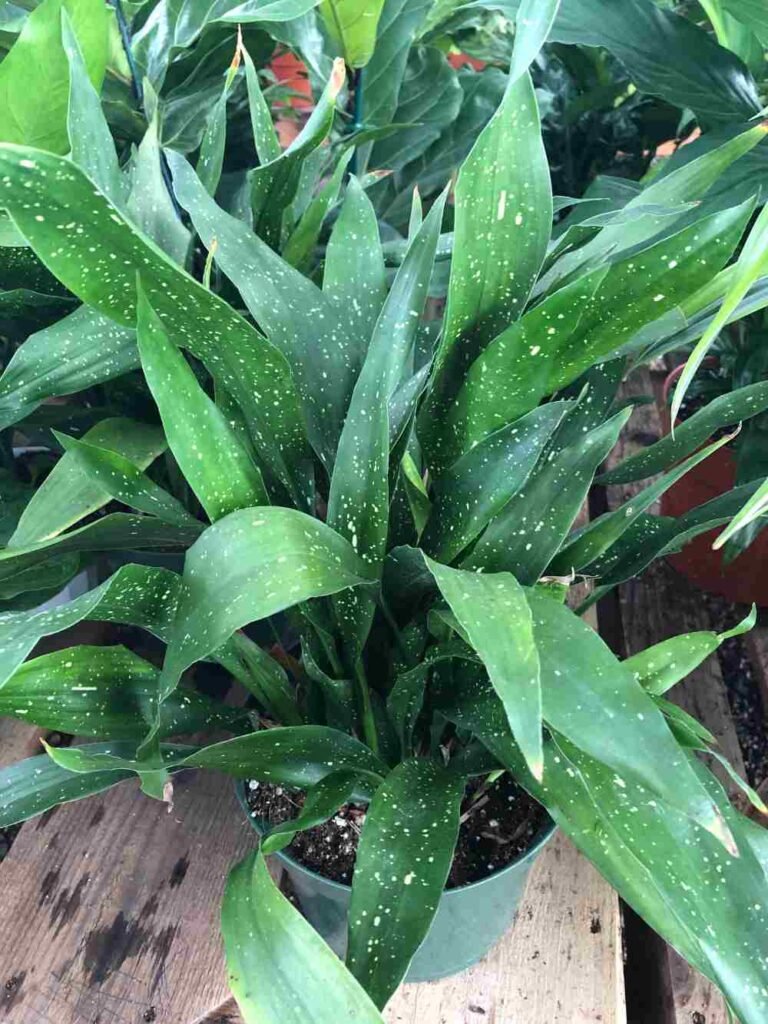
Aspidistra elatior earned its common name by surviving extreme neglect and poor lighting conditions. If you love Dieffenbachia for its resilience, the Cast Iron Plant is an unbeatable option.
Its long, arching paddle leaves bring a deep green architectural look to empty room corners.
Cast Iron Plant Care and Features
This plant easily handles low light, temperature fluctuations, and low humidity. It prefers shade over bright light, which can bleach its foliage.
Water sparingly, allowing the potting soil to dry out almost completely between waterings. Because it grows slowly, it rarely requires repotting or frequent fertilizer.
Kentia Palm
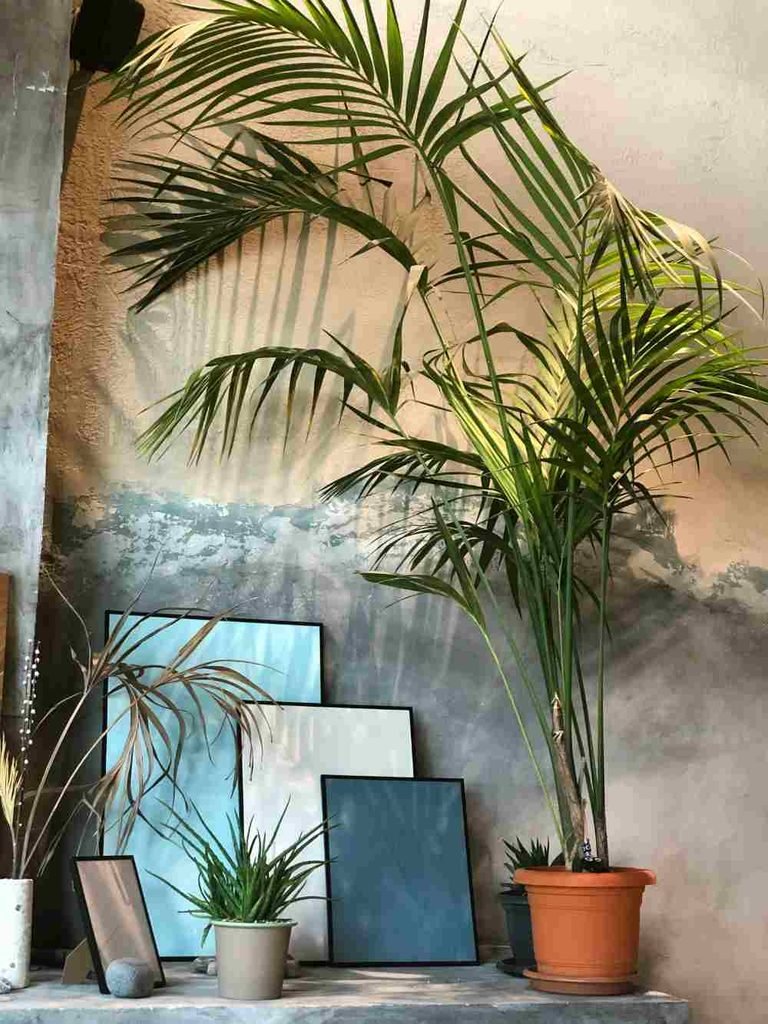
Howea forsteriana, or the Kentia Palm, offers an upright tropical statement similar to mature cane-forming Dieffenbachia varieties. Its graceful arching fronds add height and timeless elegance.
It is one of the most durable indoor palms, handling conditions that would cause other palm species to decline.
Kentia Palm Care and Features
Kentia Palms thrive in medium to bright indirect light and tolerate lower light levels surprisingly well. They prefer moderate temperatures and handle seasonal indoor temperature changes with ease.
Water thoroughly once the top few inches of soil dry out, ensuring excess water drains away freely.
Spider Plant
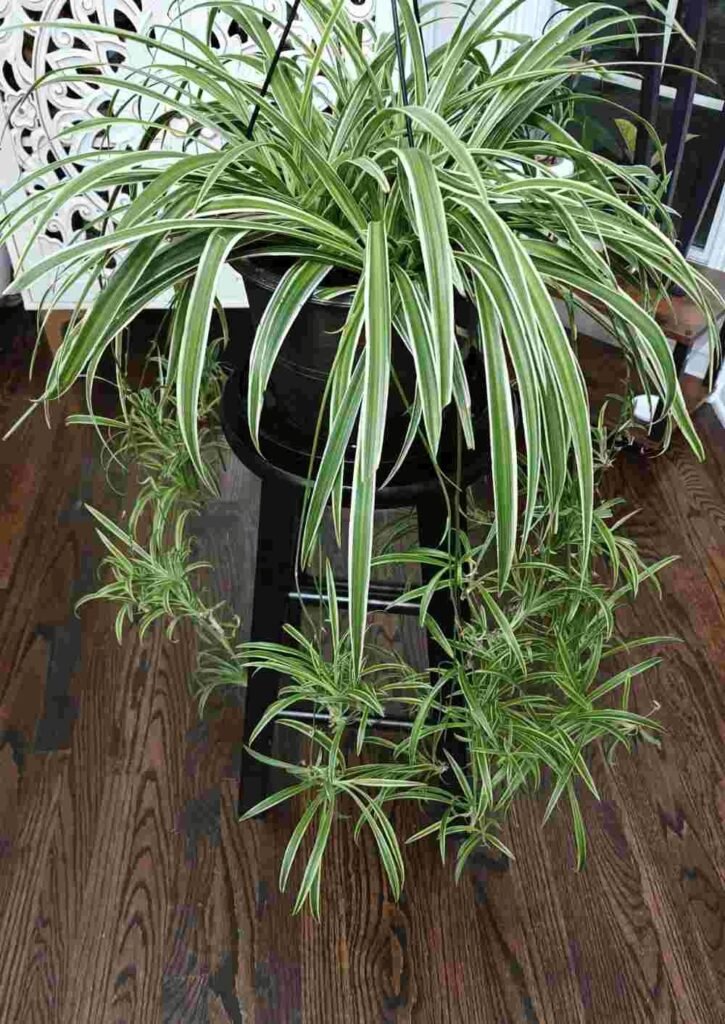
Chlorophytum comosum provides the variegated beauty of Dieffenbachia in a cascading, compact form. Its slender green-and-cream arching leaves create a bright visual contrast in hanging baskets or on shelves.
Spider plants are exceptionally forgiving, fast-growing, and produce delightful baby plantlets along hanging stems.
Spider Plant Care and Features
Spider plants prefer bright, indirect sunlight and average room temperatures. They can store moisture in their thick tuberous root system, allowing them to withstand occasional missed waterings.
Water when the top inch of soil is dry, and use distilled or rainwater to prevent brown tips caused by tap water minerals.
Calathea and Maranta
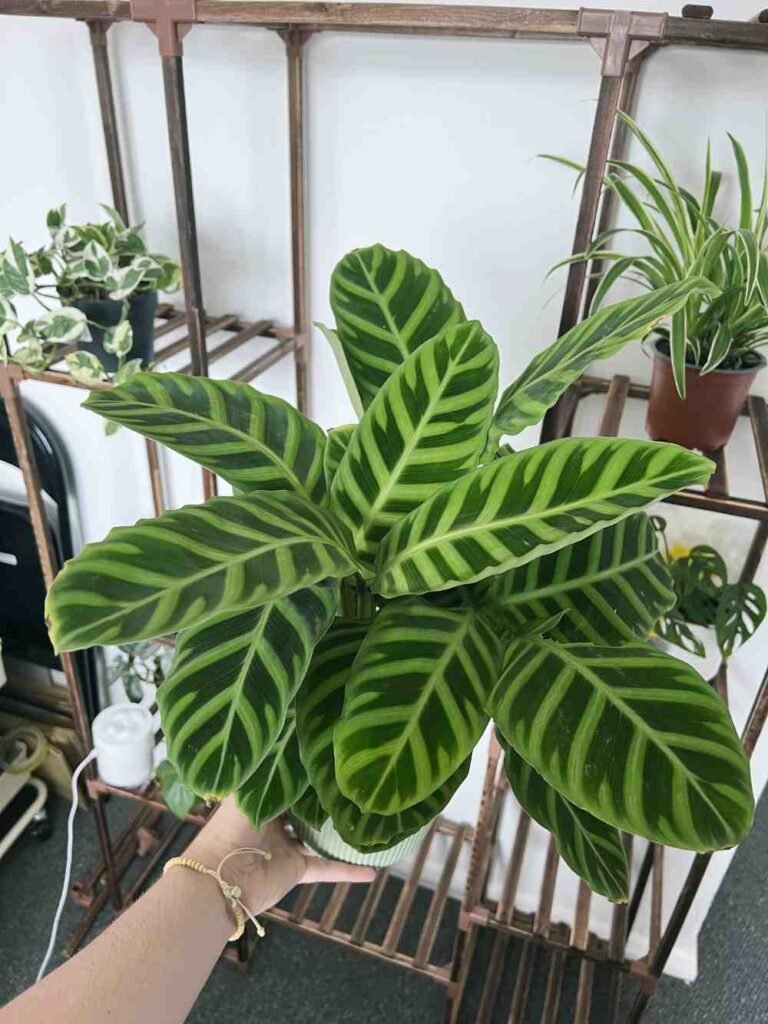
If your primary attraction to Dieffenbachia is bold foliage patterns, prayer plants and Calatheas are exceptional alternatives. Their leaves feature intricate geometric brushstrokes, stripes, and colored undersides.
They grow in bushy clumps and move their foliage upward at night in response to changes in daily light levels.
Calathea Care and Features
Unlike the drought-tolerant Dieffenbachia, Calatheas prefer consistently damp soil and higher humidity levels. Place them in bright indirect light away from harsh sunbeams.
Keep humidity above 50 percent using a humidifier or pebble tray to preserve their delicate patterned leaves.
Comparing Aglaonema and Dieffenbachia
Because Chinese Evergreen and Dieffenbachia look so much alike, plant lovers often confuse them. Both display oval leaves with mottled variegation and share similar stem habits.
However, a few simple visual traits allow you to identify which plant you have quickly.
Color Variety
Dieffenbachia foliage typically features palettes of creamy white, yellow-green, and deep emerald.
Aglaonemas offer a much wider color spectrum, including varieties with brilliant pink, coral, red, or silvery-gray foliage.
Leaf Vein Structure
Inspect the underside and surface of a mature leaf to check the primary veins spreading from the central midrib.
Dieffenbachia leaves have numerous prominent lateral veins, often counting between 20 and 30 per leaf. Aglaonema leaves feature only five to eight distinct lateral veins.
Pet Safety and Toxicity
Dieffenbachia, Peace Lily, and Aglaonema contain microscopic insoluble calcium oxalate crystals. When chewed, these crystals cause instant irritation, swelling in the mouth, and gastrointestinal upset in pets.
If you have curious cats or dogs at home, choosing non-toxic alternatives is essential for peace of mind.
Pet Friendly Alternatives
Fortunately, you do not have to sacrifice beautiful foliage to keep your pets safe. Several plants with similar visual charm are completely non-toxic to cats and dogs.
- Cast Iron Plant: Tough foliage and low-light tolerance with zero toxicity.
- Spider Plant: Fun striped leaves and baby offshoots that are safe for pets.
- Kentia Palm: Majestic indoor palm fronds safe for all household animals.
- Calathea: Vividly painted patterns with completely pet-safe leaves.
Choosing the Best Plant for Your Home
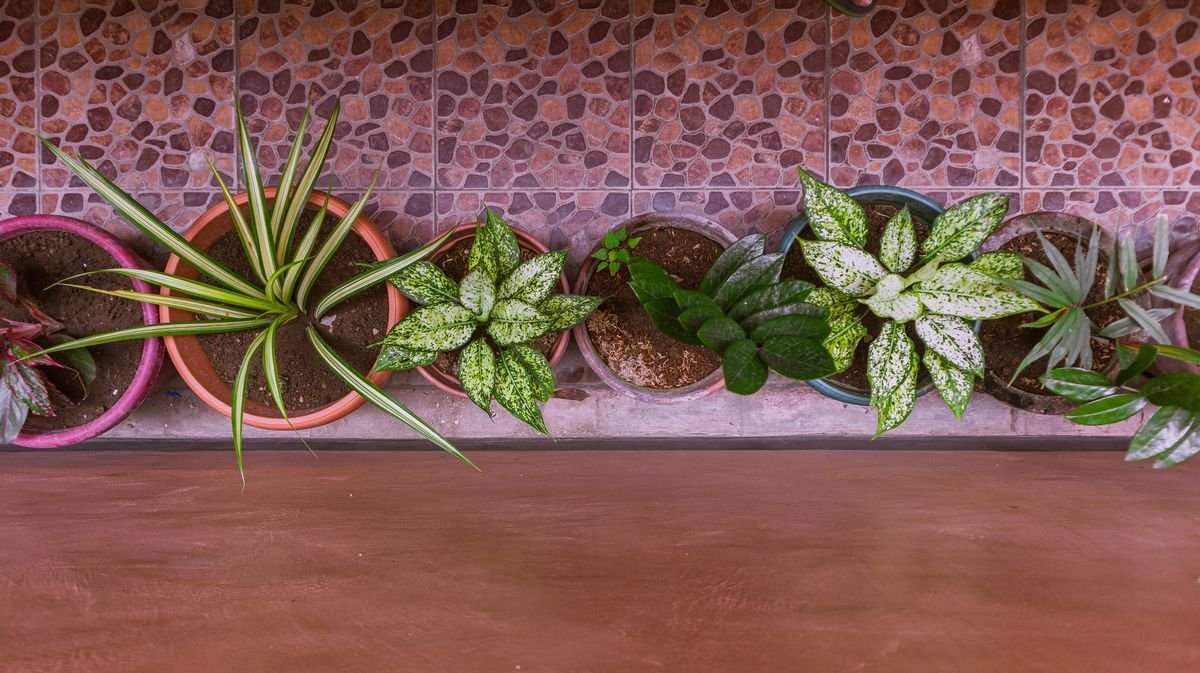
Selecting the right companion or alternative plant depends on your space, light conditions, and household needs. If you need maximum durability in dim rooms, Cast Iron plants and Aglaonemas are tough to beat.
If safety is your priority, Spider plants and Kentia palms deliver gorgeous foliage without any toxic compounds. Matching each plant to your room conditions ensures long-lasting, vibrant greenery.
Which Dieffenbachia Alternative Fits Your Space?
Answer 4 quick questions to see your result