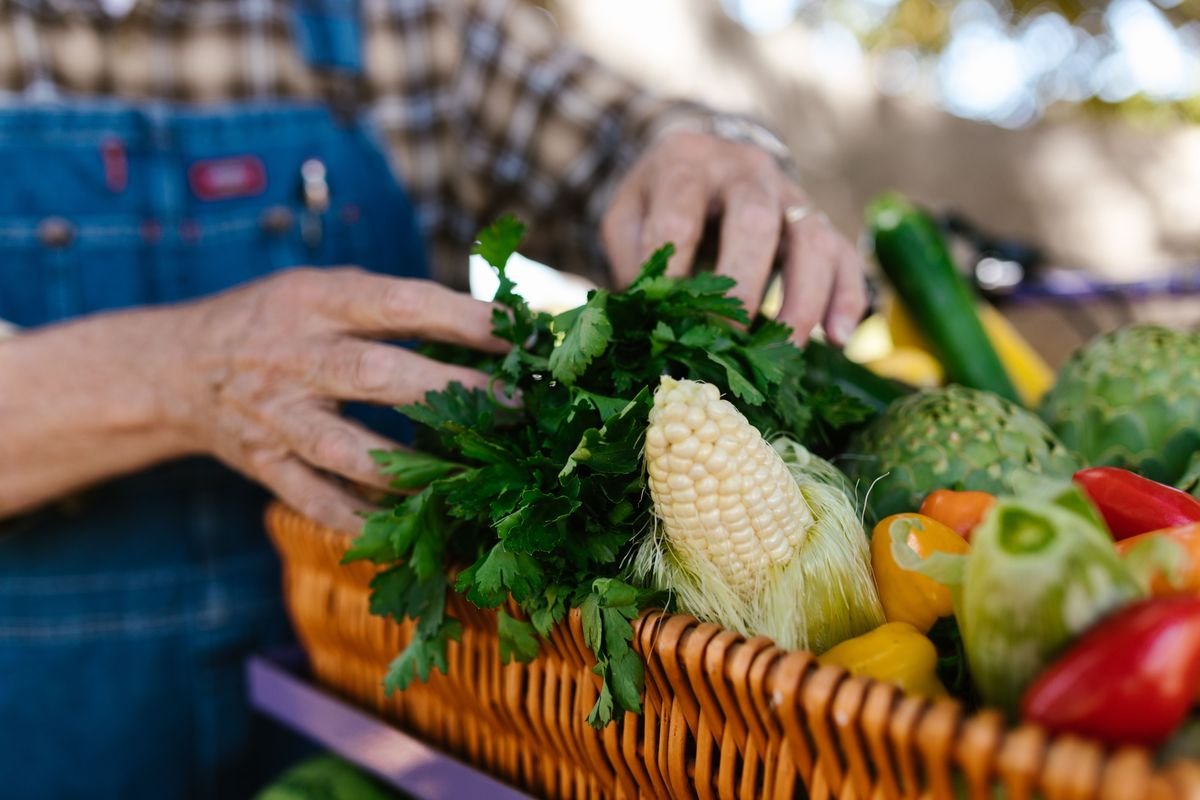
When I first began growing my own food, harvest season was almost overwhelming. Baskets filled with zucchini, tomatoes, and leafy greens sat on my kitchen counters, and I constantly wondered how to transform them into easy weeknight dinners without spending hours over a hot stove.
Over time, I discovered that cooking with fresh backyard ingredients is actually much easier than relying on grocery store produce. Homegrown vegetables carry intense natural flavor, meaning you need little more than olive oil, salt, garlic, and fresh herbs to create extraordinary meals every night of the week.
The Basics of Garden Meal Planning
Traditional meal planning starts with a recipe book and ends with a long grocery list. Garden-to-table planning works in reverse, starting with what is ripe and ready to pick right now.
When you build meals around your garden, your weekly menu naturally shifts alongside the seasons. Cool spring months bring crisp greens, sweet peas, and tender radishes, while midsummer offers abundant tomatoes, peppers, and summer squash.
Understanding the natural harvest windows of your crops takes the guesswork out of dinner. Instead of wondering what to cook, you simply step outside, gather what is ripe, and build your meal around those core ingredients.
Keeping a quick weekly inventory of your garden beds prevents crops from going to seed before you have a chance to cook them.
Selecting the Right Crops for Your Kitchen
A productive kitchen garden begins with planting what your family genuinely likes to eat. Growing exotic varieties can be fun, but everyday kitchen staples provide the most value on busy weeknights.
Focus on versatile produce that shines in both raw and cooked preparations. Cherry tomatoes, zucchini, sweet bell peppers, and spinach can be tossed into quick salads or sautéed into warm pastas.
Do not overlook dedicated culinary herbs like rosemary, thyme, oregano, and basil. A small patch of perennial herbs will instantly elevate simple roasted vegetables and pan sauces with zero grocery store runs.
Planting cut-and-come-again greens ensures a continuous supply of tender leaves for fresh sides without taking up massive garden space.
Simple Methods for Preserving Produce
Even the best garden meal planner occasionally faces a bumper harvest that exceeds what the family can eat in a week. Having a few reliable preservation strategies ready will keep that food out of the compost bin.
Blanching and freezing vegetables is one of the quickest ways to lock in garden freshness for autumn and winter meals. Hearty greens, green beans, and shelled peas take only minutes to prep for long-term storage.
Hard squash, onions, garlic, and root crops can simply be cured in a dry, ventilated room and stored for months without any electricity or specialized equipment.
Herbs freeze exceptionally well when finely chopped and packed into ice cube trays covered in olive oil or melted butter.
Roasted Tomato and Basil Soup
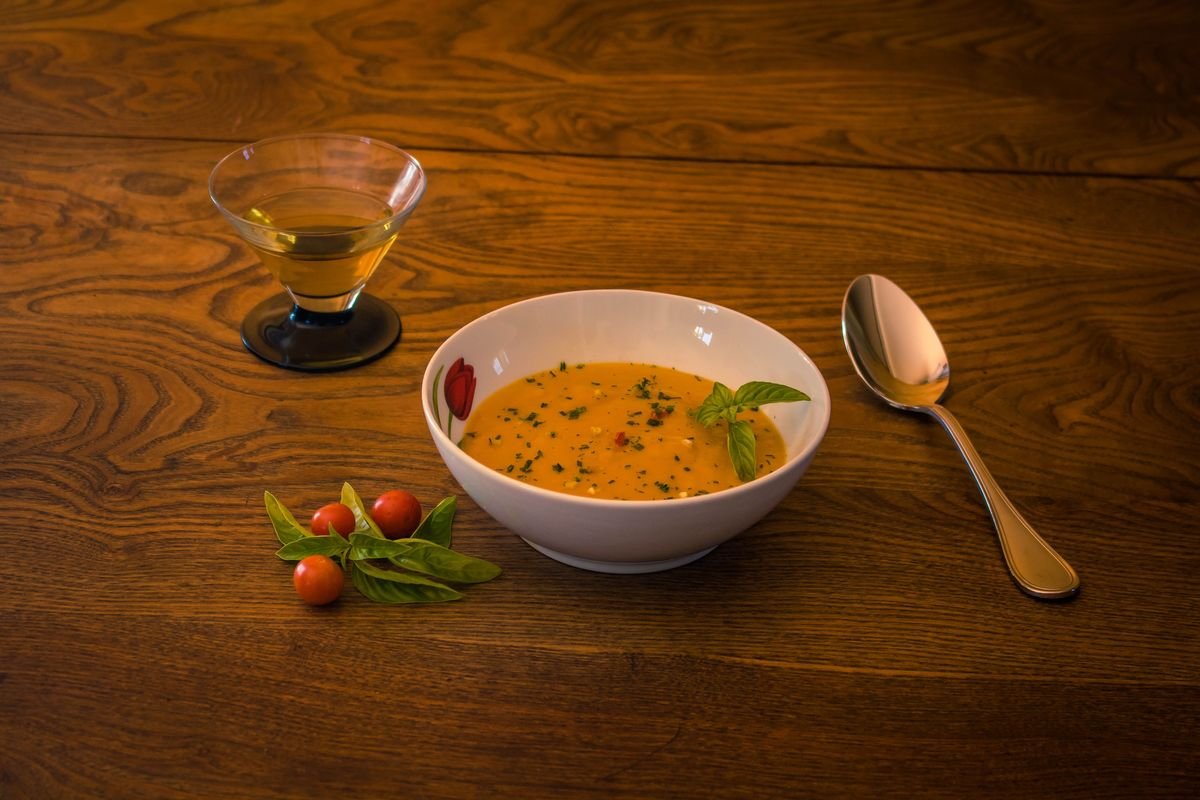
Nothing captures the essence of summer quite like a warm bowl of roasted tomato soup made with ripe vine tomatoes and fragrant sweet basil.
To make this dinner effortless on busy weeknights, roast sheet pans of whole tomatoes, onions, and garlic cloves on the weekend. Blend the roasted vegetables into a smooth puree and store it in freezer-safe bags.
On the night you want to serve it, simply warm the soup base in a saucepan, stir in a splash of cream or coconut milk, and fold in freshly chopped basil leaves.
Pair this silky soup with sourdough grilled cheese sandwiches for a comforting, nostalgic meal that the entire family will love.
Batch Freezing Soup Bases
Freezing concentrated tomato and vegetable bases in flat, stackable freezer bags saves valuable shelf space. Label each bag with the harvest date so you can use the oldest batches first.
These frozen bases thaw quickly in a bowl of warm water or straight in the soup pot over low heat on busy evenings.
Layered Harvest Vegetable Skillet
A vegetable skillet is the ultimate flexible dinner for using up whatever you happen to pick each evening. It works wonderfully with diced root vegetables, summer squash, mushrooms, and leafy greens.
Start by browning your firmest vegetables in a heavy cast iron skillet with olive oil until they are tender and caramelized around the edges. Add softer vegetables, such as sliced peppers and greens, during the final minutes of cooking.
To turn this into a hearty one-pan meal, create small wells in the vegetables and crack fresh eggs directly into the skillet. Cover the pan with a lid until the egg whites are set and the yolks remain soft.
Finish with crumbled goat cheese, fresh chives, and a squeeze of fresh lemon juice for a balanced meal in under twenty minutes.
Zucchini Ribbon Pasta With Garlic Butter
When summer squash production hits its peak, vegetable ribbons are a delicious and light alternative to traditional grain pasta.
Use a vegetable peeler or mandoline to slice zucchini and yellow squash lengthwise into wide, thin ribbons. Discard the soft, seedy core to prevent excess moisture in the skillet.
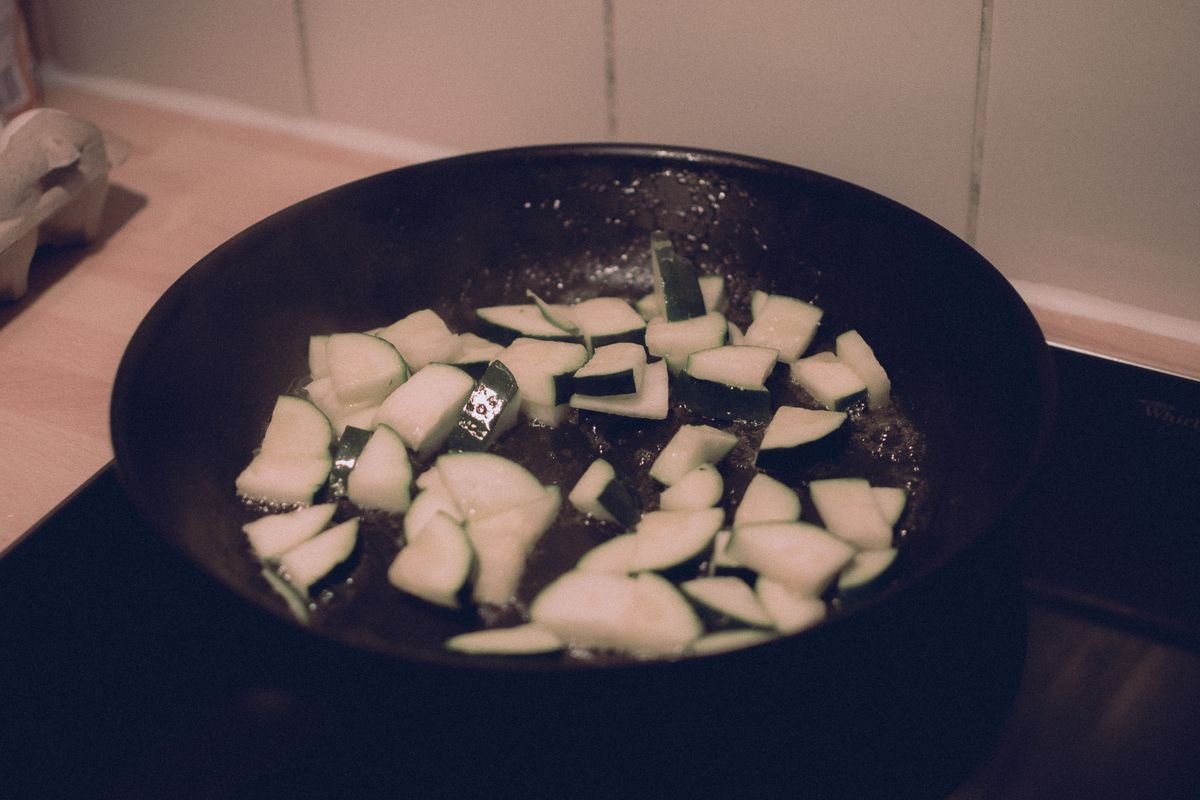
Sauté minced garlic in warm butter and olive oil until fragrant, then toss in the squash ribbons for just ninety seconds. Overcooking zucchini makes it watery, so keeping the cook time short preserves a satisfying bite.
Add seared shrimp, grilled chicken strips, or toasted pine nuts along with freshly grated parmesan cheese to complete the plate.
How to Spiralize and Store Squash
If you prefer noodle-style shapes over ribbons, a handheld spiralizer makes quick work of firm summer squash. Lay the cut noodles across clean kitchen towels for fifteen minutes to absorb excess surface moisture before cooking.
Prepared squash noodles can be stored in an airtight container lined with paper towels in the refrigerator for up to four days.
Weeknight Garden Vegetable Stir Fry
A high-heat stir fry is one of the fastest ways to prepare a diverse mix of freshly harvested vegetables. Snap peas, baby carrots, bok choy, scallions, and broccoli florets all cook in minutes.
Keep your vegetables cut to uniform sizes so they cook evenly in the hot wok or skillet. Crisp vegetables should go into the pan first, followed by leafy greens and aromatics like minced ginger and garlic.
Whisk together soy sauce, toasted sesame oil, a touch of honey, and a splash of rice vinegar for a flavorful sauce that coats the vegetables without overpowering their natural garden sweetness.
Serve over steamed jasmine rice or noodles for a meal that is faster and healthier than any takeout order.
Hearty Lentil and Root Vegetable Stew
As the garden transitions into autumn and winter, cool-weather crops take center stage in the kitchen. Carrots, parsnips, potatoes, and leeks bring rich earthy flavors to comforting stews.
Combine diced root vegetables with brown lentils, vegetable broth, and sprigs of fresh rosemary and thyme in a large Dutch oven. Simmer gently until the lentils are tender and the broth thickens naturally.
This meal is naturally filling, rich in plant protein, and tastes even better when reheated the following day for lunch.
Stir in chopped kale or Swiss chard during the last five minutes of cooking to add bright color and essential nutrients to every bowl.
Stuffed Sweet Peppers With Herbs
Thick-walled bell peppers or sweet Italian frying peppers make fantastic natural vessels for grain and protein fillings.
Slice the tops off your harvest peppers and clean out the inner seeds. Mix cooked rice or quinoa with sautéed onions, diced tomatoes, ground turkey or black beans, and generous handfuls of fresh oregano and parsley.
Stuff the mixture into each pepper cavity and arrange them upright in a baking dish with a splash of broth at the bottom to create steam.
Bake at 375 degrees Fahrenheit until the pepper skins are tender and blistered, finishing with shredded cheese melted over the top.
Herbal Sauces and Quick Dressings
A garden full of fresh herbs is the secret weapon for fast weeknight cooking. Homemade herb sauces can turn plain grains, roasted meats, and steamed vegetables into memorable meals.
Blend large bunches of basil, garlic, pine nuts, olive oil, and parmesan to create classic pesto that freezes remarkably well.
Alternatively, finely chop parsley, oregano, garlic, and red pepper flakes with red wine vinegar and olive oil to make an Argentine-style chimichurri sauce.
Keeping a jar of herb dressing in your refrigerator ensures you can transform simple garden salads into restaurant-quality sides in seconds.
Tips for Reducing Food Waste
Making the most of your garden harvest means finding creative ways to use every part of the plant. Many vegetable components that are commonly discarded are actually packed with flavor and nutrition.
Beet greens, carrot tops, and radish leaves can be washed thoroughly and tossed into sautés, pestos, and morning smoothies.
Save vegetable trimmings such as onion skins, celery ends, and herb stems in a freezer container. When the container is full, simmer the scraps in water for an hour to make a rich, homemade vegetable stock.
Any remaining organic material can be returned directly to your compost bin to nourish next season crops, closing the sustainability loop in your backyard.
Final Thoughts on Garden Cooking
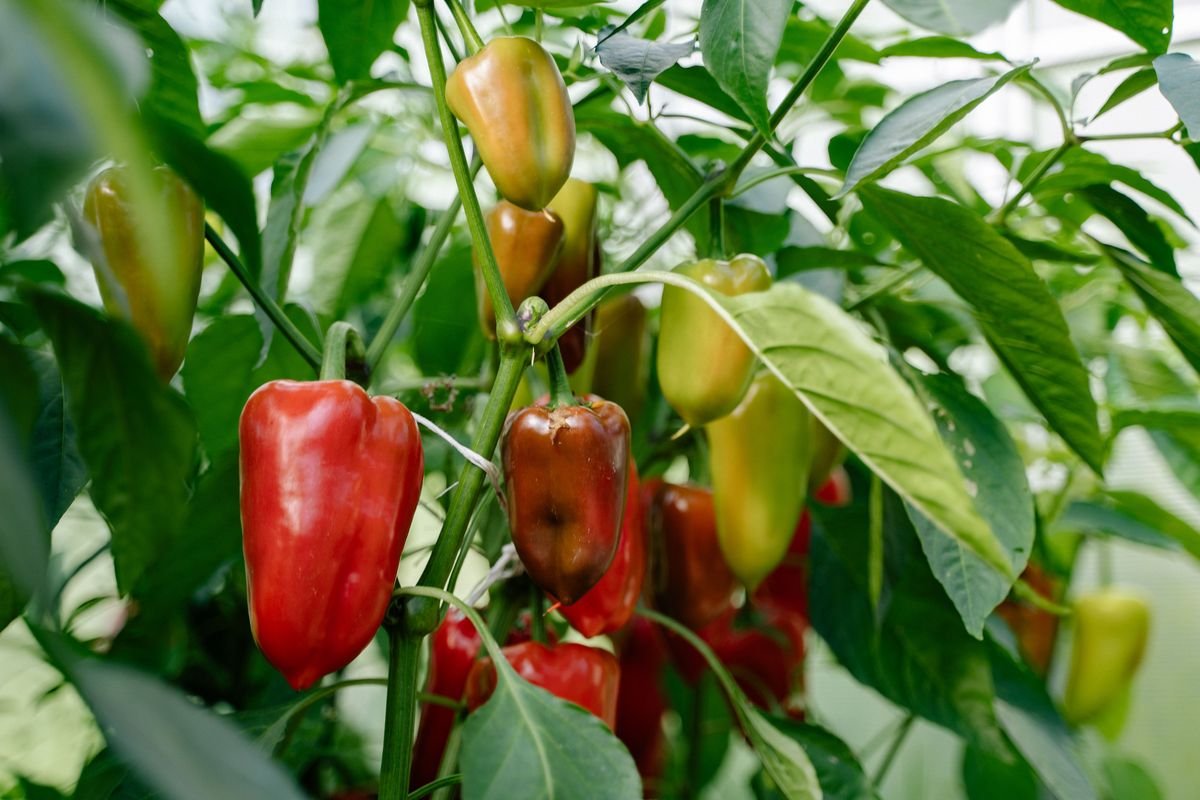
Cooking directly from your garden does not require complicated techniques or gourmet culinary training. It is all about celebrating the natural flavors of produce picked at the peak of ripeness.
Start small by planning two or three garden-inspired dinners each week based on whatever is ready in your beds. As your gardening and cooking skills grow together, you will find that weeknight cooking becomes a joyful, relaxing routine rather than a daily chore.
How Garden-to-Table Ready Is Your Kitchen?
Answer 4 quick questions to see your result