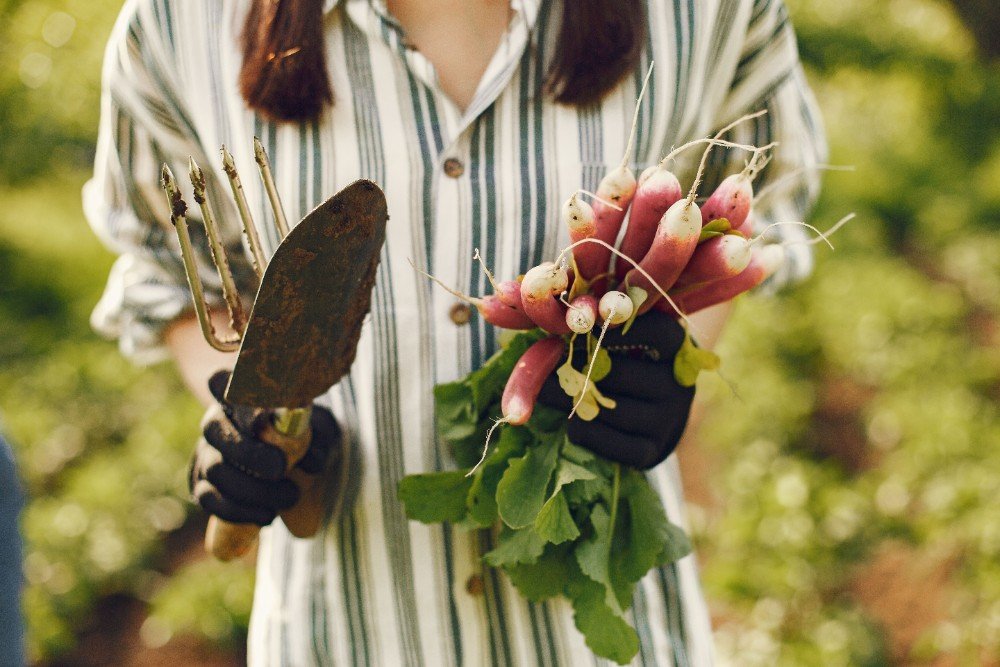
When most people think about saving money on their grocery bill, they focus on clipping coupons, buying pantry staples in bulk, or scanning weekly supermarket flyers. If you grow your own vegetables and herbs at home, your strategy needs to be completely different.
Your garden is your personal produce aisle, but it operates on nature’s schedule rather than a weekly sales cycle. Learning how to plan your meals around what is ripe right now helps you save substantial money, cut food waste down to zero, and enjoy truly fresh flavors every day.
Taking Stock of Your Harvest
Before you write down a single recipe or build a shopping list, take a notebook and walk through your garden beds.
Look closely at what is peaking right now and what will be past its prime within forty-eight hours. Soft fruits like ripe tomatoes, fragile bush beans, and bolting greens need immediate attention.
Take note of what will be ready later in the week so you can stagger your meals logically without overwhelming your refrigerator crisper drawer.
Checking Your Kitchen Inventory
Once you know what is ready outside, turn your attention to your indoor pantry, fridge, and freezer.
See what staples you already have that can partner with your harvest. Grains like rice, barley, and quinoa make wonderful partners for fresh vegetables, as do dry pasta, canned beans, and cooking oils.
Identify items that are nearing their expiration date so you can integrate them directly alongside your freshly picked crops.
Prioritizing Fragile Greens and Herbs
Not all garden produce has the same shelf life once cut from the plant.
Tender leafy greens such as butterhead lettuce, spinach, and arugula lose moisture rapidly compared to hardier root vegetables or winter squash.
Plan meals that feature delicate leafy greens during the first two days after harvesting. Save hardier crops like carrots, beets, cabbage, and potatoes for later in the week when your fragile greens are already consumed.
Choosing Base Recipes That Adapt
Rigid recipes that call for exact vegetable quantities often lead to extra trips to the grocery store.
Instead, focus on versatile dish formats that accommodate whatever you pull from the soil. A good base recipe allows you to substitute zucchini for eggplant, kale for spinach, or leeks for green onions without altering the cooking method.
Adopting this adaptable mindset saves you money because you never have to buy missing single ingredients.
Building Master Stir Fry Dinners
Stir fry meals are one of the most reliable ways to use up mixed handfuls of garden produce.
You can toss almost any vegetable into a hot skillet with a splash of oil, garlic, and soy sauce. Snap peas, broccoli florets, bell peppers, baby carrots, and chard stems all cook quickly and retain great crunch.
Serve your vegetable medley over steamed rice or noodles with a simple fried egg or tofu for a complete, low cost dinner.
Crafting Large Garden Salads
Salads do not need to be a boring side dish that leaves everyone feeling hungry an hour later.
Turn garden salads into hearty centerpieces by layering varied textures and flavors directly from your plots. Combine crisp leaves, shaved radishes, sliced cucumbers, and fresh herbs with rich toppings like toasted seeds, cheese, or boiled eggs.
- Mix crunchy and soft greens to create textural interest
- Whisk quick vinaigrettes using garden herbs and olive oil
- Add leftover roasted grains or beans to boost staying power
Simmering Flexible Scrap Soups
Soup is the ultimate safety net for vegetables that look slightly tired or odd in shape.
Coarsely chopped carrots, bruised tomatoes, wilted greens, and root ends can all simmer together in a pot with broth and aromatics. Once the ingredients are tender, you can leave the soup chunky or puree it into a creamy bisque.
Freeze extra portions in flat freezer bags so you have homemade, ready to heat lunches waiting for busy days.
Batch Cooking with Your Oven
Running a large oven several times a week drives up your household utility costs.
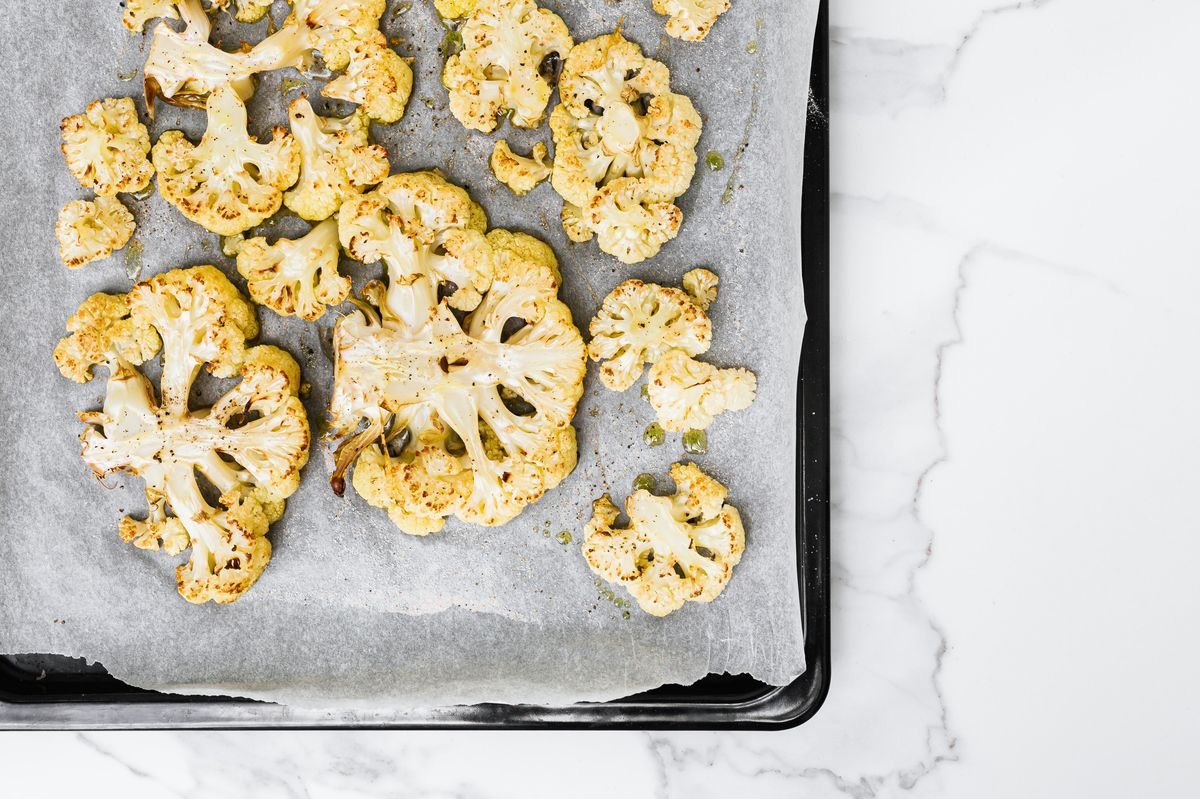
When you plan to roast a tray of garden vegetables, fill every available oven rack. Toss sliced zucchini, sweet potatoes, onions, and whole garlic heads with oil and salt, roasting them alongside a whole chicken or a pan of baked beans.
Store the extra roasted vegetables in airtight containers to use across grain bowls, wraps, and frittatas throughout the coming days.
Preserving Fresh Herb Stems
Most recipes instruct cooks to pick the leaves from culinary herbs and discard the remaining stems.
Herb stems contain concentrated aromatic oils that carry tremendous flavor. Parsley, cilantro, and basil stems can be minced finely and added to sautés at the same time as onions and garlic.
You can also blend woody stems into chimichurri sauces or simmer rosemary and thyme twigs in broths before straining.
Making Homemade Compound Butters
When herb plants start flowering or expanding too quickly, harvesting in bulk is essential.
A simple way to capture that harvest is by making compound butter. Soften unsalted butter at room temperature, fold in finely minced herbs, garlic, and a pinch of salt, then roll the mixture into a parchment paper log.
Keep the log in your freezer and slice off coins to melt over freshly steamed vegetables, baked potatoes, or grilled meats.
Canning and Freezing Surpluses
Midsummer harvests often yield far more tomatoes, green beans, or berries than a single household can eat fresh.
Water bath canning lets you turn baskets of ripe paste tomatoes into shelf stable marinara sauces, salsas, and crushed tomato jars. For quicker storage, blanch green beans and peppers for two minutes in boiling water, plunge them in ice water, and freeze them in sealed bags.
These preserved goods lower your grocery bills months later during the cold winter period.
Fermenting Quick Pickles
If you do not want to set up full canning equipment, quick refrigerator pickling takes only ten minutes.
Slice extra cucumbers, jalapeños, red onions, or radishes thinly and pack them into clean glass jars. Pour a hot mixture of equal parts vinegar and water with salt and a touch of sugar over the vegetables.
Seal the jars and store them in your refrigerator, where they will stay tangy and crisp for several weeks.
Growing Your Own Healthy Snacks
Packaged snack foods represent a large portion of average household food budgets.
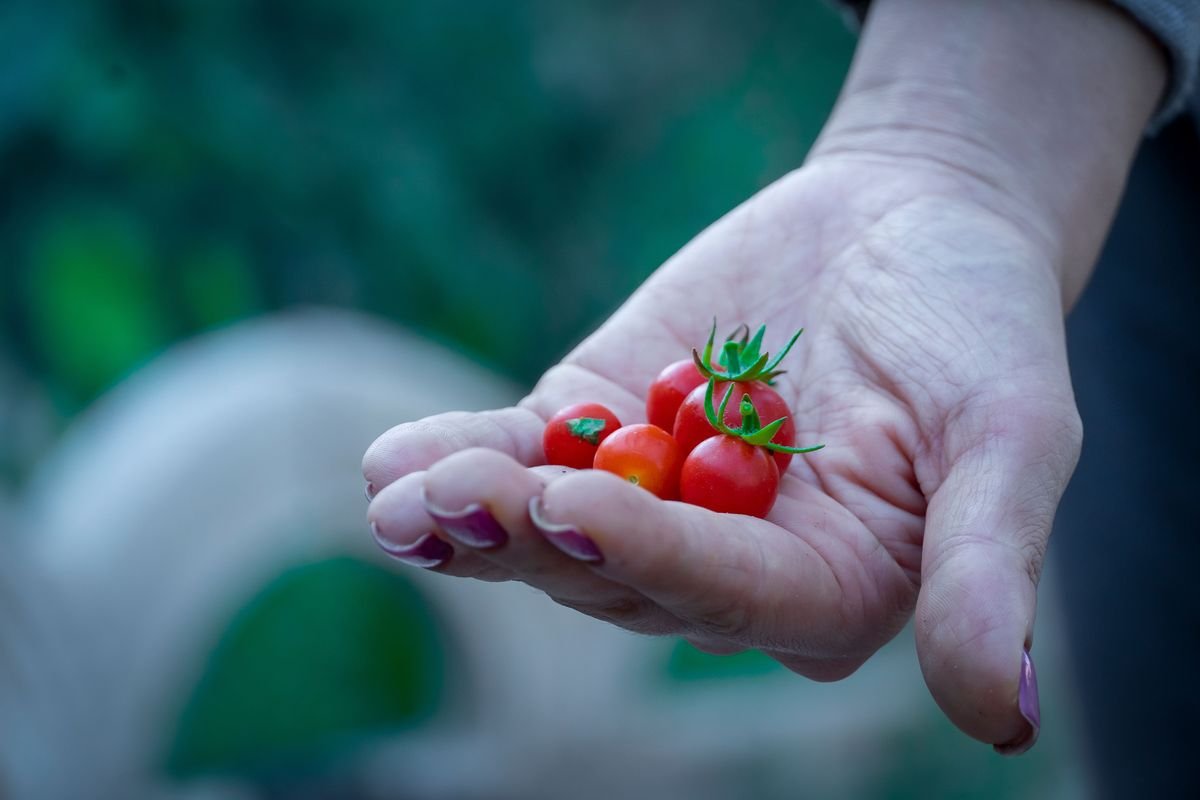
You can replace processed snack bars and chips by cultivating vegetables that taste fantastic raw right off the vine. Cherry tomatoes, sugar snap peas, mini snack cucumbers, and sweet baby carrots require zero cooking and offer instant refreshment.
Wash a bowl of these bite sized crops each morning and keep them visible on your counter for easy grazing.
Planning for the Next Season
Your meal planning success improves dramatically when you plant crops with specific dishes in mind.
If your family eats Mexican cuisine regularly, dedicate garden space to cilantro, jalapeños, tomatillos, and black beans. If you prefer Italian pastas, focus on basil, garlic, oregano, and plum tomatoes.
Aligning your garden layout with your household cooking preferences prevents unwanted gluts of vegetables nobody wants to eat.
Practical Daily Habits for Success
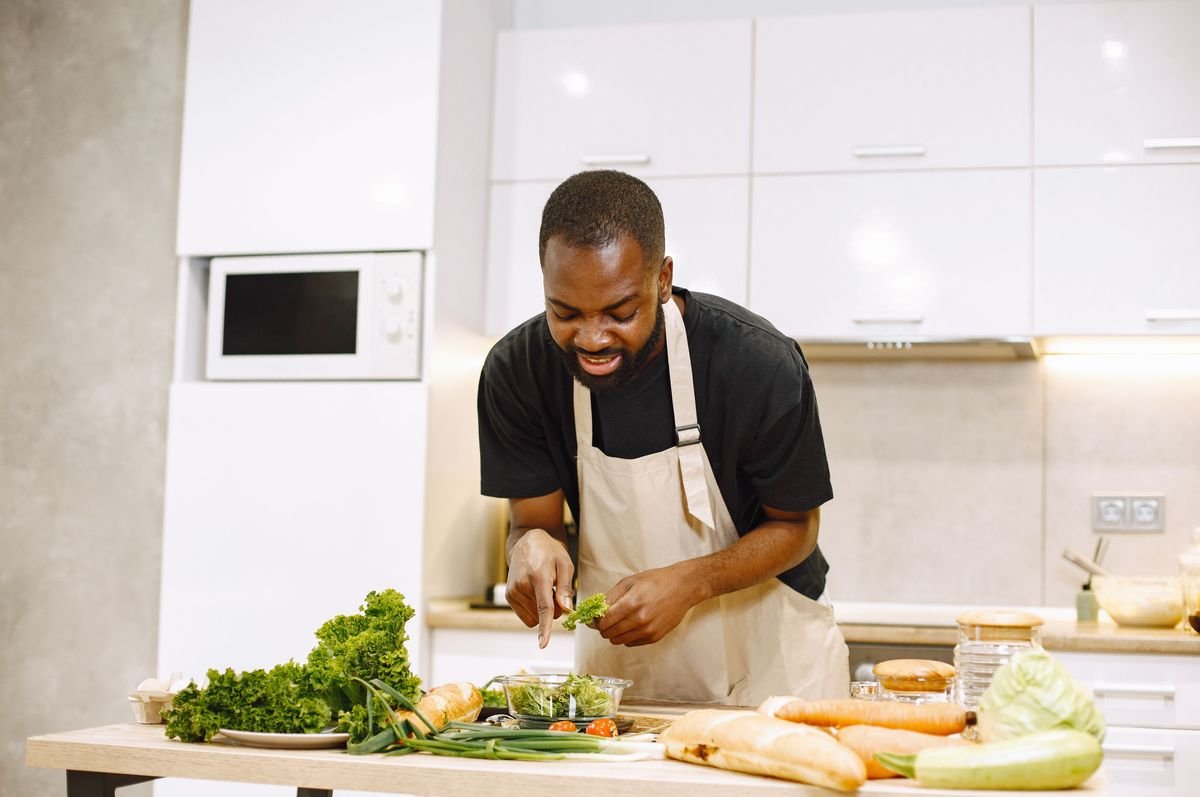
Making garden meal planning a smooth routine requires just a few small daily habits.
Spend five minutes each morning checking for pests and gathering whatever is at prime ripeness before the midday sun heats up the garden. Keep clean kitchen scissors by the back door so harvesting herbs during dinner prep takes only seconds.
With a small amount of consistency, you will eat healthier meals while watching your grocery expenses drop month after month.
How Efficient Is Your Garden Meal Planning?
Answer 4 quick questions to see your result