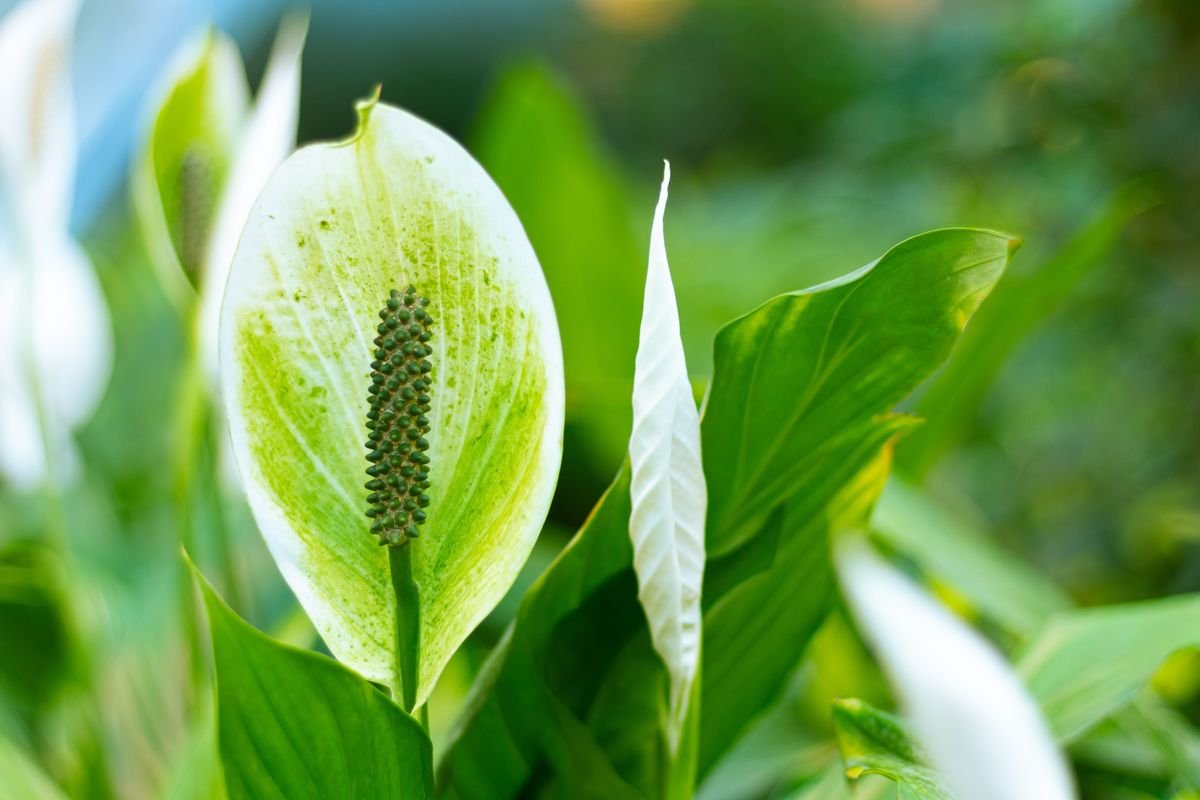
Peace lilies are among the most beloved indoor houseplants around the world. Their glossy emerald leaves and elegant white spathes bring a touch of calm beauty to any room. Many plant lovers also appreciate how tolerant they seem to be when placed in dim living rooms or windowless office cubicles.
Even so, every plant keeper eventually asks whether these plants can truly thrive without proper sun. Figuring out the exact balance between too much light and complete shade makes the difference between a peace lily that merely survives and one that blooms generously year after year.
Understanding Natural Peace Lily Light Requirements
In their native tropical habitats across Central and South America, peace lilies grow beneath thick forest canopies. The dense layers of trees above them filter the harsh tropical sun into a soft, dappled glow.
Because of this natural adaptation, peace lilies evolved to capture scattered rays rather than direct heat. They produce large, broad leaves packed with chlorophyll so they can absorb every bit of usable ambient light available on the forest floor.
When you bring a peace lily into your home, matching this shaded jungle floor setting provides the best possible results. Giving them moderate to bright indirect sunlight allows them to produce energy efficiently without burning their tender foliage.
Why Peace Lilies Handle Low Light Settings
Peace lilies have earned a solid reputation as great low-light houseplants. They can withstand lower light conditions much better than high-light tropicals like fiddle leaf figs or succulents.
In dim spaces, a peace lily slows its metabolic rate down significantly. It conserves water and energy, maintaining its dark green color even when new leaf production stops.
This makes the peace lily a dependable choice for bedrooms, hallways, and commercial offices with modest lighting. Just keep in mind that existing in low light is mostly a survival mode rather than an optimal growing condition.
Signs Your Peace Lily Needs More Sun
While peace lilies will survive in shady spots, prolonged periods in deep darkness cause noticeable problems. You should monitor your plant closely for key distress signals. If you notice any of the following symptoms, your peace lily is likely asking for a brighter location:- The plant stops producing its signature white blooms completely.
- New leaves emerge much smaller than older foliage.
- The stems become unusually stretched out, weak, and leggy.
- The soil stays soggy for weeks because the plant is not photosynthesizing fast enough to use up water.
- Lower leaves slowly turn pale or yellow before dropping off.
The Hidden Dangers of Harsh Direct Sunlight
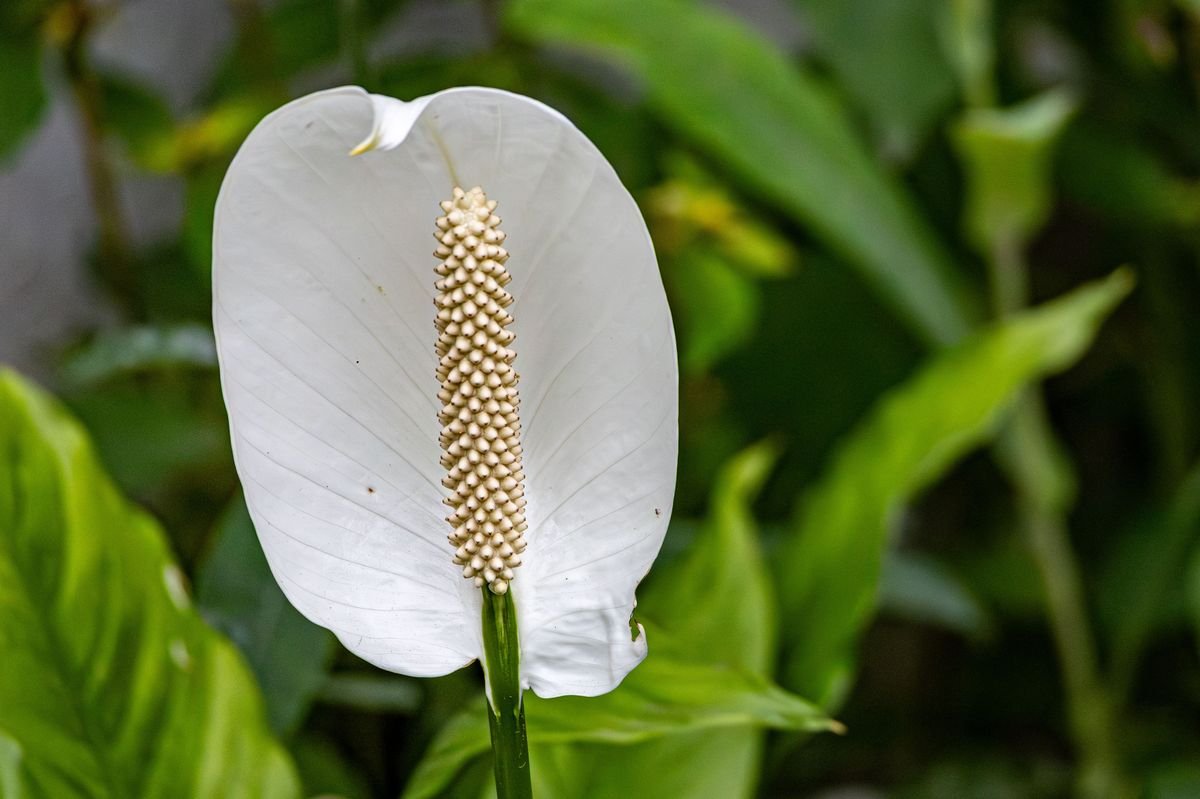
While peace lilies need some sunlight, direct sunbeams are dangerous for their thin, delicate foliage. Placing a peace lily in an unshaded south-facing window can cause severe physical damage within just a few hours.
Direct sun heats up the leaf tissue and breaks down cellular structures faster than the roots can supply moisture. This leads to rapid dehydration and permanent tissue damage.
If you want to keep your peace lily near a sunny window, always use sheer curtains to diffuse the light. The goal is to provide bright ambient illumination without letting intense rays touch the leaves directly.
How to Spot Sunburn on Peace Lily Leaves
Sunburn on a peace lily looks distinct from standard nutrient deficiencies or watering issues. Recognizing the visual markers helps you move the plant before more foliage is ruined.
Sun-damaged leaves typically display bleached or pale yellow patches that eventually turn crispy, brown, and brittle. These scorched spots often show up on the uppermost leaves that receive the highest heat and sun exposure.
Once a leaf is scorched by the sun, the damaged tissue cannot heal itself. You can carefully prune away badly burned leaves near the base of the plant using clean pruning shears, then move the pot to a safer location.
Finding the Best Indoor Spot for Your Plant
Selecting the right place for your peace lily makes daily plant care much easier. An east-facing window is often the ideal location because it offers gentle morning light without the harsh heat of the afternoon.
If you only have north-facing windows, you can place your peace lily right on the windowsill. North light is consistently soft and indirect throughout the day.
For rooms with bright west or south exposures, keep your peace lily five to eight feet away from the glass. This placement gives the plant plenty of ambient brightness while shielding it from intense direct rays.
Using Artificial Grow Lights for Peace Lilies
If your home lacks suitable natural windows, you do not have to give up on growing a healthy peace lily. Standard fluorescent office lighting or dedicated LED grow bulbs work remarkably well.
Peace lilies respond very favorably to full-spectrum LED fixtures placed twelve to eighteen inches above the canopy. These modern lights produce useful wavelengths without generating foliage-scorching heat.
Running an artificial grow light on a timer for eight to ten hours a day gives the plant enough energy to thrive and produce white spathes, even inside an interior room without a single window.
Temperature Guidelines for Healthy Foliage
Light and temperature work together closely to dictate your plant’s metabolic health. As native tropicals, peace lilies prefer steady, warm indoor temperatures.
The ideal temperature range for a peace lily is between 65 and 85 degrees Fahrenheit. When temperatures drop below 60 degrees, the plant can suffer stress that halts growth and causes leaf collapse.
Always position your plant away from cold air drafts, exterior doors, and air conditioning vents. Sudden chills can cause the foliage to blacken and droop dramatically.
Managing Humidity in Dry Indoor Air
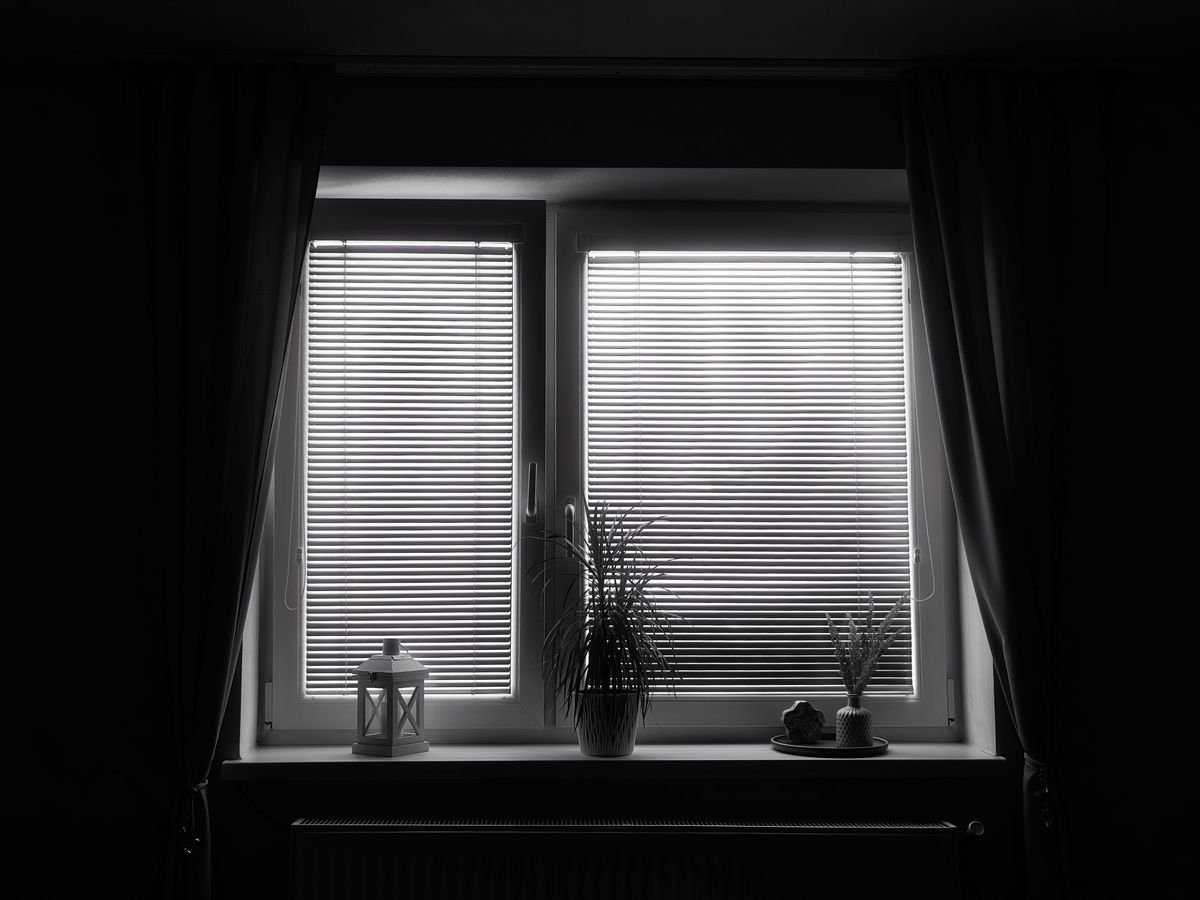
Humidity is another crucial element that helps peace lilies maximize their light absorption. When indoor air is too dry, moisture evaporates rapidly through the leaf stomata, stressing the plant.
Peace lilies prefer relative humidity levels of 50 percent or higher. In typical heated winter homes or heavily air-conditioned offices, indoor humidity can drop below 30 percent.
To increase humidity around your plant, consider grouping multiple houseplants together to create a microclimate. You can also place the pot on a tray filled with pebbles and water, or run a cool-mist room humidifier nearby.
Watering Habits That Prevent Root Problems
Watering and light exposure are tightly connected. A peace lily sitting in bright indirect light consumes moisture much faster than one sitting in a dark corner.
The most reliable method is to check the soil moisture before adding any water. Insert your finger about an inch into the potting mix. If it feels dry to the touch, water thoroughly until moisture drains freely from the bottom holes.
Never allow the pot to sit in standing water inside a saucer. Prolonged saturation deprives roots of oxygen, leading quickly to root rot and yellowing leaves.
Soil Mixes That Balance Moisture and Air
The right soil mixture helps protect your peace lily from both overwatering and rapid desiccation. Heavy, dense garden soils compact easily and suffocate root systems indoors.
A great homemade blend combines standard houseplant potting soil with perlite and orchid bark. The potting soil retains essential moisture, while the perlite and bark chunks create airy pockets for roots to breathe.
Ensure your container has adequate drainage holes. Proper container drainage works alongside an airy soil mix to maintain consistent moisture without waterlogging.
Fertilizer Tips to Encourage Green Foliage and Blooms
Peace lilies are light feeders, meaning they do not require heavy doses of plant food to look their best. In fact, over-fertilizing is much more common than under-fertilizing.
Apply a balanced liquid houseplant fertilizer diluted to half strength once every six to eight weeks during spring and summer. This modest boost supports active growth and encourages the formation of new blooms.
Avoid feeding your peace lily during late autumn and winter when natural light levels decline and growth slows down. Excess fertilizer salts can build up in the soil and cause brown tips on the leaves.
Routine Cleaning and Maintenance for Better Light Absorption
Because peace lilies have broad, glossy leaves, they easily collect household dust and debris over time. A layer of dust acts like a physical barrier, blocking light from reaching the chlorophyll beneath.
Wipe down both sides of each leaf once a month using a soft, damp cloth. Supporting the leaf from below with your hand prevents accidental tearing during cleaning.
Regular cleaning keeps your plant looking vibrant while allowing it to absorb every bit of available light. It also gives you a great opportunity to inspect the plant for common pests like spider mites and mealybugs.
Summary of Peace Lily Care Essentials

Caring for a peace lily becomes simple once you understand how light drives all of its other care requirements. While they survive in low light, providing bright indirect light brings out their best health and reliable flowers.
Keep them away from direct sunbeams, protect them from cold drafts, and maintain moderate indoor humidity. Pair this with careful watering and well-draining soil to enjoy a flourishing, long-lived houseplant.
With just a little attention to its environmental needs, your peace lily will reward you with deep green foliage and graceful blooms for years to come.
Is Your Peace Lily Getting the Right Amount of Light?
Answer 4 quick questions to see your result