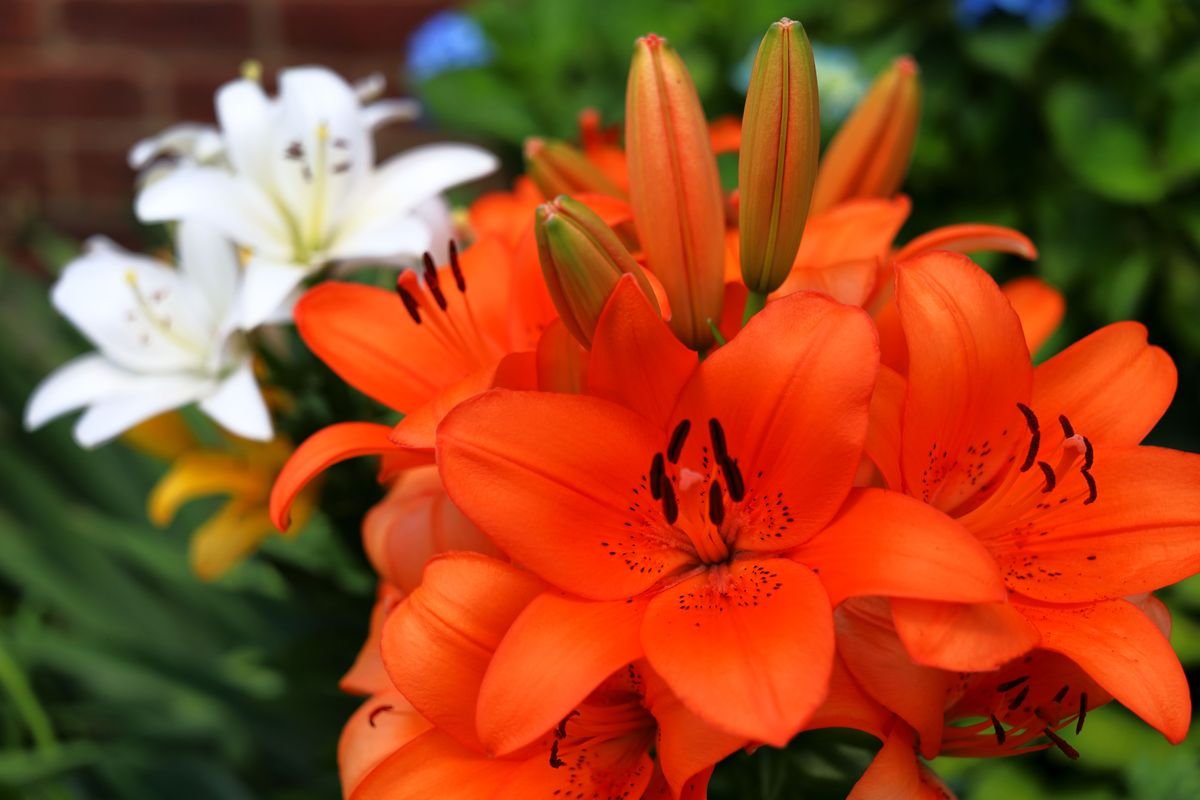
Lilies are among the most stunning perennial flowers you can add to a garden. Their dramatic trumpet-shaped blooms, vibrant colors, and sweet fragrances make them a favorite choice for flower beds, borders, and patio containers.
To help your lilies produce spectacular blossoms year after year, choosing the right planting location is essential. Sunlight plays a massive role in how strong the stems grow and how abundantly the bulbs flower.
If you are wondering whether lilies need full sun or if they can thrive in partial shade, this guide will walk you through everything you need to know.
Lily Sunlight Requirements
Most true lilies thrive best when they receive full sunlight. In gardening terms, full sun means at least six to eight hours of direct, unfiltered sunlight each day.
Sunlight provides the energy that lilies need to build strong, upright stems that can support heavy blossoms without bending.
Sunlight also powers the photosynthesis required to recharge the underground bulbs for the following growing season.
While full sun is ideal, the intensity of that light matters. Gardeners in northern regions can easily leave their lilies in direct sun all day long.
In contrast, gardeners in hot southern climates may find that intense afternoon sun can scorch petals and stress the plants. In hot regions, providing shelter from the blistering midday and afternoon rays will keep your blooms looking fresh much longer.
An old gardening adage describes the ideal environment for lilies perfectly: keep their heads in the sun and their feet in the shade. This means the foliage and flowers should bask in bright light while the root zone stays cool and moist.
How Morning Sun Helps Lilies
If you have a garden spot that only receives sun for part of the day, choose a location with morning sun rather than afternoon sun.
Morning sunlight is gentle and cool. It provides the plant with the light energy it needs to start its daily growth cycle without subjecting the foliage to extreme heat.
Morning light also helps evaporate dew and overnight moisture from the leaves and petals. Leaving lily leaves wet for extended periods can encourage fungal infections such as Botrytis blight, which causes brown spots and damaged foliage. Quick morning drying keeps your plants clean, vibrant, and disease-free.
Signs Your Lilies Get Too Much Sun
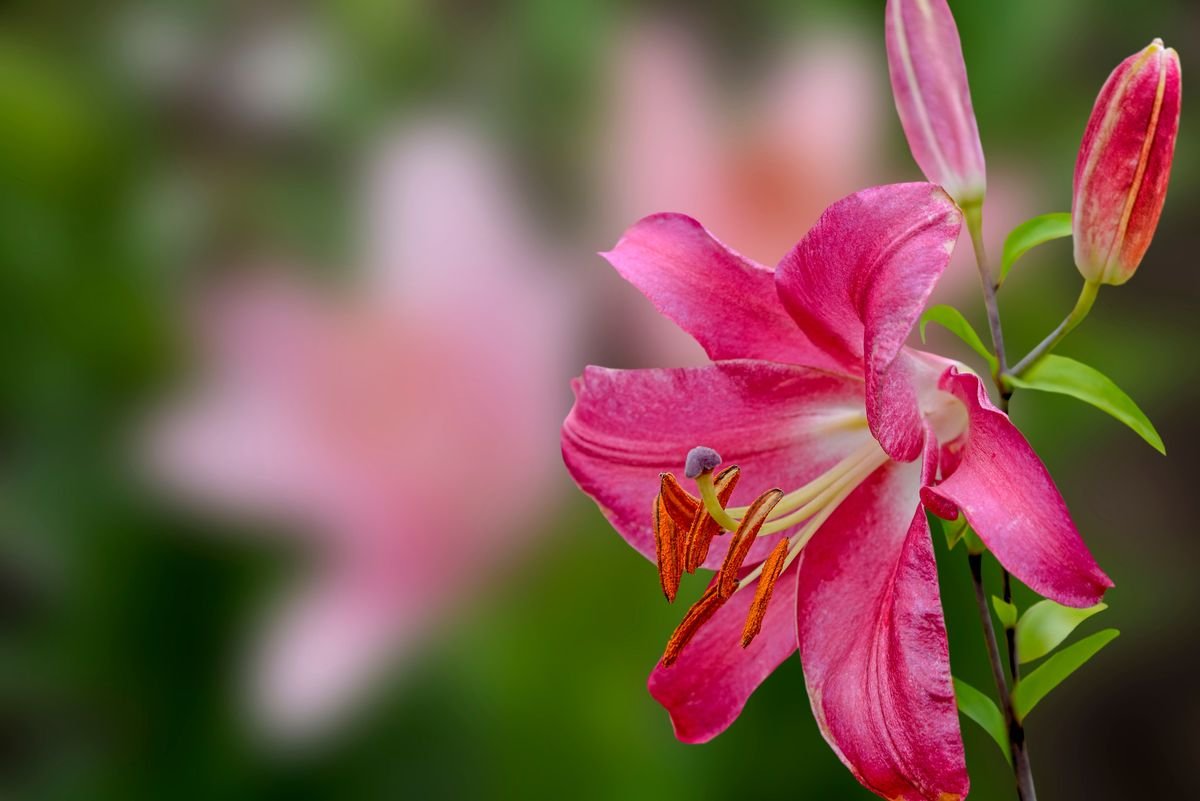
Even though lilies love bright conditions, excessive heat combined with harsh direct sunlight can create problems. Watching your plants closely will help you spot light stress early.
Common signs of excessive sun exposure include:
- Faded or bleached flower petals that lose their rich color quickly.
- Crispy, brown leaf tips and dry petal margins.
- Wilting during the hottest hours of the day, even when the soil is damp.
- Blooms that open and drop their petals within just a couple of days.
If you notice these symptoms on your plants, consider transplanting your lilies to a spot that receives light afternoon shade or providing temporary shade cloth during heatwaves.
Signs Your Lilies Lack Sunlight
Placing lilies in deep shade will quickly lead to poor growth and weak performance. Lilies that do not receive enough light will show clear distress signals.
When light levels are too low, you might observe:
- Tall, thin, leggy stems that lean noticeably toward the nearest light source.
- Weak stems that flop over under the weight of their own leaves or flowers.
- Few flower buds or a complete lack of blooms during the season.
- Yellowing lower foliage as the plant discards leaves it cannot support.
- Gradual shrinking of the underground bulb over successive years.
Without adequate sun, the bulb cannot store enough starches to produce blooms the following year. If your lilies produce only foliage without flowers, insufficient sunlight is often the primary cause.
Sun Needs for Different Lily Types
Not all lilies share the exact same lighting preferences. Understanding the specific group your lily belongs to will help you provide the best possible conditions.
Asiatic Lilies are among the hardiest and earliest to bloom. They prefer full sun and will produce the strongest stems and brightest colors when given at least six full hours of direct light.
Oriental Lilies, known for their large, intensely fragrant flowers like the famous Stargazer variety, love morning sun combined with light afternoon shade. Their delicate petals can burn under harsh midday sun.
Trumpet and Aurelian Lilies produce massive, sweet-scented floral trumpets on towering stems. These vigorous growers love full sun and handle heat quite well, provided their roots remain moist.
Martagon Lilies, often called Turk’s cap lilies, are unique because they naturally grow along woodland edges. They perform exceptionally well in partial shade or dappled light where other lily varieties might struggle.
Soil Requirements for Healthy Bulbs
Sunlight is critical, but soil quality is equally important for the health of your lilies. Lily bulbs consist of fleshy overlapping scales that are very sensitive to stagnant water.
Lilies must be planted in loose, well-draining soil. Heavy clay soil that holds excess water will cause the bulbs to rot quickly.
To improve your garden soil, mix in generous amounts of organic matter, such as compost, leaf mold, or well-aged manure, before planting. This helps sandy soils hold adequate nutrients while loosening dense clay soils to improve drainage.
If you are planting lilies in containers, use a high-quality potting mix blended with perlite, coarse sand, or pumice. A standard blend of two parts potting soil to one part coarse sand or perlite creates an excellent balance of moisture retention and rapid drainage.
Proper Spacing to Prevent Problems
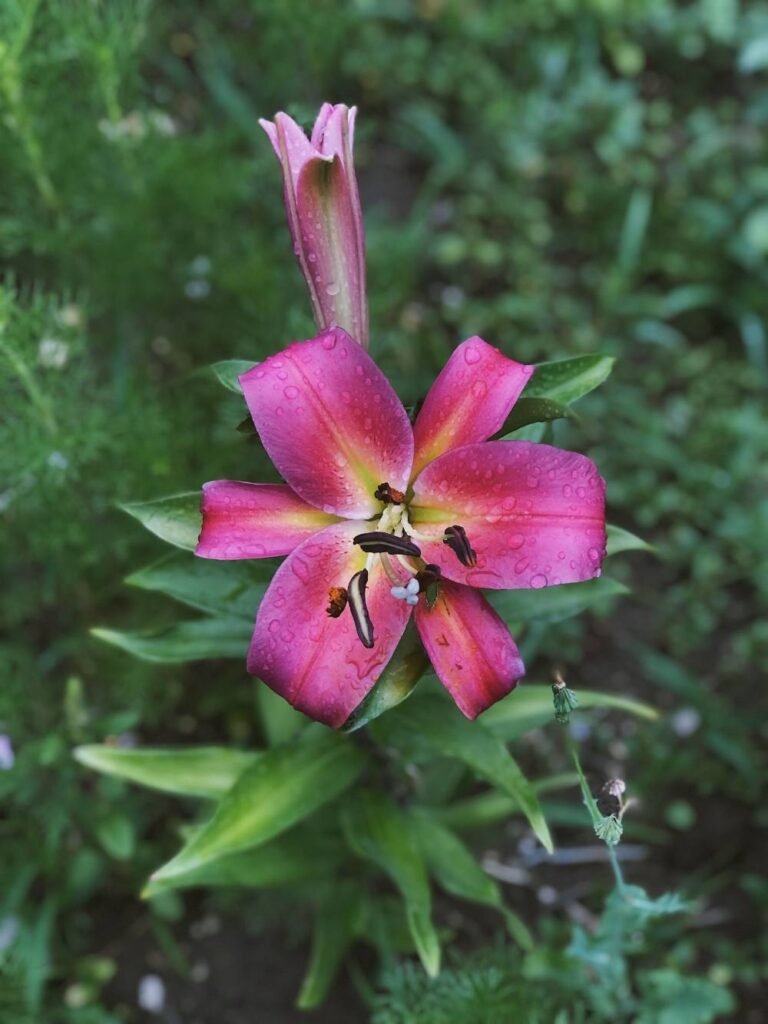
Overcrowding is a frequent mistake that can undo all the benefits of good sunlight. When lilies are planted too close together, their lower foliage becomes shaded out by neighboring leaves.
Give your lilies adequate room to grow by spacing bulbs roughly 8 to 12 inches apart, depending on the mature size of the variety.
Proper spacing ensures that every stem gets an even share of direct sunlight from top to bottom. It also improves air circulation through the garden bed, which significantly reduces the risk of foliar fungal diseases like grey mold.
Watering Your Garden Lilies
Watering lilies correctly requires finding a balance between keeping the soil moist and avoiding soggy conditions. Lilies enjoy regular moisture, especially during their active growth and blooming periods in spring and summer.
As a general guideline, lilies need about one inch of water per week from rainfall or manual watering. In warm, sunny weather, you may need to water more frequently to keep the soil from drying out completely.
Always water the soil at the base of the plant rather than spraying overhead. Wetting the flowers and foliage can cause petal spotting and increase fungal risks. Deep, infrequent soakings are much better than shallow daily sprinklings because they encourage the bulb roots to grow deep into the cool earth.
Using Mulch to Protect Root Zones
Applying a layer of organic mulch is one of the easiest ways to keep your lilies happy in full sun. Mulch acts as an insulating blanket across the garden soil.
A two to three inch layer of shredded bark, pine needles, or compost will:
- Keep root zones cool even during blazing summer afternoons.
- Slow down soil moisture evaporation, reducing the need for constant watering.
- Suppress weed growth that would otherwise compete with your lilies for nutrients and light.
- Break down over time, enriching the soil with valuable organic matter.
Be sure to keep the mulch pulled back an inch or two from the lily stems themselves to prevent stem rot.
Caring for Potted Lilies Outdoors
Growing lilies in pots allows you to move them around your patio or balcony to find the perfect lighting balance throughout the season.
Container-grown lilies require a little extra attention compared to garden-planted bulbs. Because pots contain a limited volume of soil, they heat up and dry out much faster in full sunlight.
Place your pots in a location where they catch generous morning sun, then shift them into light shade during the hottest hours of the afternoon. Check the soil moisture daily during the summer, as potted lilies may need watering every day or two during peak heat.
Summary of Lily Care Tips
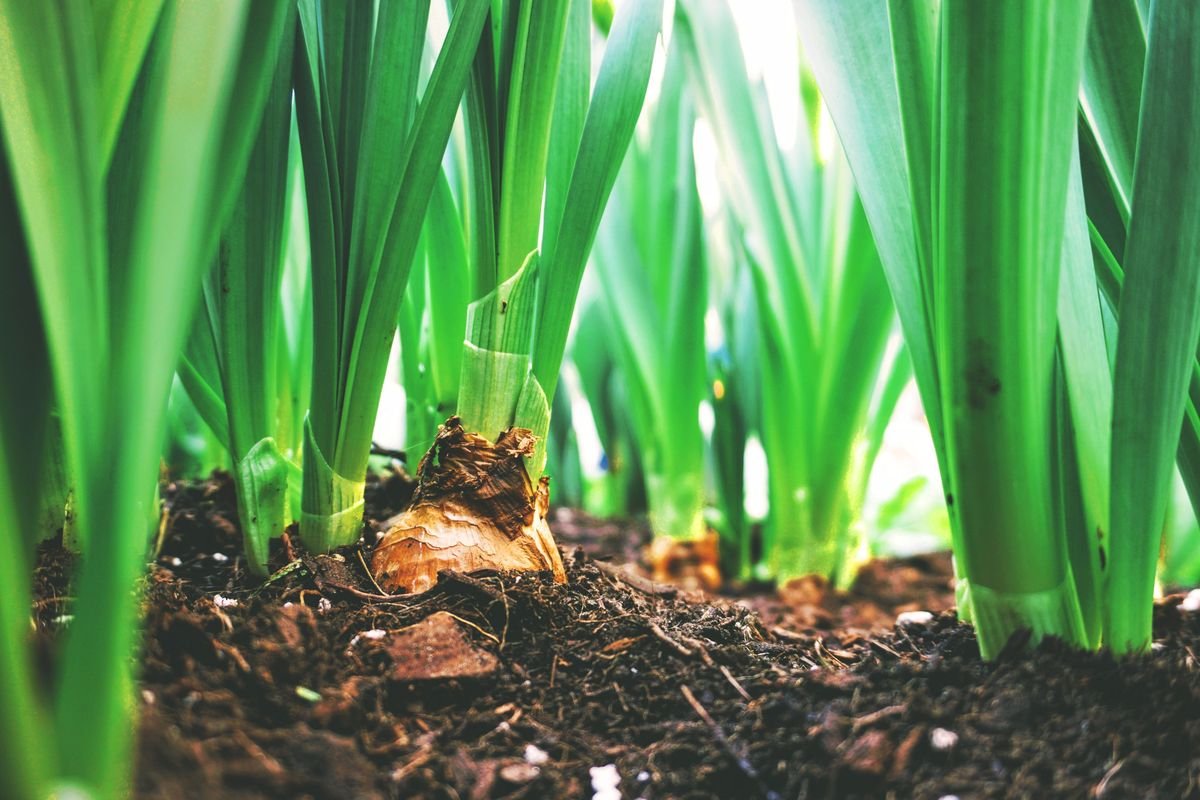
Growing gorgeous lilies is easy once you understand their basic light and soil requirements. By giving them the right start, you will enjoy rewarding, colorful blooms year after year.
Keep these essential pointers in mind as you plan your lily garden:
- Aim for at least six hours of direct sunlight each day, favoring morning sun in hotter climates.
- Select the right lily variety for your specific lighting conditions, using Martagon types for shaded spots.
- Ensure the soil is loose, fertile, and free-draining to prevent bulb rot.
- Space plants at least 8 to 12 inches apart to maximize light exposure and airflow.
- Apply a generous layer of mulch to keep the underground bulbs cool while the stems enjoy the sun.
Is Your Lily Spot Getting the Right Amount of Light?
Answer 4 quick questions to see your result