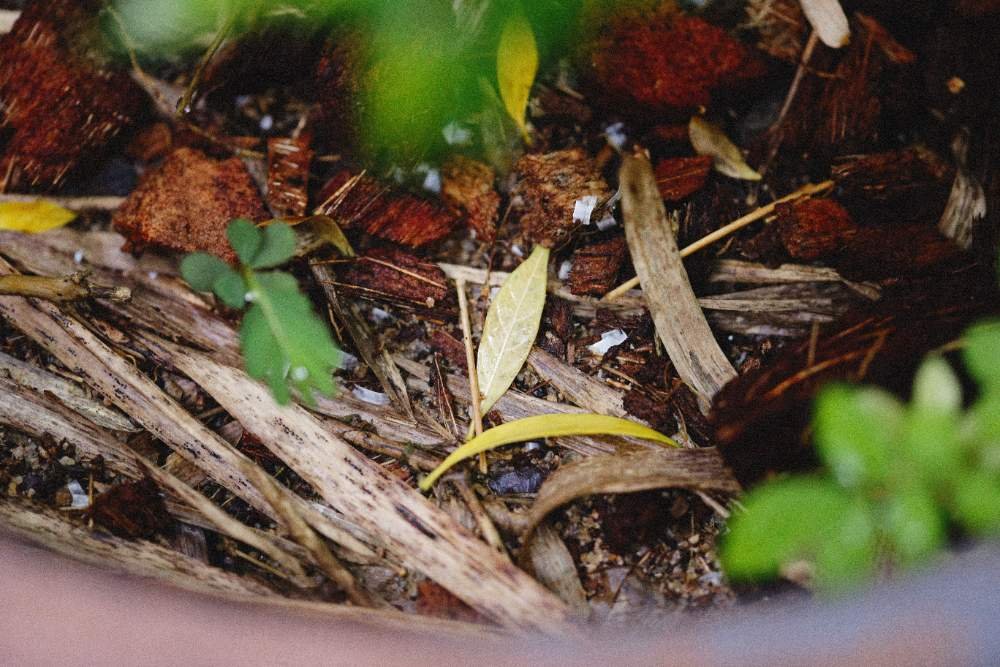
Garden mulch does not come stamped with an expiration date. Over several seasons, weather, foot traffic, and natural decomposition change its appearance and texture.
You might look out across your flower beds in the spring and wonder whether that faded, broken down layer needs to be completely hauled away or if it still has useful life left in it.
The truth is that old mulch rarely needs to end up in a landfill. Depending on its condition, whether it is organic or synthetic, you can give aged mulching materials a second life all across your property.
From enriching garden compost to building durable walkway foundations, there are numerous practical ways to put old mulch to work.
Understanding Organic Versus Inorganic Mulch
Before deciding how to reuse your material, you need to identify which category of mulch you have on hand. Garden mulches generally fall into organic and inorganic classifications, each behaving very differently as time passes.
Organic mulches consist of plant-based materials like shredded bark, wood chips, pine needles, straw, and chopped leaves.
These materials break down naturally over time through the action of soil microbes, fungi, and earthworms. As they decompose, they release valuable organic matter and trace minerals back into the earth.
Inorganic mulches, on the other hand, include shredded rubber, landscape gravel, crushed river rock, and synthetic geotextile mats.
These materials do not break down into soil nutrients and can last for decades. Reusing inorganic mulch usually means cleaning it, reallocating it to high traffic utility zones, or repurposing it around outdoor play structures.
Signs That Your Mulch Needs Attention
You do not necessarily have to replace mulch just because it is a year or two old. Inspecting the physical state of your garden beds helps you choose the right project for your materials.
Take a small hand trowel and dig beneath the top layer of your mulch. If the chips have crumbled into dark, crumbly, soil-like particles that smell like forest earth, the mulch has completed its breakdown cycle and can act as rich organic soil conditioner.
If the wood chips are simply sun-bleached on the surface but still firm underneath, they still provide moisture retention and weed barrier benefits. In that case, a light fluffing with a garden fork or a fresh top dressing might be all you need.
Reviving Faded Mulch with Color Refreshers
When your only issue with old mulch is cosmetic fading, you do not need to rake it up and discard it. Sun exposure and rain naturally wash away surface pigmentation, leaving wood looking gray or washed out.
Applying a dedicated mulch dye can restore a rich, vibrant appearance for a fraction of the cost of buying new bags. Mulch colorants are typically mixed with water in a standard garden pump sprayer and applied evenly across the top layer.
Stick to non-toxic, organic-based colorants made from iron oxide (for rich reds) or carbon-based pigments (for dark brown and deep black). These mineral pigments are safe for earthworms, beneficial soil bacteria, family pets, and plant roots.
Avoid using industrial dyes or spraying on windy days when drift could stain nearby siding, patios, or stone retaining walls.
Building a Backyard Compost Pile
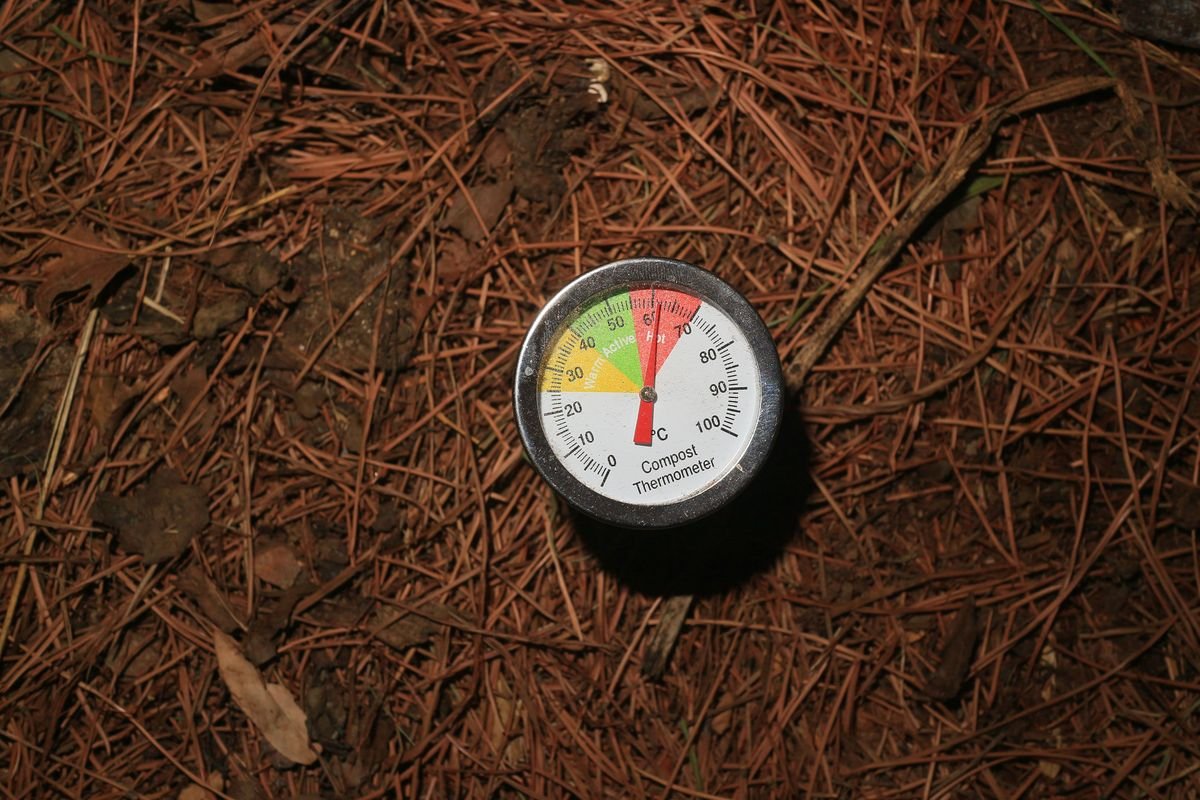
Partially decomposed organic mulch makes an outstanding brown carbon ingredient for home compost heaps.
Healthy compost systems require a balanced ratio of nitrogen-rich green materials and carbon-rich brown materials.
Old wood mulch provides structure and aeration to compost piles, preventing wet food scraps and fresh grass clippings from matting together into a dense, smelly mess.
- Layer one part fresh green waste (kitchen scraps, green prunings) with two parts weathered mulch.
- Moisten the pile with water so it feels like a wrung-out sponge.
- Turn the heap every two weeks to distribute oxygen and speed up microbial breakdown.
Because the wood has already started decomposing, it will break down into finished compost much faster than fresh, hard timber shavings.
Layering Old Mulch into Raised Garden Beds
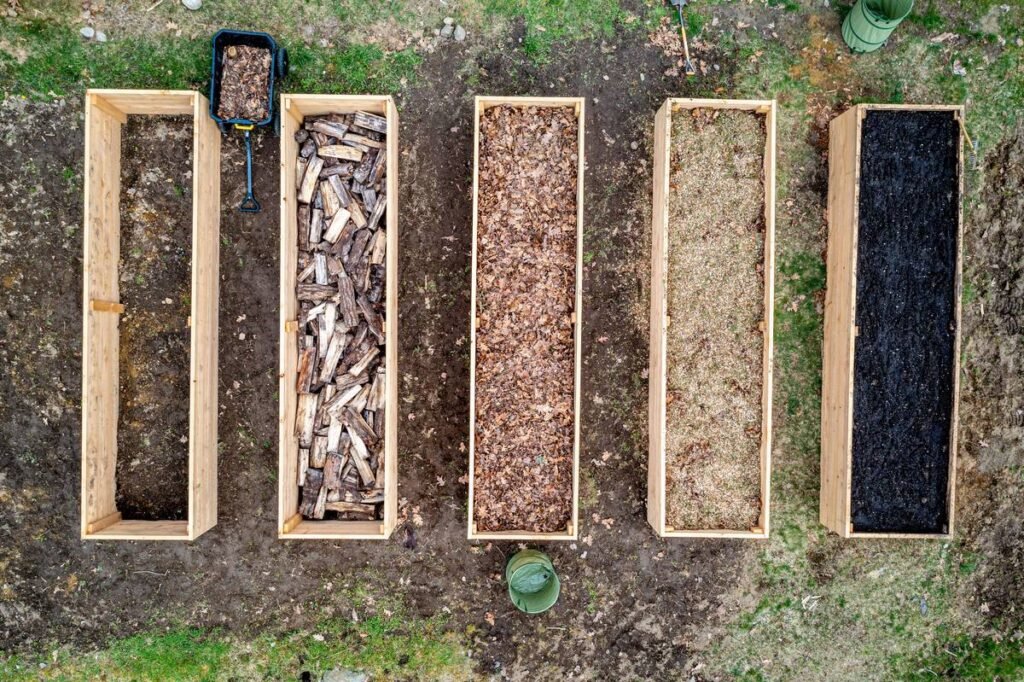
Filling a brand new raised garden bed entirely with premium bagged potting soil can be expensive. Using old mulch as a foundational bulk filler is a cost-effective strategy inspired by traditional hugelkultur gardening practices.
Rake up your aged, coarse wood mulch and shovel it into the bottom third of your raised garden box. This lower layer provides excellent drainage while slowly rotting beneath the soil, holding moisture like a sponge during hot summer months.
Keep in mind that raw wood chips can tie up available nitrogen as microorganisms work to break them down. To prevent nutrient deficiencies in your vegetables, add a generous layer of nitrogen-rich compost or well-rotted manure directly over the wood mulch before topping the bed with your planting mix.
Shallow-rooted crops like lettuce, radishes, and leafy herbs will thrive in these layered beds during the first season.
Establishing Low Maintenance Garden Pathways
Creating dedicated walkways through vegetable plots, berry patches, and service areas prevents soil compaction in your planting rows. Old organic mulch makes an ideal surface material for casual garden trails.
Spread aged wood chips or straw at a depth of two to three inches between raised beds or down rows. This mulch pathway suppresses opportunistic weeds, cushions footsteps, and keeps your boots free from thick mud after heavy rains.
Over the course of a growing season, the pathway mulch will continue to decompose under foot traffic. At the end of the year, you can simply shovel the well-trodden, broken down material directly into your vegetable beds as soil enrichment, then lay down a fresh layer of weathered mulch for the next season.
Preventing Soil Erosion on Slopes and Edges
Bare soil on slopes and along fence lines is highly vulnerable to rain runoff, wind erosion, and foot traffic from pets. Weathered mulch acts as a natural protective blanket that absorbs water impact.
Spread your leftover decomposed mulch across thinning hillsides or along perimeter ditches where dogs run.
The irregular texture of shredded bark locks together, slowing down surface runoff and allowing rainwater to soak deep into the subsoil rather than washing away your topsoil.
For steep inclines, combine old mulch with rough landscape netting or fallen branches staked horizontally across the slope. This anchors the mulch in place until deep-rooted groundcovers or native grasses can take hold.
Amending Container and Potted Plant Soil
Old mulch that has broken down into fine, spongy bits can serve as a beneficial soil conditioner for outdoor container planters. It improves moisture retention and loosens dense soil mixtures.
Mix finely decomposed bark chips into your potting blend at a ratio of about ten to twenty percent. This creates air pockets around root zones, promoting healthy capillary action and preventing soil compaction in large patio tubs.
If you have old inorganic materials like pea gravel or rubber mulch, do not mix them into the potting soil. Instead, use a two-inch layer at the very bottom of large decorative pots.
This adds essential ballast to keep top-heavy potted trees from blowing over during summer storms without wasting expensive potting compost.
Creating Sheet Mulch Layers for New Beds
If you plan to convert a section of lawn or weed-choked yard into a new flower border, sheet mulching (also known as lasagna gardening) saves hours of backbreaking digging.
Start by laying down overlapping layers of plain brown cardboard or several sheets of newspaper over the grass to block sunlight. Then, shovel a thick four-to-six-inch layer of your old mulch directly on top of the cardboard.
Over the course of several months, the smothered grass beneath will die and decompose. The old mulch layer above retains moisture and speeds up the breakdown of the cardboard.
By the following planting season, you will have loose, weed-free, worm-rich soil ready for planting without ever turning a shovel of sod.
Protecting Tree Roots and Winter Plants
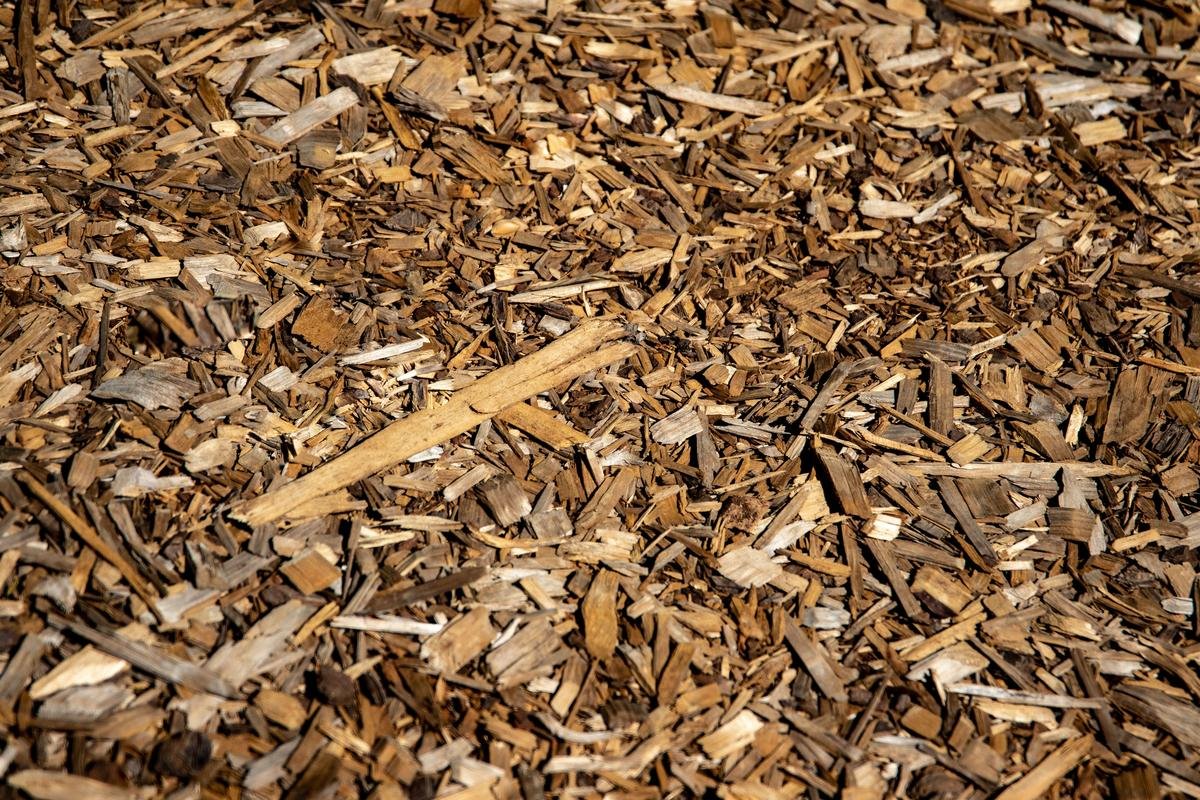
Mature trees and delicate perennials often suffer from rapid temperature swings and frost heaving during early winter. Old mulch makes a wonderful thermal insulator for tender root systems.
Spread a three-inch ring of old mulch around the drip line of young fruit trees and ornamental shrubs in late autumn. Make sure to pull the mulch four to six inches away from the trunk itself to prevent trapped moisture against the bark.
You can also shovel weathered mulch over the crowns of dormant perennials like hostas, peonies, and strawberries once the ground freezes. This insulating blanket keeps the soil consistently cold, preventing premature spring bud emergence during temporary warm spells.
Repurposing Inorganic and Rubber Mulch
Synthetic mulches require different creative upcycling approaches because they will not break down in a compost pile. Rubber mulch, often used under children’s playground sets, remains durable for many years.
If you are dismantling a play area, consider these functional uses for cleaned rubber mulch:
- Rinse the rubber nuggets in a wheelbarrow with drainage holes and use them as impact padding under backyard gym setups or workbenches.
- Stuff heavy-duty canvas covers or outdoor beanbag shells with cleaned rubber mulch for weather-resistant patio cushions.
- Use rubber mulch as permanent underlayment beneath backyard utility sheds where organic matter would attract termites and moisture rot.
If you simply want it gone, post the rubber mulch on local community swap boards. Many homeowners and daycares gladly haul away free safety surfacing.
Identifying Rotten or Diseased Mulch
While most weathered mulch is safe and beneficial to reuse, there are situations where old mulch should not be added to your garden beds or compost piles. Introducing diseased or contaminated material can spread plant pathogens.
Inspect your mulch for signs of serious contamination before moving it around your property. If the mulch sat around plants that suffered from aggressive fungal blights, verticillium wilt, or bacterial root rot, the spores can survive within the wood fragments.
Healthy weathered mulch smells like rich forest soil or clean damp wood. If the material smells foul or shows signs of severe contamination, handle it with care and keep it isolated from your productive garden beds.
Dealing with Sour Mulch Smell
When large piles of wet mulch sit packed tightly without oxygen, anaerobic bacteria take over the decomposition process. This produces volatile organic acids with an unmistakable stench.
Sour mulch often smells like vinegar, rotten eggs, ammonia, or silage. If you spread sour mulch directly around living plants, the concentrated acids and low pH can burn foliage and kill young roots within days.
Fortunately, sour mulch is easy to fix. Spread the material out in a thin two-inch layer on a sunny driveway or tarp. Rake and turn it daily for three to five days so oxygen can circulate. Once the sharp odor disappears and smells like normal damp earth, it is completely safe to use around plants.
Managing Mold and Fungus Growth
It is completely normal to see harmless fungi, such as bird nest fungus, slime molds, or artillery fungi, growing in moist wood mulch. In fact, these organisms are proof that natural decomposition is actively taking place.
Harmless saprophytic fungi break down dead lignin and cellulose, turning tough wood fibers into plant-available nutrients. They rarely harm healthy living shrubs or trees.
However, if dense white mycelial mats have formed a hard, water-repellent crust (known as hydrophobic mulch), water will run off the surface instead of penetrating to plant roots. Break up these crusts with a garden rake or pitchfork to restore proper air and water infiltration.
Safe Disposal Methods for Contaminated Mulch
When old mulch has been contaminated by chemical spills, motor oil, industrial wood treatments, or virulent plant viruses, it must be removed from your garden entirely.
Bag the contaminated material in heavy-duty yard waste contractor bags and contact your municipal waste authority. Many cities have dedicated commercial composting facilities that generate internal temperatures hot enough (above 140 degrees Fahrenheit) to neutralize most common pathogens.
Never dump contaminated wood mulch in natural waterways, public parklands, or drainage ditches where toxic runoff could damage local ecosystems or native wildlife.
Can You Burn Old Garden Mulch
Gardeners sometimes consider burning piles of unwanted, dry wood mulch in a fire pit or incinerator. Whether this is a viable option depends on local fire regulations and the source of the wood.
If open burning is permitted in your municipality, only burn natural, untreated wood mulch that is completely dry. Wet mulch creates excessive, choking smoke that will irritate neighbors and deposit soot across your yard.
Never burn dyed mulch, rubber mulch, or wood sourced from treated pallets and construction timber. Pressure-treated wood often contains chemical preservatives like chromated copper arsenate (CCA) or copper azole, which release toxic fumes and leave hazardous chemical residues in the ash.
Best Practices for Long Term Mulch Management
Managing garden mulch efficiently saves money, conserves organic matter, and protects the health of your soil over many seasons. A proactive approach keeps your landscaping looking tidy without wasteful annual replacements.
Instead of scraping away entire mulch layers every spring, practice selective replenishment. Use a metal bow rake to gently loosen the existing top layer, breaking up any crusts and exposing unbleached wood beneath.
Add only a thin one-inch refresher layer of fresh mulch on top to restore color and depth. This maintains an ideal total depth of two to three inches while allowing the bottom layer to naturally rot into the underlying soil, continuously boosting your garden fertility year after year.
Is Your Old Mulch Usable or Ready for Disposal
Answer 4 quick questions to see your result