Walking through a neighborhood or orchard in late summer often brings a delightful sight of branches heavy with colorful fruit. Sometimes those fruits look like miniature versions of the crisp apples you buy at the grocery store. You might wonder if those tiny fruits are simply young apples or an entirely different plant.
Crabapples and traditional culinary apples belong to the very same plant family, yet they serve very different purposes in your landscape and kitchen. Understanding how these two trees differ in fruit size, flavor, tree care, and ornamental value will help you decide which one deserves a permanent spot in your garden.
Understanding the Botanical Relationship
Both crabapples and regular eating apples belong to the genus Malus, which is part of the broader rose family (Rosaceae). Because they share the exact same genus, botanists classify them as close cousins rather than completely separate species.
The scientific line between what constitutes an apple and what constitutes a crabapple is surprisingly simple. It is entirely based on the diameter of the mature fruit.
If the mature fruit grows to two inches in diameter or smaller, it is officially classified as a crabapple. If the fruit grows larger than two inches across, it is classified as a standard culinary or dessert apple.
Because of their genetic kinship, these two trees share many physical characteristics. They both produce five-petaled blossoms in spring, possess similar ovate leaves with serrated margins, and develop pomes that carry seeds in a central core.
Differences in Fruit Size and Appearance
The most obvious distinction between the two fruits is their physical scale.
Standard apples produce large, heavy fruits that typically measure between two and a half to four inches across. They have thick, fleshy pulp designed to provide a hearty snack or fill a baking dish.
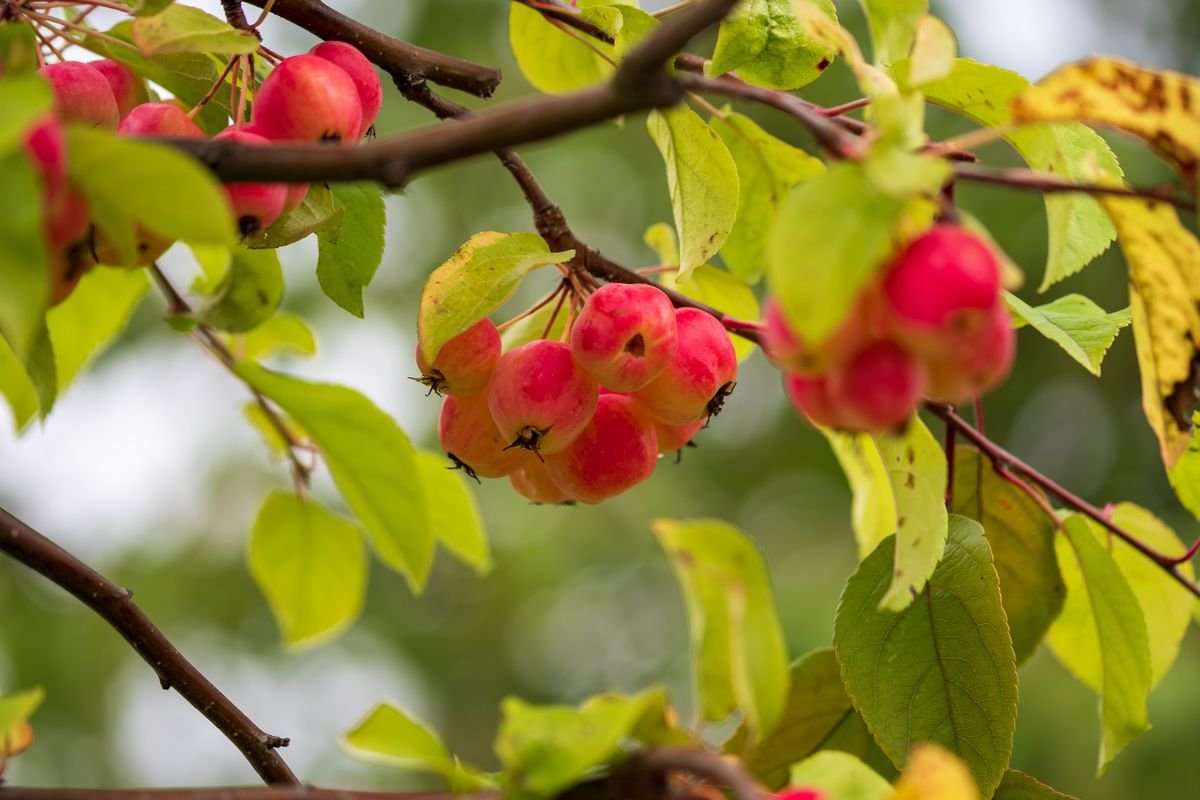
Crabapples remain petite throughout their life cycle. Many ornamental varieties produce berries the size of marbles, measuring barely half an inch across.
Even the largest culinary crabapple varieties rarely exceed two inches in diameter.
In terms of color, both fruits offer a stunning spectrum of shades. You can find crabapples and standard apples in brilliant crimson, deep burgundy, golden yellow, and bright green. However, crabapples often hang in dense clusters along the stems, resembling vibrant bunches of cherries against the autumn foliage.
Flavor Profiles and Kitchen Uses
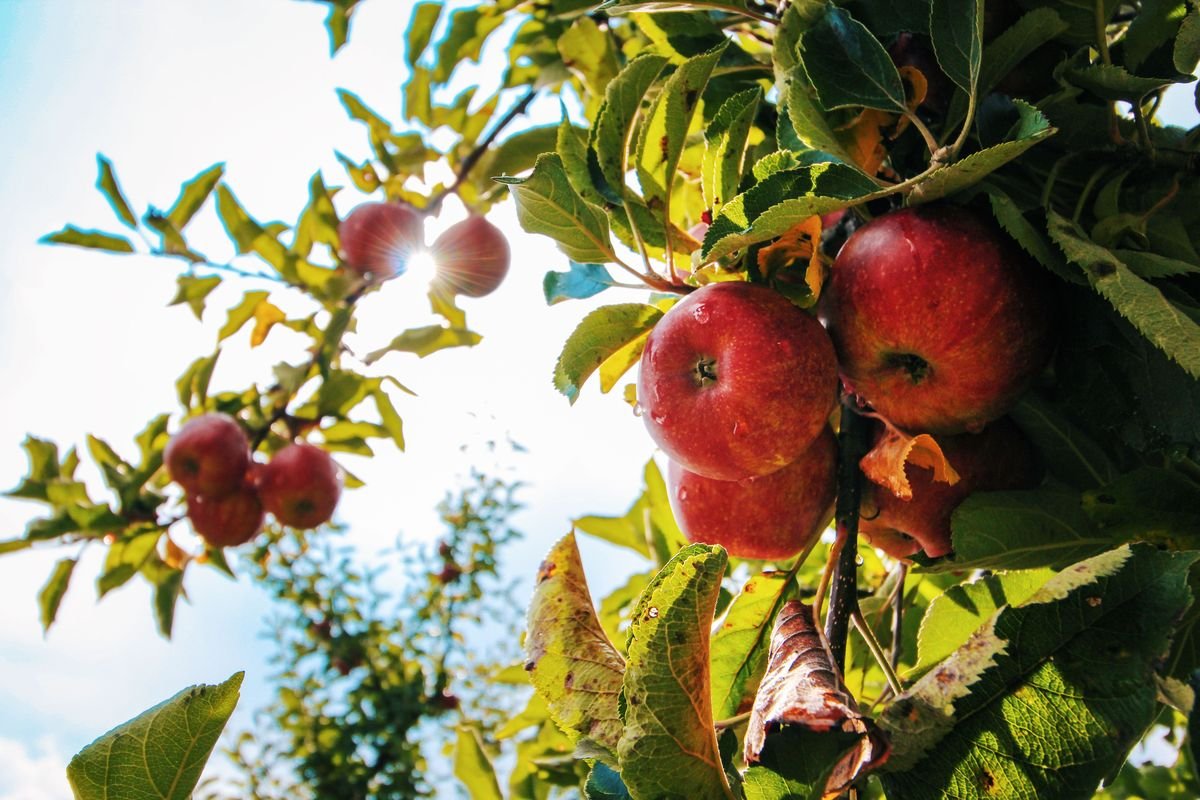
Taste is another major area where these two fruits diverge significantly. Culinary apples are bred specifically for sweetness, crisp texture, and balanced acidity, making them delicious to eat fresh from the branch.
Crabapples are notorious for their mouth-puckering tartness. They contain high levels of malic acid and tannins, which create an astringent and sour bite.
While eating most wild crabapples raw might leave your mouth dry, you should not overlook their incredible culinary value.
Crabapples are naturally packed with pectin and acid. This makes them ideal for making firm, clear jellies, spiced preserves, and fruit chutneys without needing commercial pectin additives.
- Standard apples excel at fresh eating, baking pies, making applesauce, and pressing sweet cider.
- Crabapples shine in artisan jams, pickled spiced fruit, fruit leathers, and hard cider blends where their natural tannins add depth and body.
- Certain sweet crabapple cultivars can be eaten raw when fully ripe after a light frost.
Tree Size and Growth Habit
The physical structure of the trees can differ depending on the rootstock and cultivation history.
Standard full-size apple trees can grow up to thirty feet tall and broad if grown on standard rootstock, though backyard growers usually choose dwarf or semi-dwarf varieties that stay between ten and fifteen feet.
Crabapple trees generally maintain a more compact, decorative stature naturally. Most landscape crabapples reach heights of fifteen to twenty feet with an attractive rounded, spreading, or weeping canopy.
Because regular apple trees must support heavy, dense crops of large fruit, their branches tend to be stouter and require regular structural pruning.
Crabapple branches are often more delicate and twiggy, forming dense canopies that offer exceptional nesting cover and shelter for songbirds.
Spring Blossom Displays
Both trees put on a spectacular floral show in the spring, but crabapples are legendary for the sheer density and drama of their blooms.
Standard apple trees produce soft white flowers, often tinged with pale pink at the edges, that open over a period of one to two weeks.
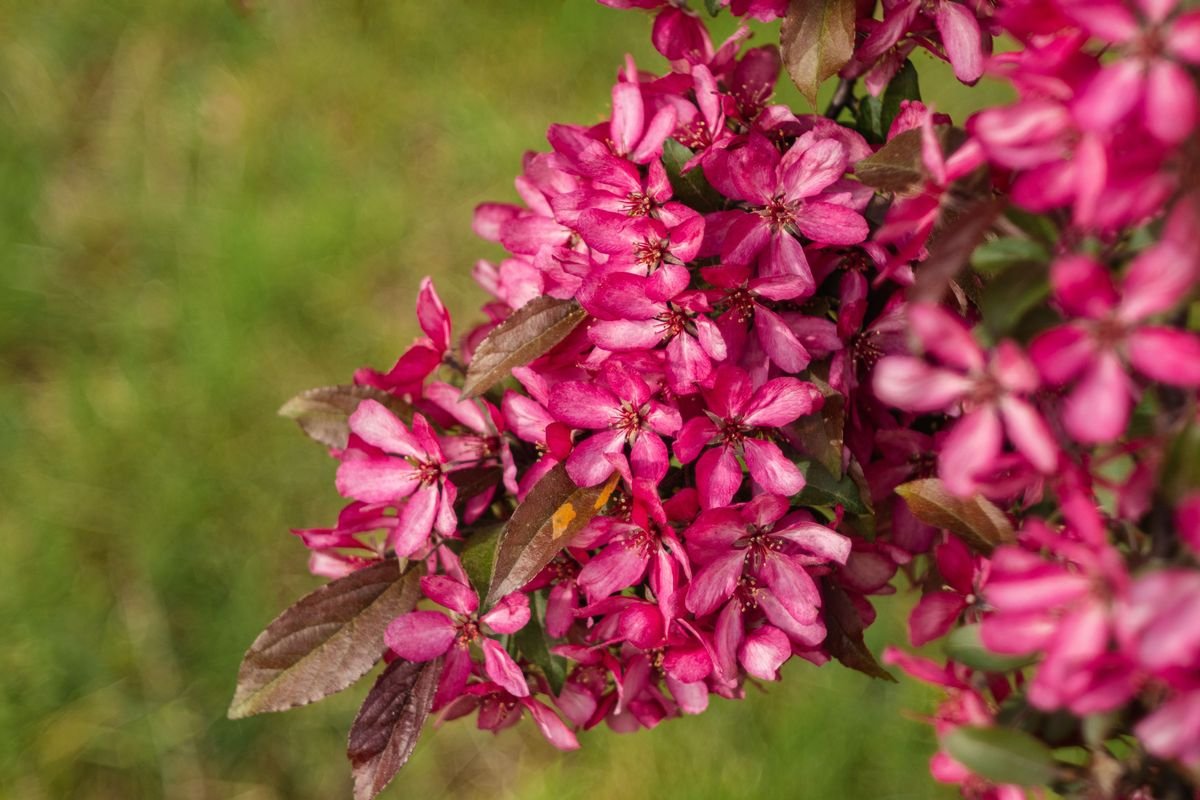
Crabapple trees are extensively bred for ornamental landscape appeal. Their blossoms come in dazzling hues of pure snow white, soft blush, coral pink, vibrant magenta, and deep ruby red.
During peak bloom, a crabapple tree can become completely smothered in flowers, hiding nearly all of the underlying bark and emerging foliage.
Many crabapple varieties also feature deep bronze or reddish-purple spring foliage that creates a striking contrast against their colorful petals.
Pollination and Garden Benefits
One of the most fascinating aspects of crabapples is their role as universal pollinators in commercial and home orchards.
Most apple trees are self-sterile, meaning they require pollen from a genetically distinct tree blooming at the exact same time to set fruit.
Crabapples produce abundant, pollen-rich flowers that stay open over an extended blooming window.
Because they belong to the same genus, crabapple pollen is fully compatible with regular apple blossoms.
Orchardists frequently plant crabapple trees along the edges of apple orchards or graft crabapple branches directly onto dessert apple trees. This ensures that foraging bees transfer plenty of viable pollen to the commercial crop, leading to larger harvests and better fruit set.
Care and Maintenance Requirements
When it comes to everyday maintenance, crabapples are generally far more resilient and forgiving than regular dessert apples.
Standard apple trees require disciplined seasonal management. You must prune them yearly to maintain an open canopy for sunlight penetration, thin out excess young fruit to avoid branch breakage, and apply organic or conventional sprays to keep fruit free from blemishes.
Crabapple trees require very little routine intervention once established in your yard.
They thrive in standard garden soil with good drainage, tolerate moderate drought conditions, and rarely need fruit thinning because their small fruits do not weigh down branches.
Pruning a crabapple is primarily a matter of removing dead, diseased, or crossing branches in late winter to preserve the natural silhouette of the tree.
Pest and Disease Resistance
Disease susceptibility is an important factor to consider before planting any member of the Malus family.
Both tree types can face common ailments such as apple scab, cedar apple rust, fire blight, and powdery mildew.
Standard apple cultivars vary widely in their natural defenses, and many beloved heirloom varieties require regular monitoring and protective treatments to stay productive.
Modern ornamental crabapples have been rigorously bred and selected for robust genetic disease resistance.
By selecting modern, disease-resistant crabapple varieties, you can enjoy clean foliage and healthy fruit all season long without the need for constant chemical or organic spray routines.
Popular Crabapple Varieties to Consider
If you decide to plant a crabapple tree, you will find varieties tailored for visual impact, culinary utility, or both.
Here are some outstanding crabapple cultivars that perform well in home landscapes:
- Whitney: An heirloom variety that yields sweet, two-inch fruits that can be eaten straight from the tree, pickled, or pressed for cider.
- Centennial: A compact tree producing crisp, sweet-tart fruit that is delicious for snacking and cold-hardy down to northern regions.
- Prairifire: A celebrated ornamental tree with vivid magenta blossoms, reddish-purple new foliage, and exceptional resistance to common foliar diseases.
- Sugar Tyme: An elegant white-flowering crabapple with long-lasting red fruit that persists on the tree well into winter, feeding local wildlife.
- Royal Gem: A dwarf selection perfect for smaller yards, featuring deep pink blossoms and compact branching.
Selecting the Best Tree for Your Space
Choosing between an apple tree and a crabapple tree ultimately depends on your landscape goals, available space, and personal preferences.
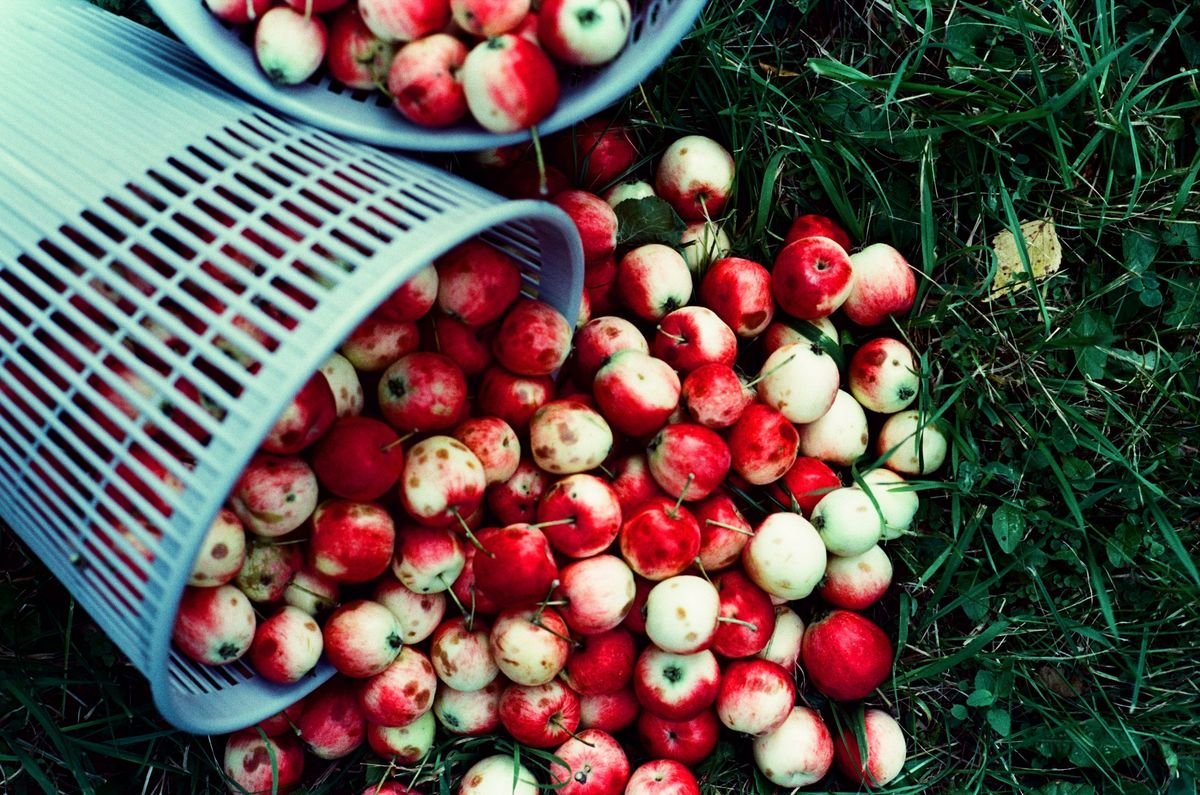
If your primary motivation is growing fresh, sweet fruit for your family to enjoy directly from the branch or bake into homemade pies, a standard dessert apple tree is the right match.
Just be prepared to commit to regular pruning, pest management, and planting a compatible cross-pollination partner nearby.
If you want a low-maintenance landscape tree that delivers four seasons of visual beauty, stunning spring flowers, winter interest, and support for native wildlife, a crabapple is hard to beat.
Homeowners with adequate space often plant both. A single crabapple tree can serve as a gorgeous ornamental focal point in the front yard while simultaneously boosting fruit production on your backyard eating apple trees.