
Every thriving garden starts beneath the surface. While lush foliage and vibrant blooms get all the attention, the real work happens in the dark, crumbly earth beneath your boots. Soil is far more than simple dirt that holds roots upright. It is a living, breathing ecosystem filled with billions of microscopic organisms, mineral particles, and vital pockets of air and water.
When you invest time into building fertile, balanced soil, your plants reward you with greater vigor, abundant harvests, and strong resistance to common pests and diseases. The most sustainable and rewarding way to achieve this vitality is through organic soil amendments.
What Soil Health Means for Your Garden
Soil health refers to the ongoing capacity of earth to function as a living ecosystem that sustains plants, animals, and humans. Healthy ground balances three distinct components: physical structure, chemical nutrient balance, and biological activity.
When soil is in peak condition, it feels loose, friable, and pleasantly earthy to the touch. It holds onto moisture without ever becoming soggy, and it allows delicate root hairs to push through without meeting brick-like resistance.
Poor soil, on the other hand, often suffers from heavy compaction, poor drainage, or severe nutrient depletion. Without intervention, plants growing in poor soil struggle to absorb water, turn pale, and become vulnerable to opportunistic pests.
The Power of Soil Microorganisms
A single teaspoon of rich garden soil contains more living microorganisms than there are people on Earth. These microscopic allies include beneficial bacteria, mycorrhizal fungi, protozoa, and nematodes.
Rather than causing harm, the vast majority of these soil organisms work tirelessly on behalf of your plants. They consume raw organic debris and convert trapped minerals into bioavailable nutrients that roots can easily absorb.
Fungal networks even attach directly to plant root systems, extending their reach deep into the ground to gather moisture and trace elements in exchange for plant sugars. Cultivating these underground allies creates a natural defense shield against harmful root pathogens.
Why Organic Matter Is Essential
Organic matter consists of decomposed plant residues, animal manures, and the living microbes that break them down over time. It is the single most transformative ingredient you can add to any garden bed. Adding organic matter delivers several major benefits to your growing space:- It breaks up dense clay soil to improve aeration and drainage.
- It glues together loose sandy particles to boost moisture retention.
- It provides a slow, steady release of essential plant food.
- It buffers soil against sudden pH swings.
- It prevents topsoil erosion from heavy rains and wind.
What Are Organic Soil Amendments
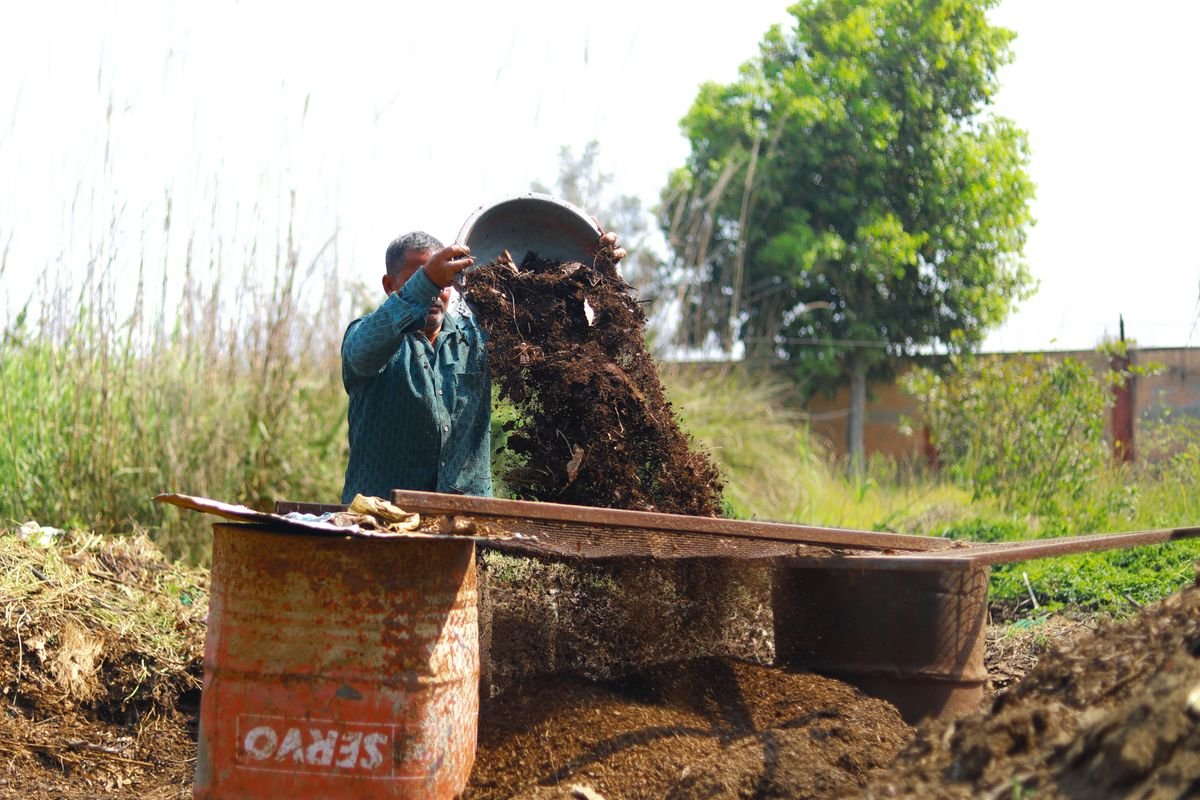
Organic soil amendments are naturally derived materials mixed into the ground to improve its physical and biological qualities. Unlike synthetic chemical fertilizers, which offer a quick burst of isolated salts, organic amendments focus on feeding the soil ecosystem as a whole.
These materials break down gradually, providing sustained nourishment without burning sensitive roots or leaching into local waterways.
Amendments can target specific deficiencies, such as low calcium or tight compaction, or they can provide broad spectrum enhancement to overall soil biology.
Finished Compost for Microbial Life
Compost is widely known as ‘black gold’ among experienced gardeners, and for good reason. It is the ultimate all-purpose amendment, created through the aerobic decomposition of kitchen scraps, yard waste, and leaves.
High-grade compost introduces billions of active microbes into your soil while supplying a well-rounded buffet of primary nutrients and trace minerals.
It works wonders in both native garden beds and container pots. You can build your own compost pile in a backyard corner or purchase certified organic bulk compost from reputable local landscape suppliers.
Aged Livestock Manure for Nitrogen
Manure from herbivores like cows, horses, sheep, and chickens provides a substantial dose of organic matter alongside rich concentrations of nitrogen and potassium.
It is critical to use only well-rotted or fully composted manure in your garden. Fresh manure contains high levels of ammonia that can scorch plant tissues, and it may harbor weed seeds or unwanted bacteria.
Aged manure should smell earthy rather than foul. When properly seasoned, it acts as a gentle, slow-release fertilizer that fuels rapid vegetative growth in leafy crops and heavy-feeding vegetables.
Leaf Mold for Moisture Retention
Leaf mold is formed by the slow, cool fungal decomposition of deciduous autumn leaves. Unlike traditional compost, which relies on heat and bacteria, leaf mold is created through fungal breakdown over one to two years.
The resulting dark, crumbly substance holds up to five hundred percent of its dry weight in water. Incorporating leaf mold into dry or sandy garden beds drastically reduces how often you need to run your irrigation hoses.
It also provides an ideal habitat for beneficial earthworms, which tunnel through the earth and naturally aerate your planting beds.
Bone Meal for Root Development
Bone meal is a finely ground powder produced from steamed animal bones. It serves as an exceptional natural source of accessible phosphorus and calcium.
Phosphorus is vital during the early stages of plant growth because it stimulates deep root establishment. It also plays a key role in flower formation, fruit set, and seed production.
Because phosphorus moves very slowly through soil profiles, bone meal is best worked directly into the planting hole when setting out young transplants, perennial shrubs, or spring flowering bulbs.
Kelp and Seaweed for Trace Minerals
Harvested ocean kelp and seaweed provide more than sixty micronutrients, growth hormones, and beneficial enzymes that land-based plants rarely encounter.
While seaweed contains relatively small amounts of standard nitrogen, phosphorus, and potassium, its true value lies in plant resilience. Regular additions of kelp meal help plants withstand environmental stresses such as drought, intense heat waves, and sudden cold snaps.
Kelp also encourages vigorous root branching and enhances the overall flavor and nutrient density of homegrown edible crops.
Worm Castings for Gentle Nutrients
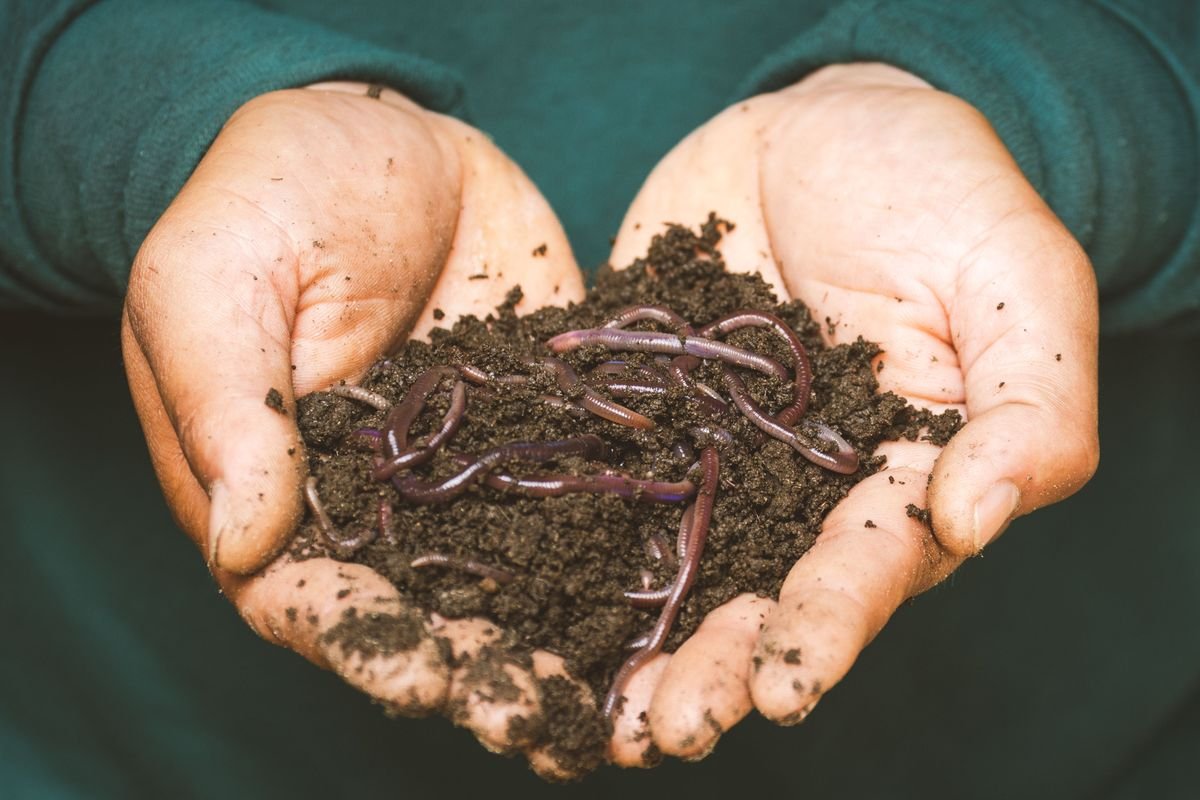
Worm castings, also known as vermicompost, are the digested waste produced by earthworms. They are gentle, odorless, and packed with plant-ready enzymes and beneficial bacteria.
Castings are virtually impossible to overapply because they will never burn tender root systems. They improve soil structure and contain natural humic acids that help roots absorb locked-up minerals with ease.
You can blend a handful of worm castings directly into potting mixes, top-dress indoor houseplants, or add them generously to your outdoor vegetable rows.
Testing Your Garden Soil First
Before purchasing amendments, it is wise to perform a comprehensive soil test. Adding amendments blindly can lead to mineral imbalances or push your soil pH too far in one direction.
A simple laboratory soil test reveals your soil texture, organic matter percentage, current pH level, and exact concentrations of primary and secondary nutrients.
Most university agricultural extensions offer inexpensive testing kits. Once you understand what your native earth already contains, you can choose specific amendments with total confidence.
Preparing Your Beds for Amendments
Proper bed preparation ensures that your chosen amendments integrate smoothly where roots can reach them. Begin by clearing away persistent perennial weeds, rocks, and thick surface debris.
Avoid heavy motorized tilling if your soil is already loose, as aggressive churning can destroy delicate fungal networks and disrupt earthworm tunnels.
Instead, use a broadfork or sturdy garden fork to gently crack open compacted ground to a depth of eight to twelve inches. This simple step creates open channels for oxygen, water, and amendments to settle deep into the root zone.
Applying and Mixing the Materials
Once your beds are prepped, spread bulk amendments like compost, leaf mold, or aged manure in an even layer two to three inches deep across the surface.
Scatter concentrated dry amendments, such as kelp meal or bone meal, across the top according to package recommendations. Use a garden rake or hand cultivator to blend the amendments into the top four to six inches of native earth.
Water the bed thoroughly after application. Moisture activates dormant microbes and kicks off the biological processes that turn raw materials into plant fuel.
Mulching and Ongoing Soil Maintenance
After amending your soil, protect your hard work with a protective layer of organic mulch. A two to three inch blanket of clean straw, shredded leaves, or wood chips keeps the soil cool, limits weed germination, and prevents moisture loss.
As mulch breaks down on the surface, it continuously feeds the soil food web from the top down, mimicking the natural forest floor.
Plan to refresh your organic amendments once or twice a year, ideally in early spring before planting or in late autumn after clearing annual crops. Consistent, gentle maintenance will build rich, dark, and extraordinarily fertile ground that supports thriving plants for seasons to come.
How Healthy Is Your Garden Soil?
Answer 4 quick questions to see your result