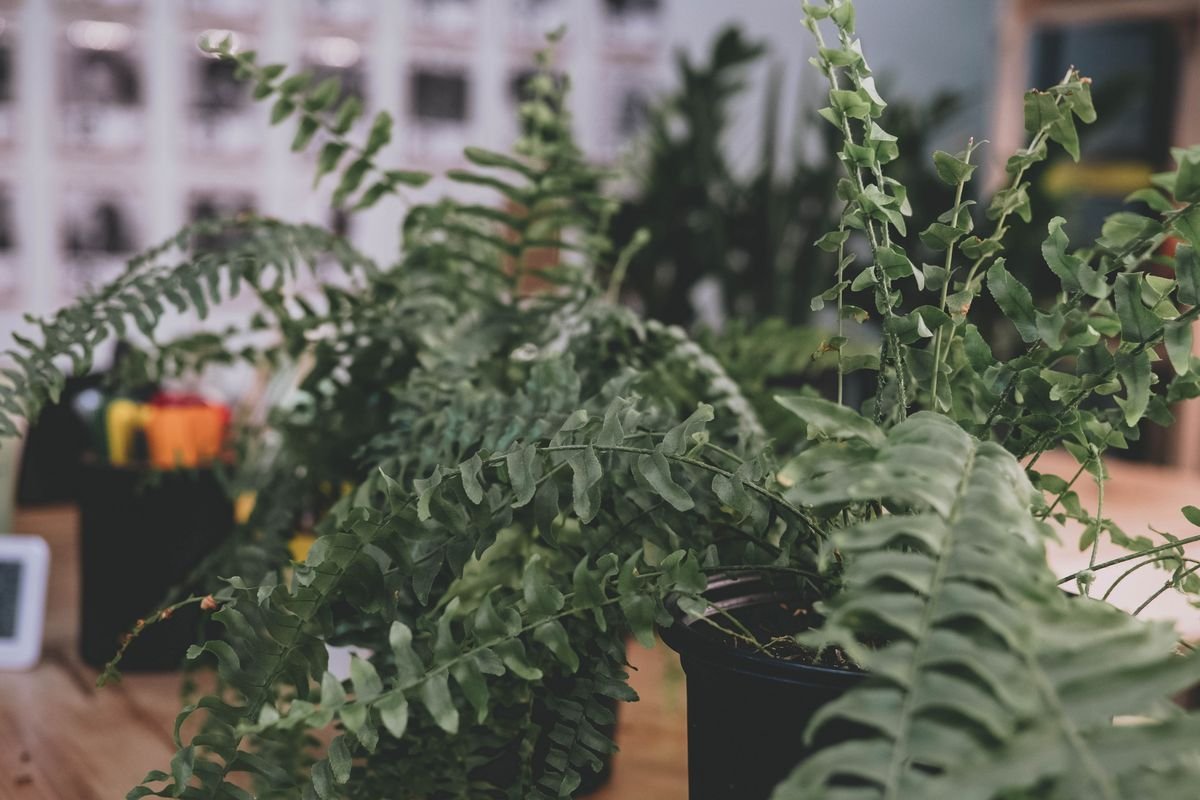
Boston ferns are beloved for their arching, feathery fronds and vibrant green charm. If you have ever tried keeping one in a dry living room, however, you might have noticed brown tips and shedding leaflets within just a few weeks.
That is where your bathroom comes to the rescue. The natural moisture and filtered lighting found in most bathrooms make them an ideal haven for these tropical plants. With the right care routine, your Boston fern will happily transform your washroom into a fresh, relaxing sanctuary.
Why Bathrooms Are Great for Boston Ferns
In nature, Boston ferns grow natively along damp forest floors, shaded swamps, and humid subtropical woodlands. They thrive beneath filtered canopies where the air remains consistently moist and temperatures stay mild.
Most modern living rooms and bedrooms suffer from dry air caused by central heating and air conditioning units. Bathrooms provide an instant microclimate that closely mirrors a fern’s native home.
Every warm shower releases clouds of ambient steam that hydrate the delicate foliage. This extra moisture stops leaflets from turning crispy and keeps your plant looking vibrant year-round.
Humidity Requirements for Lush Fronds
Boston ferns demand high ambient humidity to produce their signature cascading growth. While average indoor air usually sits between 30 and 40 percent humidity, ferns perform best when moisture levels stay between 60 and 80 percent.
When relative humidity drops too low, the tiny leaflets dry out, turn brittle, and drop off in large numbers.
A bathroom naturally elevates humidity several times a day. This environment gives your fern the steady moisture it craves without requiring you to spray it constantly with a hand mister.
How to Increase Humidity Naturally
Even in a bathroom, moisture levels can dip during dry seasons or when the room is not used frequently. You can easily boost the moisture around your fern using simple daily habits.
- Place the pot on a shallow pebble tray filled with water, making sure the bottom of the pot sits just above the water level.
- Group your Boston fern alongside other moisture-loving species like pothos, calatheas, or peace lilies.
- Run a small cool-mist humidifier during winter months when indoor heating dries out the air.
- Leave damp towels hanging in the bathroom to release moisture steadily throughout the day.
Getting the Right Amount of Light
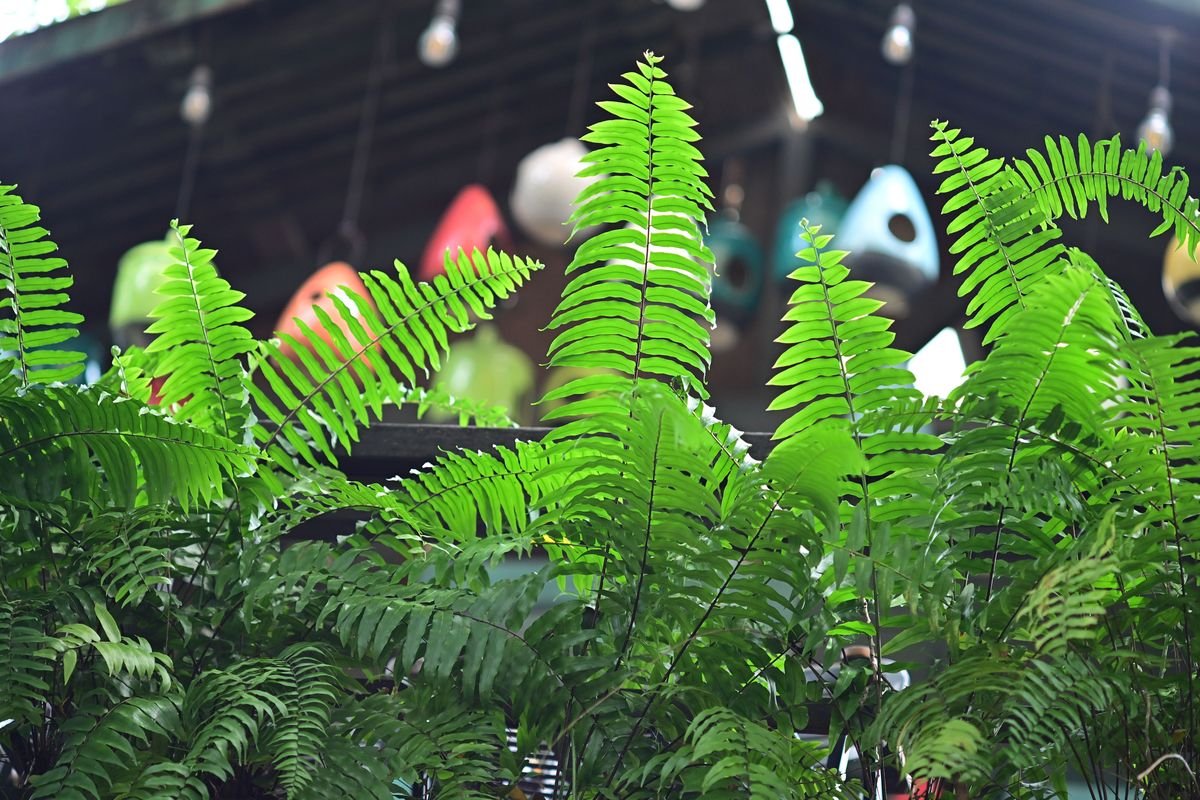
While Boston ferns naturally grow in shaded locations, they still require gentle illumination indoors to photosynthesize and sustain healthy green growth.
Direct, harsh sunlight is a major hazard for these plants. Intense sunbeams will scorch the fragile leaflets, leaving behind pale, bleached patches and brittle brown margins.
The sweet spot is medium to bright indirect light. A bathroom window covered with frosted glass or a light curtain provides the perfect diffused glow for your plant.
Managing Bathrooms with No Windows
Many apartment bathrooms and interior powder rooms lack natural windows entirely. While a Boston fern cannot survive permanently in complete darkness, you can still make it work.
One convenient solution is installing a small full-spectrum LED grow bulb into an existing overhead fixture or wall sconce. Run the light on an automatic timer for 8 to 10 hours each day.
Another effective strategy is plant rotation. Keep your fern in the humid bathroom for four or five days, then move it to a brightly lit room for a couple of days to replenish its energy.
Ideal Temperature Range
Boston ferns prefer comfortable, steady temperatures that mirror their tropical origins. They grow best in temperatures ranging between 65 and 75 degrees Fahrenheit.
Sudden temperature swings can cause stress. Drafts from poorly sealed windows or chilly exhaust vents can trigger rapid leaf shedding.
Avoid placing your fern near direct heat sources, such as wall heaters or radiator covers. Consistent, moderate warmth is the key to steady growth.
Proper Watering Routine
The key to watering a Boston fern is keeping the soil uniformly moist without letting it become waterlogged.
During the warm spring and summer months, check your plant every two to three days. Water thoroughly whenever the top half-inch of the potting mix feels dry to your fingertip.
In the winter months, your fern enters a period of slower growth. Allow the top inch of soil to dry slightly before offering more water, and always empty drip trays so the roots never sit in standing water.
Signs of Overwatering and Underwatering
Finding the perfect watering rhythm can take some time. Fortunately, the plant sends clear signals when moisture levels are out of balance.
- Underwatering signs: Crispy brown fronds, leaflets that crumble easily when touched, and lightweight, shrinking soil that pulls away from the edges of the pot.
- Overwatering signs: Limp yellow fronds near the base, a swampy or sour soil smell, and stems that turn dark and mushy at the crown.
If you spot signs of overwatering, pause your watering schedule immediately and ensure the pot drains freely.
Choosing the Right Soil and Drainage
Standard, heavy garden soil is far too dense for potted ferns and will quickly choke delicate root systems. Your Boston fern requires a light, porous soil mix that retains moisture while allowing excess water to escape rapidly.
A great blend consists of two parts peat moss or coco coir, one part perlite, and one part standard organic potting soil. The peat provides rich moisture retention, while the perlite prevents compaction.
Always use containers with functional drainage holes. Glazed ceramic pots and plastic hanging baskets work wonderfully because they hold moisture longer than porous terracotta.
Air Circulation and Ventilation Needs

While high humidity is wonderful for ferns, stale, stagnant air is not. Enclosed bathrooms with zero air movement can encourage fungal leaf spot, mold, and rot.
Good airflow helps fresh oxygen reach the root zone and allows foliage to dry out slightly between steamy showers.
Run your bathroom exhaust fan for 15 minutes after showering, or leave the bathroom door slightly ajar. This habit keeps fresh air moving through the room without stripping away all the beneficial humidity.
Hanging vs Shelf Placement
How you position your fern in the bathroom influences both its visual appeal and its overall health. Boston ferns produce wide, arching fronds that look best when allowed to drape freely.
A hanging macrame planter or ceiling hook is an ideal display option. Hanging keeps the delicate leaves away from wet countertops and protects the pot from accidental bumps.
If you prefer keeping your fern on a vanity, ledge, or floating shelf, make sure there is ample clearance around the plant so the outer fronds do not press flat against mirrors or walls.
Routine Pruning and Maintenance
Regular grooming keeps your Boston fern compact, bushy, and attractive. Over time, older outer fronds will naturally turn yellow or brown as fresh fiddleheads emerge from the crown.
Use clean, sharp pruning shears to snip aging fronds off as close to the soil line as possible.
Removing spent foliage improves light penetration into the center of the crown and encourages the plant to direct its energy into producing fresh, healthy fronds.
How to Repot a Rootbound Fern
Boston ferns are vigorous growers that can quickly fill their containers with a thick web of roots.
When you notice roots pushing up against the soil surface, water draining straight through without absorbing, or growth slowing dramatically, your plant is ready for a larger pot.
Select a new container that is one to two inches wider than the old one. Carefully slide the root ball out, loosen the outer roots with your fingers, settle it into fresh potting mix, and water deeply.
Protecting Ferns from Soap and Steam
Bathrooms present a few unique hazards that do not exist in other parts of the home. Direct exposure to boiling hot water, shampoo residue, and cleaning sprays can quickly damage delicate leaves.
Never hang your plant directly inside the stream of a hot shower. While airborne steam is beneficial, hot water droplets can easily scald the fronds.
When cleaning tile or glass with bleach, ammonia, or aerosol sprays, temporarily move your fern out of the bathroom until fumes have dissipated and surfaces are dry.
Common Boston Fern Pests to Watch For
Even in the cozy climate of a bathroom, common houseplant pests can occasionally appear. Catching infestations early makes eradication simple and effective.
- Spider mites: Tiny arachnids that produce fine webbing beneath fronds and leave yellow stippling on leaflets.
- Scale insects: Small, immobile brown bumps that fasten along stems and drain plant sap.
- Fungus gnats: Small black flies that breed in continuously damp surface soil.
If pests appear, wash the fronds gently under lukewarm water and apply a mild insecticidal soap or neem oil spray to resolve the issue.
Is Your Bathroom Ready for a Boston Fern?
Answer 4 quick questions to see your result