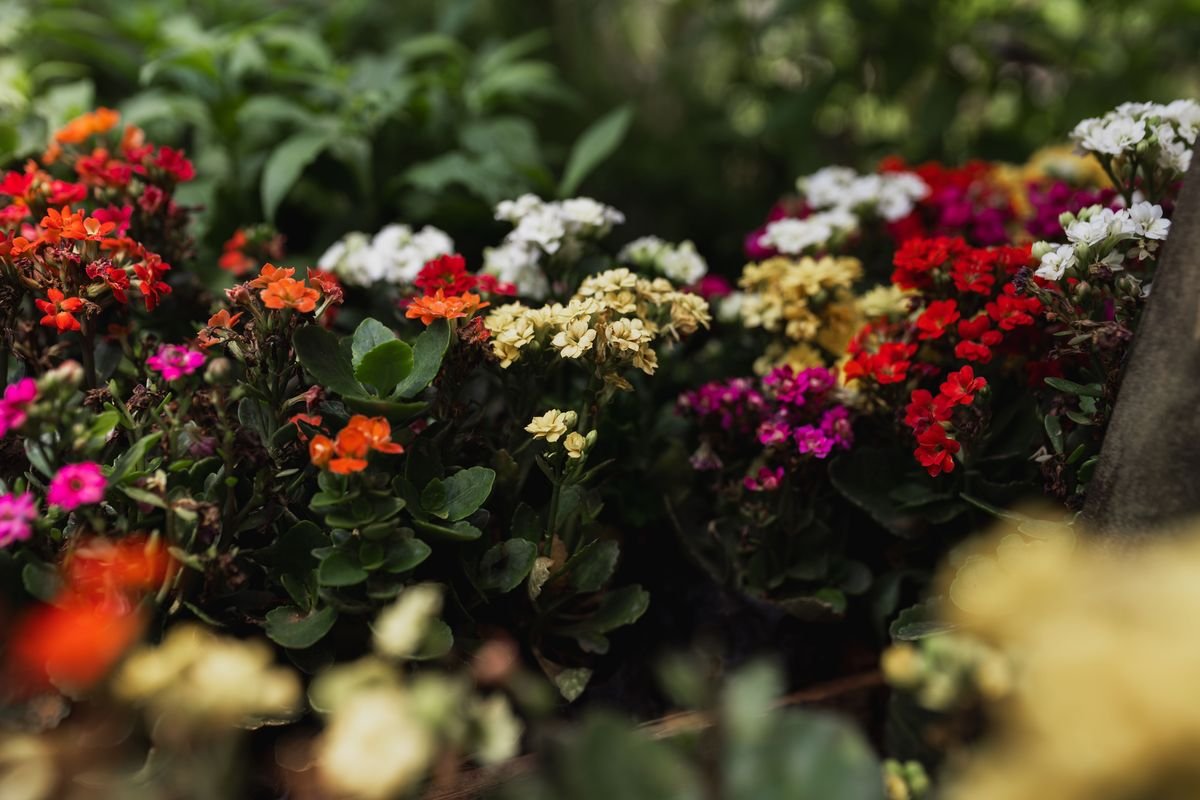
Kalanchoe plants are famous for their glossy green foliage and long-lasting clusters of colorful blooms. While most plant lovers recognize them as cheerful indoor potted plants, many gardeners wonder if these resilient succulents can thrive outside in garden beds, porch planters, or rock gardens.
Whether you can grow kalanchoe outdoors depends almost entirely on your local climate, seasonal temperatures, and soil conditions. With the right outdoor setup, proper sun exposure, and mindful watering, these tropical beauties can make an extraordinary addition to your open-air living spaces.
Understanding Kalanchoe Hardiness
Kalanchoes are native to tropical and subtropical areas, particularly Madagascar and parts of southern and eastern Africa. Because of their evolutionary background, they are adapted to warm climates with distinct dry seasons. In terms of cold tolerance, they are rated primarily for USDA Hardiness Zones 10 through 12, though gardeners in Zone 9b can sometimes grow them outdoors with careful winter microclimate planning.
If you live in an area that experiences freezing temperatures, frost will quickly destroy the cellular structure of kalanchoe leaves and stems. Gardeners in cooler zones can still enjoy them outdoors during warm months, but the plants must either be brought inside before temperatures drop or treated as seasonal annuals.
Temperature Limits for Outdoor Growth
Kalanchoes perform best when ambient outdoor temperatures sit comfortably between 65 and 85 degrees Fahrenheit (18 to 29 degrees Celsius). They can tolerate hot summer afternoons as long as they receive adequate shade during the most intense peak hours.
Problems begin when temperatures drop below 50 degrees Fahrenheit (10 degrees Celsius). Sustained exposure to temperatures under 45 degrees Fahrenheit (7 degrees Celsius) will cause the foliage to discolor, soften, and collapse. Even a light frost will kill an exposed outdoor kalanchoe overnight, which makes diligent monitoring of seasonal forecasts essential.
Finding the Right Sunlight Balance
Getting the light levels right is critical when moving or planting kalanchoe outside. In nature, these plants enjoy bright light, but harsh, direct afternoon sun in midsummer can scorch their thick succulent leaves, causing yellow or bleached patches with brown, crusty margins.
The ideal outdoor location provides plenty of bright, indirect sunlight or direct morning sun followed by filtered afternoon shade. Planting under the canopy of taller garden shrubs, beneath a pergola, or on an east-facing patio creates an optimal lighting balance that encourages abundant flowering without burning the foliage.
Ideal Soil Mix for Outdoor Beds
Like nearly all succulents, kalanchoe roots are prone to rot if they sit in dense, waterlogged soil. Standard garden dirt that contains heavy clay or holds moisture for days will quickly cause root decline and fungal infections.
When preparing an outdoor planting site, amend the soil generously to ensure rapid drainage. You can achieve this by mixing in coarse horticultural sand, pumice, perlite, or crushed gravel along with moderate amounts of well-aged compost. Raised beds, sloping hillsides, and rock gardens are naturally well suited for outdoor kalanchoe because excess moisture drains away rapidly.
Outdoor Watering Guidelines
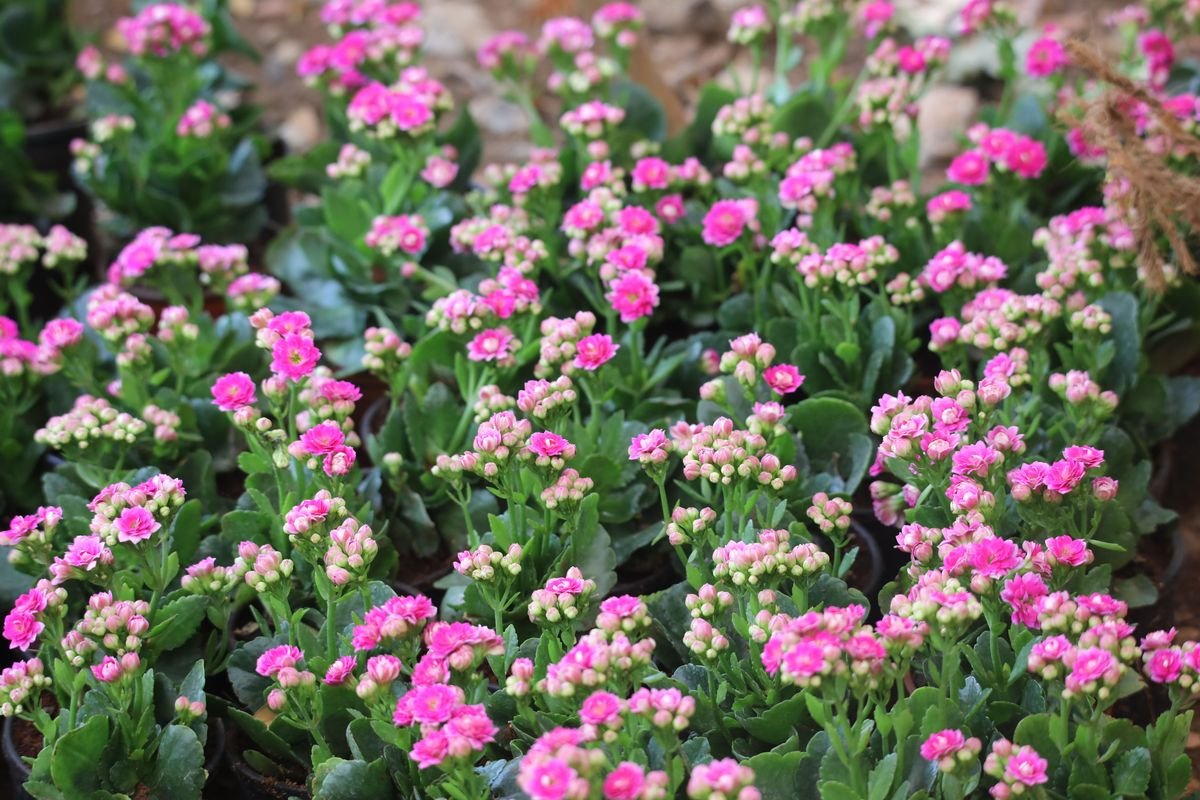
Outdoor kalanchoes require far less water than typical flowering garden perennials. Their thick leaves store moisture efficiently, allowing them to withstand significant dry spells without wilting.
Water your outdoor kalanchoe thoroughly only when the top two to three inches of soil have completely dried out. In hot and arid climates, this might mean watering once a week, while in humid or rainy regions, natural precipitation may be more than enough. Always check the moisture level near the root zone before watering, and never let the base of the plant sit in stagnant puddles.
Fertilizing for Healthy Outdoor Blooms
While kalanchoes are not heavy feeders, an occasional nutritional boost during their active growing season can support lush foliage and prolonged blooming cycles. A balanced, water-soluble fertilizer formulated for flowering plants or succulents works best.
Apply fertilizer at half strength once every three to four weeks from late spring through late summer. Avoid high-nitrogen fertilizers, which promote excessive, weak green growth at the expense of floral buds. As autumn arrives, stop fertilizing entirely so the plant can slow down naturally before cooler weather arrives.
Managing Common Garden Pests
When kept outside, kalanchoes are exposed to a wider variety of garden pests than they would encounter indoors. The most frequent invaders include mealybugs, scale insects, aphids, and spider mites.
- Mealybugs appear as small, white, cottony clusters tucked into leaf axils and beneath flower stems.
- Scale insects look like tiny, immobile brownish bumps attached firmly along stems.
- Aphids gather in dense colonies on tender new growth and fresh flower buds.
- Spider mites leave faint yellow stippling on leaves along with delicate webbing.
You can treat minor infestations by spraying the pests directly with insecticidal soap or horticultural neem oil in the early morning or evening. For small spots, dipping a cotton swab in rubbing alcohol and touching the pests directly removes them quickly without harming the plant.
High Humidity and Leaf Health
Although kalanchoes originate in subtropical climates, excessive ambient humidity combined with stagnant air can cause leaf spotting, powdery mildew, and fungal blights. If relative humidity consistently exceeds 85 to 90 percent, moisture lingers on leaf surfaces and encourages spore germination.
To prevent fungal issues in humid outdoor regions, space plants generously to allow continuous airflow between individual stems. Water directly at the soil line rather than from overhead to keep the leaves dry, and clear away spent flowers and fallen debris promptly to maintain good hygiene around the base.
Popular Kalanchoe Species for Gardens
There are over a hundred species within the Kalanchoe genus, offering a diverse array of shapes, colors, and foliage textures that can enrich an outdoor garden design.
- Kalanchoe blossfeldiana (Flaming Katy): The most popular flowering species, featuring dense clusters of red, pink, yellow, orange, or white flowers.
- Kalanchoe tomentosa (Panda Plant): Known for its fuzzy, silvery leaves edged in chocolate-brown markings.
- Kalanchoe luciae (Flapjack Plant): Produces large, paddle-shaped leaves that turn vibrant ruby red in bright sunlight.
- Kalanchoe daigremontiana (Mother of Thousands): Features tooth-edged leaves lined with tiny plantlets that propagate freely.
- Kalanchoe beharensis (Felt Bush): A larger, shrub-like variety with velvet-textured, wavy foliage suited for dramatic landscaping.
Growing in Pots Versus Ground Planting
Deciding whether to plant your kalanchoe directly in garden soil or keep it in an outdoor container largely depends on your regional climate and gardening goals. Container gardening offers unmatched flexibility for anyone outside the warmest tropical zones.
Growing in pots allows you to use a dedicated succulent potting mix that guarantees perfect drainage. Pots can also be shifted effortlessly around the patio to catch optimal light or shielded under an awning during torrential rainstorms. In contrast, in-ground planting creates seamless landscaping displays in warm climates, allowing root systems to spread out and create fuller, more robust specimen groupings.
Acclimating Indoor Plants to the Outdoors
If you plan to transition an indoor kalanchoe to an outdoor patio or garden bed in spring, never place it into direct sunlight immediately. Indoor plants develop thinner leaf cuticles, and sudden exposure to outdoor ultraviolet light and wind will burn the foliage within hours.
Begin the hardening-off process by placing the potted plant in full outdoor shade for two to three hours each day over the course of a week. Gradually increase the daily outdoor exposure and introduce gentle morning sun over ten to fourteen days. By the end of this transition period, the plant will have thickened its outer leaf layer and adapted smoothly to outdoor life.
Seasonal Outdoor Summer Vacations
Giving indoor houseplants a summer holiday on an outdoor balcony or porch is a wonderful way to rejuvenate their growth. The increased light levels and natural diurnal temperature shifts stimulate vigorous root development and heavy bud set for the coming winter.
Keep summering kalanchoes sheltered from severe storms and hail, which can bruise and tear their brittle fleshy leaves. Before bringing them back indoors ahead of autumn chill, inspect the stems and leaf undersides thoroughly for any outdoor hitchhikers, treating any pests before reintroducing the plant to your indoor collection.
Winter Protection Strategies
If you live in USDA Zone 9b or 10a where brief, light cold snaps occur occasionally, you can protect in-ground kalanchoes using targeted insulation techniques. Preparation is the key to preventing severe frost damage.
Cover vulnerable plants with breathable frost cloth or lightweight burlap before twilight on nights when temperatures are predicted to dip near 40 degrees Fahrenheit. Support the covers with garden stakes so the fabric does not press against the delicate leaves. In the morning, remove the covers as soon as the sun warms the air to prevent heat trapping and condensation buildup.
Toxicity Concerns Around Pets
When selecting an outdoor planting location, consider the safety of household pets and visiting neighborhood animals. Kalanchoe species contain naturally occurring cardiac glycosides, known as bufadienolides, which are toxic to both dogs and cats.
Ingestion of kalanchoe leaves or flowers can lead to gastrointestinal distress, drooling, vomiting, diarrhea, and in severe cases, abnormal heart rhythms or lethargy. If you have curious dogs or outdoor cats, elevate your potted kalanchoes on plant stands, hang them in baskets, or enclose garden beds with decorative fencing to prevent accidental browsing.
Propagation for Outdoor Beds
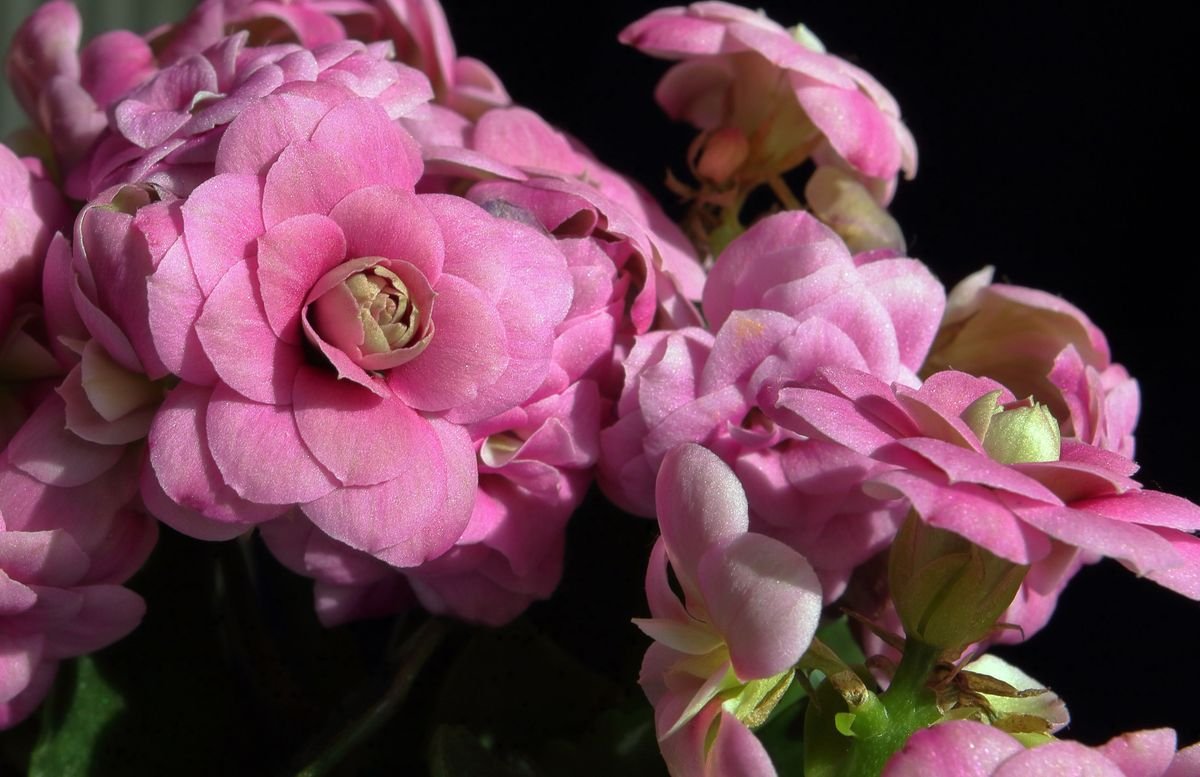
Expanding your outdoor kalanchoe display is simple because these succulents propagate exceptionally well from stem and leaf cuttings. Taking cuttings in late spring gives the new root systems ample warm weather to establish before seasonal changes.
Snip a healthy stem cutting containing three to four leaves using clean pruning shears. Allow the cut end to callous over in a dry, shaded location for two to three days to seal the wound against pathogens. Once calloused, insert the stem into a gritty cactus mix, keep the medium lightly moist, and roots will reliably develop within two to four weeks.
Can Your Garden Support Outdoor Kalanchoe?
Answer 4 quick questions to see your result