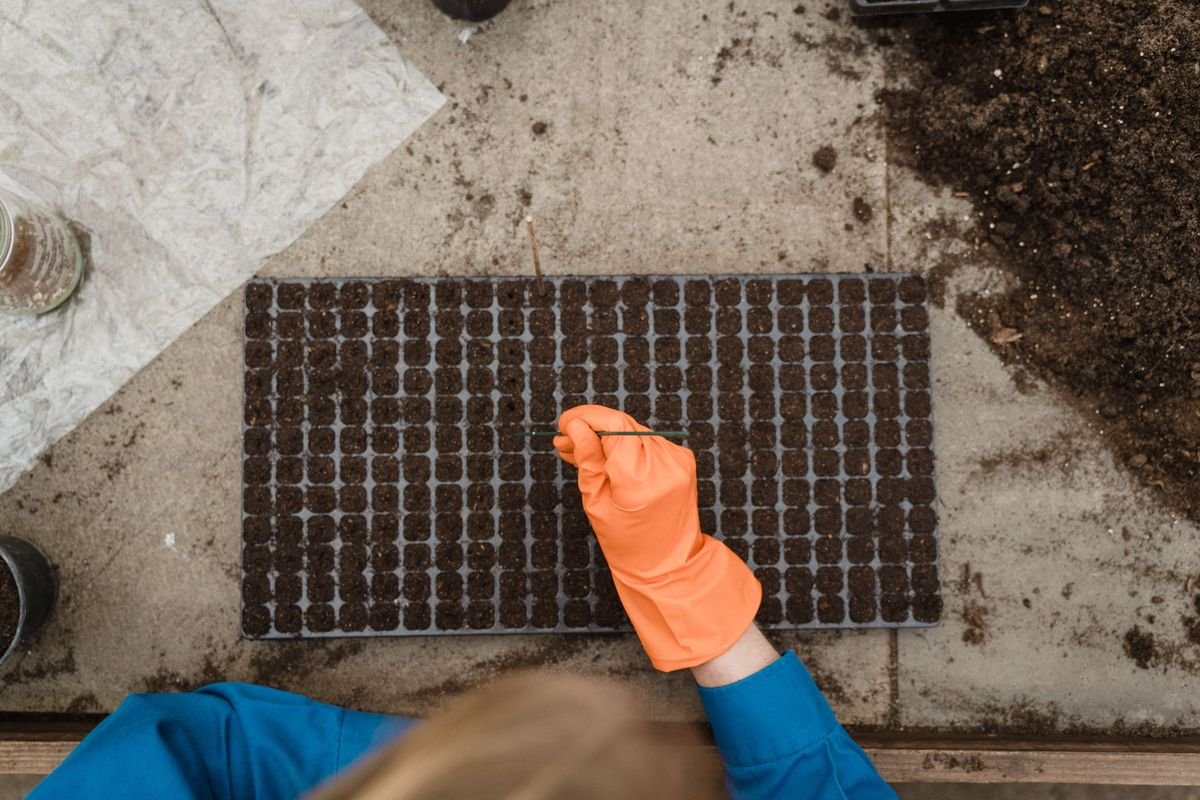
Mulching is one of the most effective ways to build rich soil, retain moisture, and keep troublesome weeds under control in your garden.
While established plants thrive under a thick blanket of organic matter, many gardeners wonder whether applying mulch directly over newly planted seeds will help or hinder germination. When done correctly with the right materials, mulching over seeds creates an ideal microclimate for strong seedling growth.
Is It Safe to Mulch Over Seeds
The short answer is yes, you can safely mulch over newly sown seeds. In fact, a protective top layer often improves your germination rates significantly.
Raw soil tends to dry out quickly under direct sunlight or harsh winds, forming a hard crust that fragile sprouts cannot penetrate. Mulch acts as a barrier that shields the seedbed, keeping the top layer of earth moist and soft.
The key lies in applying the correct type of mulch at the proper depth so you do not smother emerging sprouts.
How Seedlings Push Through Mulch
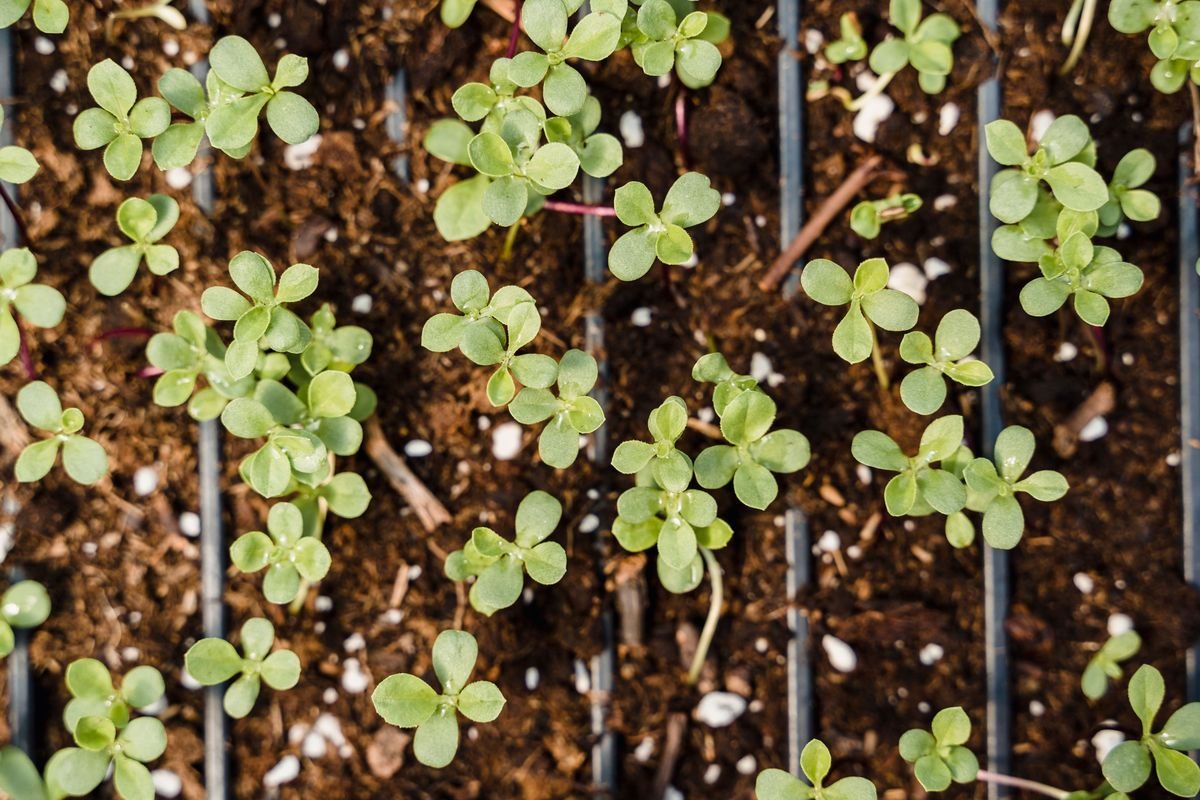
Seeds contain a stored supply of energy designed to propel the initial shoot up toward the light while pushing roots downward into the soil.
When a seed sprouts, it searches for light. If the mulch layer is loose and airy, the young shoot easily navigates through the open gaps to reach the surface.
If the mulch is too dense, heavy, or matted, the seedling runs out of energy before breaking through, which leads to rot beneath the surface.
Seeds That Push Through Mulch Easily
Large seeds produce sturdy, vigorous shoots that can push through moderate layers of light organic material without any trouble.
- Beans and pole peas
- Corn and sunflowers
- Squash, pumpkins, and melons
- Nasturtiums and sweet peas
These varieties possess substantial energy reserves, allowing them to muscle through loose mulch with ease.
Seeds That Struggle Under Mulch
Tiny seeds have very little stored energy and often require direct sunlight to trigger germination.
- Carrots and parsnips
- Lettuce and brassica greens
- Petunias, begonias, and snapdragons
- Fine culinary herbs like thyme and oregano
For these delicate varieties, keep the mulch layer extremely thin, or wait until the seedlings establish their first true leaves before mulching around them.
Best Types of Mulch for Seeds
Not all garden mulches are suitable for seed starting. Heavy bark nuggets or dense wood chips create an impassable barrier for tiny stems.
Selecting a light, fluffy material allows plenty of oxygen flow and lets water reach the seeds smoothly.
Clean Straw and Seed Free Hay
Clean agricultural straw is one of the classic choices for covering seedbeds. It creates a loose, airy lattice that traps moisture while letting sunlight filter through.
Make sure to use weed-free straw rather than field hay, which often contains pasture weed seeds that will sprout alongside your crops.
Shredded Leaves and Leaf Mold
Finely shredded autumn leaves make an outstanding mulch for direct-seeded garden beds.
Whole leaves tend to mat together into a soggy sheet, but chopping them with a lawnmower creates a light, crumbly texture that decomposes into rich humus.
Finely Sifted Compost
Compost is perhaps the safest and most nutrient-dense mulch to use directly over seeds.
A light dusting of sifted compost prevents surface crusting, holds moisture right at the seed line, and feeds emerging roots immediately upon sprouting.
Grass Clippings and Paper Shreds
Dried grass clippings from an untreated lawn provide a lightweight cover when applied in thin, loose layers. Avoid piling fresh, wet clippings, as they quickly turn into a slimy barrier.
Unbleached, shredded brown cardboard or newsprint also works well in windy conditions, provided it is spread thinly and kept damp.
Major Benefits of Mulching Sown Beds
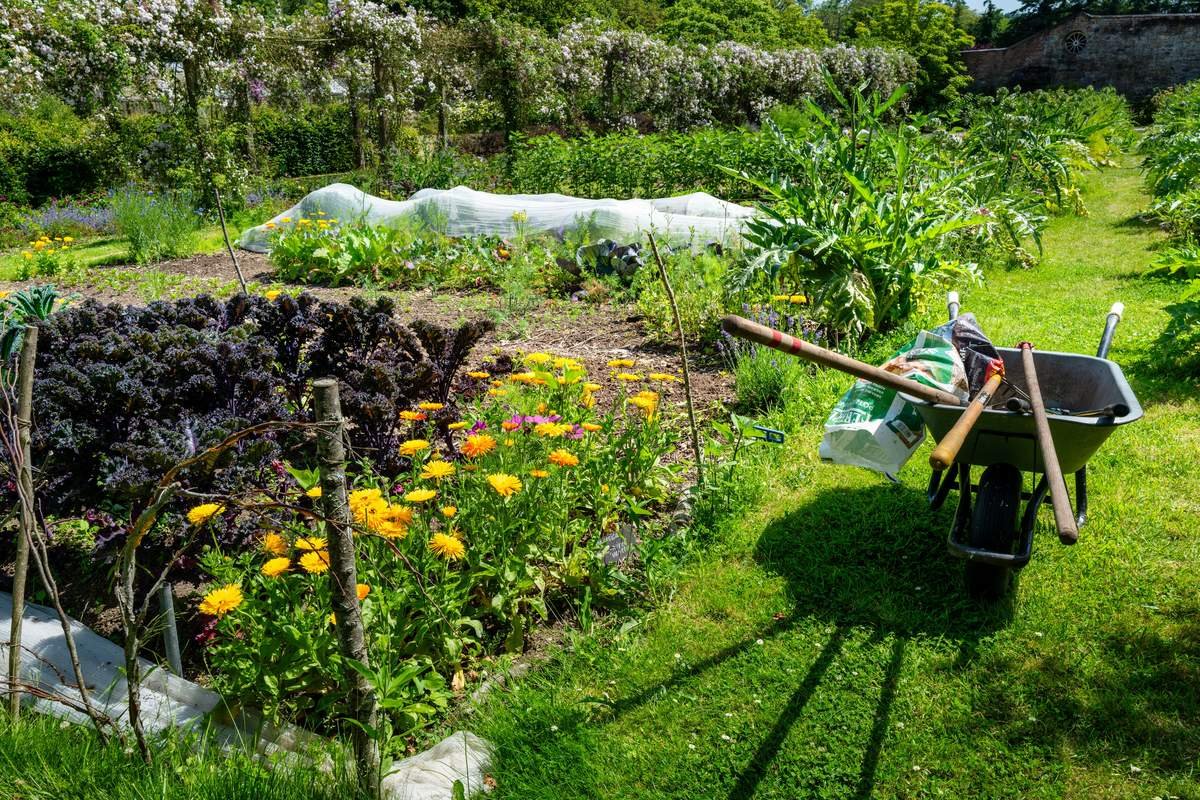
Applying mulch right after planting brings several distinct advantages to your garden beds compared to leaving bare dirt exposed to the elements.
Understanding these benefits helps you tailor your soil management strategy for higher yields and healthier plants.
Better Moisture Control
Consistent moisture is the single most critical factor during seed germination. If a germinating seed dries out even once, it will usually die.
Mulch slows down soil evaporation dramatically, reducing how often you need to run the hose or sprinkler.
Weed Suppression and Soil Health
Airborne weed seeds struggle to take root when landing on dry mulch rather than moist, exposed earth.
As organic mulch slowly breaks down, earthworms and beneficial microbes carry nutrients down into the root zone, improving soil structure over the entire growing season.
Best Timing for Mulching Seeds
The best time to apply a light mulch is immediately after sowing and thoroughly watering your seedbed.
Mulching at planting time prevents heavy rain from dislodging seeds or washing them away down garden slopes.
If you prefer to wait, apply your primary layer of mulch once seedlings reach two to three inches in height and have formed their first set of true leaves.
How Thick Should Mulch Be
When mulching over unsprouted seeds, less is more. Aim for a depth between one-quarter inch and one-half inch depending on seed size.
In hot, arid climates where soil bakes rapidly, you can increase the depth to nearly one full inch of loose straw.
In cool or damp spring weather, keep the layer thin to prevent fungal problems and let the sun warm the underlying soil.
Key Mistakes to Avoid
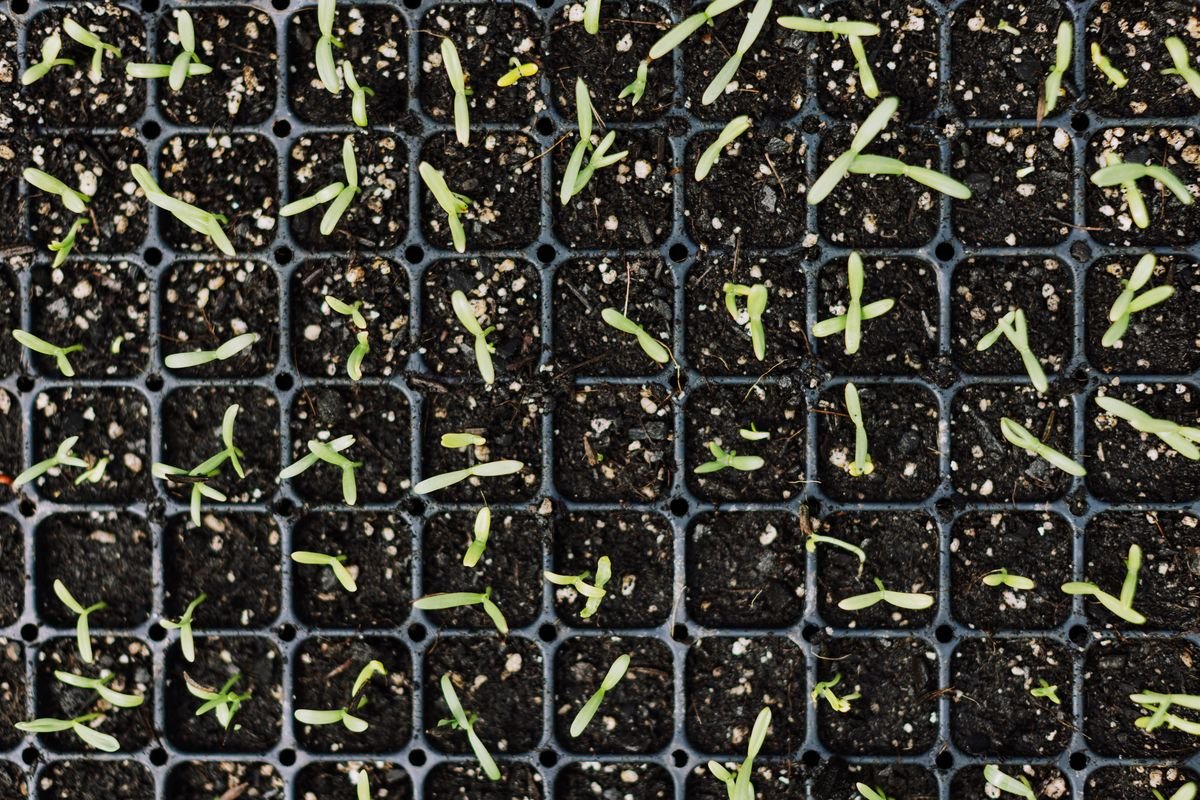
Avoid using chunky bark or wood chips over seedbeds, because these heavy materials will crush delicate stems.
Never pile fresh manure over seeds, as high nitrogen levels can burn tender germinating roots.
Finally, monitor moisture underneath the mulch regularly. While mulch conserves water, you must still check that the soil below remains damp to the touch until green shoots appear.
Is Your Seedbed Mulching Method on Track
Answer 4 quick questions to see your result