When autumn arrives, deciduous trees drop a heavy blanket of foliage across our lawns and flower beds. Raking, bagging, and hauling every fallen leaf takes hours of exhausting physical labor that many gardeners dread.
Adding a layer of fresh mulch directly on top of fallen leaves might seem like the ultimate gardening shortcut. While using leaves in your landscape provides wonderful organic nutrients, layering wood chips or bark directly over whole leaves requires a bit of care to prevent plant disease.
The Benefits of Using Fallen Leaves in Garden Beds
Autumn foliage is full of valuable organic matter and trace minerals that trees absorb from deep underground throughout the growing season. Allowing these natural resources to break down in your garden enriches your soil without expensive commercial amendments.
As organic material decomposes, it feeds beneficial microbes, fungi, and earthworms that improve overall soil structure. This process increases the moisture retention of sandy ground and improves drainage in heavy clay soil.
Fallen leaves also act as a natural insulating blanket. A moderate layer shields plant roots from freeze-and-thaw cycles during cold winter months, keeping the soil temperature steady.
Why Layering Mulch Over Whole Leaves Causes Problems
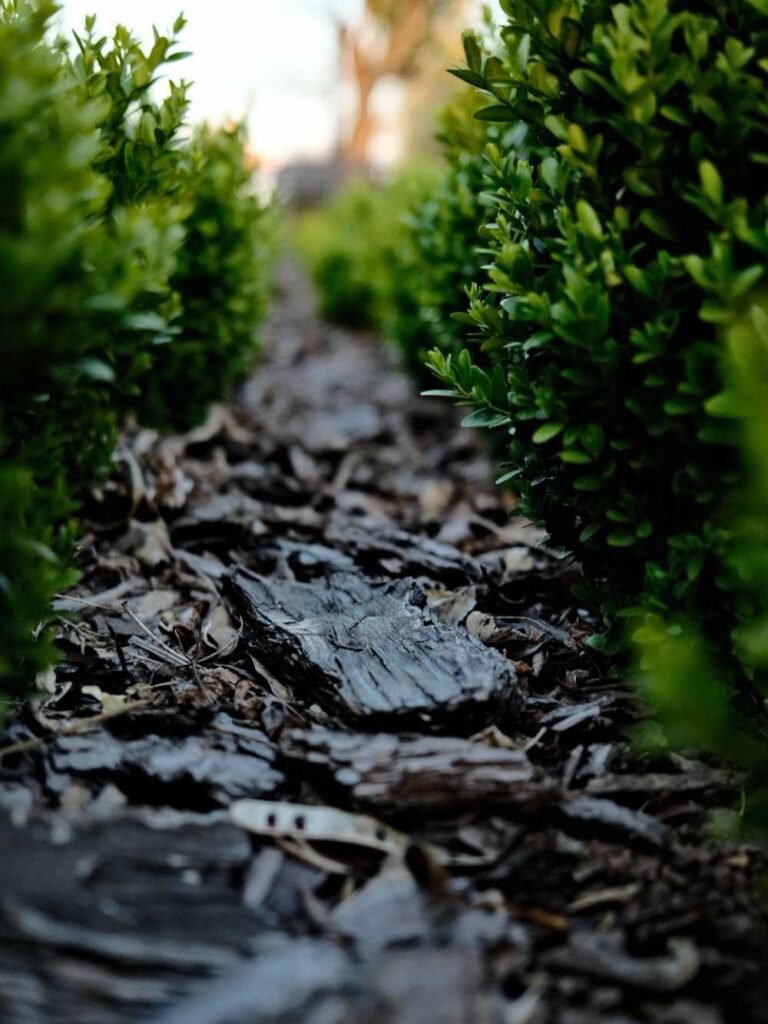
Spreading heavy bark, wood chips, or compost over a thick layer of intact, dry leaves often backfires. Large, flat leaves from maple or oak trees tend to overlap and form an impermeable, wet barrier.
This dense mat prevents moisture and fresh air from penetrating down into the root zone of your plants. When rain falls, water frequently runs off the top rather than soaking into the earth where roots need it most.
Furthermore, wet matted foliage underneath mulch traps stale moisture right against the stems of shrubs and perennials. This soggy environment encourages root rot, crown rot, and destructive fungal pathogens.
Pests and Rodents in Unshredded Leaf Layers
A thick, dark cushion created by whole leaves underneath wood mulch serves as an ideal sanctuary for garden pests. Critters love the dry, protected void between the dense leaf layer and the ground.
Field mice, voles, and other small rodents frequently build nests inside this sheltered space during cold weather. Once established, these rodents often gnaw on the bark of young shrubs and feed on tender perennial crowns or flower bulbs.
Slugs, snails, and earwigs also thrive beneath dense leaf layers. In early spring, these hungry pests emerge right as your tender seedlings and perennial shoots begin to sprout.
The Role of Shredding Before Applying Mulch
Running a lawnmower or leaf shredder over your dry foliage completely changes how it interacts with the soil and added mulch. Shredding reduces large leaves into tiny, dime-sized pieces that cannot form a continuous, suffocating blanket.
Chopped foliage allows rain, liquid nutrients, and oxygen to flow freely through the mulch directly to the root system. It settles into gaps rather than creating a solid moisture barrier.
Finely cut pieces also decompose much faster. Soil organisms can easily consume and convert shredded leaf fragments into rich, dark humus within a single growing season.
When You Can Mulch Over Uncut Leaves Safely
You do not always have to spend time chopping up every single leaf before applying a fresh layer of mulch. If you only have a very light, scattered dusting of foliage across your garden beds, you can safely mulch right over it.
Here is how to tell if your leaf layer is thin enough:
- You can clearly see bare soil or old mulch between the scattered leaves.
- The leaves do not form overlapping stacks more than one leaf thick.
- The foliage consists of small, delicate leaves like birch or honey locust that break down rapidly on their own.
When these conditions are met, applying 2 inches of quality mulch directly over top will help hold the leaves in place while they decay naturally.
Step by Step Guide to Mulching With Leaves
Creating a healthy, nourishing mulch layer using autumn leaves is straightforward if you follow a few simple steps.
- Rake your leaves into small rows or shallow piles on a dry afternoon.
- Pass over the piles with a mulching mower or run them through an electric leaf shredder.
- Clear shredded material at least 3 inches away from the direct base and stems of woody shrubs, trees, and perennial crowns.
- Spread a uniform 2 to 3-inch layer of shredded leaves across the open soil of your garden beds.
- Top with a thin layer of decorative bark mulch if you prefer a cleaner, uniform landscape appearance.
- Water the newly mulched area lightly to settle the material and prevent the wind from blowing it away.
Selecting the Best Leaf Types for Garden Mulch
Not all tree leaves behave the same way in garden beds. Different species possess distinct chemical makeups and physical textures that influence how quickly they decompose.
Leaves from maple, ash, birch, and fruit trees are soft and break down exceptionally fast into rich compost. These make the absolute best choices for mulching around annual flowers and tender perennials.
Oak leaves, beech leaves, and magnolia leaves have tough, leathery structures with high tannin levels. These species take much longer to decompose and should always be thoroughly shredded before adding them to your garden beds.
Balancing Soil Nutrients and Nitrogen Levels
Leaves are rich in carbon, which means soil microbes consume nitrogen as they work to break down the tough plant fibers. If you apply a massive volume of dry foliage at once, you might notice temporary nitrogen tie-up near the very surface of the soil.
This temporary depletion rarely impacts deep-rooted perennials or woody shrubs, but it can occasionally slow down the growth of shallow-rooted spring annuals.
To keep soil nutrients balanced, mix a light dusting of organic nitrogen, such as blood meal or composted chicken manure, into your shredded leaves before applying your top layer of mulch.
Is Your Yard Ready for Mulching Over Leaves?
Answer 4 quick questions to see your result