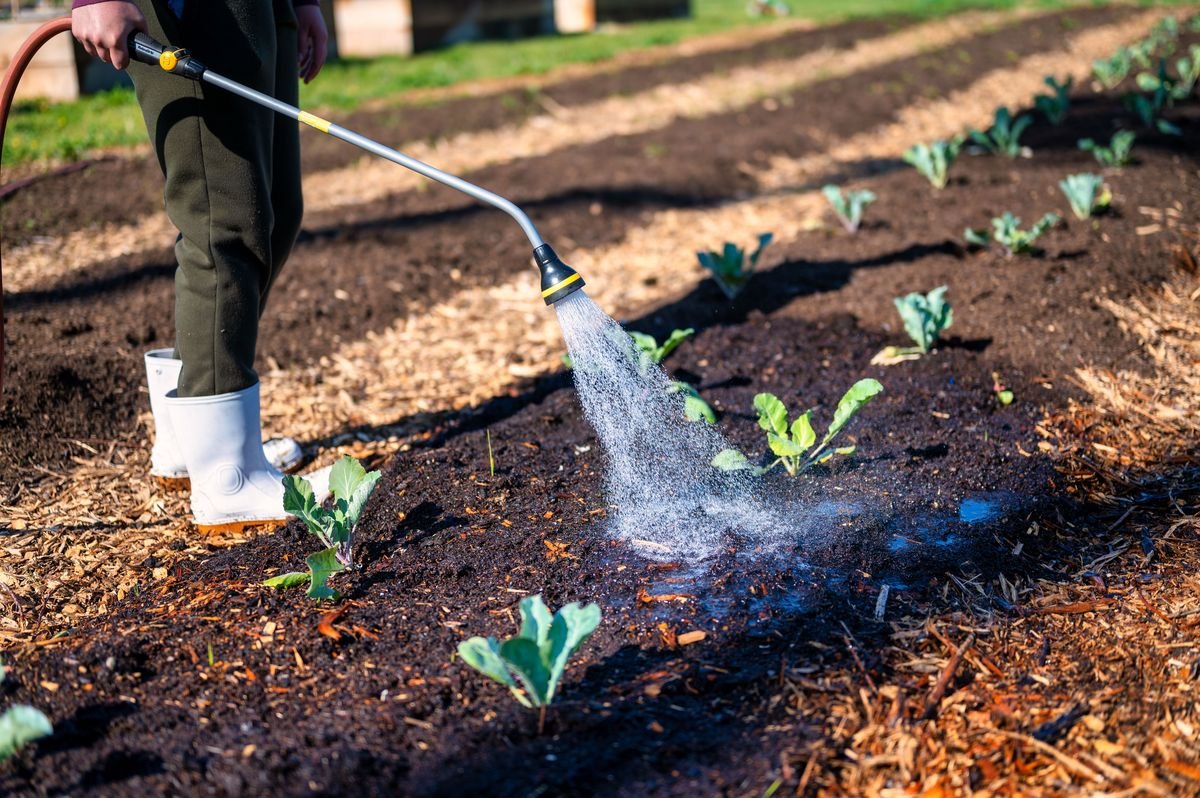
Starting a vegetable garden is one of the most rewarding projects you can tackle at home. There is nothing quite like walking out to your yard and harvesting fresh tomatoes, crisp cucumbers, and leafy greens for dinner.
At the same time, growing vegetables comes with real challenges. You have to monitor soil moisture every day, pull stubborn weeds, and make sure your plants get enough nutrients. If you want to make garden care easier and boost your yields, mulching is one of the best habits you can adopt.
Can You Mulch a Vegetable Garden
The short answer is yes, you can definitely mulch a vegetable garden. In fact, most experienced growers consider mulching an essential step for a productive harvest.
Mulch is simply any material spread over the surface of the soil as a protective covering. In a vegetable bed, it acts like a blanket that shields your soil from harsh sun, heavy rain, and drying winds.
When you add mulch around your crops, you create a stable microclimate for delicate root systems. This simple layer reduces your workload while helping your vegetables thrive throughout the entire growing season.
Understanding Different Types of Garden Mulch
Before you grab bags of mulch from your local garden center, it helps to understand the two main categories available. Mulches are generally split into organic and inorganic types.
Each variety serves a distinct purpose in the garden. Choosing the right one depends on what crops you are growing, your local climate, and your long term gardening goals.
Organic Mulch Varieties
Organic mulches consist of natural materials that break down over time. As they decompose, they add organic matter and vital nutrients directly into your soil.
Common examples of organic mulch include:
- Clean straw and seedless hay
- Shredded autumn leaves
- Untreated grass clippings
- Well rotted compost
- Pine needles and aged wood chips
Because these materials enrich the soil biology, they are usually the best choice for annual vegetable gardens.
Inorganic Mulch Materials
Inorganic mulches do not break down over time. They are made from synthetic or mineral materials designed to last for several seasons without decomposing.
Common inorganic options include black plastic sheeting, landscape fabric, and rubber chips. While black plastic is great for warming soil early in spring for crops like melons and peppers, it does not improve soil structure or provide plant nutrition.
Major Benefits of Mulching Your Crops
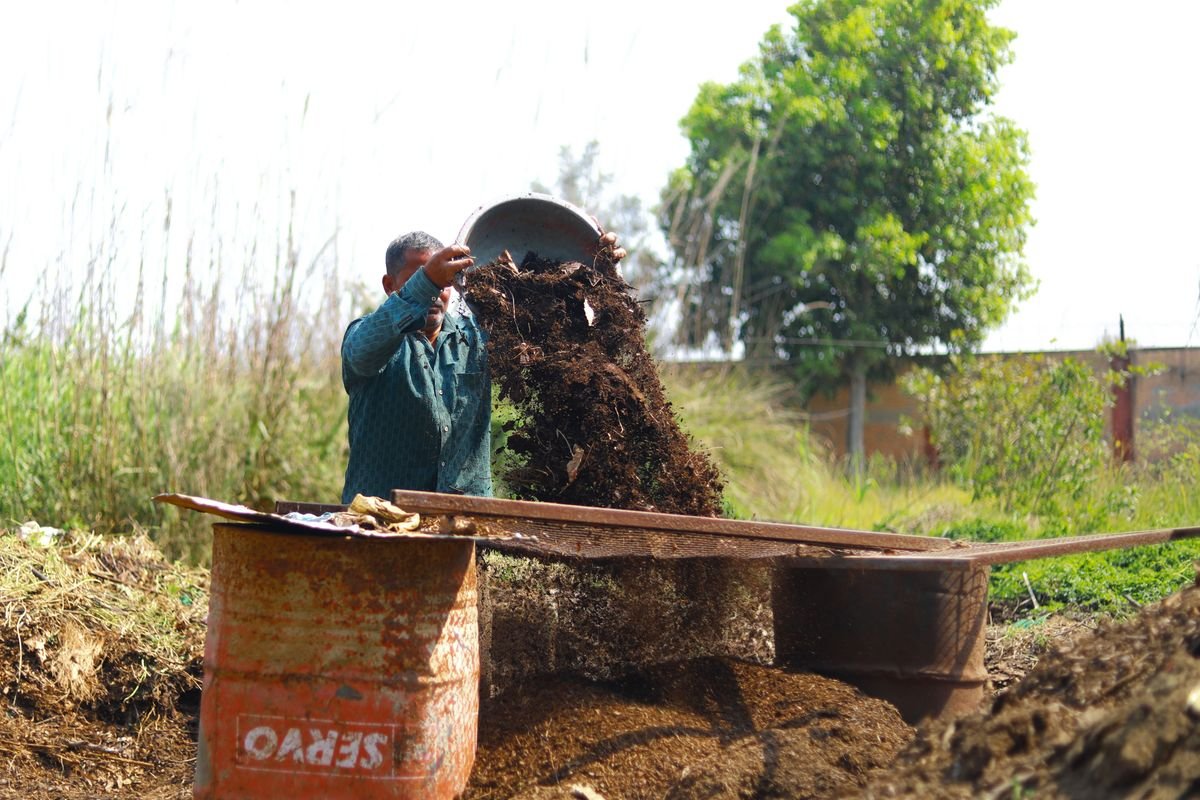
Applying mulch to your vegetable beds transforms the way your garden grows. It solves multiple common garden problems at once, saving you time, water, and effort.
Here are the most significant reasons why you should add mulch to your vegetable beds this season.
Better Soil Moisture Retention
One of the greatest benefits of mulch is its ability to lock moisture in the ground. When bare soil is exposed to direct sunlight, water evaporates rapidly from the top few inches.
Mulch acts as a physical barrier that slows down evaporation. This means your soil stays evenly moist between waterings.
Consistent moisture is critical for vegetables. It prevents issues like blossom end rot in tomatoes and prevents leafy greens from turning bitter or bolting prematurely in hot weather.
Natural Weed Suppression
Weeds compete directly with your vegetables for water, sunlight, and soil nutrients. Hand weeding an entire garden bed can quickly become an exhausting chore.
A two to three inch layer of mulch blocks sunlight from reaching weed seeds in the soil. Without light, the majority of weed seeds cannot germinate.
Any stray weeds that do manage to poke through will have weak root systems, making them effortless to pull out by hand.
Enhanced Soil Nutrient Levels
When you choose an organic mulch, you are steadily feeding your soil ecosystem. Earthworms, beneficial fungi, and soil microbes gradually break down the organic mulch from below.
This decomposition releases trace minerals, humic acids, and nutrients directly into the root zone of your plants.
Over time, organic mulch dramatically improves soil texture. It turns heavy clay into loose, well draining soil and helps sandy soil hold onto nutrients much better.
Temperature Regulation for Plant Roots
Vegetable roots prefer moderate soil temperatures. During peak summer heat, bare soil can easily reach temperatures that stress plant roots and stunt growth.
A thick layer of mulch keeps the soil significantly cooler on scorching summer afternoons. In the autumn, that same layer traps residual ground heat, protecting late season crops from sudden cold snaps.
Prevention of Soil Erosion and Runoff
Heavy downpours can quickly wash away precious topsoil and compact the surface of your garden beds. This creates a hard crust that makes it difficult for water to penetrate.
Mulch softens the impact of heavy raindrops. It allows water to soak gently and deeply into the soil profile without eroding your raised beds or garden rows.
Reduction of Soil Borne Diseases
Many common plant diseases, such as tomato early blight and septoria leaf spot, live in the soil. When rain or sprinkler water hits bare ground, it splashes fungal spores onto lower leaves.
Mulch creates a clean barrier between the soil and your plant foliage. By eliminating soil splash, you keep your vegetable leaves clean, dry, and disease free.
Best Mulch Options for Vegetable Beds
Not all mulches are equal when it comes to growing edible crops. Some materials break down too slowly, while others may contain unwanted weed seeds or chemicals.
Selecting the best mulch depends on your specific vegetable varieties and what resources you have readily available.
Straw and Clean Hay
Straw is easily one of the most popular mulches for vegetable gardens. It is lightweight, clean, reflective, and allows water and air to flow freely into the soil.
Always make sure you purchase weed free straw rather than field hay. Field hay often contains thousands of pasture weed seeds that can quickly overrun your vegetable beds.
Shredded Leaves and Grass Clippings
Shredded autumn leaves are a free, nutrient rich resource that makes wonderful vegetable mulch. Running leaves through a lawnmower before applying them prevents them from matting together.
Dry grass clippings are another great choice. Apply them in thin layers to avoid creating a slimy, anaerobic barrier. Only use clippings from lawns that have never been treated with chemical herbicides or weed killers.
Finished Compost and Leaf Mold
Applying a one to two inch layer of finished compost over your garden bed serves as both a high grade mulch and a slow release fertilizer.
Compost darkens the soil, feeds beneficial microbes, and provides an ideal surface for root growth. Leaf mold, which is simply composted autumn leaves, holds immense amounts of water and dramatically improves soil aeration.
Wood Chips and Bark
Wood chips and shredded bark work well in permanent garden paths, around perennial vegetables like asparagus, and under fruit bushes.
In standard annual vegetable beds, heavy wood chips take a long time to decompose and can make seasonal tilling or replanting clumsy. If you use wood mulch, keep it on the surface and avoid mixing fresh wood into the planting soil.
Mulches You Should Avoid in Vegetable Beds
While mulch is generally beneficial, some materials can cause serious problems in an edible garden.
Avoid using the following items in your vegetable patch:
- Artificially dyed red, black, or blue wood mulches that may contain chemical residues
- Unshredded, whole tree leaves that form an impenetrable wet mat
- Fresh, green wood chips mixed directly into planting holes, which can temporarily tie up soil nitrogen
- Hay containing broadleaf herbicide residue, which can severely stunt tomatoes and beans
- Rubber tire mulch, which offers zero nutritional value and can leach heavy metals
When to Apply Mulch to Vegetables
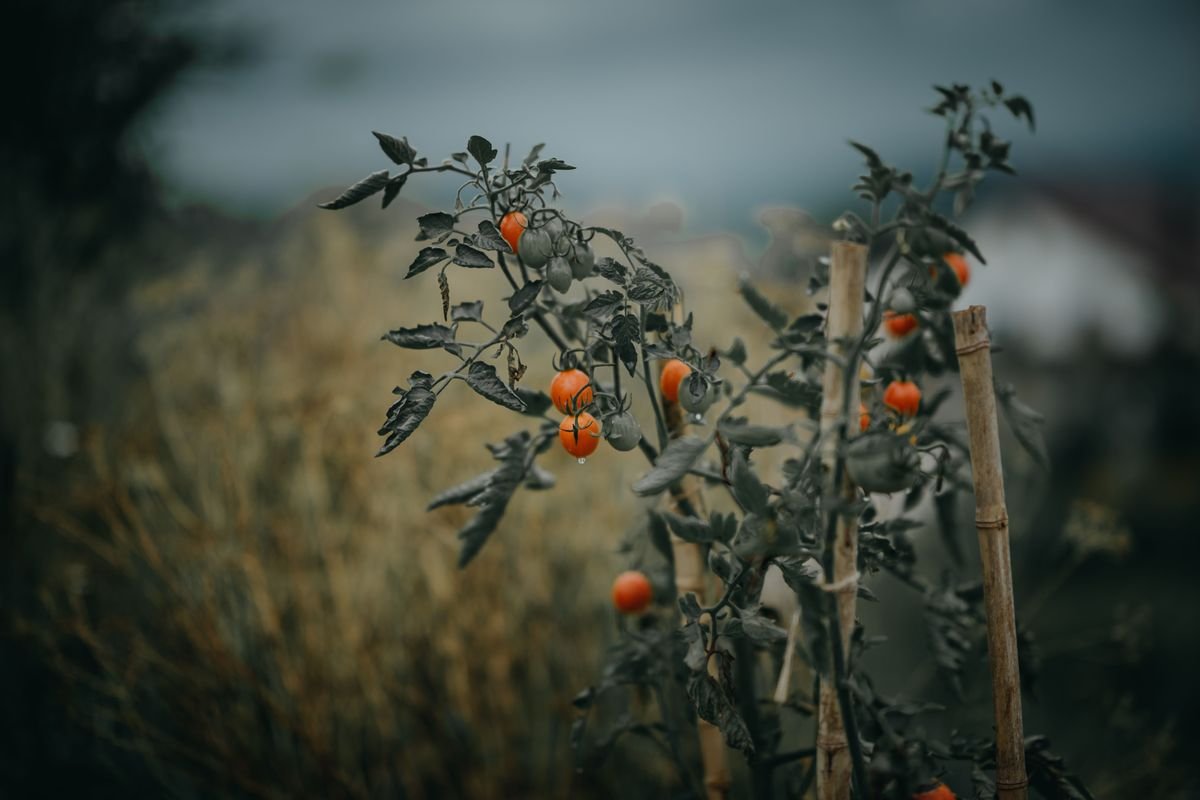
Timing makes a big difference when applying mulch to your garden. If you mulch too early in spring, you may trap cold winter temperatures in the soil, slowing down early plant growth.
Wait until your garden soil has warmed up under the spring sun before laying down thick mulch layers. For warm season crops like peppers, eggplants, and tomatoes, wait until daytime temperatures are consistently warm.
For autumn and winter gardening, apply mulch in mid to late autumn. This traps lingering soil warmth and protects root crops like carrots, beets, and garlic from deep ground freezes.
How Much Mulch You Need to Apply
Applying the right thickness of mulch is key to getting good results. Too little mulch will fail to stop weeds or hold moisture, while too much mulch can suffocate roots and harbor excess pests.
For most organic vegetable mulches like straw, shredded leaves, or compost, aim for a depth of two to three inches.
To calculate how much mulch you need, measure the length and width of your garden bed in feet, multiply them to find the square footage, and multiply by 0.25 (for a three inch layer) to determine the cubic feet required.
Step by Step Guide to Mulching Vegetables
Mulching your garden is a straightforward task that takes very little time. Follow these simple steps for the best results:
- Clear the garden bed of all existing weeds, roots, and debris.
- Water your soil deeply so you lock in a healthy reserve of ground moisture.
- Add any organic compost or granular fertilizers to the soil surface before mulching.
- Spread your chosen mulch evenly across the bed using your hands or a garden fork.
- Leave a small gap of one to two inches around the main stem of each plant to prevent rot and deter pests.
- Lightly water the top of the mulch layer to settle it into place.
Common Mulching Mistakes to Avoid
Even experienced gardeners make small errors when mulching their vegetable plots. One frequent mistake is piling mulch directly against plant stems, often called mulch volcanoes. This traps dampness against the stem, inviting fungal rot and insect damage.
Another mistake is applying mulch over dry soil. Mulch is an insulator, so if you put it over bone dry dirt, light rainfall may struggle to soak through to the roots.
Finally, always inspect materials for weed seeds before spreading them. A single bale of poor quality hay can introduce invasive weeds that take seasons to eliminate.
Final Thoughts on Vegetable Garden Mulch
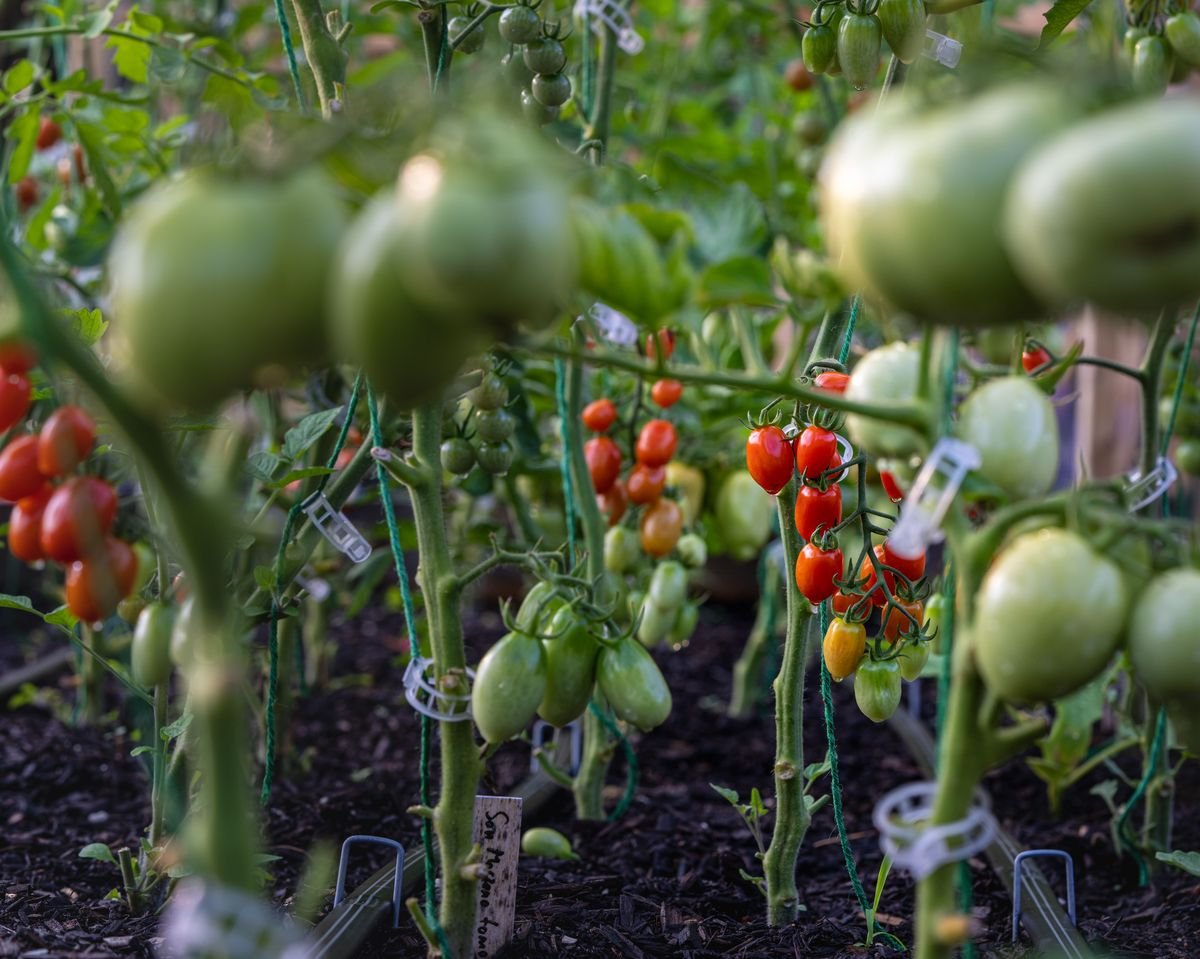
Mulching is one of the most effective, natural techniques you can use to transform your vegetable garden. It keeps your soil cool, retains valuable moisture, blocks weeds, and steadily improves soil fertility season after season.
By choosing clean, organic materials like straw, shredded leaves, or compost, you set your edible garden up for incredible success. Take the time to mulch your beds properly this spring, and your plants will reward you with a bountiful harvest all summer long.
Are You Mulching Your Vegetable Garden Correctly?
Answer 4 quick questions to see your result