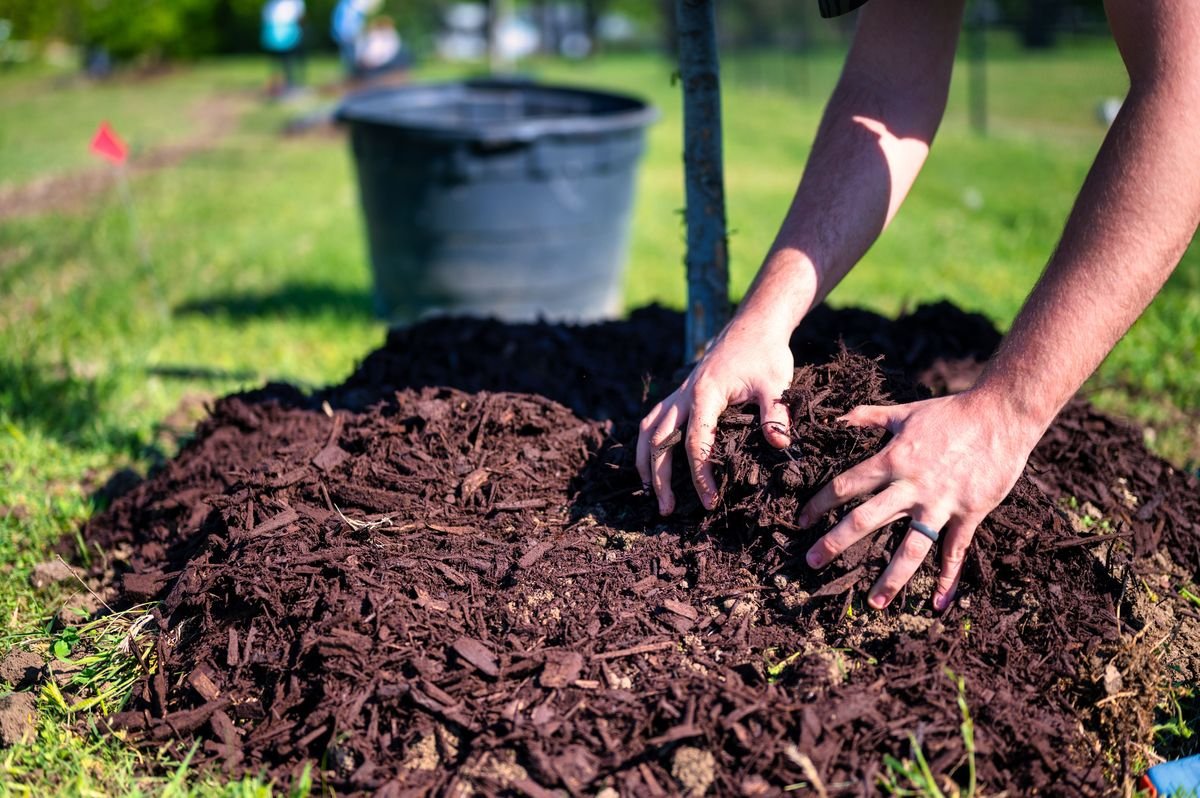
Mulching is one of the most effective ways to protect your garden beds, conserve moisture, and keep weeds under control throughout the year. However, many gardeners worry that adding a fresh layer of mulch might smother their favorite perennials before spring arrives.
Whether your perennials can easily push through mulch depends on the depth of the layer, the weight of the material, and the maturity of the plants. Understanding how these factors interact will help you protect your garden without accidentally burying your tender shoots.
Can Perennials Emerge Through Mulch
Most healthy perennial plants can push their way through a reasonable layer of mulch without any trouble.
Perennials are naturally adapted to emerge through fallen leaves, twigs, and natural forest litter each spring.
However, problems arise when the mulch is applied too thickly, packed too densely, or made from heavy materials that block sunlight and oxygen. When shoots meet an impenetrable barrier, they can bend, rot, or run out of stored energy before reaching the surface.
Factors That Affect Perennial Growth
Several key factors determine whether your perennials will thrive or struggle beneath a layer of mulch.
- Plant Maturity: Older plants with deep root reserves have more pushing power than tiny starter plugs.
- Shoot Structure: Sturdy, pointed shoots like hostas break through mulch much easier than delicate, creeping foliage.
- Soil Moisture: Saturated mulch stays heavier and colder, which delays spring emergence.
- Sunlight Penetration: Dark, thick layers prevent the soil from warming up quickly in early spring.
Mulch Texture and Weight
The consistency of your mulch plays a massive role in how easily green stems can penetrate it.
Lightweight materials like shredded hardwood, pine needles, or well-rotted leaf mold allow tender green shoots to weave through without expending too much energy.
In contrast, heavy wood chunks, dense bark nuggets, and matted whole tree leaves create a physical shield. Small shoots often get trapped underneath heavy bark pieces and may rot before finding a path toward the light.
Mulch Layer Thickness
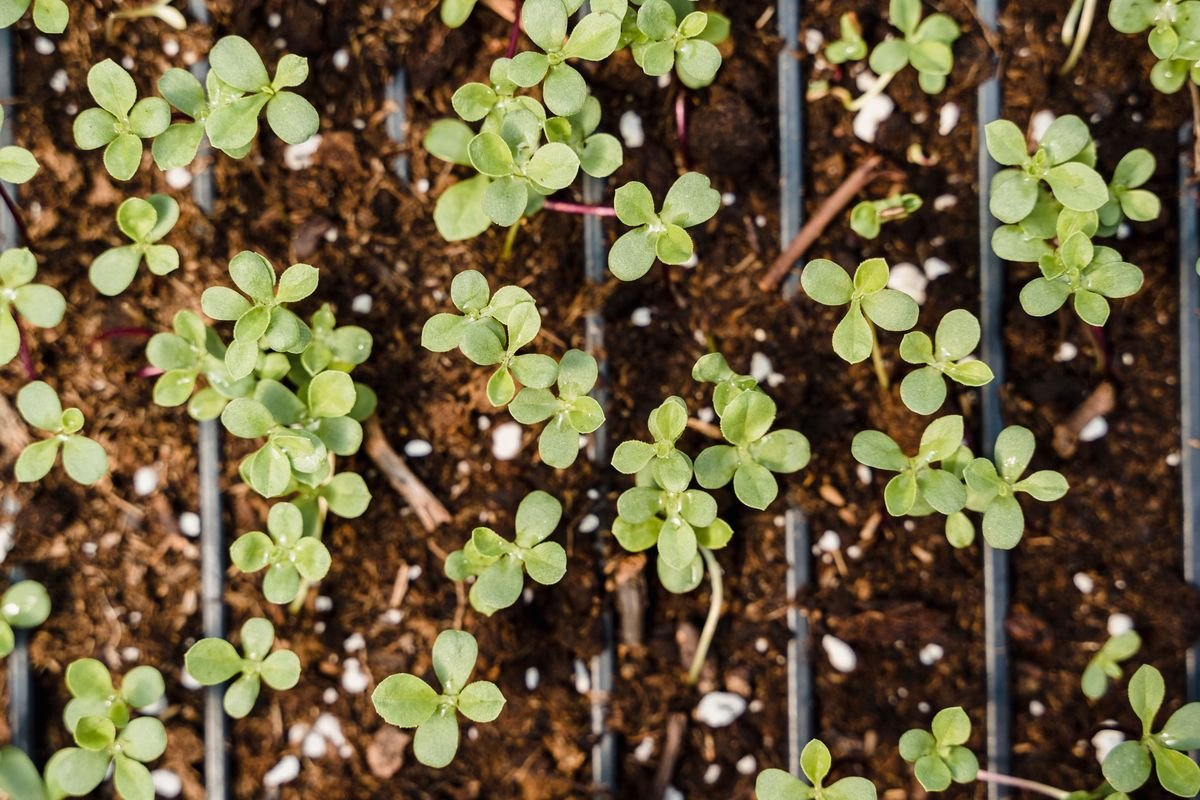
For perennial flower beds, depth control is everything.
A layer between two and three inches is generally the sweet spot for weed prevention and moisture conservation.
If you pile mulch four inches deep or more over perennial crowns, you risk suffocating the root system. Thick layers also keep the underlying soil too cold and wet, inviting crown rot and fungal diseases.
How Plant Age Matters
Established perennials have robust root systems loaded with stored carbohydrates.
These veteran plants produce thick, powerful shoots that can easily lift or part moderate layers of wood chips.
Young perennials planted in the previous autumn or spring are far more vulnerable. Because their root crowns are still small and fragile, heavy mulch can easily crush new growth or cause tender stems to turn pale and weak.
Do Spring Bulbs Grow Through Mulch
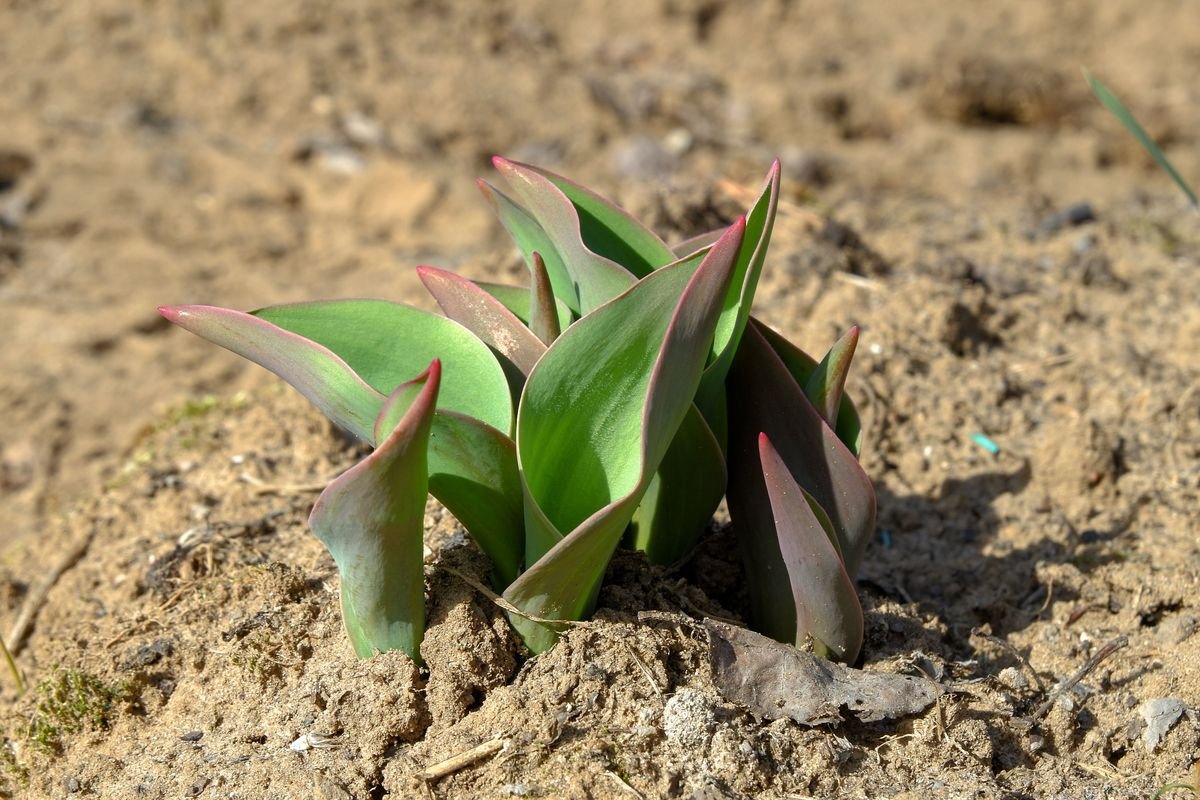
Spring flowering bulbs such as tulips, daffodils, crocus, and alliums are remarkably strong.
Their spear-shaped tips are designed by nature to pierce through compact soil, frozen crusts, and organic debris.
As long as the mulch layer is kept under three inches, spring bulbs will push through without any extra help from you. In fact, mulch provides essential insulation that stops bulbs from sprouting prematurely during unseasonable winter warm spells.
Best Types of Mulch for Perennials
Selecting the right material ensures your garden gets all the benefits of mulch without hindering plant growth.
- Fine Shredded Bark: Breaks down slowly, knits together well, and remains easy for new stems to penetrate.
- Leaf Mold: Decomposed leaves enrich the soil with beneficial microbes while staying loose and airy.
- Pine Needles: Lightweight and breathable, pine straw allows excellent water filtration and air circulation.
- Compost: Provides direct nutrition and improves soil texture while offering light surface protection.
Mulches You Should Avoid
Certain types of garden mulch create hazardous conditions for herbaceous perennials.
Avoid using large, coarse bark nuggets in mixed perennial borders because their weight easily traps smaller plants.
Fresh grass clippings should also be avoided because they tend to mat together into an airtight, slimy blanket that heats up rapidly and deprives roots of oxygen. Similarly, dyed wood chips can take too long to break down and often pack too tightly over dormant crowns.
How to Mulch Perennial Beds Properly
Applying mulch correctly is just as important as choosing the right material.
Follow these practical steps to protect your perennial garden without suffocating your plants:
- Clear Weeds and Debris: Remove dead foliage, creeping weeds, and fallen branches before spreading new material.
- Hydrate the Soil: Water the planting bed thoroughly if the ground is dry, as dry soil covered in mulch can repel moisture.
- Keep Space Around Crowns: Taper the mulch so it stays one to two inches away from the direct center of perennial crowns.
- Spread Evenly: Use a rake to distribute a uniform layer two to three inches deep across open soil spaces.
Mulching Perennials in the Spring
Spring mulching is ideal for locking in early rains and suppressing weed seeds before they germinate in warming soil.
Wait until the soil has begun to warm up and your perennials have started sending up visible shoots.
If you apply thick mulch over freezing spring soil, you delay the natural warming process and hold dormant perennials back. Once green growth is visible, spread mulch carefully around the base of the emerging stems.
Mulching Perennials in the Fall
Fall mulching serves a completely different purpose than spring application.
Its primary role is protecting roots from repeated freeze and thaw cycles, which can heave plant crowns right out of the ground.
Apply your winter mulch after the first hard frost, once plants are fully dormant and the ground has cooled. This timing keeps the soil consistently cold throughout winter rather than trapping unwanted warmth that encourages late-season growth.
Signs Your Mulch Is Too Thick
It is easy to tell when a perennial is struggling against an overly heavy mulch blanket.
Watch out for pale yellow shoots that look thin, stretched, or twisted as they struggle toward sunlight.
Another clear indicator is moisture sitting constantly on the soil surface, accompanied by a sour or mildew smell. In severe cases, digging down reveals soft, discolored crowns that have started rotting from prolonged dampness.
How to Help Struggling Perennials
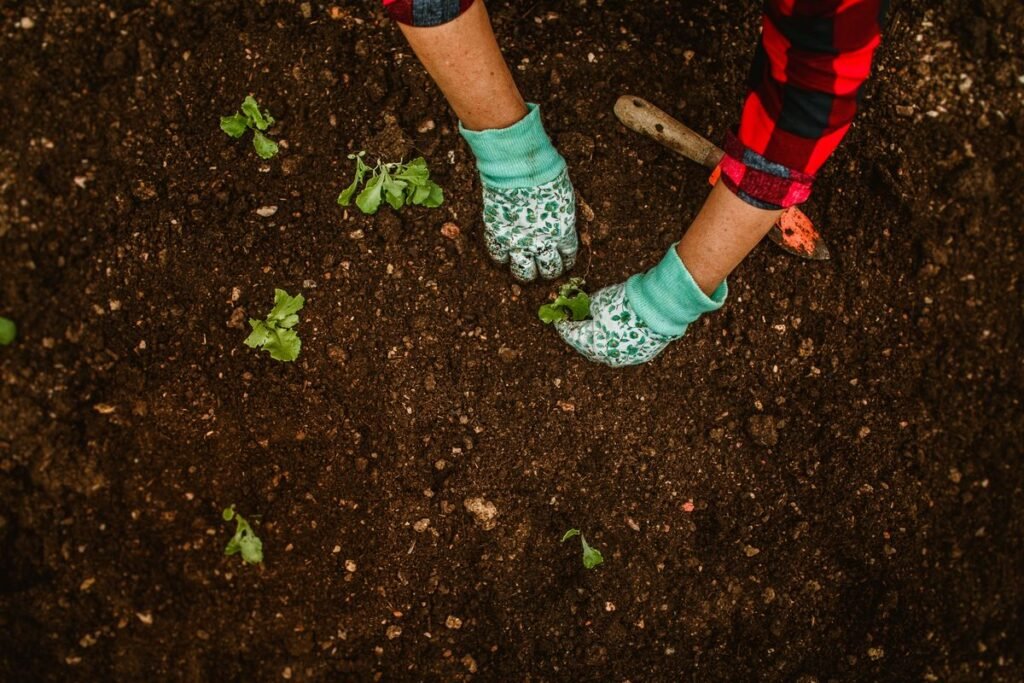
If you notice that some of your perennials are late to emerge or showing signs of stress, take action immediately.
Gently brush aside excess mulch from the center of the plant using your hands or a small hand rake.
Expose the crown to fresh air and natural sunlight so it can dry out and warm up. Within a few days of clearing the perimeter, healthy new green shoots should begin to rise and fill out normally.
Is Your Mulch Depth Safe for Perennials?
Answer 4 quick questions to see your result