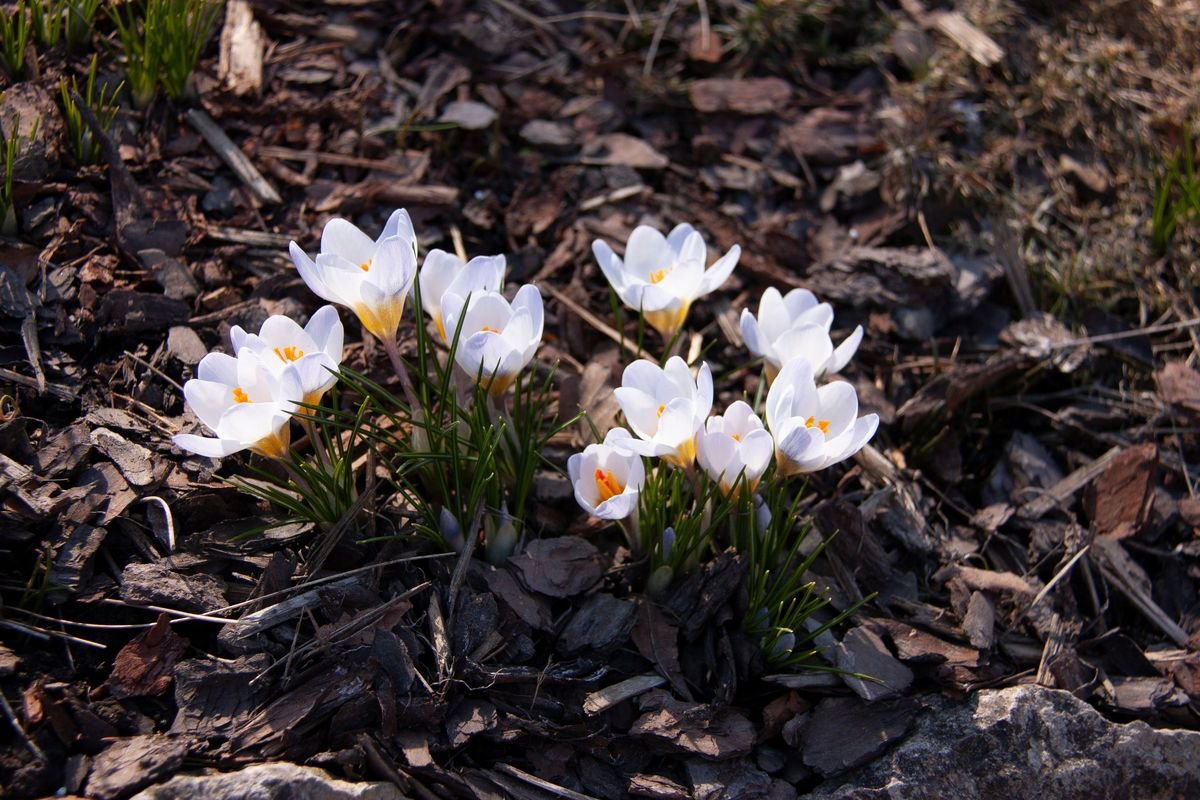
Every gardener appreciates the magic that a fresh layer of mulch brings to an outdoor space. It suppresses stubborn weeds, locks in precious soil moisture, regulates root temperatures, and gives the whole landscape a clean, finished appearance.
Yet many homeowners worry that dumping bags of shredded wood chips into their flowerbeds will invite a swarm of unwanted pests. The good news is that not all mulches attract insects. In fact, several organic and inorganic mulching options actively repel bugs while keeping your plants healthy and vibrant.
Why Bugs Love Garden Mulch
Before choosing a mulch that deters pests, it helps to understand why insects are attracted to ground coverings in the first place.
Most insects do not invade your garden beds out of spite. They simply search for three basic survival needs: moisture, shelter from predators, and an abundant food source. Mulch happens to provide all three in a single package.
Moisture and Temperature Control
Mulch is specifically designed to prevent the sun from baking the soil, which keeps the ground cool and damp.
While this environment is a dream for plant roots, it also creates an ideal microclimate for insects that dehydrate easily. Bugs like earwigs, sowbugs, millipedes, and termites thrive in shaded, humid environments where they can stay hydrated beneath dense layers of organic matter.
Shelter and Decomposing Food Sources
A thick blanket of wood chips or shredded leaves shields tiny critters from hungry birds, lizards, and harsh weather conditions.
As organic mulch gradually breaks down, it creates a feast of fungi, bacteria, and softened cellulose. Many scavenger insects flock to decaying plant tissue to feed, while predatory bugs quickly follow behind them to hunt in the mulch layer.
Insects Commonly Found in Mulched Beds
Not all creatures living in your landscape are destructive. Earthworms, ground beetles, and spiders help aerate the earth and manage harmful garden pests.
However, standard wood mulches can sometimes attract insects that you would rather not have anywhere near your home or tender plants:
- Subterranean termites seeking cellulose and damp shelter
- American and Oriental cockroaches searching for humid nesting sites
- Carpenter ants nesting in decaying or moist wood chunks
- Mosquitoes resting in damp, shady foliage and wet mulch pockets
- Slugs and snails chewing holes through tender leafy crops
Cedar Mulch
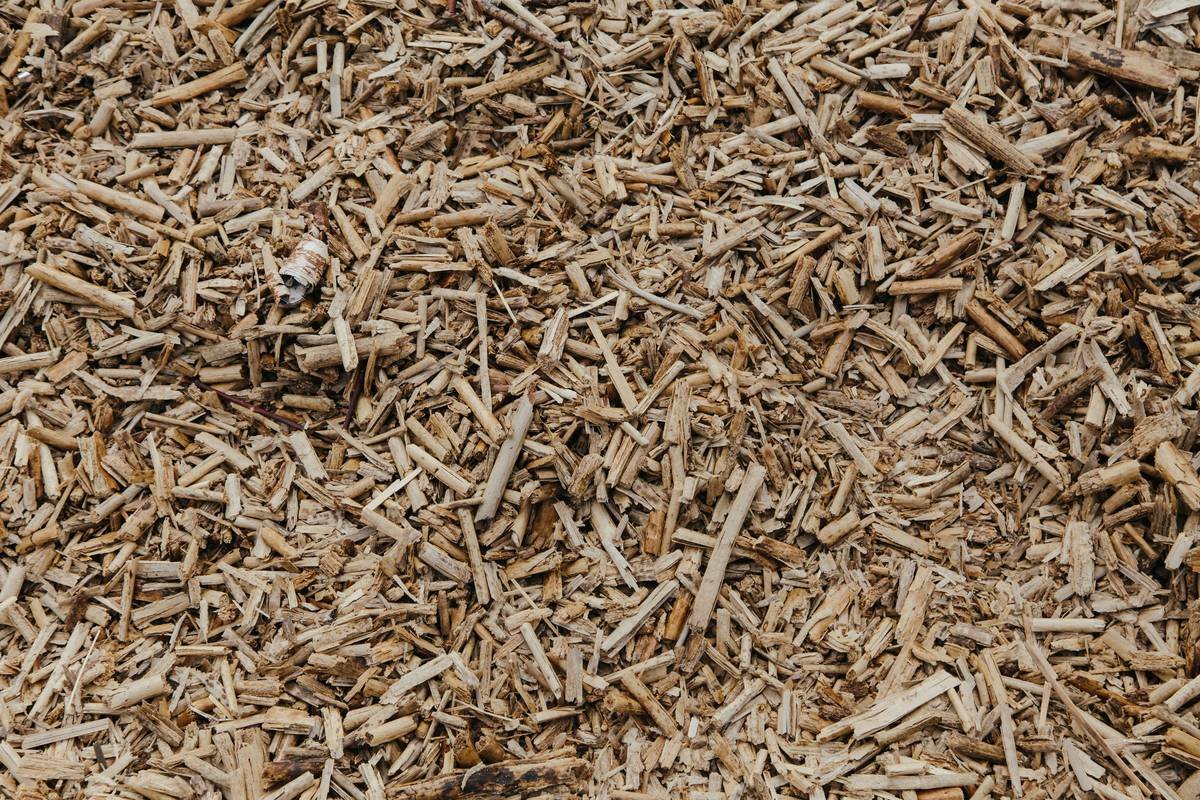
Cedar is widely regarded as one of the best organic mulches for keeping troublesome bugs away from your landscaping.
Harvested from aromatic cedar trees, this mulch features a warm reddish hue and a pleasant, crisp scent that humans love, but garden pests thoroughly despise.
Why Cedar Repels Insects Naturally
The secret behind the pest-repelling power of cedar lies in its natural aromatic oils, primarily thujone and cedrol.
These chemical compounds act as a natural deterrent against a wide array of insects, including moths, beetles, fleas, ticks, and termites. When bugs encounter the pungent oils in cedar heartwood, their respiratory systems and sensory organs become overwhelmed, causing them to move elsewhere.
Pros and Cons of Cedar Mulch
Using cedar in your landscape comes with several outstanding benefits, along with a couple of minor drawbacks to consider.
- Pros: Long-lasting wood structure, slow decomposition rate, rich golden-red color, and potent natural repellent oils.
- Cons: Can occasionally deter helpful pollinators if used excessively near blooming plants, slightly higher cost than mixed hardwood, and the natural aroma slowly fades after one or two seasons.
Cypress Mulch
Cypress is another wood-based covering renowned for its natural pest resistance and decorative appeal.
Produced from the heartwood of cypress trees, this mulch has been a classic staple in southern gardens for decades because it holds up exceptionally well in hot and humid weather.
Benefits and Drawbacks of Cypress
Like cedar, cypress wood contains natural chemical resins that make it unpalatable and toxic to wood-boring insects, including termites.
It decomposes at a very slow pace, which means you will not need to replenish your garden beds as frequently as you would with standard pine mulch.
On the downside, cypress mulch can be quite fibrous. If laid down too densely, it can mat together and form a barrier that absorbs water before it reaches your plant roots. Always source sustainably harvested cypress to protect natural wetland habitats.
Cocoa Bean Shell Mulch
Cocoa bean shell mulch is a byproduct of the chocolate roasting process, making it an eco-friendly and aromatic option for tidy garden borders.
When spread across outdoor beds, it creates a uniform, deep brown surface that mimics rich compost while emitting an irresistible chocolate scent.
Aromatic Power and Pet Cautions
While humans enjoy the pleasant cocoa aroma, garden pests such as slugs, snails, and certain crawling insects dislike the texture and chemical makeup of roasted hulls.
The shells contain trace amounts of natural alkaloids that discourage pests from crawling over the surface.
However, cocoa bean mulch contains theobromine, which is toxic to dogs and cats. If you have pets that spend time in your yard or enjoy chewing on garden items, you should skip cocoa mulch and select a pet-safe alternative like cedar.
Tea Tree and Melaleuca Mulch
Melaleuca mulch, often made from invasive paperbark tea trees, has gained significant popularity as a sustainable and bug-resistant ground cover.
Much like cedar, tea tree wood is saturated with potent essential oils that release a clean, medicinal scent that repels termites, ants, and fungal pathogens.
Why Tea Tree Works Well
Studies have shown that subterranean termites avoid nesting in pure melaleuca wood because the natural extracts interfere with their feeding habits.
In addition to deterring pests, tea tree mulch resists compaction and breaks down slowly, adding gentle organic matter to your garden soil without robbing it of excessive nitrogen.
Pine Bark and Pine Needles
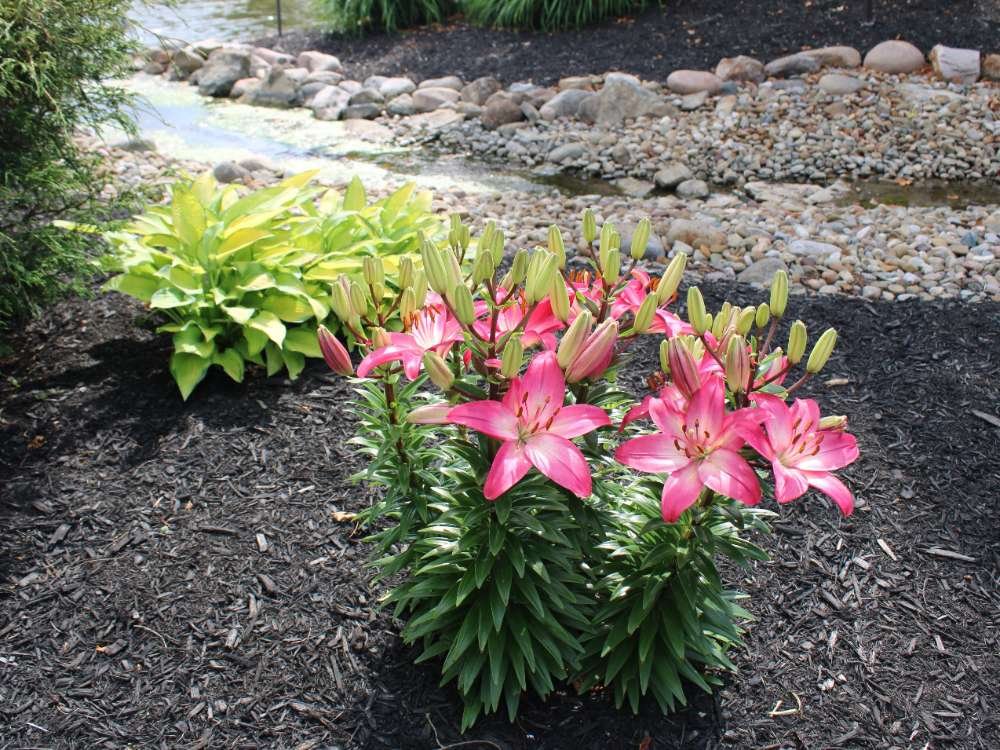
Many gardeners wonder whether pine products attract or repel insects in flowerbeds.
Pine bark nuggets and pine straw (dried pine needles) behave quite differently when it comes to garden insect activity.
Comparing Pine Straw and Large Bark Nuggets
Large pine bark nuggets do not pack down tightly, which allows air to circulate and prevents the soggy, stagnant conditions that many bugs crave.
However, fresh pine wood chips and damp shredded hardwood can attract roaches and beetles looking for decomposing sapwood.
Pine straw creates an acidic, airy cover that slugs often dislike crawling across, but dense layers of damp needles near your home foundation can sometimes harbor shelter-seeking cockroaches. Keep pine straw slightly thinned out to encourage healthy airflow.
Inorganic Mulch Options
If you want a ground covering that offers zero food value to insects, inorganic mulches are worth serious consideration.
Because inorganic options do not decay, they will not feed fungi, bacteria, or wood-eating insects.
Stone and Gravel Mulch
River rock, crushed granite, pea gravel, and lava rock make beautiful, permanent ground covers that pests completely ignore as a food source.
Insects cannot chew on stone, and rock beds dry out rapidly on top after rainfall, making the surface inhospitable to moisture-seeking bugs.
Keep in mind that rocks absorb and radiate heat during sunny days. In hot climates, rock mulch can raise soil temperatures and stress sensitive perennial roots. Rocks work best around hardy shrubs, succulents, and xeriscape landscapes.
Reflective Plastic Mulch
Reflective plastic sheeting and metallic silver films are commonly used in vegetable gardens and commercial agriculture.
These specialized mulches reflect ultraviolet light upward, which disorients flying pests like aphids, thrips, and whiteflies, preventing them from landing on vulnerable crops.
While reflective film is not as decorative as wood chips, it warms the soil early in spring, prevents weeds, and substantially reduces pest infestations without chemical sprays.
Rubber Mulch Facts and Cautions
Recycled rubber mulch made from shredded tires has become a popular choice for playgrounds and low-maintenance borders.
Because rubber is synthetic, it does not rot, host fungi, or provide food for termites or ants.
However, rubber mulch has notable downsides for plant health. Under strong summer sun, it can release strong chemical odors and leach trace minerals into the surrounding soil. It is also flammable and difficult to extinguish once ignited, so avoid placing rubber mulch right against building structures.
Proper Mulching Techniques to Keep Bugs Away
Even the best bug-repelling mulch can turn into a haven for pests if applied incorrectly.
Following a few smart landscaping practices ensures that your mulch serves its purpose without inviting an infestation.
Keep Mulch Away from the Foundation
Never pile organic mulch directly against the siding, brick, or concrete foundation of your home.
Maintain a bare buffer strip of at least 6 to 12 inches between your exterior walls and your garden mulch. Consider filling this perimeter border with gravel or crushed stone. This simple barrier stops crawling bugs and termites from finding a bridge directly into your wall framing.
Avoid Mulch Volcanoes and Overlayering
Mounding mulch high against tree trunks and shrub stems is known as mulch volcanoing, and it is terrible for plant health.
Excessive mulch traps moisture directly against the bark, softening the wood and welcoming borers, carpenter ants, and rot. Maintain an optimal mulch depth of 2 to 3 inches, and keep the material pulled back several inches from the root flare of trees and woody plants.
Frequently Asked Questions
Here are direct answers to common questions homeowners have when selecting pest-deterring mulches for their yards.
Which Mulch Repels Termites
Cedar, cypress heartwood, and melaleuca (tea tree) mulches are the most effective at repelling termites due to their natural extractive oils and resins.
In contrast, standard shredded sapwood, pine chips, and damp recycled pallet mulch can provide sustenance and moisture that termites may investigate.
Does Mulch Attract Cockroaches
Thick, damp organic mulches can attract outdoor roaches such as wood roaches and American cockroaches because they seek moist, dark environments.
To prevent roach problems, avoid overwatering your garden beds, maintain a shallow mulch depth of 2 to 3 inches, and use cedar mulch or pea gravel near doorways and patios.
What Mulch Keeps Mosquitoes Away
Cedar mulch is your best ally against mosquitoes. The aromatic cedrol in cedar shavings naturally deters adult mosquitoes from resting in your lower plant beds during hot afternoons.
Ensure your landscape drains properly so that standing water does not pool on top of the mulch layer.
Final Thoughts on Bug Repelling Mulch
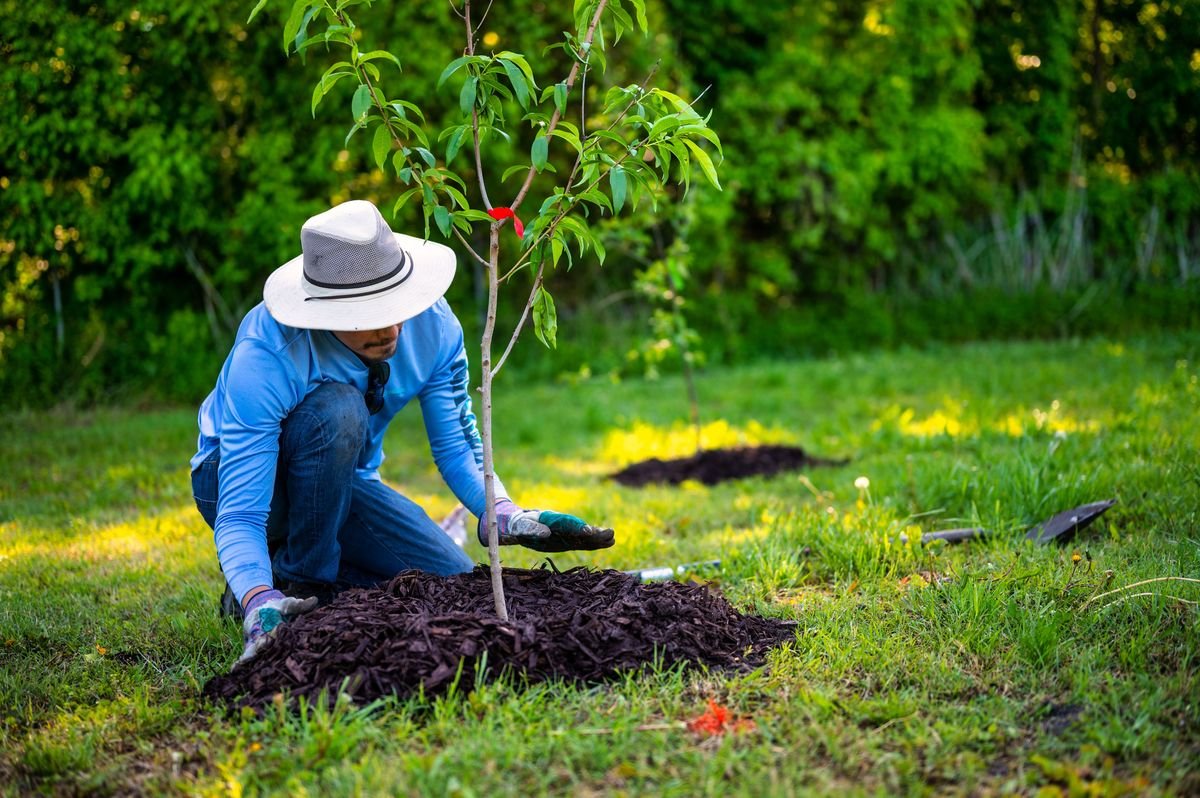
Mulch remains one of the most effective tools for building healthy soil and cultivating a beautiful garden.
By choosing naturally aromatic woods like cedar and cypress, or inorganic options like river rock, you can enjoy all the weed suppression and water retention benefits of mulch without turning your yard into a pest sanctuary.
Remember to keep your layers at a reasonable depth and leave a clear buffer around your home foundation to keep your landscape thriving and pest-free all season long.
Is Your Garden Mulch Inviting Unwanted Pests?
Answer 4 quick questions to see your result