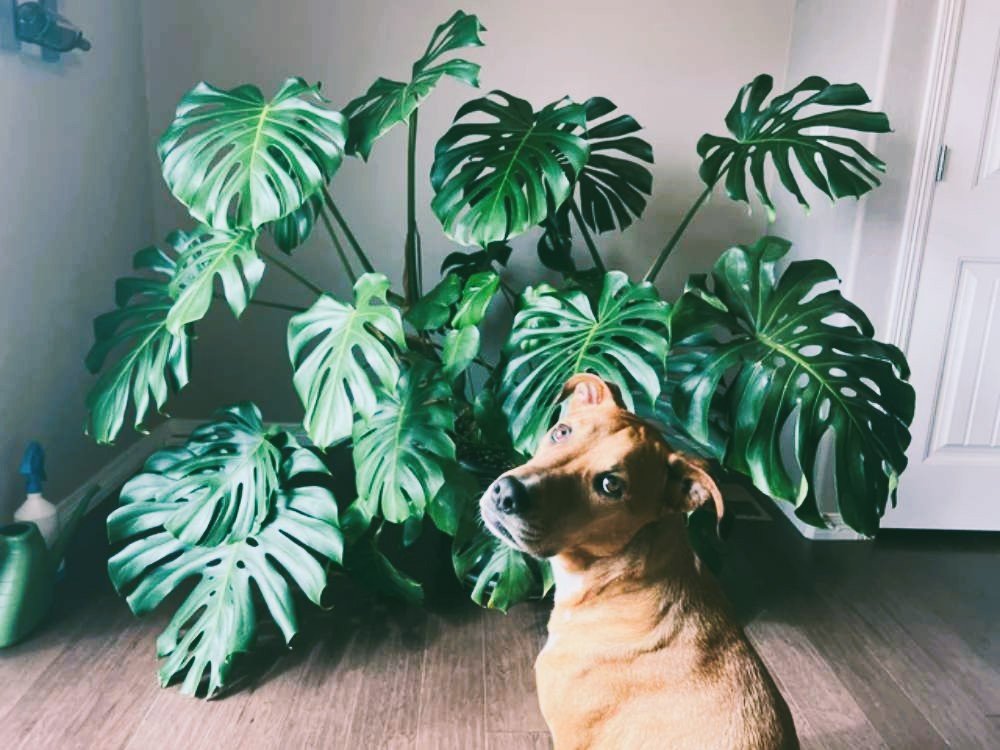
Dogs love to explore their surroundings using their noses and mouths. If you share your home with both lush greenery and a curious canine, you have likely wondered whether your favorite houseplants pose a threat to your four-legged companion.
Monstera deliciosa, commonly known as the Swiss cheese plant, remains one of the most popular indoor plants in the world.
Unfortunately, its stunning fenestrated leaves contain natural defense compounds that can cause severe oral pain and digestive distress in dogs.
Knowing the dangers, recognizing warning signs, and taking proactive pet-proofing steps will keep your furry companion safe while preserving your indoor garden.
Are Monstera Plants Poisonous to Dogs
The short answer is yes, Monstera plants are toxic to dogs. Every variety within the Monstera genus, including Monstera deliciosa, Monstera adansonii, and Monstera peru, carries chemical defenses that cause acute discomfort when chewed or swallowed.
While Monstera ingestion is rarely fatal for adult dogs, it is far from harmless. The plant triggers painful inflammation in the mouth, tongue, and throat almost immediately upon contact.
Small puppies, senior dogs, and toy breeds face higher risks from consuming plant material. For these vulnerable pets, swelling in the upper airway or persistent vomiting can quickly become a medical emergency.
Why Monstera Causes Harm
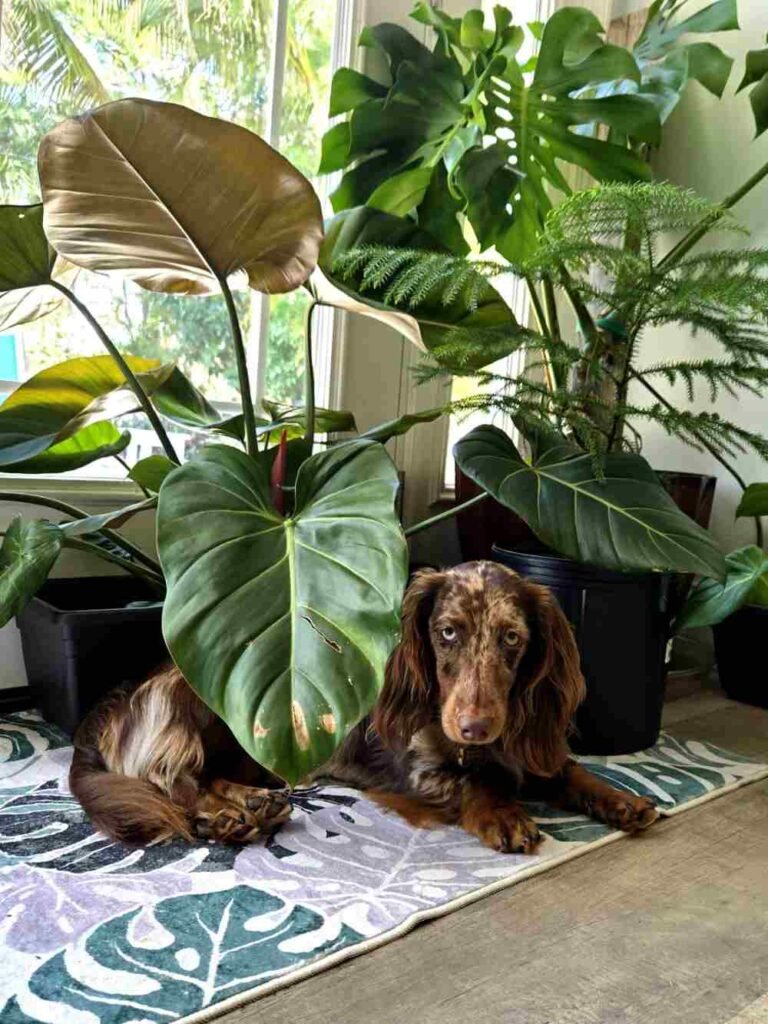
Unlike plants that produce systemic biological poisons, Monstera plants rely on physical defense mechanisms. The plant tissue contains needle-shaped insoluble calcium oxalate crystals packaged inside specialized cells called idioblasts.
When a dog bites into a Monstera leaf or stem, mechanical pressure causes these microscopic capsules to rupture. The sharp crystals shoot out into the soft tissues of the dog’s lips, gums, tongue, and esophagus like thousands of tiny glass shards.
Understanding Insoluble Calcium Oxalates
Insoluble calcium oxalates differ significantly from soluble oxalates found in certain vegetables. Soluble oxalates enter the bloodstream and damage internal organs such as the kidneys.
Insoluble oxalates do not dissolve in water or saliva. Because they remain solid, their damage is primarily localized to the physical contact zones throughout the mouth, throat, and stomach lining.
How Microscopic Crystals Damage Tissue
The microscopic crystal needles, known as raphides, embed themselves directly into the sensitive mucous membranes of the mouth. This penetration causes intense burning, stinging, and immediate tissue inflammation.
As the dog reacts to the pain, the body releases histamines, leading to rapid swelling. If sap gets onto the dog’s paws or around the eyes, it can also cause topical dermatitis and severe eye irritation.
Plant Parts That Contain Toxins
Pet parents often ask if certain parts of the plant are safer than others. The reality is that the entire Monstera plant contains calcium oxalate crystals, making every single structure hazardous to your pet.
Foliage and Stems
The lush green leaves and thick stems carry concentrated amounts of crystal-bearing sap. Because leaves often hang at dog eye level, they represent the most common target for playful puppies and bored adult dogs.
Even dead, yellowing, or dried leaves that drop to the floor retain sharp calcium oxalate crystals. Always clean fallen foliage promptly to eliminate temptation from the floor.
Aerial Roots and Soil Roots
Monstera plants produce thick aerial roots that climb up moss poles or trail toward the floor. These roots look like enticing chew toys or sticks to an inquisitive dog.
Roots contain dense levels of oxalate crystals. Chewing on root material can cause serious lacerations and oral irritation equal to or worse than chewing the foliage.
Monstera Berries and Fruit
In mature indoor setups or outdoor tropical gardens, Monstera deliciosa can produce cone-shaped fruit. The ripe fruit pulp is technically edible for humans once the scales flake off naturally.
However, unripe fruit contains extremely high concentrations of calcium oxalate crystals. Dogs should never be allowed to consume Monstera fruit at any stage of ripeness due to the risk of choking and severe gastrointestinal upset.
Signs Your Dog Chewed a Monstera
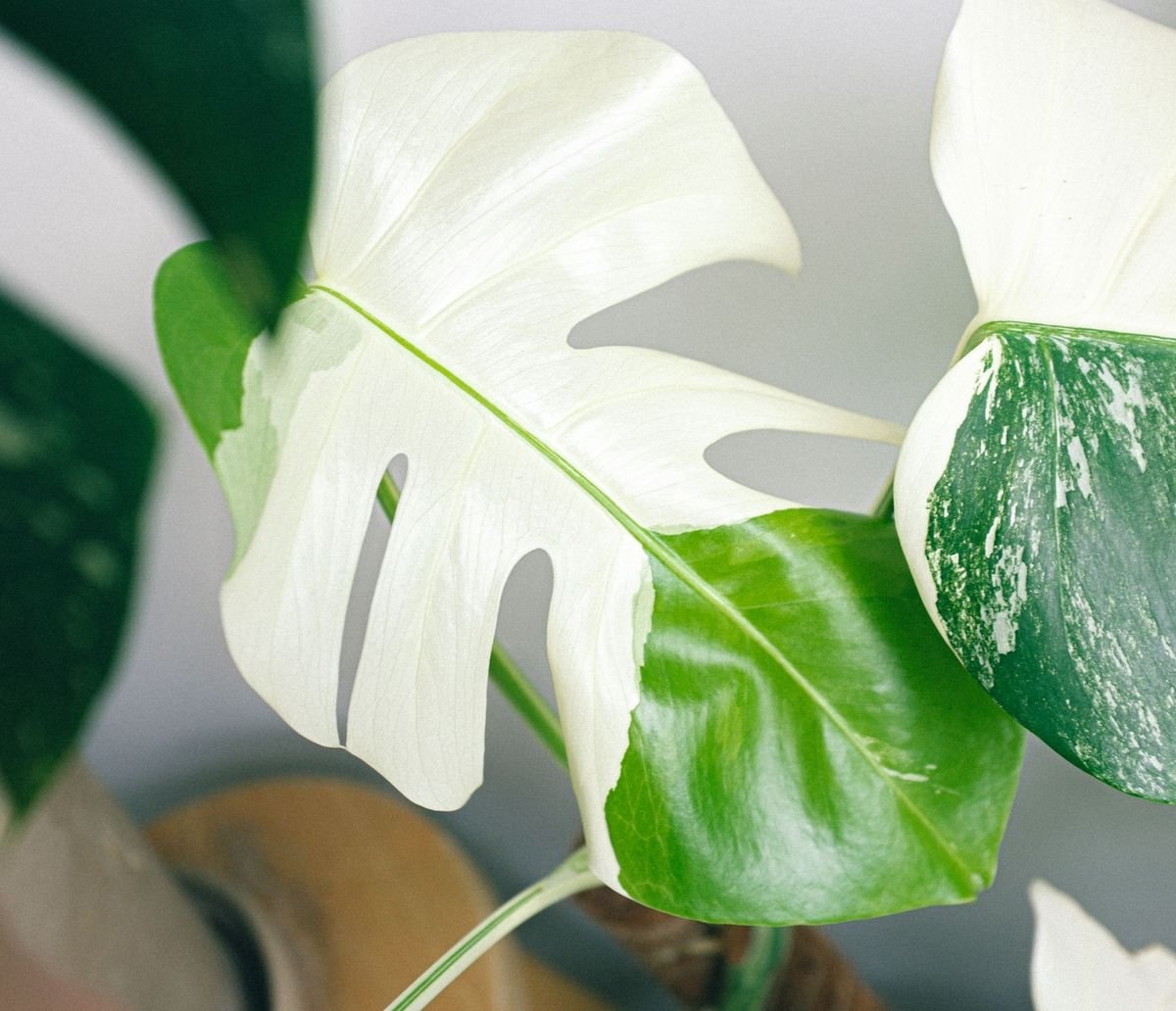
Symptoms usually appear instantly or within minutes of your dog chewing on a Monstera. The severity of the reaction depends on your dog’s size and how much plant material was macerated and swallowed.
Mild Symptoms
In mild cases where a dog took only a single exploratory bite, the physical discomfort will remain focused around the mouth.
- Excessive drooling and foaming at the mouth
- Pawing at the mouth, face, or muzzle
- Whining, pacing, or head shaking
- Redness and minor swelling of the lips and tongue
- Temporary loss of appetite due to oral tenderness
Most mild reactions resolve within several hours as saliva gradually washes the crystals away.
Severe Warning Signs
When a dog ingests substantial amounts of foliage or stems, symptoms can escalate rapidly into systemic distress.
- Frequent vomiting and dry heaving
- Difficulty swallowing or loud, painful gulping
- Severe swelling of the tongue, pharynx, and throat
- Labored breathing, wheezing, or stridor sounds
- Lethargy, weakness, and total refusal of water
If you observe swelling in the neck area or notice respiratory difficulty, immediate emergency veterinary intervention is required.
Immediate Steps to Take
Staying calm and acting systematically will help alleviate your pet’s pain quickly. Follow these straightforward steps the moment you discover your dog has chewed your Monstera.
First Aid at Home
First, gently remove any remaining plant matter from your dog’s mouth using a damp cloth. Do not induce vomiting, as bringing oxalate crystals back up through the esophagus will cause a second round of burning and tissue trauma.
Offer a small bowl of cold water, low-sodium broth, or a spoonful of plain yogurt. Dairy products contain soluble calcium that binds to free oxalate crystals, helping to neutralize their sharp edges and soothe the burning sensations in the mouth and throat.
When to Contact an Emergency Vet
Contact your primary veterinarian, an emergency animal hospital, or a pet poison helpline if symptoms progress beyond mild drooling.
Veterinary professionals can administer injectable anti-inflammatory medications, gastrointestinal protectants, and pain relief. In cases of airway swelling, oxygen therapy or hospitalization may be necessary to ensure your pet remains stable.
How to Keep Dogs Away from Monstera
You do not necessarily have to get rid of your beloved Monstera if you share your living space with a dog. Implementing practical physical barriers and consistent training ensures peaceful coexistence.
Physical Barriers and Elevation
The most reliable way to prevent accidental ingestion is keeping plants completely out of reach. Place medium-sized Monstera pots on elevated plant stands, tall credenzas, or wall-mounted shelving units.
For large floor specimens, consider placing decorative indoor fencing around the planter. You can also dedicate a dog-free room or home office to your tropical plant collection using child safety gates.
Training and Positive Deterrents
Teach your dog a reliable ‘leave it’ cue using positive reinforcement. Whenever your dog shows interest in your houseplants, redirect their focus to an approved chew toy and reward them with praise or a high-value treat.
Natural scent deterrents can also discourage curious sniffers. Dogs generally dislike citrus aromas. Placing fresh lemon or orange peels on the top layer of potting soil often creates an invisible boundary that dogs prefer to avoid.
Pet Safe Alternatives to Monstera
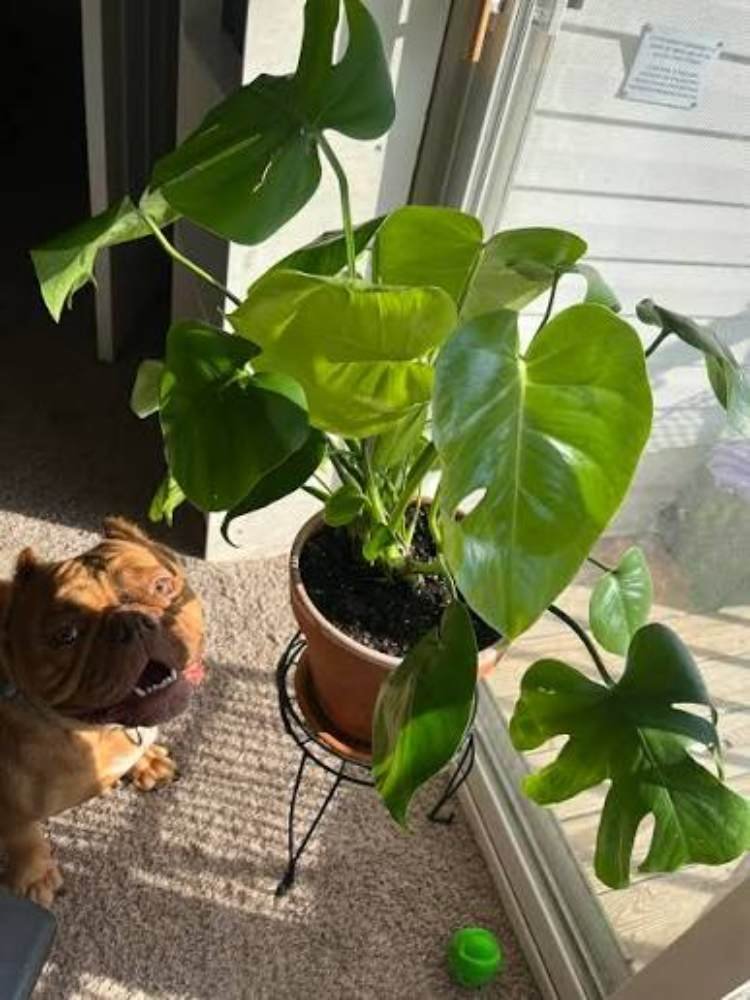
If you prefer total peace of mind without worrying about calcium oxalate risks, consider adding non-toxic tropical alternatives to your home.
- Cast Iron Plant (Aspidistra elatior): Highly resilient with dark green, broad architectural leaves.
- Parlor Palm (Chamaedorea elegans): Adds lush, feathery greenery while remaining non-toxic to cats and dogs.
- Money Tree (Pachira aquatica): Features a braided trunk and bold palmate foliage that is safe for curious pets.
- Peperomia varieties: Many Peperomia species offer thick, textured leaves with compact tropical visual appeal.
- Boston Fern (Nephrolepis exaltata): Creates dramatic hanging foliage that is completely pet-friendly.
Swapping hazardous plants for certified non-toxic species allows you to enjoy a thriving indoor jungle while keeping your beloved companion safe and healthy.
Assess Your Dog’s Monstera Risk Level
Answer 4 quick questions to see your result