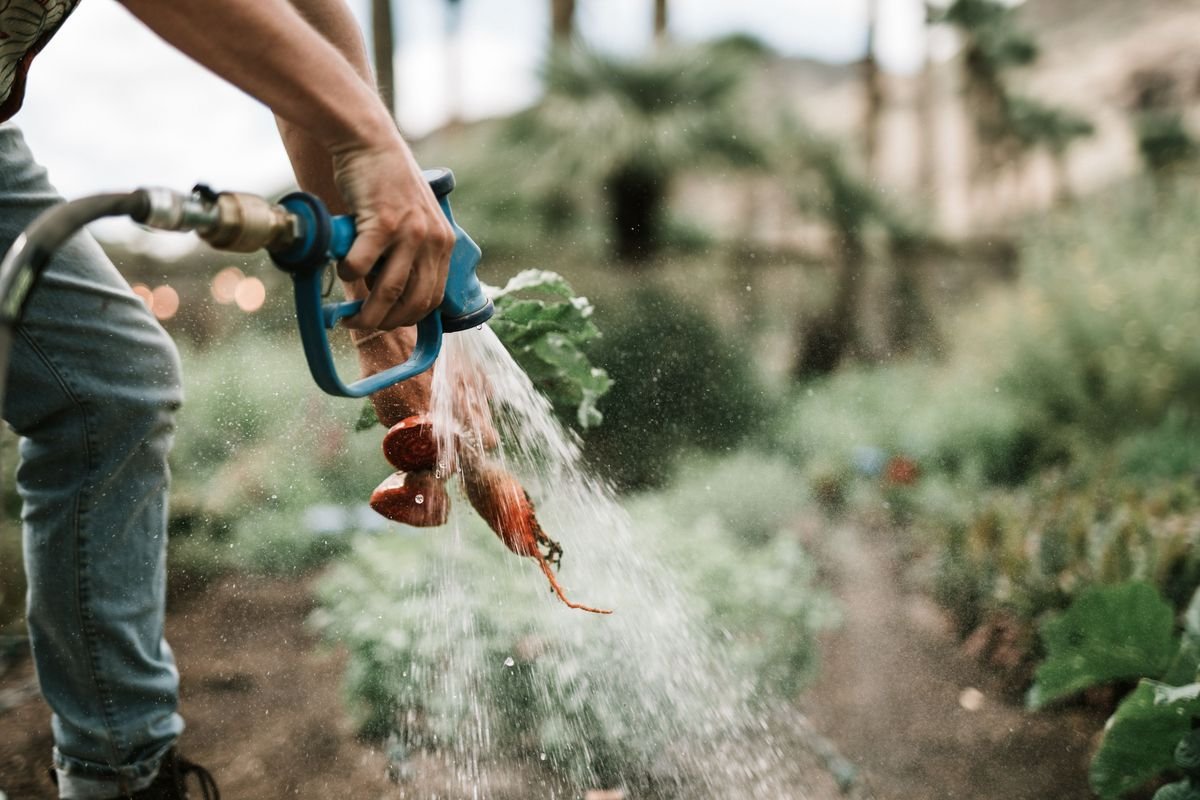
Growing your own food is one of the most rewarding projects you can take on at home. When you harvest fresh produce straight from your backyard or patio containers, you know exactly what went into the soil, water, and care of every single plant.
Starting an edible garden might feel intimidating if you have never planted a seed before. Fortunately, focusing on simple gardening fundamentals makes it easy to produce abundant, nutrient-dense crops right from your first season.
Choose the Right Location for Your Garden
Most edible plants need plenty of direct sunlight to produce sweet fruit and crisp greens. Aim for a spot that receives at least six to eight hours of direct sun daily.
Make sure your garden plot or container station sits near a reliable water source. Hauling heavy watering cans across a large yard gets old fast, and consistent moisture is essential for strong plant growth.
Start with Beginner Friendly Vegetables
When you are just starting out, picking high-yield, hardy crops will keep your confidence high and your kitchen stocked. Some of the easiest edible crops for beginners include:- Leafy greens like lettuce, spinach, and arugula
- Bush beans and snap peas
- Radishes and baby carrots
- Zucchini and summer squash
- Culinary herbs like basil, mint, and chives
- Cherry tomatoes
Build Rich and Organic Soil
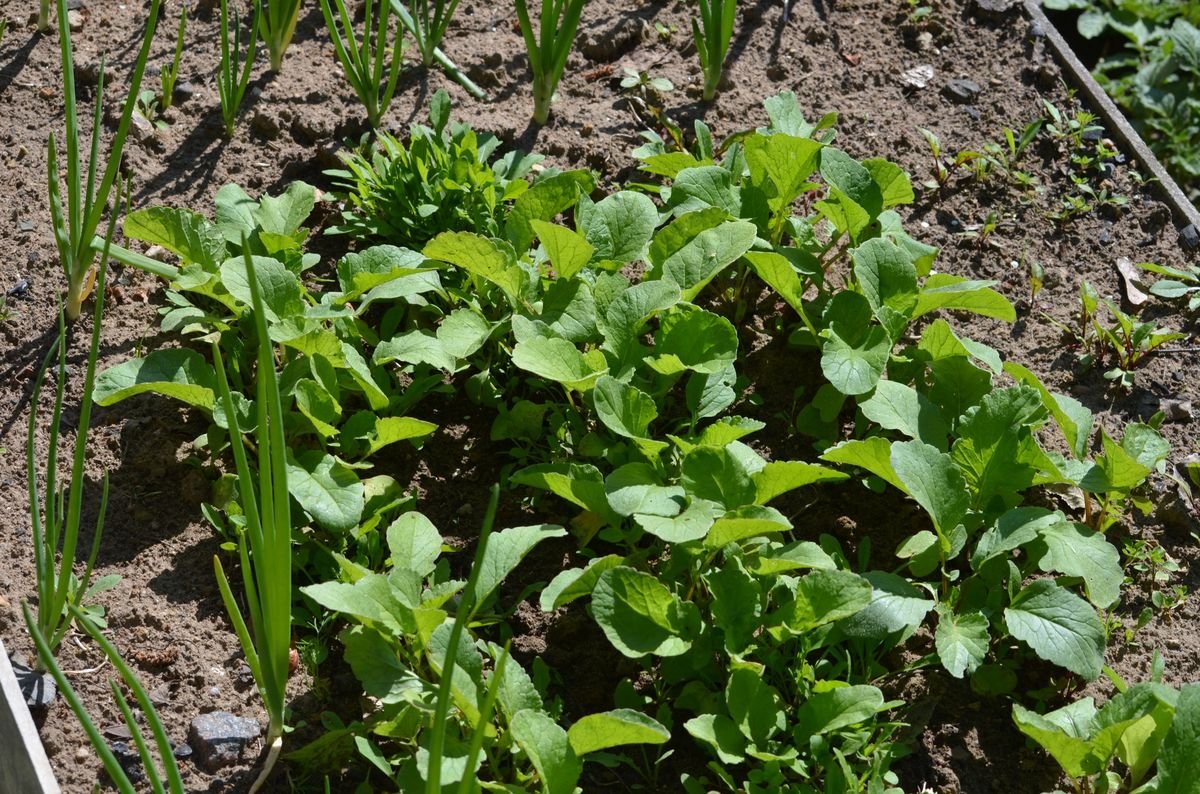
Healthy soil is the foundation of any productive vegetable garden. Plants draw all their vital nutrients and moisture directly from the earth around their roots.
Mix generous amounts of aged compost, leaf mold, or well-rotted manure into your garden beds. High organic matter creates loose, well-draining soil that retains moisture without suffocating delicate roots.
Pick Strong and Healthy Seedlings
If you decide to buy nursery starts rather than sowing seeds, take time to inspect each small plant carefully before buying.
Look for sturdy stems with deep green foliage and compact growth. Avoid seedlings that look leggy, yellow, or root-bound in their plastic pots.
If your young vegetable starts already have flowers or small fruit, pinch them off gently at planting time. This directs all the plant energy toward root establishment instead of early fruit production.
Use Natural Mulch to Retain Moisture
Spreading a protective layer of organic mulch across your garden beds offers huge benefits with very little effort.
Mulch helps keep the soil cool during hot afternoons, conserves water by reducing evaporation, and stops sunlight from waking up dormant weed seeds.
Straw, shredded leaves, untreated wood shavings, and grass clippings all make excellent, chemical-free mulch options for food gardens.
Establish a Consistent Watering Routine
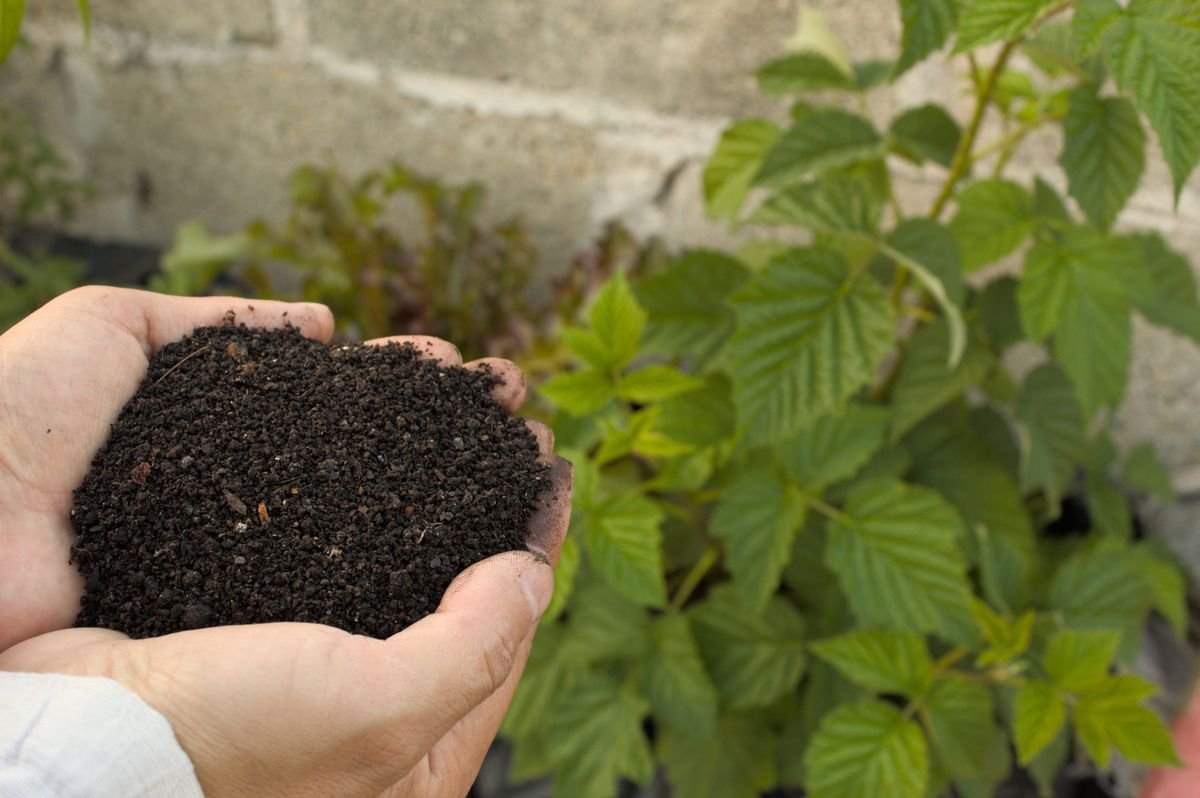
Edible plants need steady moisture to produce tender leaves and juicy, flavorful vegetables. Inconsistent watering often leads to cracked tomatoes, bitter greens, and poor root development.
Water deeply at the base of the plants in the early morning. This allows moisture to soak into the root zone before the heat of the day causes rapid evaporation, while keeping leaves dry to prevent fungal infections.
Remove Weeds Early and Often
Weeds compete aggressively with your crops for water, sunlight, and soil nutrients. Letting them take over can quickly reduce your harvest yields.
Pull unwanted weeds when the soil is slightly damp so you can extract the entire taproot cleanly. A simple hand weeder or sharp hoe makes quick work of small sprouts before they become established.
Try Companion Planting to Deter Pests
You do not need synthetic chemical sprays to keep destructive insects away from your vegetables. Interplant strong-smelling herbs and flowers alongside your produce to confuse and repel pests naturally. Good companion choices include:- Marigolds to deter soil nematodes and beetles
- Sweet basil planted near tomatoes to repel hornworms
- Dill and cilantro to attract beneficial predatory insects
- Alliums like garlic and onions to deter aphids
Inspect Your Plants for Warning Signs
Take a few minutes each day to walk through your garden and examine your plants closely. Spotting problems early makes them much simpler to solve.
Check the undersides of leaves and along tender stems for common garden pests such as aphids, spider mites, or caterpillars. Look out for discolored foliage, sudden drooping, or powdery spots that might signal disease.
Harvest at the Peak of Flavor
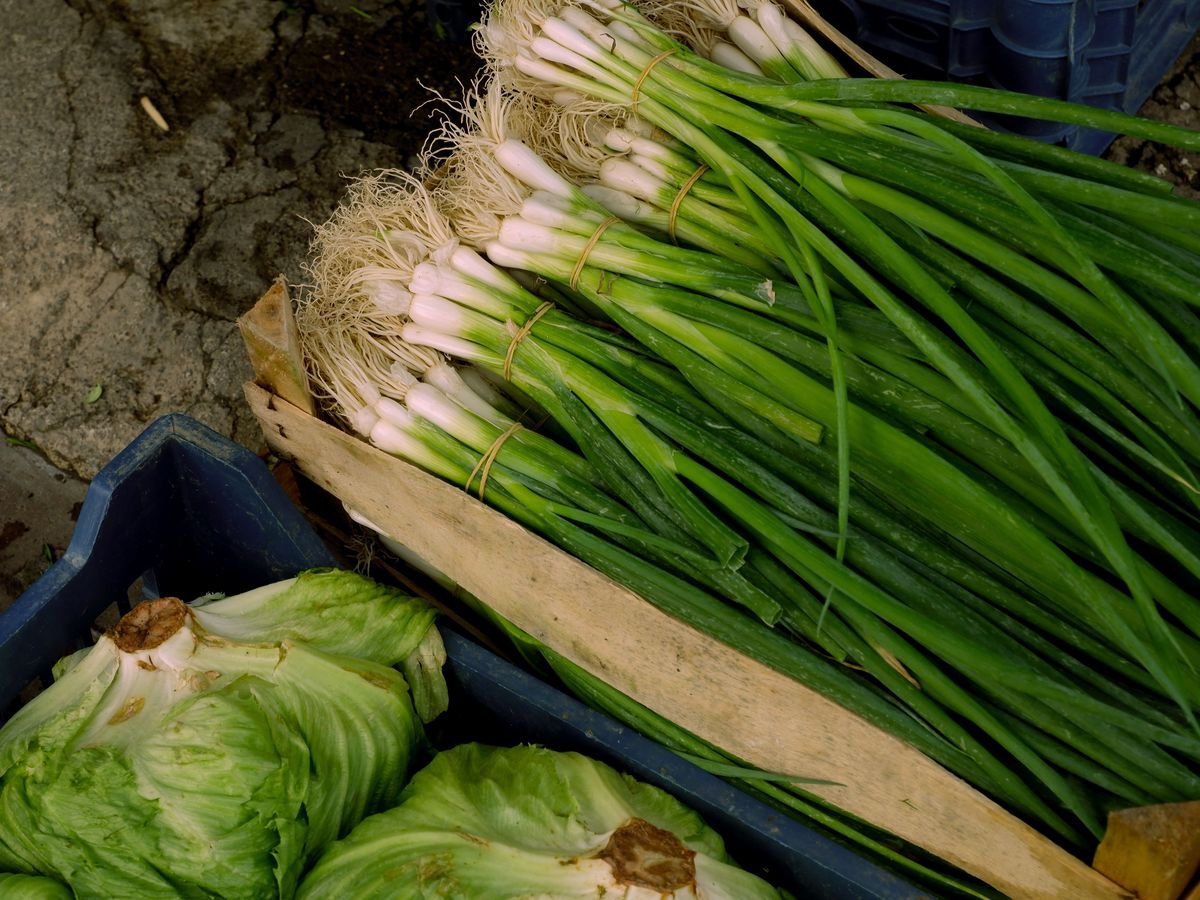
Picking your crops at the right time ensures maximum flavor, sweetness, and nutritional value.
Harvest leafy greens and herbs in the cool morning hours when their moisture content is highest. Regular picking also signals many plants, such as beans and zucchini, to keep producing fresh blooms and new vegetables all season long.
How Prepared Is Your Edible Garden Setup?
Answer 4 quick questions to see your result