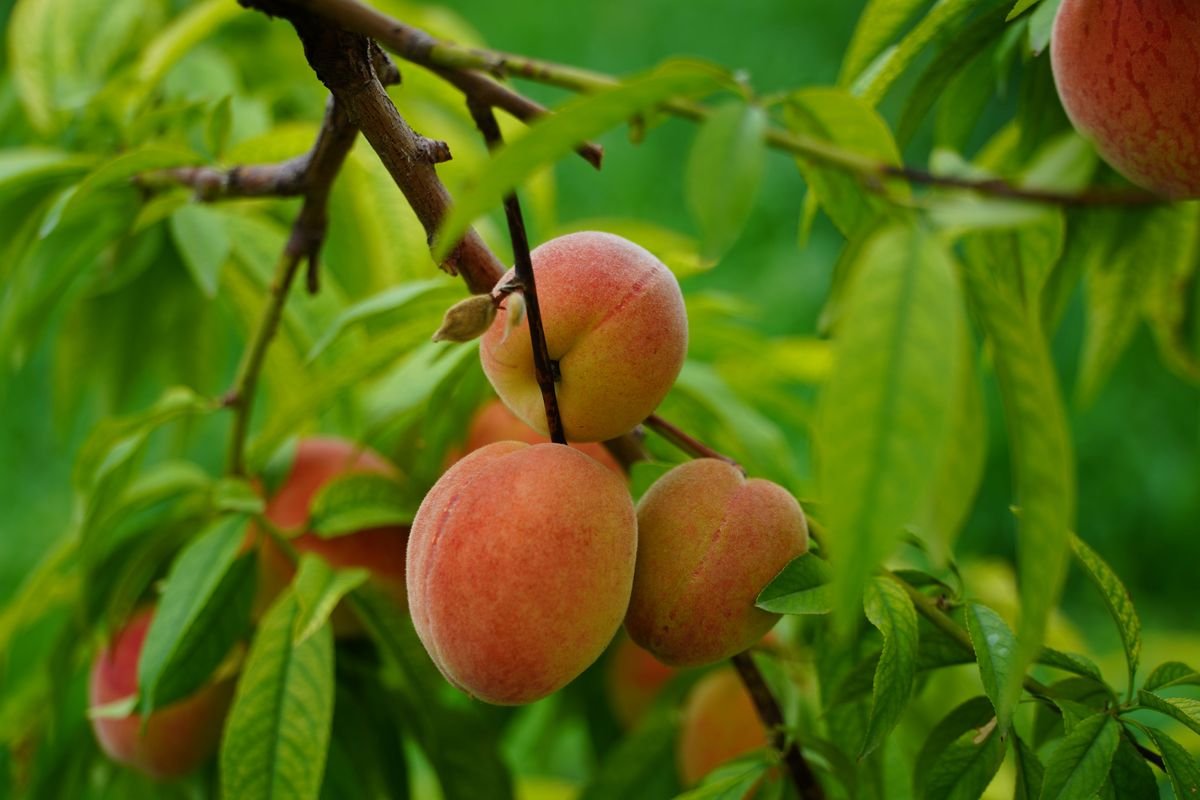
Growing peach trees in your backyard garden is one of the most rewarding gardening experiences. There is nothing quite like picking fresh, sun-warmed peaches directly from your own orchard.
Stepping outside only to find your peach tree leaves turning vibrant shades of red, purple, or bronze can cause immediate concern. While some red coloring is completely harmless, other instances point to fungal infections, pest attacks, or root stress that demand quick action.
Early Dormancy Triggers
Peach trees naturally shed their leaves in the autumn as temperatures drop. Before the foliage drops to the ground, the green chlorophyll breaks down, revealing brilliant yellows, oranges, and red hues.
If you notice red leaves late in the summer or early in the fall, your tree might simply be preparing for its winter rest. A sudden, unseasonable cold snap can easily fool a peach tree into entering dormancy weeks ahead of schedule.
Late-summer cold snaps trigger an early accumulation of anthocyanin pigments in the foliage. If the tree looks healthy overall and the leaves remain smooth without blisters or curling, early dormancy is likely the cause.
When this occurs, avoid fertilizing the tree with high-nitrogen plant food. Adding nitrogen late in the season will force tender new growth that will freeze and die during the winter months.
Natural Variety Characteristics
Not all red foliage is a sign of poor tree health. In fact, several stone fruit varieties and specific rootstocks naturally produce reddish or purplish leaves throughout the growing season.
Young spring growth on many standard peach cultivars often exhibits a slight red or burgundy flush. As the foliage matures and begins active photosynthesis, the red coloration gradually transitions into a deep, healthy green.
Certain ornamental and dual-purpose peach trees, such as the Bonfire patio peach, are specifically bred for their striking deep red foliage. If your tree has produced red leaves consistently since you planted it, you may simply have an ornamental cultivar.
Always check your tree tag or purchase records before worrying about disease. If the foliage is supple, well-formed, and free of spots, the color could just be part of the genetic makeup of your tree.
Peach Leaf Curl Disease
The most common and destructive cause of red peach foliage is a fungal infection known as peach leaf curl. This disease is caused by the fungus Taphrina deformans and attacks peach and nectarine trees in early spring.
Peach leaf curl creates distinct symptoms that make it easy to diagnose. The infected leaves become thick, puckered, curled, and distorted, taking on shades of bright red, pink, or yellow.
As the infection progresses, the distorted red leaves develop a dusty, velvety gray coating of fungal spores. Eventually, the infected foliage turns brown, withers, and drops prematurely from the branches, leaving the canopy bare.
Treating peach leaf curl requires proper timing:
- Apply a liquid copper fungicide or lime-sulfur spray during late autumn after 90 percent of the leaves have dropped.
- Apply a second spray in late winter or very early spring before the buds begin to swell.
- Avoid spraying during the growing season, because chemical treatments applied after leaves emerge are completely ineffective against this fungus.
- Hand-pick and destroy affected leaves during spring to prevent spores from splashing onto new branch growth.
Common Orchard Pests
Insect infestations can place severe physical stress on your peach tree, leading to discolored and mottled foliage. Sucking pests pierce the leaf tissue to feed on plant sap, draining vital nutrients.
Spider mites are frequent culprits during hot, dry summer months. As they feed on the undersides of the leaves, they cause fine red or yellow stippling that can turn whole sections of the foliage bronze or reddish-brown.
Peach tree borers are another destructive pest that can cause leaf discoloration. The larvae burrow directly into the lower trunk and root crown, disrupting the vascular system and starving the upper canopy of water.
Look closely at the base of your tree trunk for clear or amber gum mixed with sawdust-like frass. If you find borer damage, treat the trunk with an appropriate organic or synthetic insecticide specifically labeled for stone fruit borers.
Root Rot and Overwatering
Peach trees require well-draining soil and will suffer quickly if their root system remains waterlogged. Excessive rainfall or overwatering saturates the ground, driving out oxygen that tree roots need to breathe.
When roots suffocate in waterlogged soil, they begin to decay and become vulnerable to fungal root rot pathogens like Phytophthora. Without healthy roots, the tree cannot transport water or minerals up into the canopy.
This severe vascular stress often causes leaves to turn pale yellow, develop red margins, wilt, and drop prematurely. In severe cases, the entire tree canopy can decline in just a few weeks.
To prevent waterlogged roots:
- Plant peach trees in elevated garden beds or on slight mounds if your soil contains heavy clay.
- Allow the top 2 to 3 inches of topsoil to dry out before giving the tree another deep watering.
- A mature peach tree needs roughly 1 to 2 inches of water every 10 to 14 days during dry periods.
- Install perforated drain pipes or divert nearby downspouts to redirect excess surface runoff away from your orchard.
Severe Drought and Heat Stress
While excessive moisture creates severe issues, extreme heat and prolonged dry spells can also turn peach tree leaves red. High temperatures increase the rate of transpiration, causing the tree to lose moisture faster than its roots can absorb it.
During intense heatwaves, peach leaves may develop reddish-brown, scorched margins along the edges. The foliage often curls inward as the plant attempts to conserve internal moisture.
Heat-stressed peach trees produce defensive pigments called anthocyanins to protect their internal cellular machinery from solar radiation. This protective response can give the canopy a noticeable reddish-purple cast.
Apply a 3-inch layer of organic wood chip mulch around the base of your tree, keeping it several inches away from the trunk. Mulch insulates the root zone against temperature spikes and conserves valuable soil moisture.
Soil Nutrient Deficiencies
Mineral imbalances in the soil can alter the color of peach tree leaves. When a tree lacks specific primary or secondary nutrients, its ability to manufacture green chlorophyll is compromised.
Phosphorus deficiency is a classic cause of abnormal red or purple foliage. Leaves lacking phosphorus often turn dull, dark green before developing distinct reddish-purple tints along the veins and undersides.
Nitrogen deficiency can also contribute to red coloring. Older leaves at the base of branches will turn pale yellow, and the stems and leaf petioles frequently take on a bright red or pinkish hue.
Before adding random fertilizers, perform a comprehensive soil test through your local university extension office. Soil testing reveals exact nutrient levels and soil pH, which should ideally measure between 6.0 and 6.5 for optimal peach growth.
Chemical Injury and Herbicide Drift
Herbicide drift is an underdiagnosed cause of damaged, discolored foliage in home orchards. If you or a neighbor spray weed killers on a nearby lawn, tiny chemical droplets can drift through the air onto your peach tree.
Broadleaf lawn herbicides containing 2,4-D or dicamba cause severe foliage distortion. The leaves may cup, twist, turn reddish-purple, and develop abnormal growth patterns along branch tips.
Glyphosate drift causes yellowing and reddening at the base of new leaves, followed by stunted, bushy shoots known as witches broom. Even minor exposure can weaken a young fruit tree for several seasons.
Always avoid spraying lawn herbicides on windy days, and use dedicated sprayers for orchard care. If you suspect chemical drift has occurred, rinse the foliage thoroughly with fresh water immediately after exposure.
How to Inspect Your Tree
Accurately diagnosing the reason behind red peach leaves requires a methodical physical inspection. Taking a few minutes to examine your tree up close will help you select the right solution.
Begin by checking the texture and shape of the discolored leaves. Smooth, flat red leaves point to nutrient deficiencies, heat, or early dormancy, while puckered, thickened leaves confirm peach leaf curl.
Next, use a magnifying glass to check the undersides of the leaves for webbing, small crawling insects, or fungal spots. Shake a small branch over a white sheet of paper to detect tiny spider mites.
Finally, inspect the lower trunk and the soil around the root zone. Dig down 3 inches near the drip line to verify soil moisture, and look closely at the bark for oozing sap or entrance holes from borers.
Best Preventive Care Steps
Keeping your peach tree healthy throughout the year is the most effective way to prevent discolored foliage and disease outbreaks. Vigorous trees with strong immune systems resist environmental stress and fungal attacks far better than neglected ones.
Practice good orchard sanitation by raking up and disposing of all fallen leaves and dropped fruit each autumn. Fungal spores and insect pupae readily overwinter in garden debris beneath the canopy.
Prune your peach trees annually during late winter while they remain fully dormant. Open-center vase pruning allows sunlight and fresh air to circulate freely through the branches, drying wet leaves quickly and stopping fungal spores from germinating.
Maintain a consistent watering schedule during fruit development, delivering moisture directly to the soil surface rather than using overhead sprinklers. Wet foliage encourages spore germination and increases the risk of leaf diseases.
When to Call an Arborist
Most causes of red peach leaves can be managed successfully by home gardeners with basic cultural adjustments and timely organic sprays. However, certain situations warrant calling a certified arborist or professional tree specialist.
If your peach tree suffers total canopy defoliation two seasons in a row, it may require professional intervention to prevent total tree loss. Severe trunk damage, extensive wood rot, or widespread borer infestations deep within the structural limbs are also difficult to resolve alone.
An experienced arborist can take tissue samples, diagnose complex root infections, and provide specialized micro-injections to preserve valuable fruit trees. Seeking professional advice early can save your tree and keep your orchard productive for years to come.
Peach Tree Health and Red Leaf Assessment
Answer 4 quick questions to see your result