When you notice chewed leaves or stunted growth in your garden, your first instinct might be to reach for a spray bottle. It is completely normal to want to protect your plants from hungry invaders.
However, reaching for harsh chemical treatments can often do more harm than good. The truth is that not every insect in your yard is a destructive pest.
By inviting natural predatory insects into your garden, you create a self-sustaining ecosystem that keeps problem bugs in check without extra work or toxic sprays.
Why Garden Ecosystems Need Helpful Insects
A healthy garden is never completely sterile. In fact, a thriving backyard relies on a vibrant web of life where insects, birds, and soil microbes work together.
Beneficial insects serve as nature’s organic cleanup crew. They hunt down leaf-eating pests and keep destructive insect populations from exploding.
When you foster these natural hunters, you eliminate the need for synthetic sprays that strip away soil vitality and harm native pollinators.
Common Ways Bad Pests Damage Plants
Destructive garden insects attack your plants in several ways, often working beneath leaves where they go unnoticed until real damage occurs.
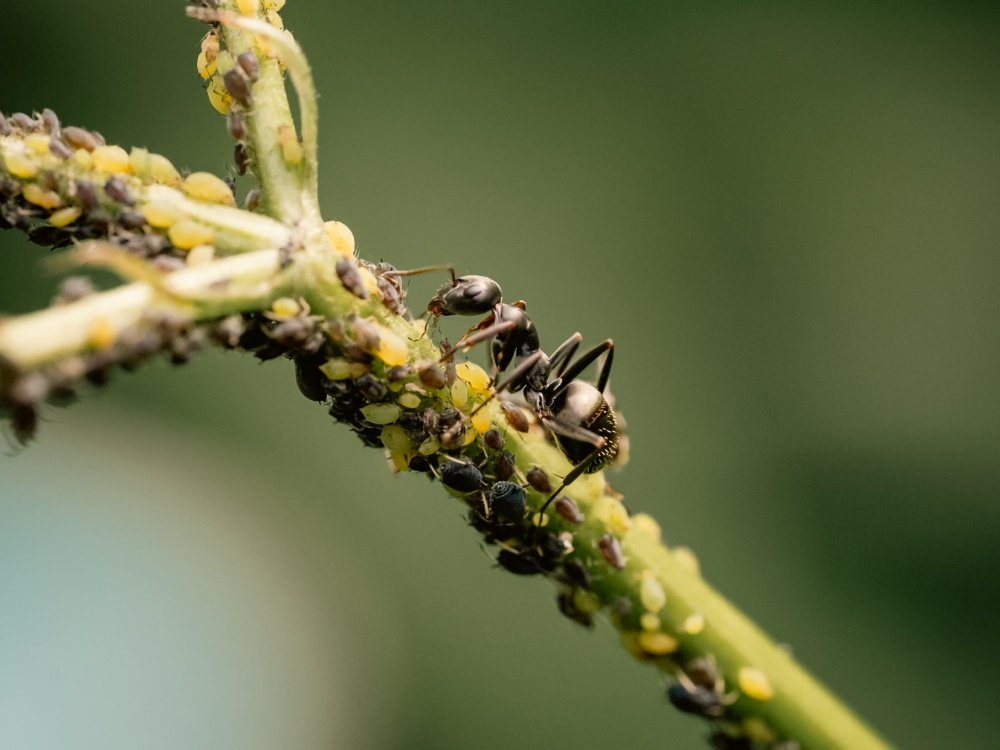
Sap-sucking pests puncture plant tissue to feed on internal fluids. This deprives the plant of moisture and vital carbohydrates needed for photosynthesis.
Other chewing insects target tender roots, flowers, and foliage, which reduces your harvest and weakens the overall structure of the plant.
Signs of Sucking Insect Activity
Sucking pests such as aphids, thrips, and spider mites leave behind very distinct clues.
You may notice curling leaves, yellow stippling, or sticky residue on the foliage known as honeydew.
This honeydew can quickly lead to black sooty mold, which blocks sunlight and interferes with healthy leaf function.
Plant Diseases Spread by Garden Pests
Physical damage is only part of the problem when bad bugs overrun your garden.
Many common pests act as carriers for viral, bacterial, and fungal pathogens. As they move from plant to plant feeding on tissue, they inject microscopic diseases directly into the plant circulatory system.
Once a virus takes hold in a crop, there is often no cure, making insect prevention your best line of defense.
The Best Beneficial Predators for Pest Control
Introducing or welcoming predatory insects gives you round-the-clock protection. These garden allies hunt down troublesome pests at various stages of their life cycles.
Knowing which beneficial bugs to look for will prevent you from accidentally harming your garden’s best defenders.
Ladybugs and Their Voracious Larvae
Ladybugs, also known as ladybird beetles, are famous for their appetite for aphids. A single adult can eat dozens of aphids every single day.
Their larvae are even more impressive hunters. Resembling tiny dark alligators with bright spots, ladybug larvae consume hundreds of soft-bodied pests before pupating.
They also feed on scale insects, mealybugs, and mite eggs, making them invaluable partners in your vegetable beds.
Praying Mantises for Large Pests
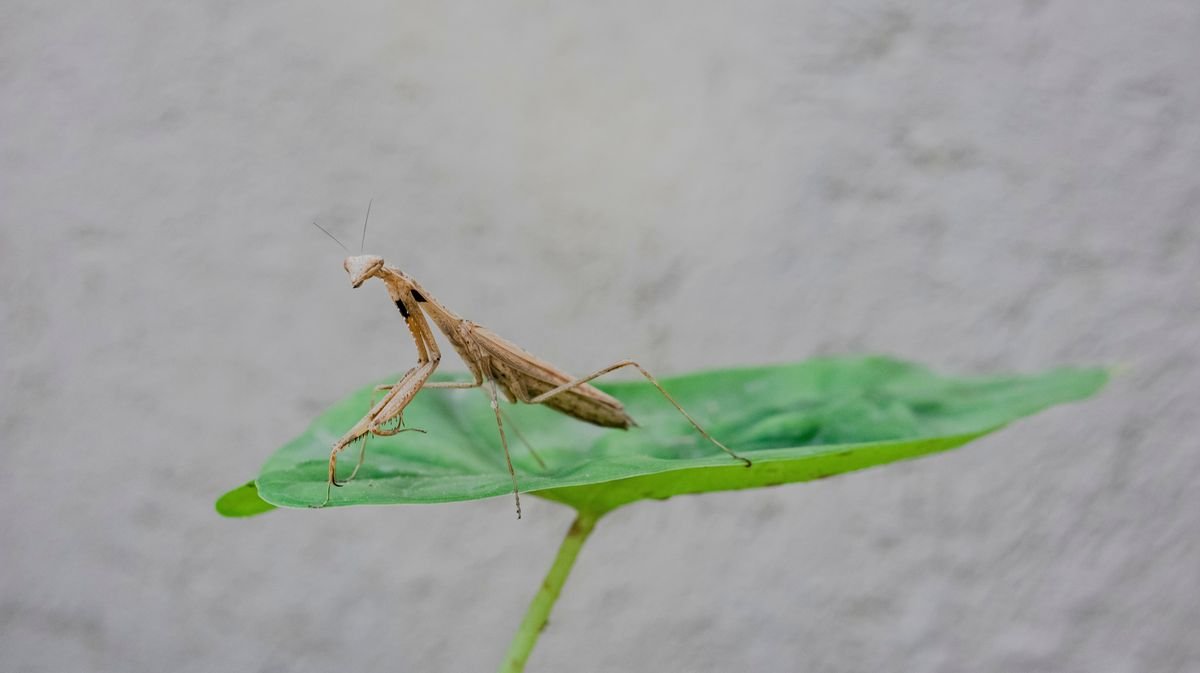
Praying mantises are stealthy ambush hunters capable of tackling larger insect problems.
With lightning-fast forelegs, they capture grasshoppers, beetles, moths, and caterpillars that chew through broad leaves.
Because they blend seamlessly into surrounding greenery, they wait patiently and strike without disturbing your plants.
Green Lacewings as Aphid Destroyers
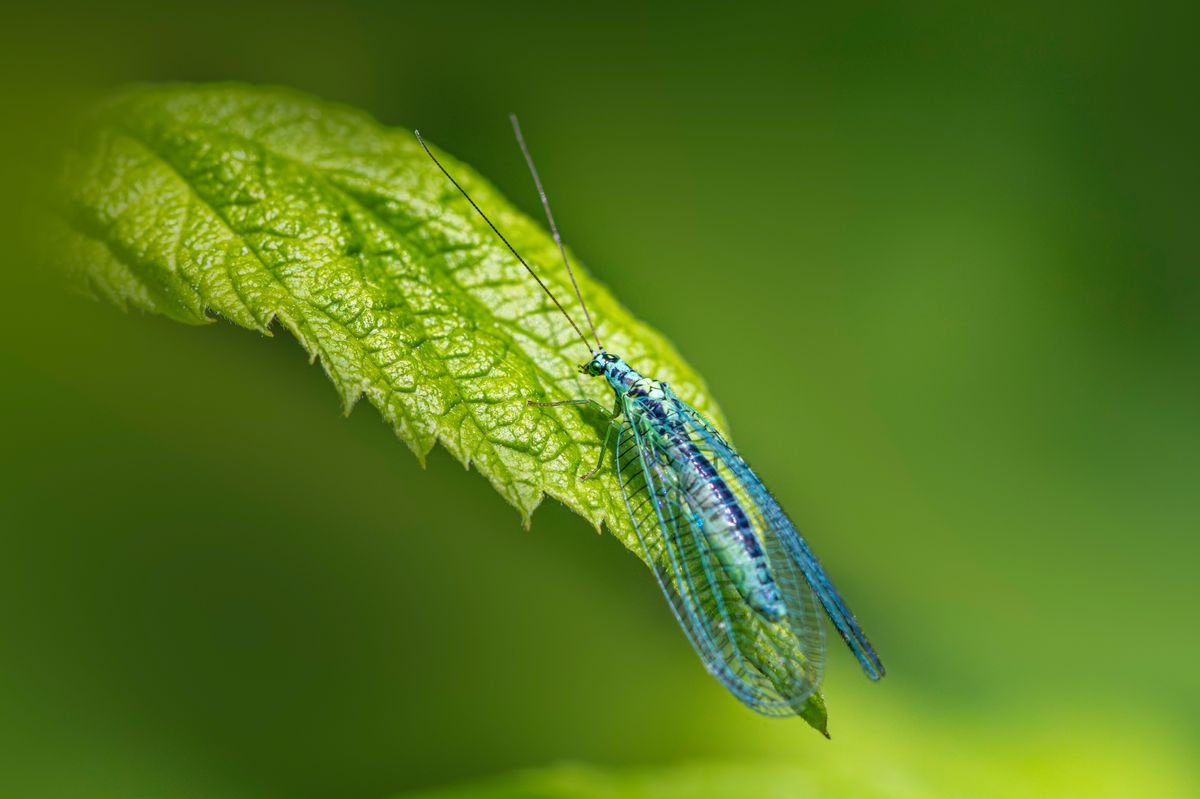
Green lacewings are delicate, fluttery insects with golden eyes, but their offspring are formidable predators.
Lacewing larvae are often called aphid lions because of their relentless pursuit of small pests.
They use curved, hollow jaws to seize aphids, thrips, whiteflies, and small caterpillars, injecting digestive enzymes and clearing out infestations quickly.
Hoverflies for Pest Control and Pollination
Hoverflies frequently mimic the yellow and black stripes of small bees or wasps, but they are completely harmless to humans.
Adult hoverflies are excellent pollinators that spend their days sipping nectar and moving pollen between blossoms.
Meanwhile, hoverfly larvae crawl along stems hunting aphids, thrips, and other small garden nuisances.
Minute Pirate Bugs for Tiny Invaders
Minute pirate bugs may be tiny, but they pack a major punch against elusive pests.
Both the nymphs and adults hunt aggressively across leaf surfaces, targeting spider mites, thrips, and insect eggs.
Because of their small size, they easily crawl into tight plant crevices where larger predators cannot reach.
Predatory Wasps and Parasitoids
While social wasps can sometimes be a nuisance at outdoor picnics, solitary predatory wasps are exceptional garden defenders.
Parasitic wasps lay their eggs inside or on host pests like tomato hornworms and aphids.
As the young develop, they naturally reduce pest numbers without causing any damage to your crops or posing a threat to people.
Practical Ways to Attract Good Predators
Beneficial bugs will only settle in your garden if they find the resources they need to survive and reproduce.
By providing diverse food sources, reliable moisture, and safe overwintering spots, you can transform your backyard into an insect sanctuary.
Plants That Provide Nectar and Shelter
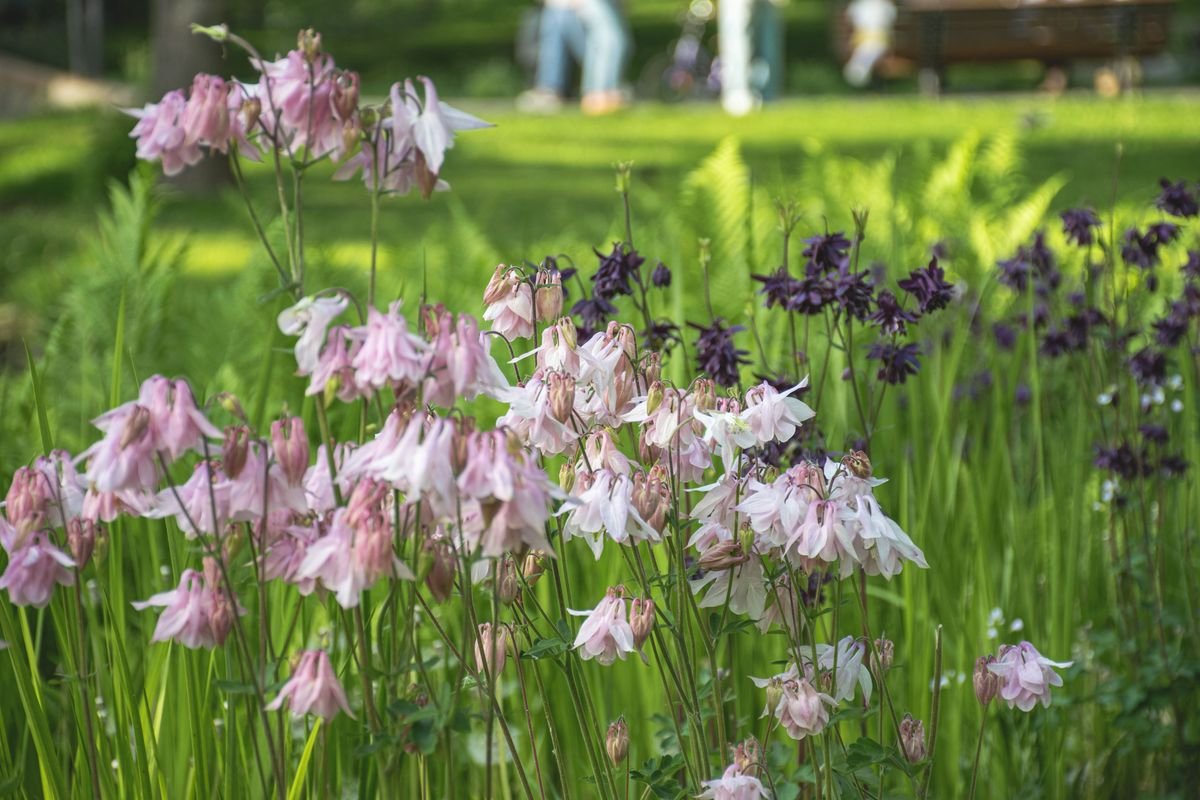
Many adult predators feed primarily on pollen and nectar when prey is scarce. Growing plants with small, open flowers will keep them well fed.
Consider adding these reliable plants to your borders:
- Sweet alyssum for continuous low groundcover blooms
- Dill, fennel, and coriander for umbrella-shaped flower clusters
- Yarrow and cosmos for sturdy perches and nectar supplies
- Sunflowers and marigolds for long-blooming color and shelter
Interplanting these flowering companions among your vegetables ensures your pest patrol stays close to your vulnerable crops.
Water Sources and Chemical Free Gardening
Insects need hydration just like any other animal, especially during hot summer months.
Set out shallow dishes filled with pebbles and fresh water so beneficial insects can drink without the danger of drowning.
Most importantly, stop using broad-spectrum synthetic pesticides. These chemical sprays wipe out beneficial predators faster than pests, creating an endless cycle of pest outbreaks.
Simple Steps for Long Term Pest Balance
Patience is essential when building a biological pest control system in your garden.
Allow a minor pest presence in early spring. If there are no bad bugs to eat, early predatory insects will move elsewhere in search of food.
Trust the natural balance, keep planting diverse flowers, and let nature’s pest control team protect your garden naturally.
How Predator Friendly Is Your Garden?
Answer 4 quick questions to see your result