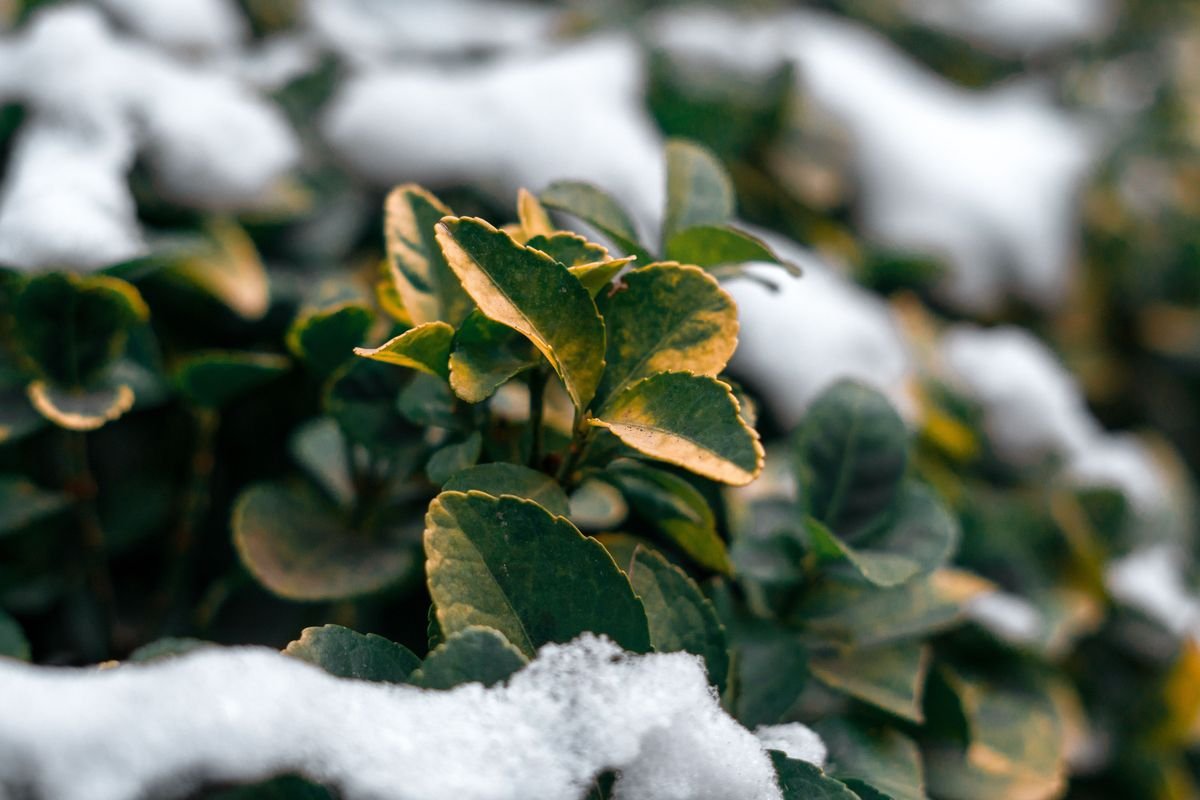
Taking care of a vegetable garden brings a special kind of peace and satisfaction to your daily routine. Tending to green plants, watching them push through the soil, and gathering crisp produce right outside your back door makes all that effort worthwhile.
When autumn winds bring a sharp chill to the air, you do not need to pack away your gardening tools or shut down your raised beds. Many delicious vegetables thrive in freezing weather, and some even taste much sweeter after facing a hard frost.
Understanding Your Winter Climate
Before you choose seeds or prepare garden beds, take a close look at how cold your local winters really get. The lowest temperature your region reaches each winter determines which crops can survive outdoors and which ones need extra shelter.
If your local temperatures regularly dip below 25 degrees Fahrenheit, you must provide physical protection for most cold-season crops. In contrast, gardeners in mild regions can keep hardy greens and root crops growing through the winter with minimal intervention.
Daylight hours drop significantly during late autumn and early winter. Plants grow slowly when daylight drops below ten hours per day, so your main goal is getting plants to mature size before the winter solstice arrives.
Planning Your Planting Schedule
A successful winter harvest starts long before the first snowflake touches the soil. Most winter crops need to be seeded during the high heat of late summer or the cool days of early autumn.
This early timing allows root systems and sturdy leaf canopies to fully establish while the sun remains warm and days stay long. Once winter locks in, your garden becomes a living refrigerator where crops hold their peak quality until you are ready to pick them.
Peas
Peas are a versatile crop that gardeners often plant in late summer for a crisp autumn harvest. Many varieties can also overwinter in mild regions to produce exceptionally early spring pods.
When overwintering peas, sow seeds about six to eight weeks before your first expected autumn frost. Young pea plants handle light frosts easily, but you should mulch around their bases heavily before deep freezes arrive.
Beets
Beets offer a two-in-one harvest of earthy roots and tender, nutrient-dense leafy greens. Sow beet seeds directly into your garden beds six to ten weeks before the ground freezes.
If you want a steady supply of tender baby greens for salads, you can harvest outer leaves throughout late autumn. To keep the roots healthy through freezing winter weeks, lay a thick layer of clean straw over the root zone.
Onions
Overwintering onions are bred to endure freezing winter conditions and develop massive bulbs early the following summer. Plant onion sets or young starts in early autumn so they establish strong roots before the soil turns hard.
Keep the soil moderately moist until the ground freezes solid. A four-inch layer of shredded autumn leaves or clean straw will insulate the root crowns through the coldest nights of January and February.
Broad Beans
Broad beans, also known as fava beans, are exceptionally tough legumes that can survive severe winter temperatures. Sowing fava beans in mid-autumn produces deep roots that fix nitrogen into your soil while waiting for spring.
Because winter winds and heavy snow can knock down tall stems, stake your broad bean plants firmly. You will enjoy a plentiful harvest of plump, tender green pods by early to mid-spring.
Kale
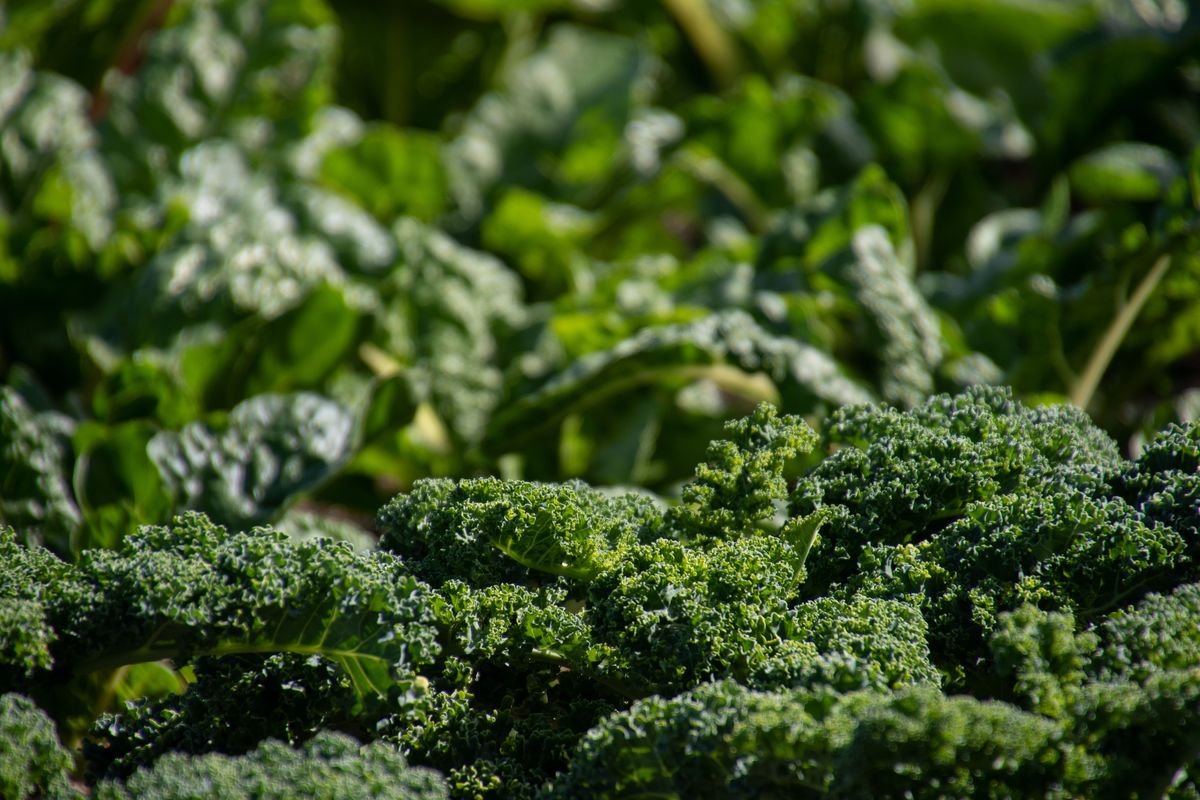
Kale reigns as one of the most reliable and resilient winter greens you can grow. Exposure to freezing temperatures triggers the plant to convert stored starches into natural sugars, making winter kale sweet and tender.
Plant kale transplants or seeds in mid-August so the plants develop thick, sturdy stems before freezing weather sets in. Even under heavy snowfall, curly and dinosaur varieties will remain green and ready for harvest.
Garlic
Garlic is one of the easiest crops to cultivate, making it a favorite for gardeners of all experience levels. Plant individual cloves pointy-side up in mid to late autumn, roughly two to three weeks after your first light frost.
Cover your garlic beds with three to four inches of organic mulch like straw or pine needles. This layer protects the emerging root system from frost heaving and keeps competitive spring weeds from taking over.
Carrots
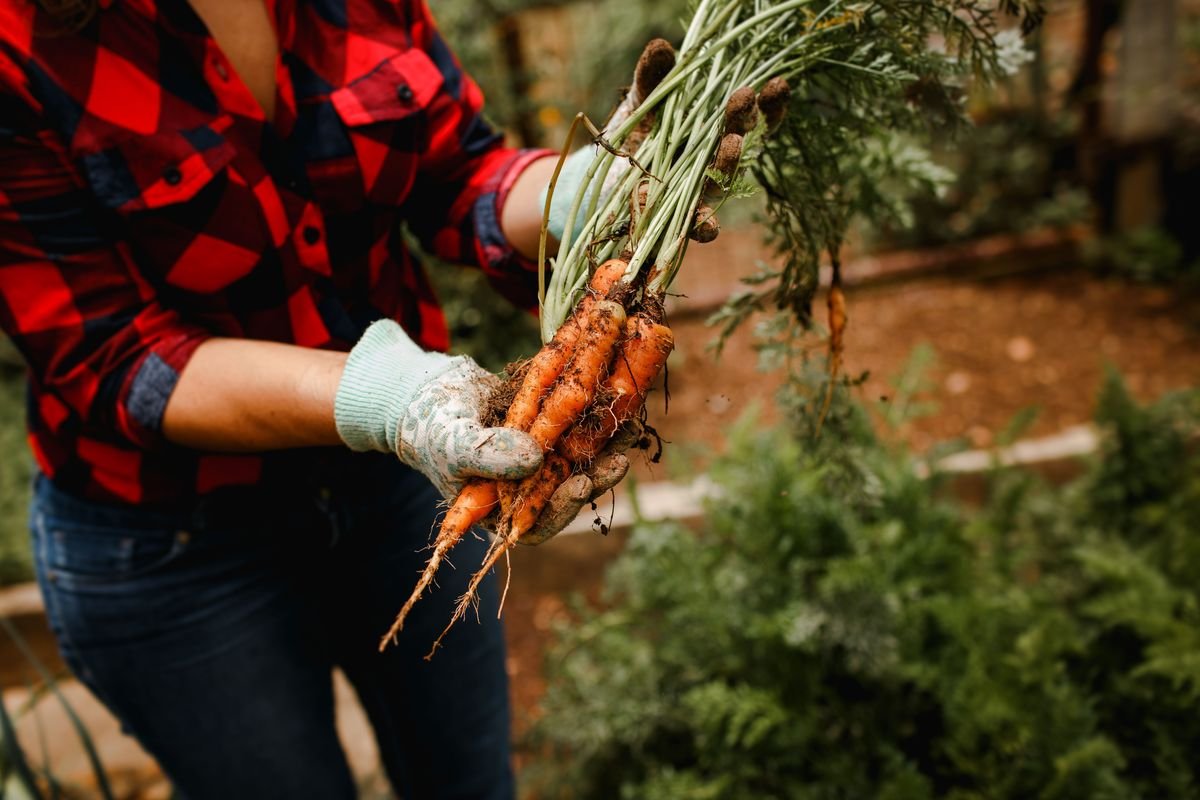
Carrots planted in late July or early August transform into extraordinarily sweet root treats during cold weather. Much like kale, carrots respond to chilly soil by packing their taproots with sugar as a natural antifreeze.
Once top growth pauses in late autumn, cover the carrot shoulders with deep mulch. You can dig up crisp, fresh carrots all winter long simply by brushing away the snow and straw.
Cabbage
Winter-hardy cabbage varieties form compact, dense heads that hold up remarkably well against frost. Sow seeds in mid-summer so the heads have enough warm sunshine to reach full size by late October.
Savoy varieties with crinkled leaves are exceptionally resistant to freezing temperatures. When cold nights arrive, cut heads as needed for hearty winter soups, slaws, and braised side dishes.
Turnips
Turnips are quick-growing root vegetables that produce both flavorful greens and sweet roots in chilly weather. Sowing turnip seeds in late summer yields mature roots in as few as fifty days.
Unlike delicate summer crops, turnips maintain crisp texture when left directly in cold garden soil. Protect the roots with mulch to extend your harvest well into the heart of winter.
Radishes
Winter radishes, such as Daikon and Watermelon varieties, are larger and far more cold-tolerant than quick spring radishes. Sow these seeds in late summer to let their large taproots store nutrients through autumn.
These hardy roots break up compacted soil while providing a peppery crunch for winter meals. They store exceptionally well in the ground beneath a protective blanket of straw.
Leeks
Leeks are classic winter garden champions that stand tall through deep snow and severe frost. Starting them from seed in late spring or buying nursery starts in early summer guarantees thick, tender shanks by November.
Hill soil around the white stems as they develop to blanch them and keep them sweet. You can harvest leeks straight from frozen soil throughout the entire winter season.
Protective Covers for Winter Gardening
While some crops survive winter open to the elements, many tender greens require simple protective coverings. Adding physical barriers prevents windburn, reduces temperature swings, and traps ground warmth around delicate foliage.
Gardeners use several effective structures to shield their winter beds:
- Floating row covers made of lightweight spunbond polyester
- Cold frames built from wood boxes with glass or polycarbonate lids
- Individual plastic or glass cloches placed over single plants
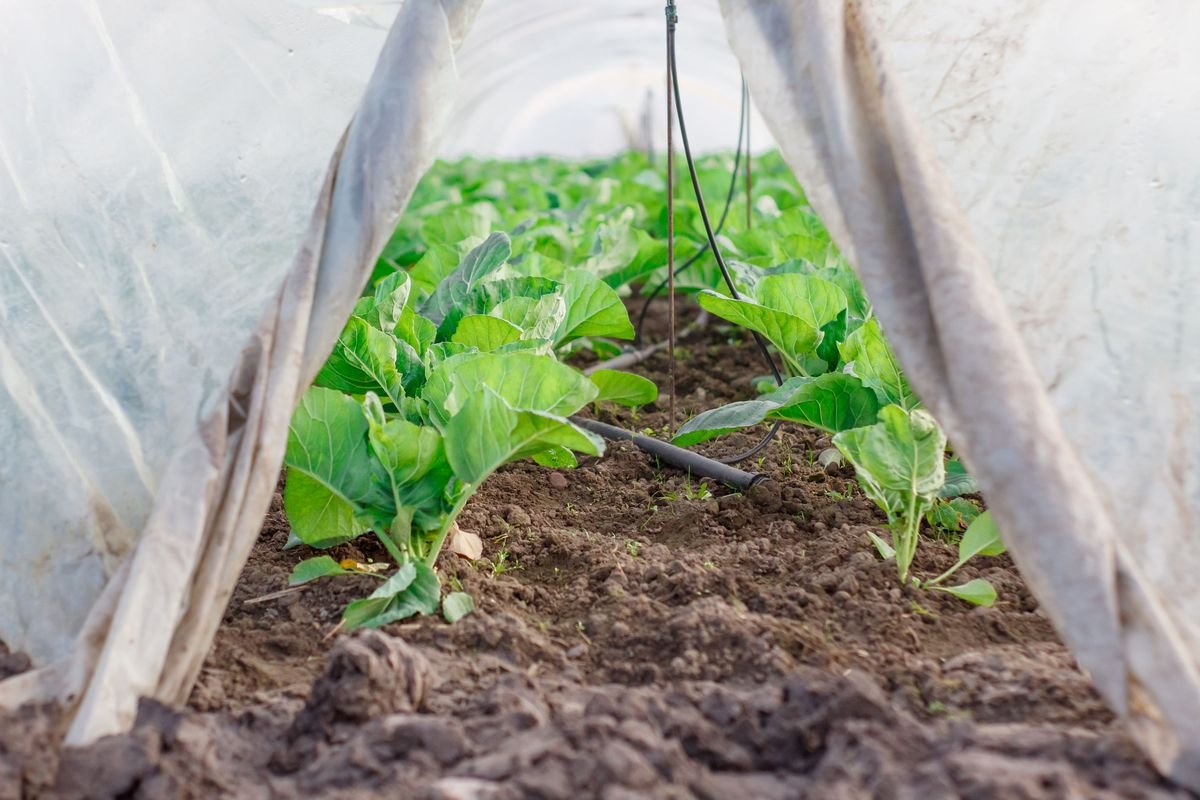
- Low plastic hoop tunnels stretched over metal conduit or PVC pipes
Swiss Chard
Swiss chard displays vibrant colors in the garden and continues producing leaves through mild frosts. To maintain productivity into deep winter, shelter your chard plants under a low tunnel or row cover.
Sow seeds in early August and harvest the outer stalks continuously to encourage fresh new growth. Protected plants will survive cold snaps and bounce back quickly with abundant growth in early spring.
Spinach
Spinach is arguably the toughest salad green you can grow during cold weather. It tolerates low sunlight levels with ease and can withstand repeated freezing and thawing cycles under cover.
Sow spinach seeds in late August or September in fertile, well-drained soil. When protected by a simple cold frame or row cover, spinach yields succulent, tender leaves all winter long.
Parsley
Parsley is a biennial herb with surprising cold endurance that keeps your kitchen supplied with fresh flavor through winter. Sow seeds in mid to late summer in deep, compost-rich soil.
When nighttime temperatures drop below freezing, cover your parsley patch with a glass cloche or row fabric. You can snip outer sprigs throughout the cold season without damaging the main plant.
Lettuce
Lettuce seeds struggle to germinate in hot mid-summer soil, so start your winter lettuce indoors or in a shaded nursery tray during August. Transplant sturdy seedlings into covered garden beds once late summer heat begins to subside.
Choose cold-tolerant varieties such as oakleaf, romaine, or winter butterhead types. With the protection of a cold frame or greenhouse, you can pick crisp salad leaves through every winter month.
Bok Choy
Bok choy and other Asian greens grow quickly in cool temperatures, making them prime candidates for winter eating. Sow seeds every two to three weeks starting in August for a steady succession of crisp, crunchy stalks.
Because bok choy contains high water content in its thick white ribs, hard freezes can damage unprotected foliage. Shield your plants with row covers or low tunnels whenever frost threatens.
Arugula
Arugula thrives in the brisk temperatures of autumn and winter, developing a rich, peppery taste without bolting to seed. Sow seeds in late summer and continue planting small batches through early autumn.
Protect your arugula beds with lightweight floating row covers before severe frosts hit. You can harvest individual baby leaves repeatedly from the same plants for weeks on end.
Winter Soil Care and Watering
Caring for garden soil in winter requires a different approach than summer gardening. Because cold air slows evaporation, outdoor plants need far less supplemental water during cold months.
Always check the soil moisture below the mulch before watering, and only water on warm mornings so excess moisture drains before freezing night temperatures. Amending beds with generous amounts of aged compost in late summer provides the slow-release nutrients winter vegetables need.
Harvesting Tips for Frozen Crops
Harvesting vegetables during freezing weather requires patience and gentle handling. Never harvest frozen leafy greens while they are stiff with frost, as touching them can crush delicate cellular structures and turn leaves into mush.
Wait until midday when the sun warms the garden and leaves thaw naturally before cutting your salad greens. For root crops buried beneath frozen ground, use a sturdy garden fork to pry up roots without snapping brittle stems.
Final Thoughts on Winter Gardening
Winter vegetable gardening changes the way you look at the cold months, turning a dormant season into an exciting time of harvest. By selecting cold-hardy varieties and using simple protective covers, you can enjoy crisp produce all year long.
Start small with a single raised bed of hearty kale, carrots, and spinach this season. As your confidence and skills expand, your winter garden will become one of the most productive parts of your homestead.
Is Your Garden Ready for Winter Growing?
Answer 4 quick questions to see your result