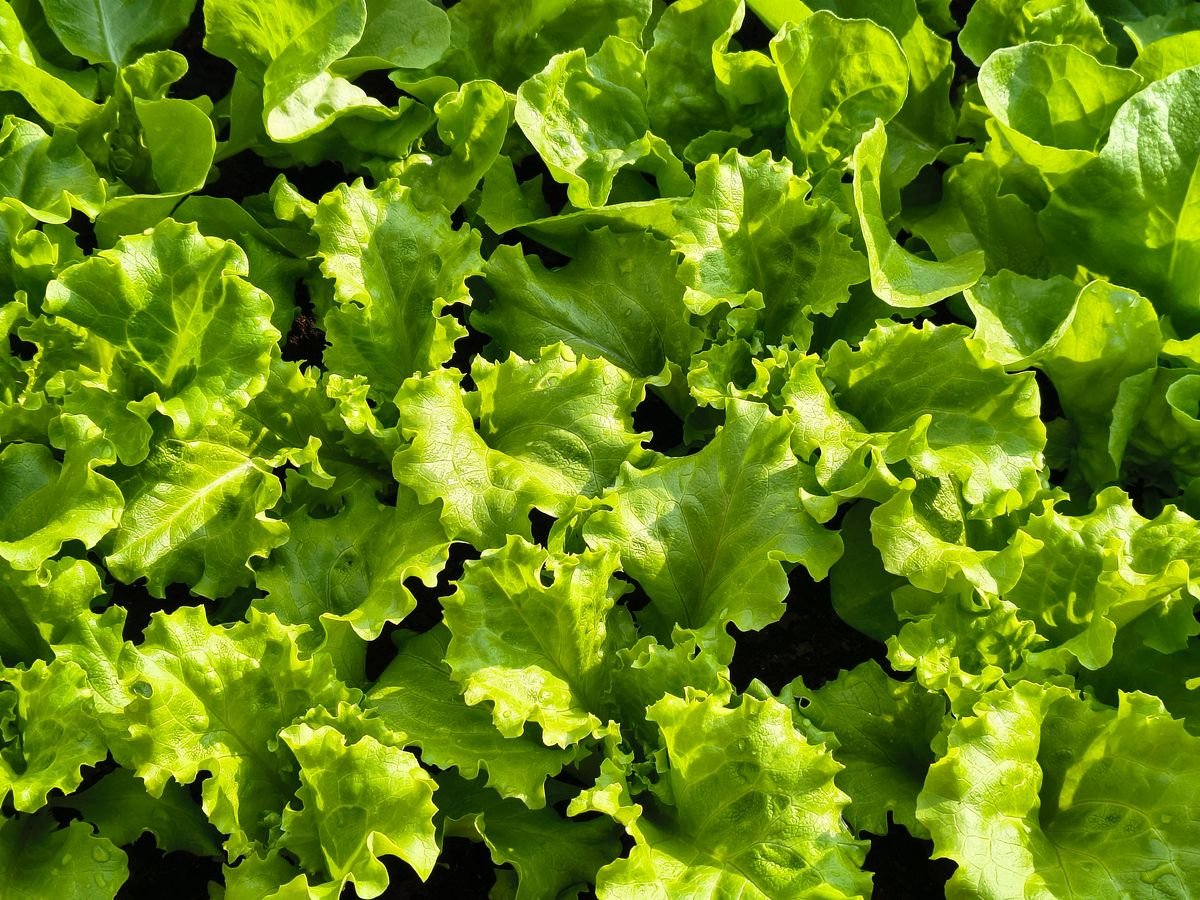
Growing your own crisp lettuce is one of the most rewarding parts of maintaining a home vegetable garden. Few things match the crisp texture and sweet flavor of freshly harvested salad greens picked right outside your kitchen door.
Unfortunately, tender lettuce leaves are just as appealing to garden pests as they are to you. Aphids in particular can multiply rapidly on leafy greens, causing curled foliage, stunted growth, and messy deposits that ruin your harvest if left unchecked. Learning how to identify, remove, and prevent these tiny intruders using garden safe methods will help you keep your salad beds thriving all season long.
Why Aphids Target Garden Lettuce
Lettuce is an exceptionally succulent plant with tender tissue and high water content, making it an ideal target for sap feeding insects.
Aphids use sharp, piercing mouthparts called stylets to puncture the outer cells of lettuce leaves and stems. Once they pierce the foliage, they drink the nutrient rich phloem sap flowing through the plant.
This continuous extraction deprives the crop of vital moisture and carbohydrates needed for healthy leaf development.
As aphids feed, they excrete a sticky, sugary liquid known as honeydew.
This sticky residue coats the leaves and quickly encourages the growth of black sooty mold fungus. Honeydew also attracts foraging ants, which will actively protect aphid colonies from beneficial predators in exchange for the sweet excretion.
Beyond cosmetic damage and weakened growth, aphids can act as vectors for debilitating plant diseases.
They frequently transmit lettuce mosaic virus and other pathogens from wild weeds directly into your garden beds. Once a viral infection takes hold in a lettuce crop, the affected plants cannot be cured and must be destroyed.
How to Spot Aphids on Your Lettuce Early
Early detection is the single most important factor in keeping aphid numbers manageable without resorting to aggressive treatments. Because aphids reproduce through parthenogenesis, a single female can produce dozens of live offspring without mating. Under warm conditions, a small cluster of pests can balloon into a massive colony in less than a week. Make it a habit to inspect your lettuce crop at least twice each week. Examine both the upper and lower surfaces of the leaves, paying special attention to the tender center of the head where new growth emerges. Aphids strongly prefer hiding in tight crevices where moisture is high and predators cannot easily reach them. Look for these common visual signs of an aphid presence on your greens:- Clusters of small, pear shaped insects gathered along the underside of mature leaves or deep inside the crown.
- Curled, puckered, or distorted foliage on young seedlings and developing heads.
- Sticky sheen or glossy patches across the foliage caused by honeydew drops.
- Patches of dark, powdery sooty mold growing over the leaf surface.
- Tiny, white cast off skins clinging to the leaves, left behind as nymphs molt and grow.
- Increased ant activity trailing up and down the stems of your lettuce plants.
Common Aphid Species Found on Salad Greens
Several distinct aphid species feed on lettuce, and knowing which one you are dealing with can help refine your management plan.
The lettuce aphid (Nasonovia ribisnigri) is one of the most frustrating pests for salad growers. This species specializes in penetrating deep into the heart of heading lettuce, making surface treatments difficult to deliver effectively.
Green peach aphids (Myzus persicae) are another widespread pest found on a broad range of backyard vegetables.
They range in color from pale green to yellowish pink and typically settle on the undersides of older, outer leaves. While they are easier to reach with topical sprays than lettuce aphids, they reproduce extremely quickly and have developed resistance to several synthetic chemicals.
Potato aphids (Macrosiphum euphorbiae) occasionally target lettuce beds as well.
These are noticeably larger than green peach aphids and often have a pink or light green hue with a characteristic dark stripe down their backs. They tend to cluster around the stems and midribs of the leaves, causing substantial wilting when populations climb.
Spraying Lettuce with Clean Water
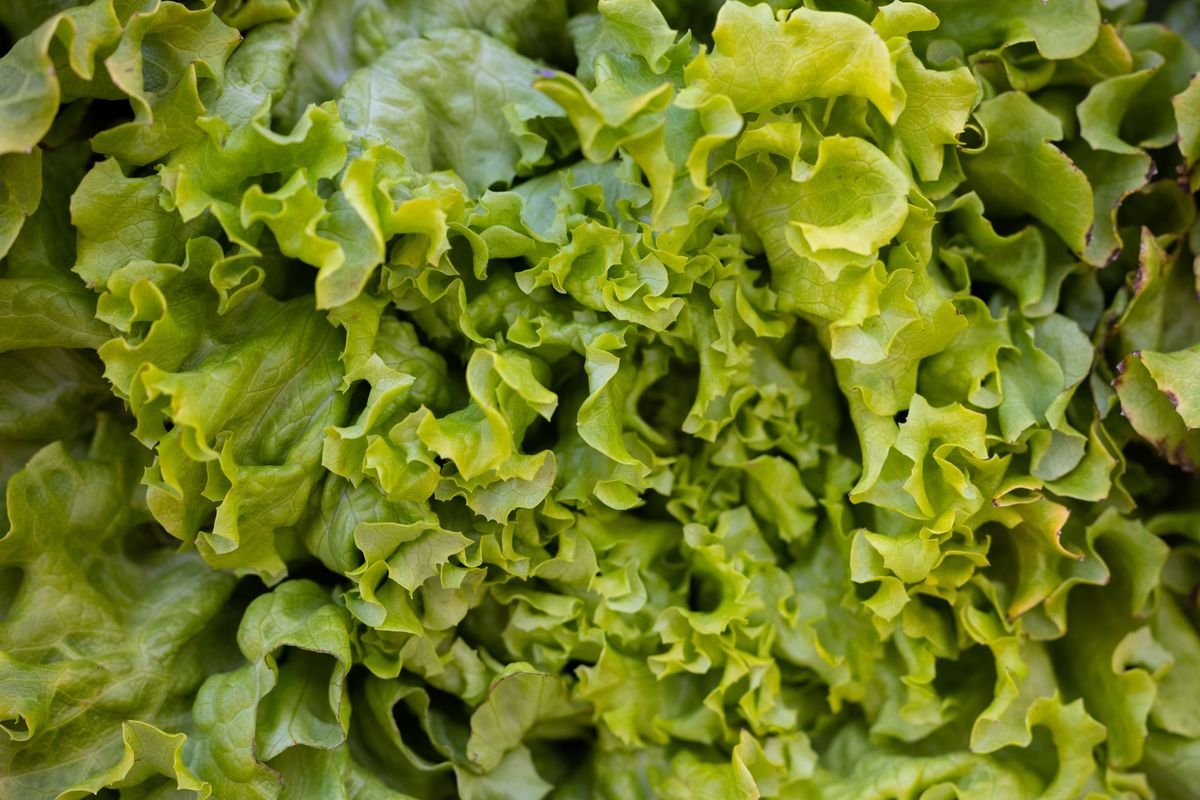
For minor infestations and early stage colonies, a strong blast of clean water is often all you need to clear your plants.
Aphids are fragile, soft bodied insects that rely on remaining anchored to their host plant to survive. A firm stream of water dislodges them from the leaf surface and knocks them to the soil below.
Once knocked to the ground, adult wingless aphids rarely manage to climb back onto the plant before drying out or being eaten by ground dwelling beetles and spiders.
Adjust your garden hose nozzle to a concentrated spray setting, such as a sharp fan or jet.
Support the back of the lettuce leaf with one hand to avoid tearing the delicate tissue, and direct the spray upward against the undersides of the leaves. Work thoroughly from the outer wrapper leaves inward toward the center crown.
Perform water blasting in the early morning so that the foliage has ample time to dry under the midday sun.
Leaving lettuce leaves wet into the evening can promote fungal issues such as downy mildew or bottom rot, so proper timing is essential.
Using Organic Insecticidal Soaps
When water alone is not enough to control the population, organic insecticidal soaps offer a potent, food safe solution.
Commercial insecticidal soaps are formulated with potassium salts of fatty acids. These fatty acids penetrate the waxy protective cuticle covering the aphid body, causing the pest to dehydrate and die within hours of contact.
Because soap solutions have no residual action, they only work if they come into direct physical contact with the live insect.
Dilute the insecticidal soap according to the manufacturer instructions on the product label. Avoid using high concentrations, which can cause leaf burn on delicate salad greens.
Spray the lettuce thoroughly, ensuring complete coverage on leaf undersides, stems, and around the inner growth point.
Apply insecticidal soap during the coolest parts of the day, such as early morning or late dusk.
Applying soap mixtures under bright, direct sunlight or in temperatures exceeding 85 degrees Fahrenheit can cause phytotoxicity, resulting in scorched leaf margins. Rinse your lettuce thoroughly before harvesting and eating.
Applying Pure Neem Oil Safely
Cold pressed neem oil is a popular botanical extract derived from the seeds of the neem tree (Azadirachta indica).
Neem oil contains azadirachtin, a naturally occurring active compound that disrupts the hormonal balance and feeding behavior of soft bodied pests. When aphids consume or come into contact with neem oil, they lose the drive to feed, stop laying eggs, and fail to molt into their next growth stage.
Neem oil also leaves a light, bitter coating on the leaves that deters new aphids from colonizing the crop.
To mix a safe neem spray for lettuce, combine one quart of warm water with one teaspoon of pure, cold pressed neem oil and a few drops of mild castile soap to act as an emulsifier. Shake the sprayer vigorously until the oil blends completely with the water.
Coat the lettuce plants evenly, targeting the areas where pests tend to hide.
Do not spray neem oil on lettuce within two days of harvest, as the bitter flavor can linger on the greens if they are not thoroughly washed. Reapply the spray every five to seven days until all signs of the colony disappear.
Homemade Spray Solutions for Leafy Crops
If you do not have commercial products on hand, you can craft simple, effective remedies using common household ingredients. A basic liquid soap spray can be made by mixing one tablespoon of gentle, liquid castile soap into one quart of clean tap water. Avoid commercial dishwashing detergents, as many contain degreasers and synthetic fragrances that strip the natural protective wax from lettuce leaves. Another reliable option is a garlic and chili infusion spray. Garlic contains potent sulfur compounds that repel sap feeding insects, while capsaicin from hot peppers creates an irritating barrier that discourages feeding. Follow these steps to prepare a homemade botanical insect repellent spray:- Mince two whole heads of garlic and two fresh hot peppers, then place them in a heatproof glass bowl.
- Pour one quart of boiling water over the mixture, cover the bowl, and let it steep overnight.
- Strain the liquid through cheesecloth or a fine mesh sieve to remove all solid particles that could clog your spray nozzle.
- Add one teaspoon of gentle liquid castile soap to help the liquid cling to waxy lettuce foliage.
- Pour the mixture into a spray bottle and mist your lettuce plants thoroughly once a week.
Introducing Beneficial Garden Insects
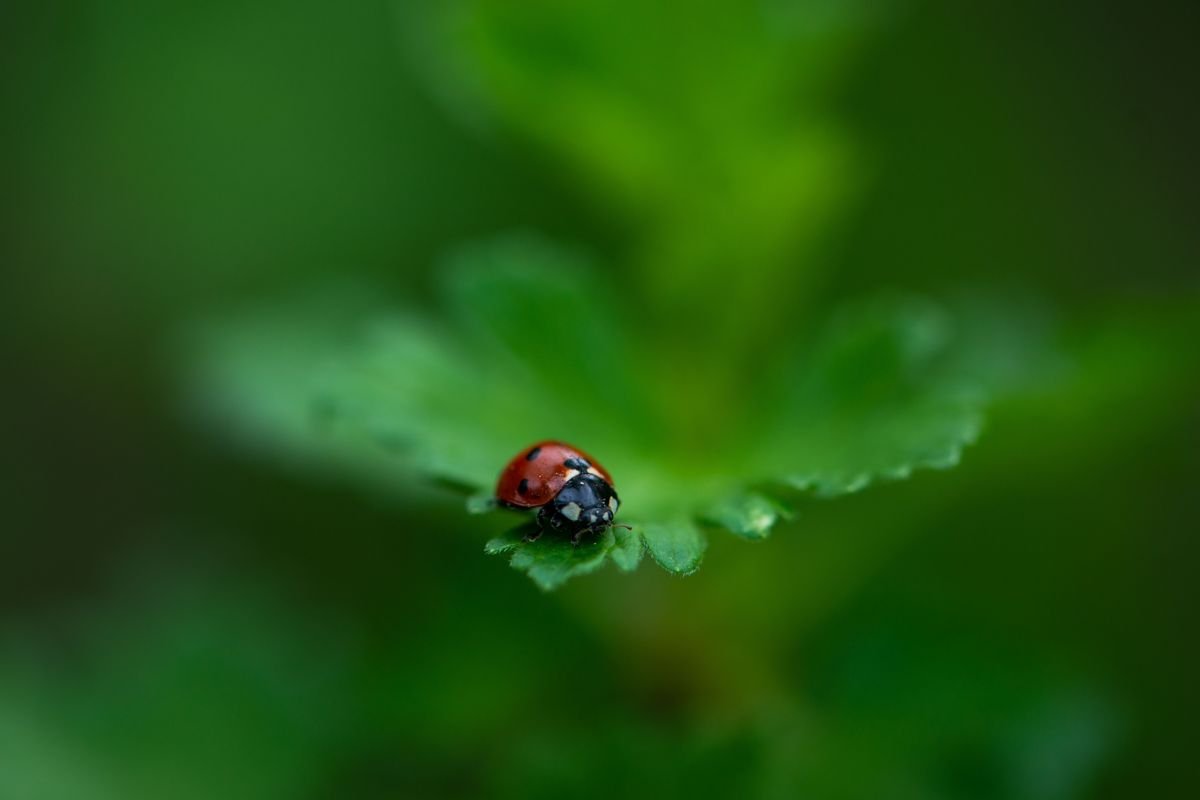
Enlisting natural predatory insects is one of the most sustainable, chemical free methods for regulating aphid numbers.
Ladybugs (ladybird beetles) and their alligator like larvae are famous for their voracious appetite for aphids. A single ladybug larva can consume hundreds of aphids during its developmental period before pupating into an adult.
Green lacewing larvae, often called aphid lions, are even more aggressive predators.
They grasp aphids with curved, hollow mandibles and inject digestive enzymes before consuming them. Lacewing larvae are remarkably efficient at clearing dense pest clusters hidden within lettuce heads.
Parasitic wasps, such as Aphidius colemani, provide another powerful layer of biological control.
These miniature, non stinging wasps lay their eggs directly inside living aphids. As the wasp larva develops, it consumes the aphid from within, eventually leaving behind a hardened, golden shell known as an aphid mummy.
To support beneficial insects, avoid using broad spectrum chemical insecticides that wipe out natural predators alongside the target pests.
Companion Planting to Repel Aphids
Interplanting your lettuce beds with aromatic herbs and colorful flowers can naturally reduce pest pressure. Certain plants release strong essential oils that mask the scent of lettuce, confusing flying aphids and discouraging them from landing. Other companion plants act as trap crops, luring pests away from your prized greens. Consider integrating these excellent companion plants into your salad beds:- Sweet Alyssum: Produces tiny, nectar rich blooms that attract hoverflies and parasitic wasps directly into the garden canopy.
- Chives and Garlic: Release pungent sulfur odors that naturally deter aphids and other sap sucking insects.
- Cilantro and Dill: Produce umbrella shaped flower heads that provide pollen and nectar for adult lacewings and ladybugs.
- Nasturtiums: Act as an ideal sacrificial trap crop, drawing aphids away from lettuce plants so you can remove infested stems easily.
- French Marigolds: Emit strong aromatic compounds that repel a broad variety of garden pests while enhancing bed aesthetics.
Protecting Crops with Floating Row Covers
Physical barriers provide total exclusion, preventing winged aphids from ever landing on your lettuce.
Floating row covers are lightweight, spunbonded fabric sheets that allow sunlight, air, and water to reach the soil while forming an impenetrable shield against flying insects. They are especially effective during spring and autumn migration windows when winged aphids fly between host plants.
Install the row covers immediately after direct sowing seeds or transplanting young lettuce starts into the bed.
Use wire or PVC hoops to support the fabric above the foliage so that the leaves do not push against the mesh. Secure the outer edges of the fabric tightly against the ground using soil, rocks, or garden staples.
If the edges are left loose, aphids can easily crawl underneath and colonize the protected microclimate.
Because lettuce does not require insect pollination to produce a crop, row covers can remain in place from planting right up until harvest day.
Cultural Practices to Prevent Future Infestations
Maintaining a clean, well managed growing environment drastically cuts down the likelihood of recurring aphid infestations.
Excess nitrogen fertilizer produces rapid, soft, succulent plant growth that aphids find irresistible. Use balanced, slow release organic fertilizers or well aged compost rather than concentrated synthetic nitrogen feeds to encourage steady, resilient cellular growth.
Proper bed sanitation is another cornerstone of long term pest management.
Remove all crop residues, yellowing outer leaves, and decaying plant material from your vegetable beds promptly after each harvest. Overwintering aphid eggs and adult females often shelter in old stalks and leaf debris through the colder months.
Keep the perimeter of your garden weeded throughout the year.
Wild weeds such as sowthistle, mustard, and lambsquarter serve as wild host reservoirs for aphids and the viruses they carry. Clearing weeds within a ten foot border around your salad beds eliminates the primary launching pad for early spring infestations.
What to Do with Aphid Infested Harvests
Finding a cluster of aphids on freshly picked lettuce can be disheartening, but it does not mean your harvest is ruined.
Aphids are non toxic and do not bite or harm humans, so greens with minor pest contamination can still be cleaned and enjoyed. With a little care, you can remove every insect without bruising the leaves.
Submerge the harvested lettuce leaves in a large bowl or clean sink filled with cold water and two tablespoons of salt or white vinegar.
Allow the leaves to soak for ten to fifteen minutes. The salt or mild acid irritates the insects, causing them to release their grip and float to the surface or sink to the bottom of the basin.
Agitate the leaves gently with your hands to dislodge any remaining pests from the folds and leaf margins.
Lift the lettuce out of the water, leaving the debris behind, and rinse each leaf under a steady stream of cold tap water. Dry the leaves thoroughly in a salad spinner before storing them in the refrigerator.
Long Term Strategies for Pest Free Greens
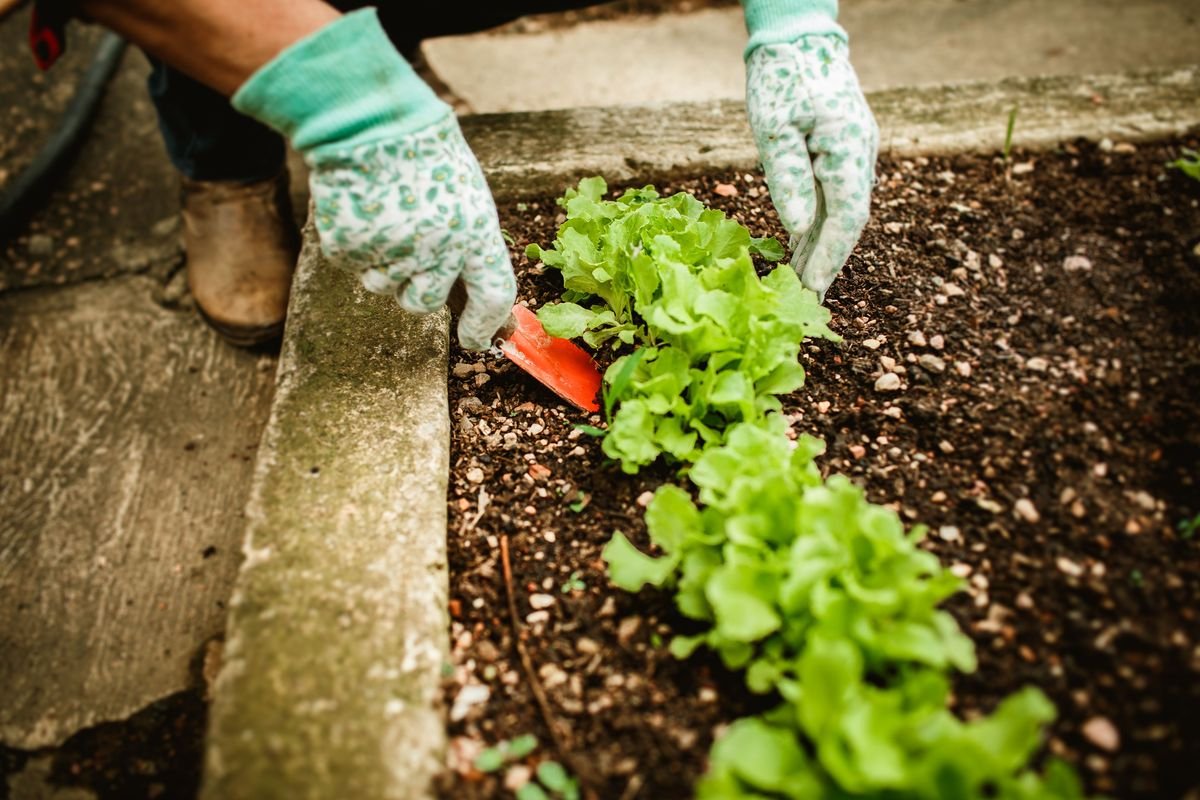
Building a reliable, aphid resistant garden involves combining multiple integrated pest management techniques into your seasonal routine.
Rather than relying on a single spray or treatment, focus on soil health, biodiversity, early monitoring, and physical protection.
Select aphid resistant lettuce cultivars when purchasing seeds for your garden.
Plant breeders have developed modern varieties, such as Salanova, Density, and Cherokee, that possess natural genetic resistance to common lettuce aphid strains. These varieties feature tighter leaf structures or biochemical traits that discourage insect feeding.
Rotate your salad crops to a different bed each season, waiting at least two years before planting lettuce or related greens in the same location.
By staying proactive, keeping a close eye on your plants, and reacting at the first sign of trouble with gentle methods, you can enjoy abundant, spotless heads of lettuce all season long.
How Bad Is Your Lettuce Aphid Infestation?
Answer 4 quick questions to see your result