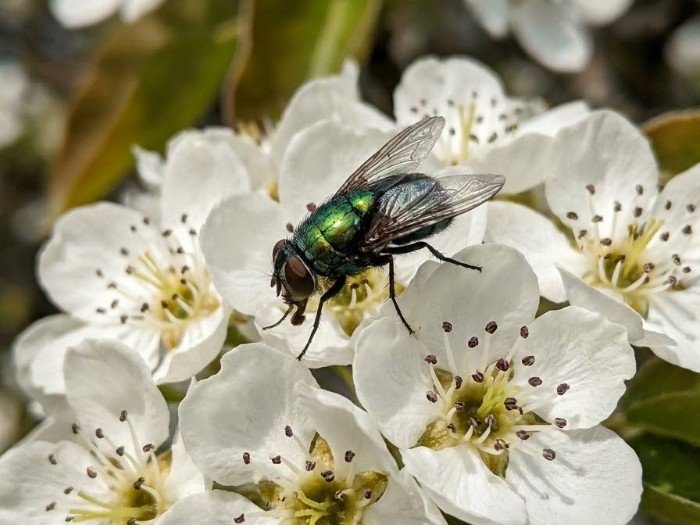
Every spring, millions of city dwellers step outside into the fresh air and encounter a scent that feels completely out of place. Instead of sweet floral perfume, neighborhood sidewalks carry a bleach-like, musky odor that closely resembles human semen.
This awkward fragrance does not come from a sanitation problem or a late-night prank, but from common urban trees.
Understanding why these trees smell this way reveals an interesting story of evolutionary biology, chemical mimicry, and suburban landscape history.
1. Callery Pear (Pyrus calleryana)
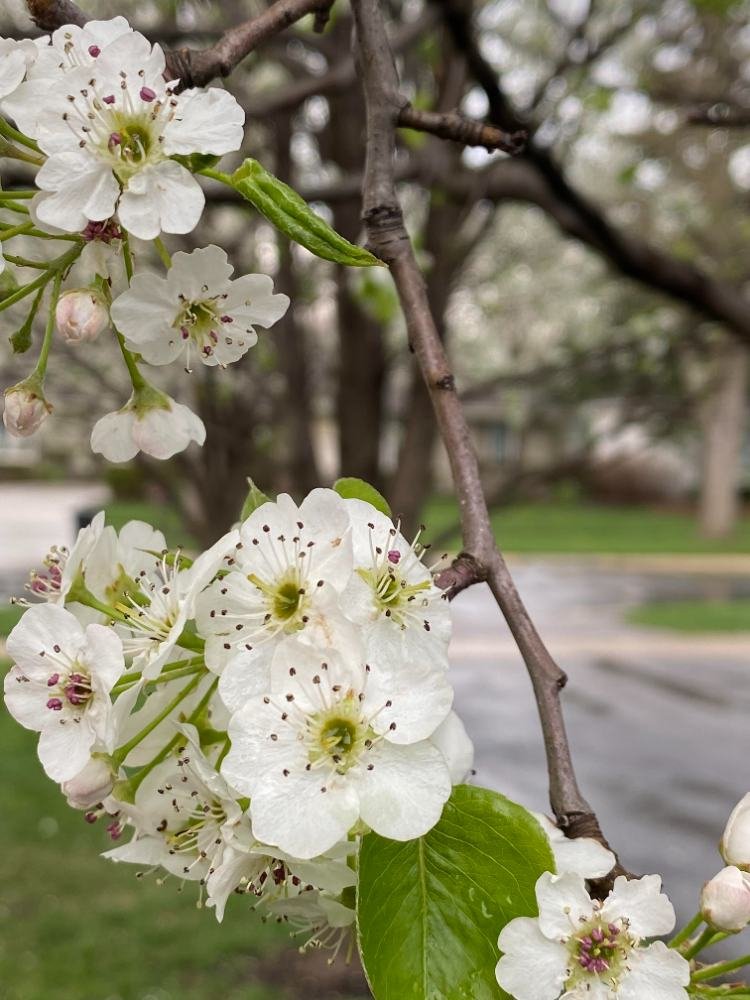
The most notorious culprit across American and Australian suburbs is Pyrus calleryana, commonly called the Callery pear or Bradford pear.
In early spring, this deciduous tree covers itself in an exceptionally dense canopy of five-petaled white flowers that emit an intense spermatic smell.
The pungent scent travels easily on warm breezes and lingers around shopping centers and residential avenues for about two weeks.
While passersby frequently admire the tree from a distance because it looks like a cherry blossom, stepping close reveals its unmistakable ammonia and fishy aroma.
2. Sweet Chestnut (Castanea sativa)
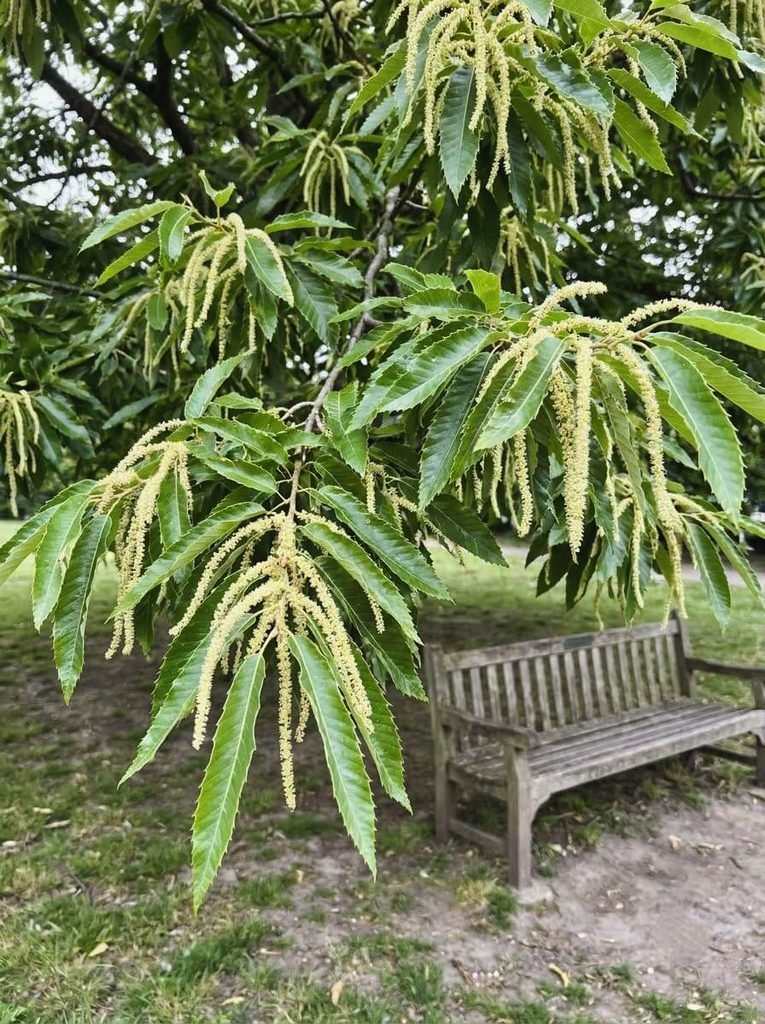
In European public parks and British estates, Castanea sativa, known as the sweet chestnut, produces a very similar seasonal odor.
Rather than blooming in early spring, this grand hardwood develops elongated, creamy-white male catkins during early summer.
These dense, dangling flower spikes release a strong seminal aroma that Roman naturalists documented centuries ago.
The scent saturates public recreation grounds throughout June before the catkins fall to the grass. While the edible nuts are prized in autumn, standing beneath the canopy during peak summer flowering can be overwhelming.
3. Carob Tree (Ceratonia siliqua)
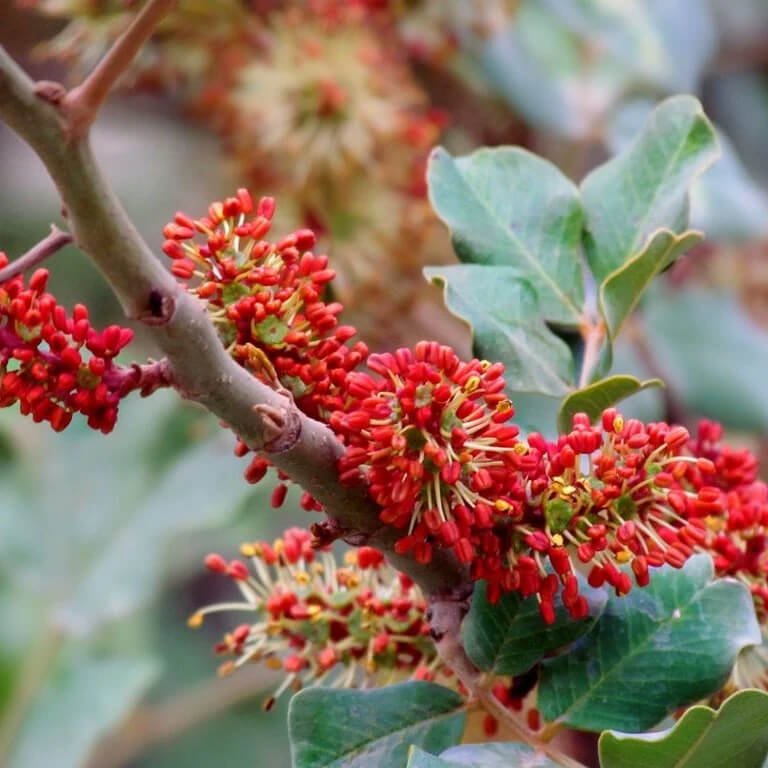
Along the sunny coastlines of the Mediterranean, the male carob tree, scientifically known as Ceratonia siliqua, carries on this aromatic tradition.
Carob is primarily a dioecious species, meaning individual trees produce either strictly male or female flowers.
During autumn, male trees produce small, rust-colored racemes directly along their mature woody branches.
These staminate blossoms produce a pungent, alkaline aroma that drifts across olive groves and village squares. The distinctive scent can be detected from dozens of yards away on warm autumn evenings.
4. Tree of Heaven (Ailanthus altissima)
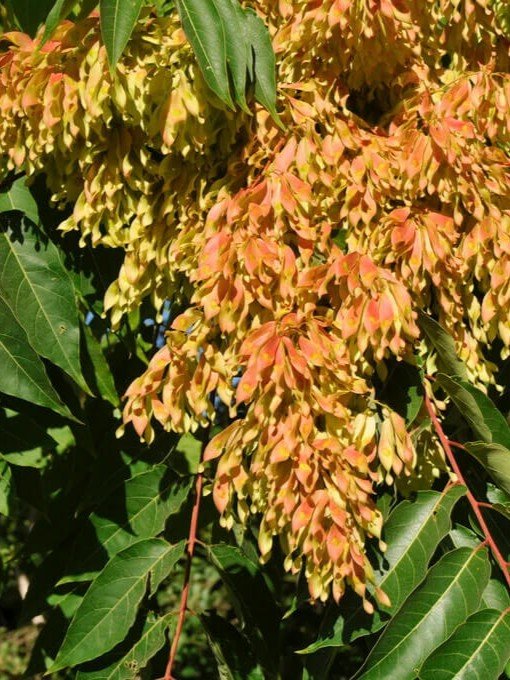
Another notorious urban plant with an offensive floral odor is Ailanthus altissima, frequently called the tree of heaven.
This fast-growing invasive species thrives in industrial alleys, highway medians, and cracked concrete sidewalks.
During June and July, male trees display large pyramidal clusters of tiny greenish-yellow flowers.
These blooming panicles release an acrid, musky bouquet that many residents compare to rancid peanuts and bodily secretions. In addition to its awful smell, the airborne pollen can trigger severe respiratory and nasal allergies in nearby pedestrians.
5. Chinese Photinia (Photinia serrulata)
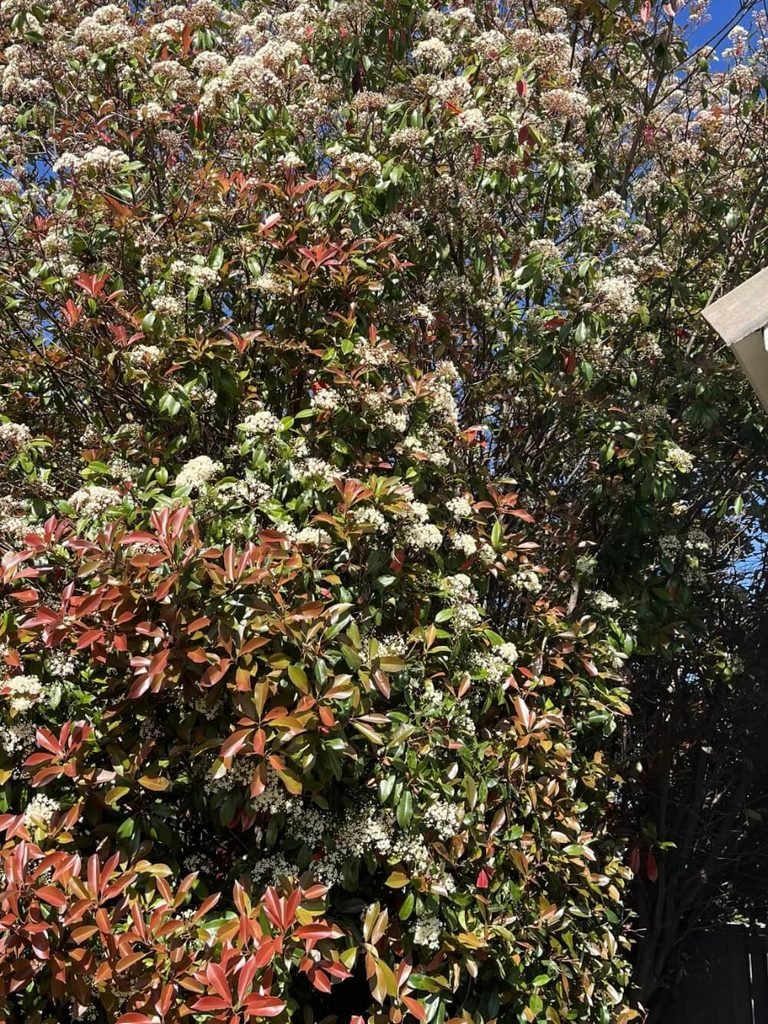
Frequently planted as an evergreen privacy screen, Photinia serrulata, or Chinese photinia, surprises many homeowners with its seasonal stench.
In mid-spring, the shrub expands into large, flat compound corymbs packed with thousands of tiny white florets.
These dense floral heads release volatile organic compounds that closely resemble seminal fluids.
Because people often plant these shrubs directly beneath front porch windows, the musky fragrance drifts straight into residential living rooms. The aroma remains strong for several weeks until petal drop occurs.
6. Littleleaf Linden (Tilia cordata)
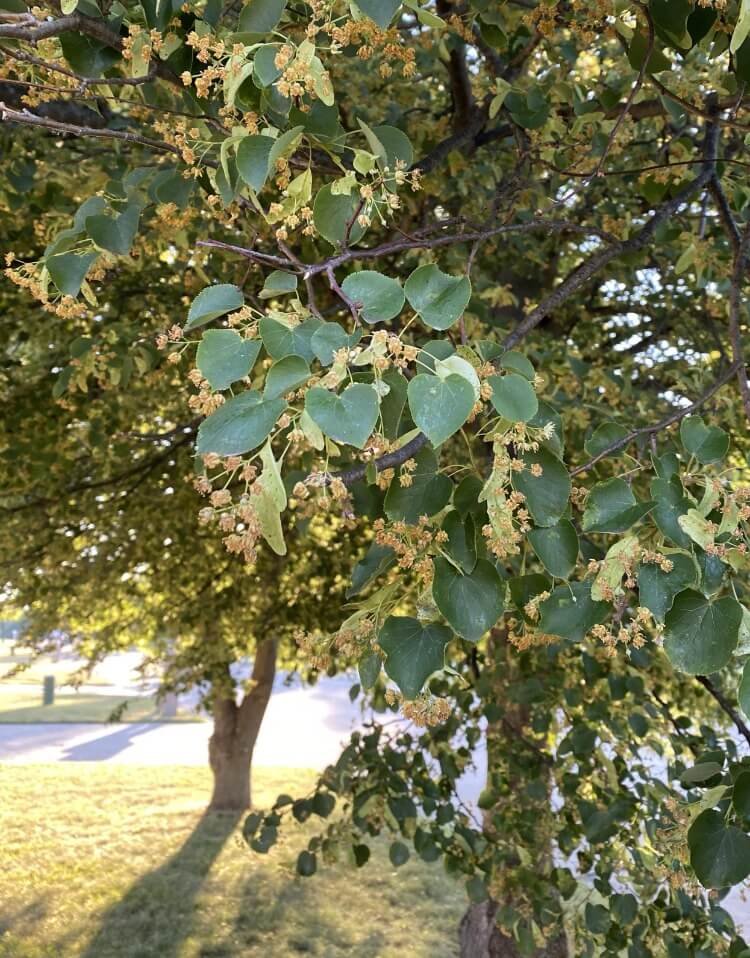
The linden tree, known botanically as Tilia cordata, is a classic shade tree found along grand boulevards and university campuses.
While many gardeners love its sweet honey-scented blossoms, the flowers can develop a pungent, musky edge under certain conditions.
Aphids frequently colonize linden canopies in early summer and secrete sticky honeydew over the leaves. When this sugary liquid ferments under warm temperatures, it blends with floral volatiles to produce a heavy seminal aroma.
This unique summer scent inspired famous British comedy sketches and Victorian garden lore.
The Chemical Breakdown
The striking olfactory similarity between tree blossoms and human seminal fluid comes down to shared organic chemistry. Both biological systems release volatile amines, which are nitrogen-based chemical derivatives of ammonia.
In the Callery pear, blooms release combinations of trimethylamine and dimethylamine, which create an alkaline, fishy musk.
Meanwhile, chemical studies on chestnuts and photinias show high levels of 1-pyrroline, an imine created from the natural breakdown of putrescine.
Human noses detect these nitrogen molecules instantly through specialized receptors evolved to identify biological fluids and decaying proteins.
Deceptive Pollination
While humans find these amine emissions unpleasant, nature designed them with a very deliberate evolutionary target. Most sweet-smelling garden flowers rely on bees and butterflies by offering rich nectar rewards.
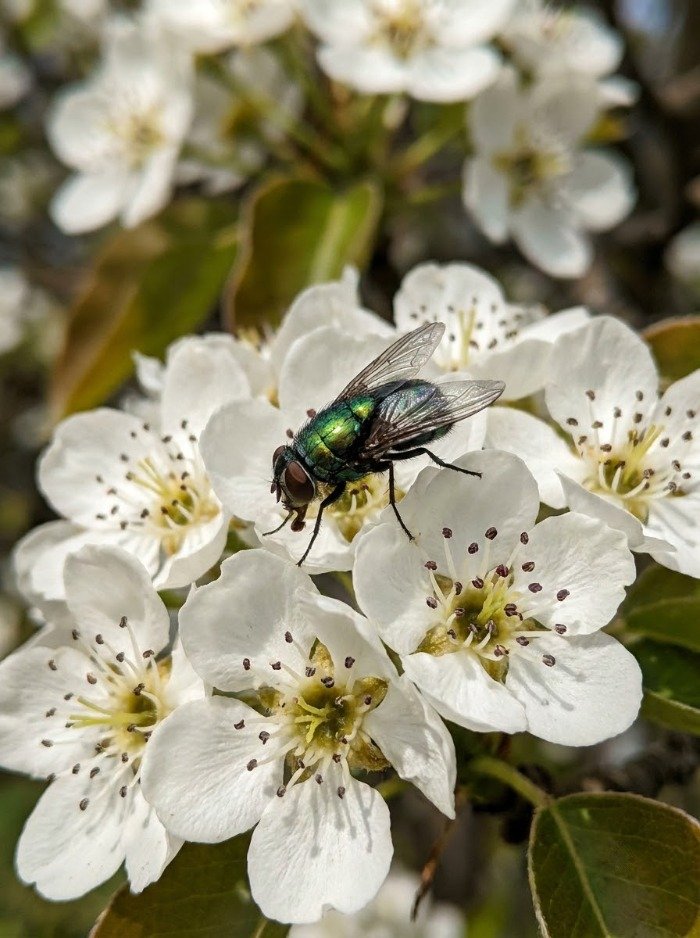
In contrast, trees with spermatic bouquets practice sapromyophily, which uses deceptive odors to attract true flies and beetles.
These insects seek out rotting organic matter, carrion, or bodily fluids to feed and lay their eggs. When they land on the blossom clusters searching for food, they pick up pollen grains and unintentionally fertilize neighboring blooms.
Structural Flaws and Invasiveness
The overwhelming abundance of this smell in modern neighborhoods is the legacy of a mid-century landscaping craze.
In the 1960s, American urban planners embraced the Bradford pear cultivar for its symmetrical canopy, pollution resistance, and showy spring display.
Unfortunately, the tree suffers from acute V-shaped branch unions that develop weak, included bark.
As trees reached mature sizes after fifteen years, windstorms and ice loads caused large limbs to split in half and crush property.
Worse yet, cross-pollination with newer cultivars allowed the species to produce viable seeds, turning sterile street trees into aggressive invasive weeds.
Native Solutions
1. Downy Serviceberry (Amelanchier arborea)
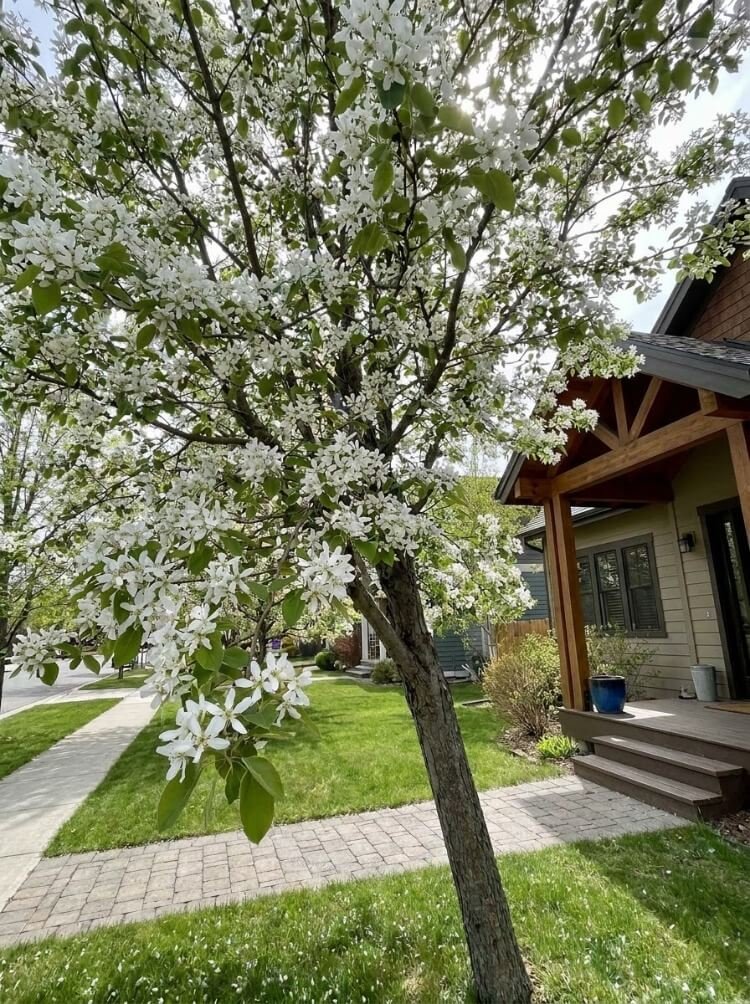
For homeowners seeking gorgeous spring blooms without the offensive stench, Amelanchier arborea, commonly called downy serviceberry, is an exceptional native substitute.
This graceful North American hardwood produces airy sprays of delicate white five-petaled flowers right as spring begins.
Unlike ornamental pears, its blossoms emit a faint, clean fragrance that will never disturb passersby on the sidewalk.
In summer, the tree yields delicious edible purple berries that local songbirds adore, followed by fiery orange and red leaves in autumn. It establishes strong, resilient branches that easily withstand severe weather.
2. Eastern Redbud (Cercis canadensis)
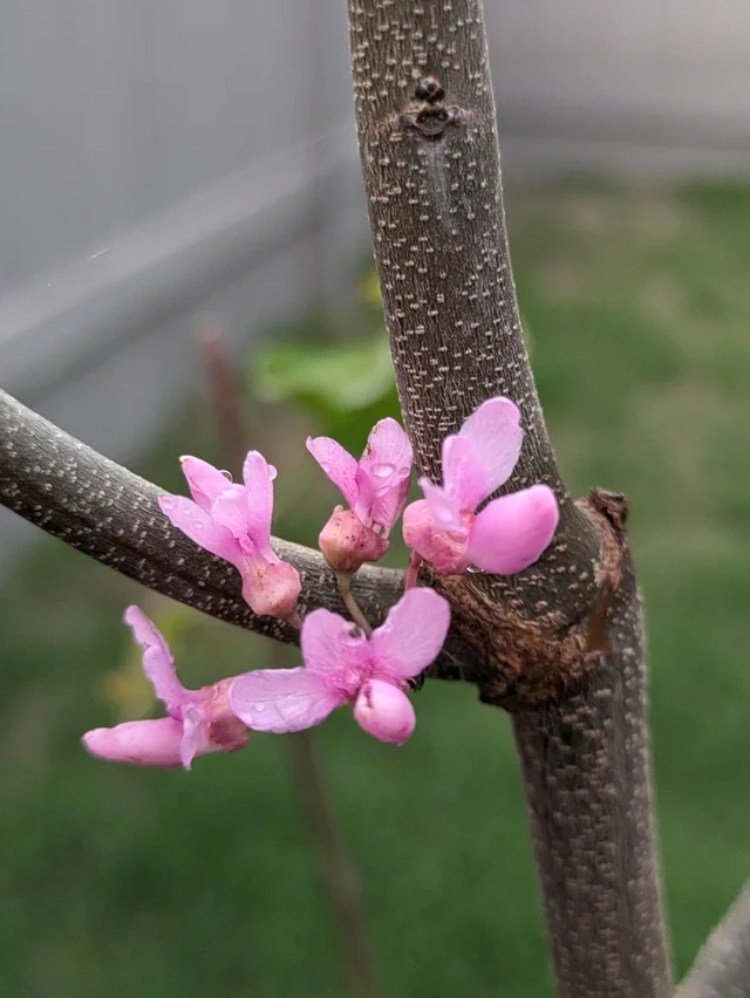
Another popular native alternative is Cercis canadensis, universally celebrated as the eastern redbud.
Before its heart-shaped foliage appears in spring, vivid purplish-pink flowers burst directly out of bare twigs and major trunk branches.
These colorful blooms produce a mild, pleasant scent while providing crucial early nectar for emerging native bumblebees.
Reaching a modest height of twenty to thirty feet, redbuds fit comfortably beneath overhead power lines without dropping dangerous heavy limbs. They tolerate diverse soils and bring multi-season beauty to small suburban yards.
3. American Fringetree (Chionanthus virginicus)
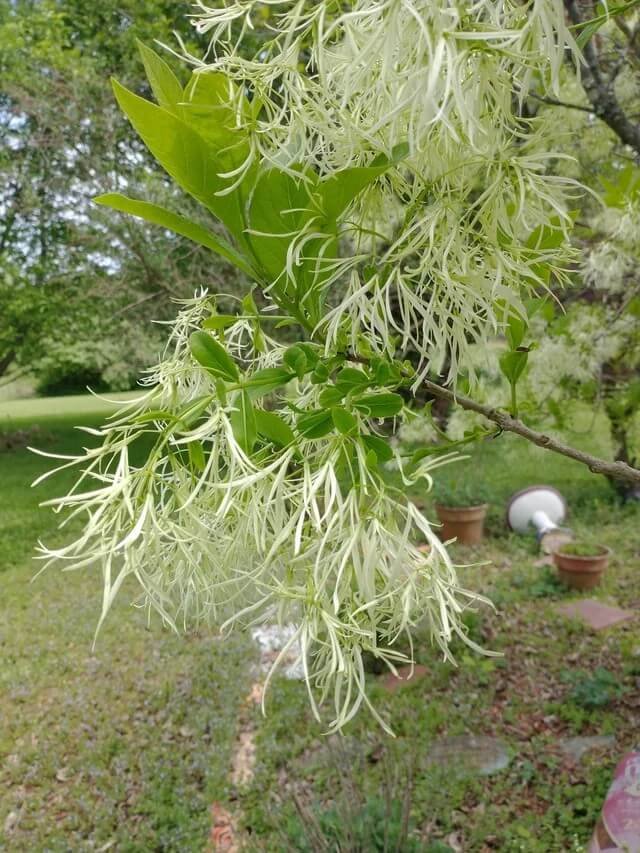
If you want a cloud of pure white flowers that actually smells sweet, Chionanthus virginicus, known as the American fringetree, is ideal.
This resilient small native tree produces drooping clusters of delicate, ribbon-like petals in late spring.
The blossoms release a delightful honey-like perfume that enriches suburban yards rather than driving residents indoors.
Furthermore, the species demonstrates outstanding tolerance to urban smog, compacted soils, and road salts. It stays compact, rarely exceeding twenty feet in height at maturity.
4. Green Hawthorn (Crataegus viridis)
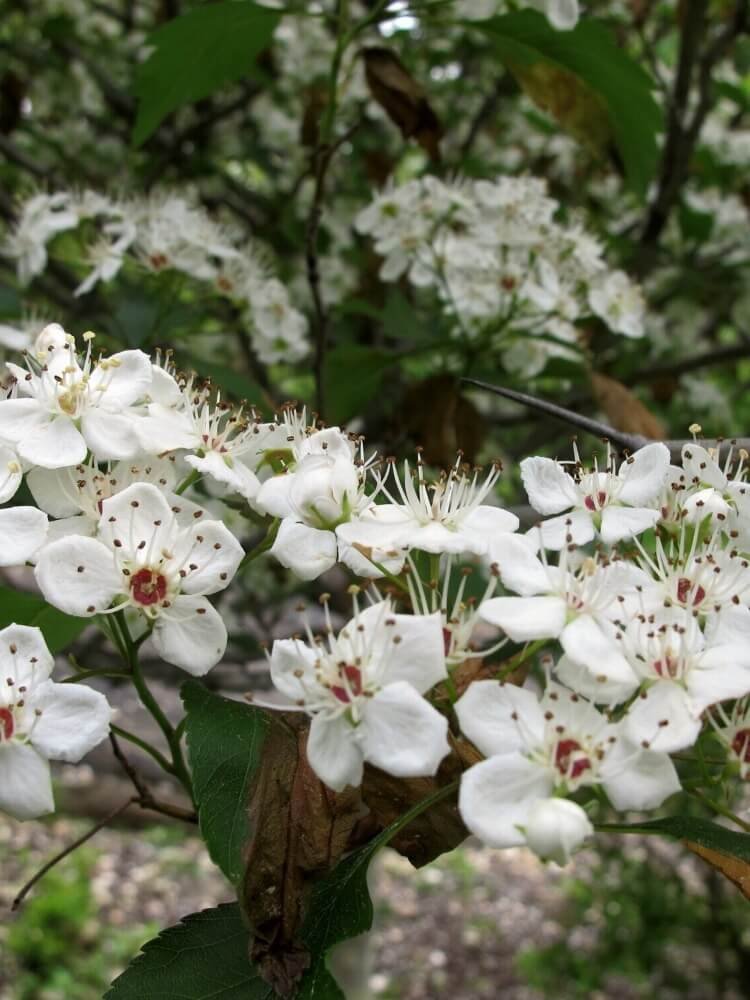
Homeowners looking for robust shade and sturdy branches should consider Crataegus viridis, particularly the thornless cultivar named ‘Winter King’.
In mid-spring, this adaptable native tree blankets itself in clusters of crisp white blooms with a light, non-offensive floral aroma.
Unlike brittle Callery pears, green hawthorns possess strong branch angles that easily withstand severe windstorms and heavy winter ice.
During autumn, the tree produces bright red berries that persist into the dead of winter. These vibrant fruits nourish overwintering birds and add striking color to snowy backyards.
5. American Yellowwood (Cladrastis kentukea)
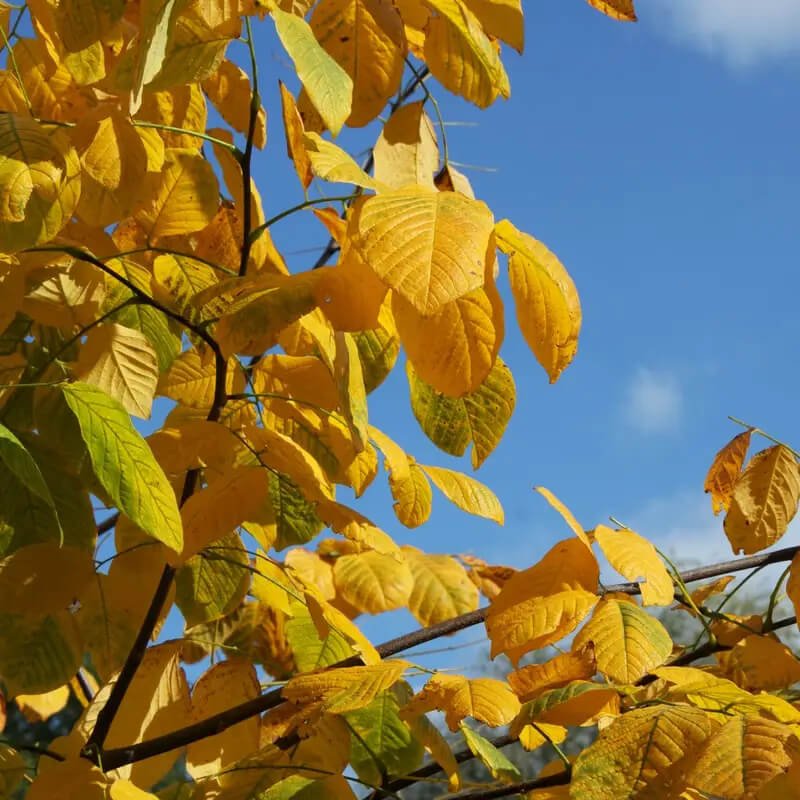
For larger properties and community parks, Cladrastis kentukea, commonly called the American yellowwood, makes a breathtaking landscape focal point.
In late spring, this stately hardwood produces cascading twelve-inch panicles of creamy-white pea-like flowers.
The blooms fill the surrounding air with a lovely vanilla fragrance while feeding dozens of native pollinator species.
With its broad shade canopy, smooth beech-like bark, and golden autumn foliage, it outperforms ornamental pears in every category. It also fixes nitrogen in the soil, improving overall yard health.