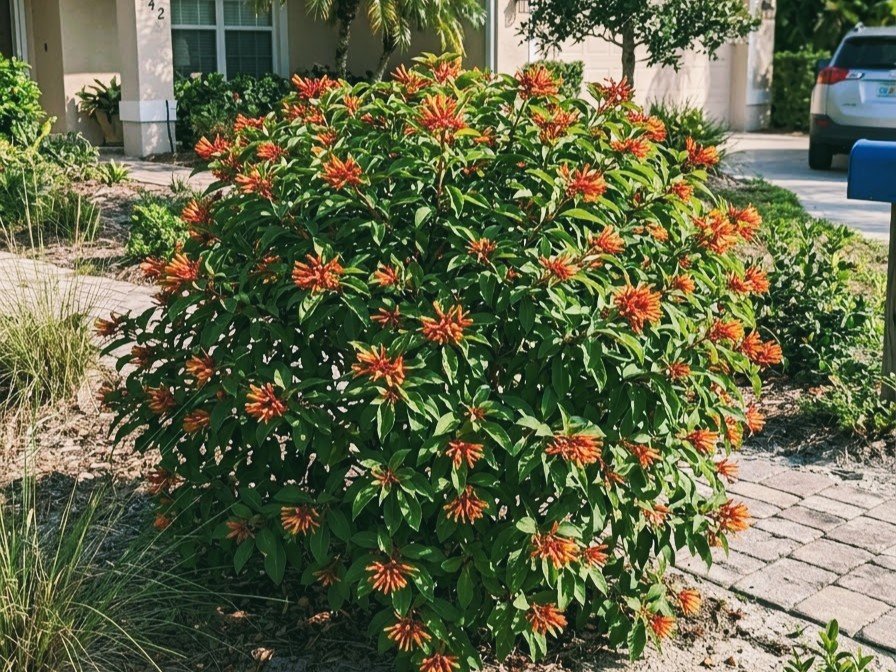
Gardening under the intense Florida sun is no easy task. Long summer days bring searing ultraviolet rays, high humidity, and porous sandy soils that drain water in minutes.
Many common garden center favorites quickly wilt or scorch when exposed to six or more hours of direct, unfiltered sunlight.
Fortunately, many native and Florida-Friendly species love the sun. These resilient plants feature water-storing tissues, tough waxy leaf surfaces, or deep taproots that help them handle the subtropical climate with ease.
Here are 11 outstanding plants, shrubs, and groundcovers that will keep your Florida landscape lush, colorful, and thriving in full sun all year long.
1. Firebush (Hamelia patens)
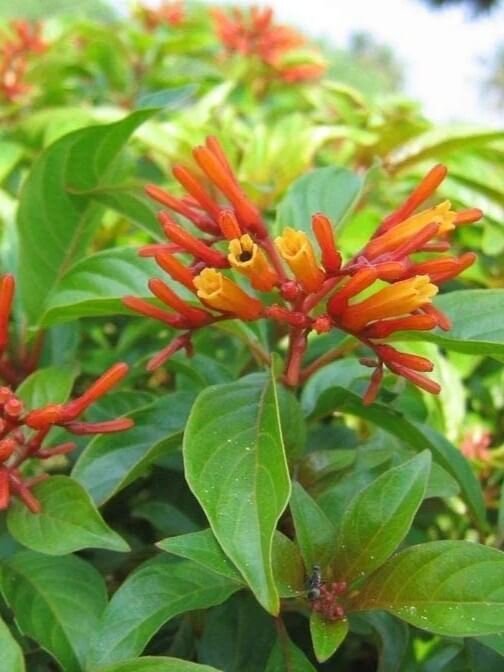
Firebush is a standout Florida native shrub that thrives under intense solar heat. It produces dense clusters of bright reddish-orange tubular blossoms from late spring until winter frosts.
This tough perennial shrub attracts both hummingbirds and zebra longwing butterflies to outdoor spaces. Once established in well-drained sandy soil, it needs very little attention and withstands long dry spells.
- Light: Full sun to partial shade (flowers best in full sun)
- Water: Regular watering until established; highly drought-tolerant afterward
- Mature Size: 5 to 8 feet tall and wide (can reach 15 feet in South Florida)
- Bloom Time: Late spring through late autumn (year-round in frost-free zones)
- Flower Color: Bright reddish-orange to scarlet
2. Beach Dune Sunflower (Helianthus debilis)
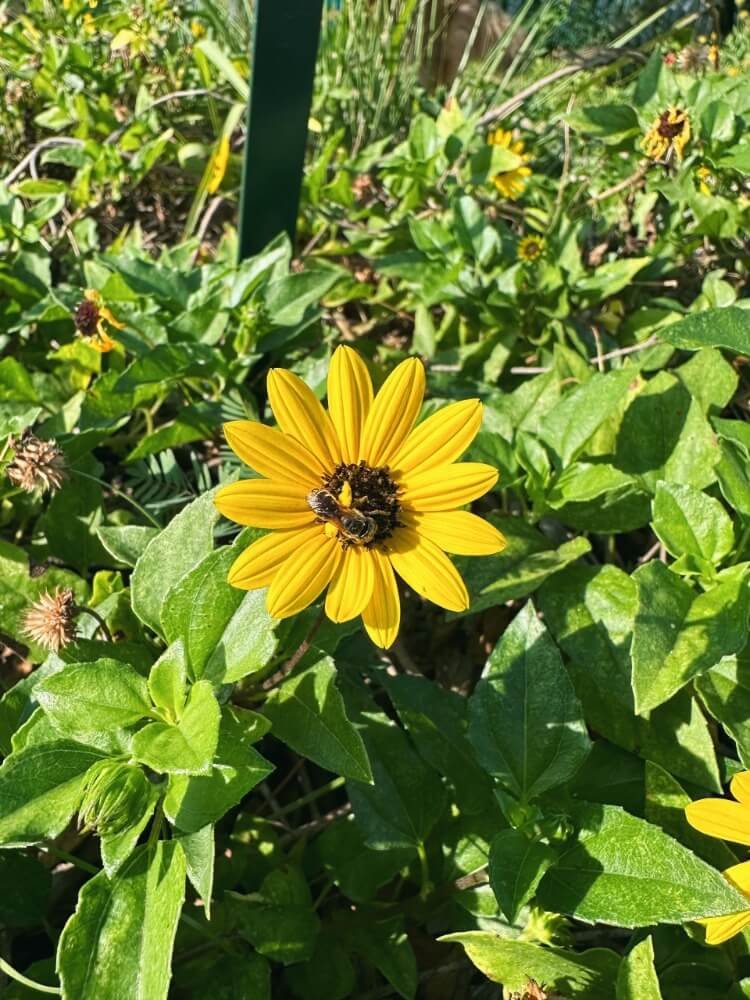
Beach dune sunflower is an exceptional native groundcover built for extreme heat and maritime conditions. It rapidly spreads across open ground to create a thick carpet of rough green leaves and cheerful yellow daisies.
This plant thrives in deep quartz sand where other garden flowers quickly wither. It blooms continuously throughout the entire year across Central and South Florida.
- Light: Full sun
- Water: Low; highly drought-tolerant once rooted
- Mature Size: 2 to 4 feet tall, 4 to 6 feet wide
- Bloom Time: Year-round in frost-free regions
- Flower Color: Bright yellow with dark purple-brown center disks
Photo Prompt:
3. Sunshine Mimosa (Mimosa strigillosa)
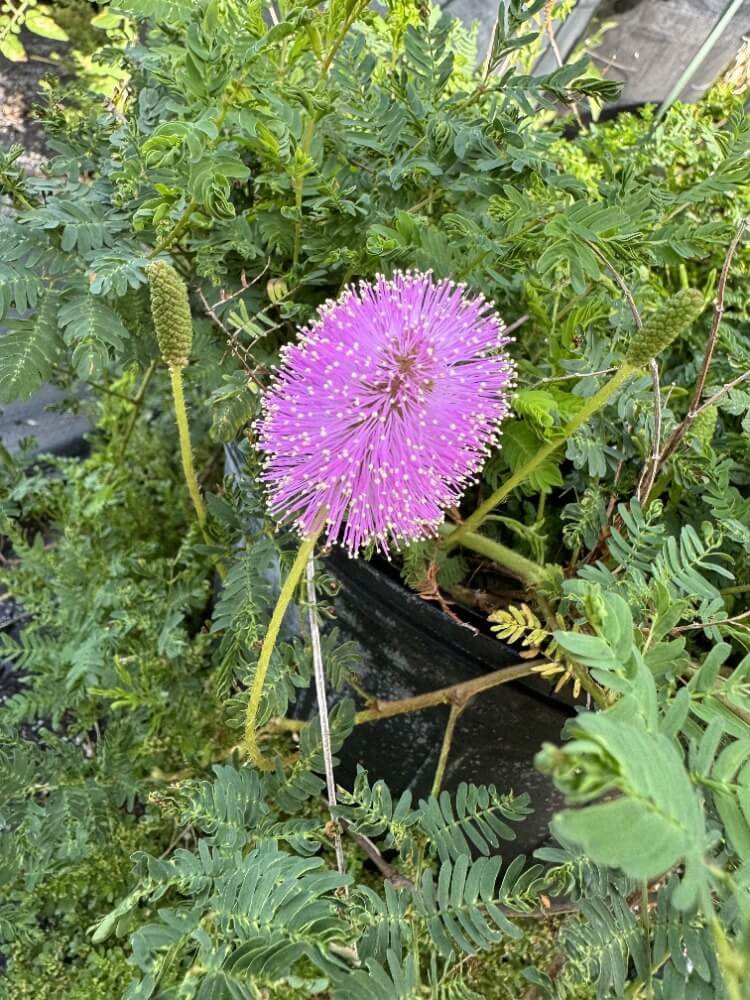
Sunshine mimosa, also known as powderpuff mimosa, is a creeping native groundcover that makes a wonderful turfgrass alternative.
Its feathery green leaflets form a low, dense mat that handles light foot traffic and occasional mowing.
The compound leaves fold closed within seconds when touched or disturbed by heat. From spring to autumn, the carpet bursts into round, spherical pink blossoms that resemble fluffy powderpuffs.
- Light: Full sun
- Water: Low to moderate; very drought-tolerant once established
- Mature Size: 3 to 8 inches tall, spreading several feet wide
- Bloom Time: Spring through late autumn
- Flower Color: Light pink to lavender with tiny yellow pollen tips
4. Pink Muhly Grass (Muhlenbergia capillaris)
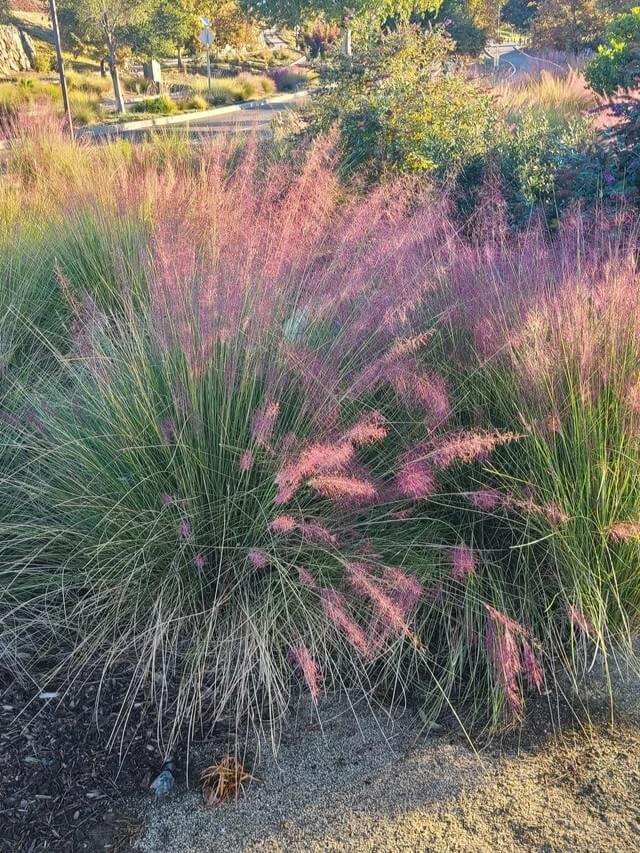
Pink muhly grass is an architectural native clumping grass that thrives in brutal Florida sun. It features slender, dark green blades that form dense fountains of neat foliage throughout the summer months.
During autumn, each clump erupts into a massive, airy cloud of shimmering pink and purple flower plumes. It requires very little care and withstands strong coastal winds, salty air, and poor soils.
- Light: Full sun
- Water: Low; thrives on natural rainfall once established
- Mature Size: 2 to 3 feet tall, 2 to 3 feet wide
- Bloom Time: Mid to late autumn
- Flower Color: Airy pink to purple plumes
5. Blanket Flower (Gaillardia pulchella)
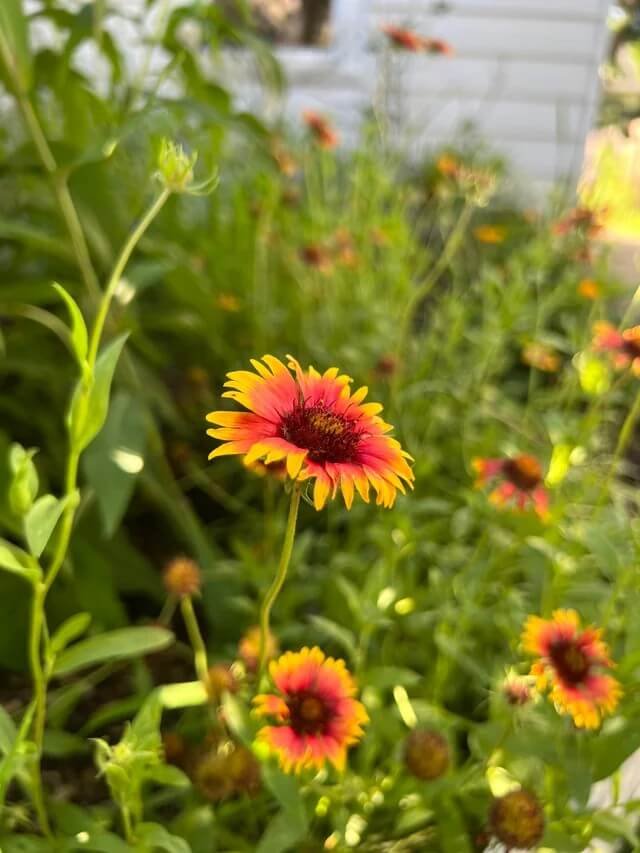
Blanket flower is a resilient, sun-loving perennial renowned for its striking bi-color blossoms. The plant forms low, busy mounds that handle extreme summer heat and sandy seaside soils with ease.
Its daisy-like flower heads feature warm crimson petals tipped with bright sunshine yellow. It readily reseeds itself year after year, providing continuous color and abundant nectar for local pollinators.
- Light: Full sun
- Water: Low; allow soil to dry out thoroughly between waterings
- Mature Size: 1 to 2 feet tall, 2 to 3 feet wide
- Bloom Time: Spring through late autumn
- Flower Color: Fiery red and bronze bands with bright yellow margins
6. Leavenworth’s Tickseed (Coreopsis leavenworthii)
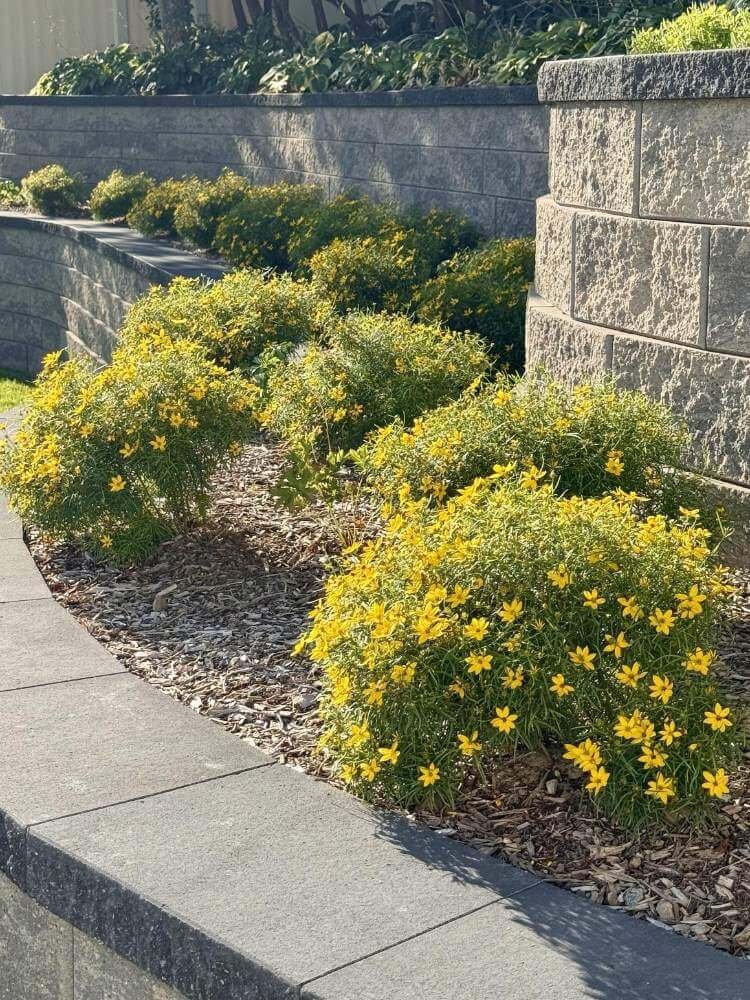
Leavenworth’s tickseed is Florida’s official state wildflower, celebrated for its sunny personality. It produces fine, wiry stems topped with masses of cheerful golden petals around dark centers.
This native wildflower thrives in open fields and roadside meadows bathed in unfiltered sunlight. It attracts native bees and butterflies while requiring minimal maintenance once settled.
- Light: Full sun to light partial sun
- Water: Moderate to low; fairly drought-tolerant once established
- Mature Size: 1 to 3 feet tall, 1 to 2 feet wide
- Bloom Time: Spring through late summer
- Flower Color: Golden yellow with dark brown-red central disks
7. Cape Plumbago (Plumbago auriculata)
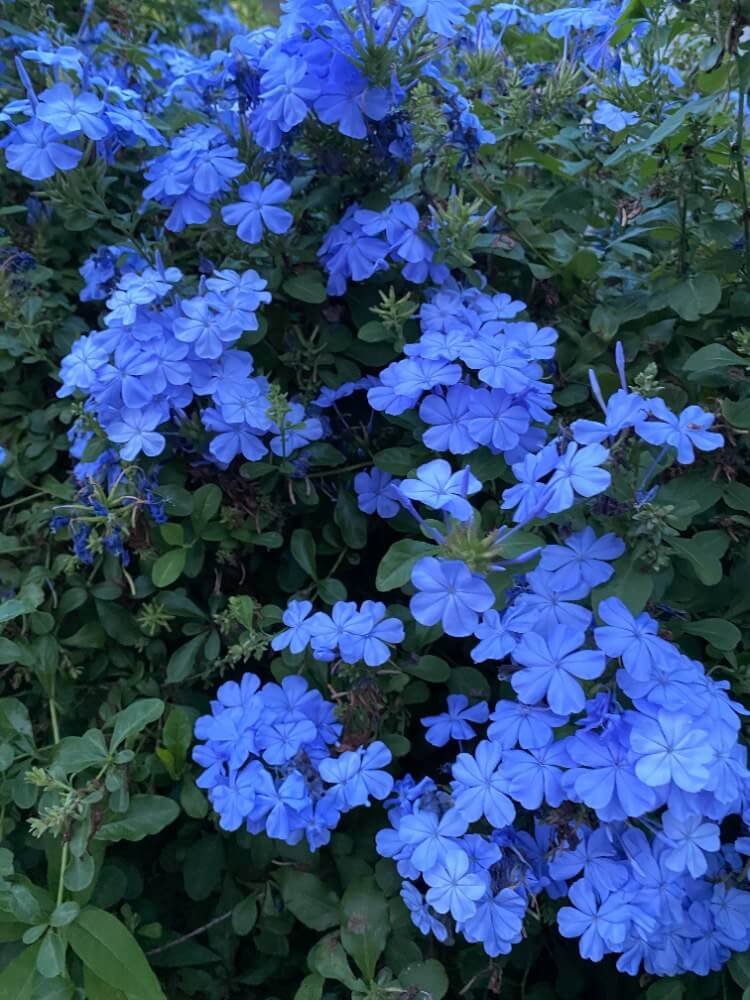
Cape plumbago is a sprawling shrub that brings cool blue tones to hot Florida gardens. It produces a dense mound of arching branches loaded with delicate sky-blue flower clusters.
In Central and South Florida, this tough shrub blooms almost year-round without slowing down. It also serves as a vital larval host plant for the attractive cassius blue butterfly.
- Light: Full sun for maximum blooms (tolerates light shade)
- Water: Moderate; drought-tolerant once rooted in sandy ground
- Mature Size: 3 to 6 feet tall, 6 to 8 feet wide
- Bloom Time: Year-round in South and Central Florida; spring to frost in North Florida
- Flower Color: Ethereal sky-blue or light lavender-blue
8. Bougainvillea (Bougainvillea spectabilis)
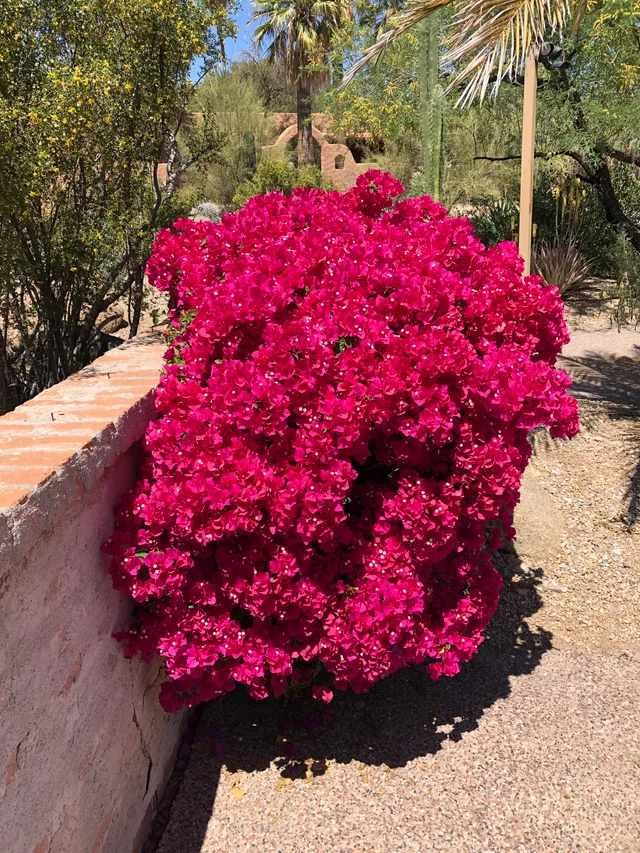
Bougainvillea is a vigorous, thorny vine that loves intense heat and direct sun. The dazzling display actually comes from paper-thin floral bracts that completely cloak the branches.
This tropical classic performs best when soil is kept moderately dry and neglected a bit. Overwatering and heavy fertilization will only create leafy green growth without flowers.
- Light: Full sun (at least 6 hours of direct sun required for flowering)
- Water: Low; prefers dry conditions between waterings
- Mature Size: 10 to 30 feet climbing or sprawling (easily pruned into a 4 to 8 foot shrub)
- Bloom Time: Heaviest in winter and spring, with repeat flushes year-round
- Flower Color: Magenta, fuchsia, purple, scarlet red, orange, and white
9. Pentas (Pentas lanceolata)
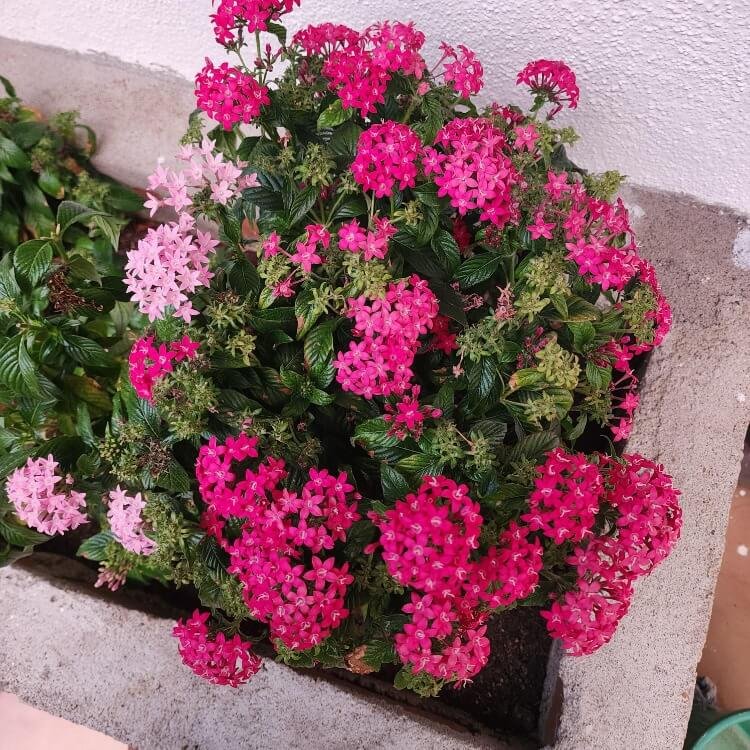
Pentas (Pentas lanceolata), or Egyptian starcluster, is one of the most reliable bedding perennials for relentless summer humidity. It features lush, hairy green foliage and dense heads of five-petaled, star-shaped blossoms.
When other flowering annuals melt away in July, pentas thrives and keeps pumping out nectar for pollinators. Planting them in full sun keeps their growth compact and promotes non-stop flower heads.
- Light: Full sun to light afternoon shade
- Water: Moderate; water regularly to establish, then drought-tolerant
- Mature Size: 2 to 3 feet tall, 1 to 2 feet wide
- Bloom Time: Spring through late autumn (year-round in frost-free zones)
- Flower Color: Rich red, pink, lavender, and crisp white
10. Coontie (Zamia integrifolia)
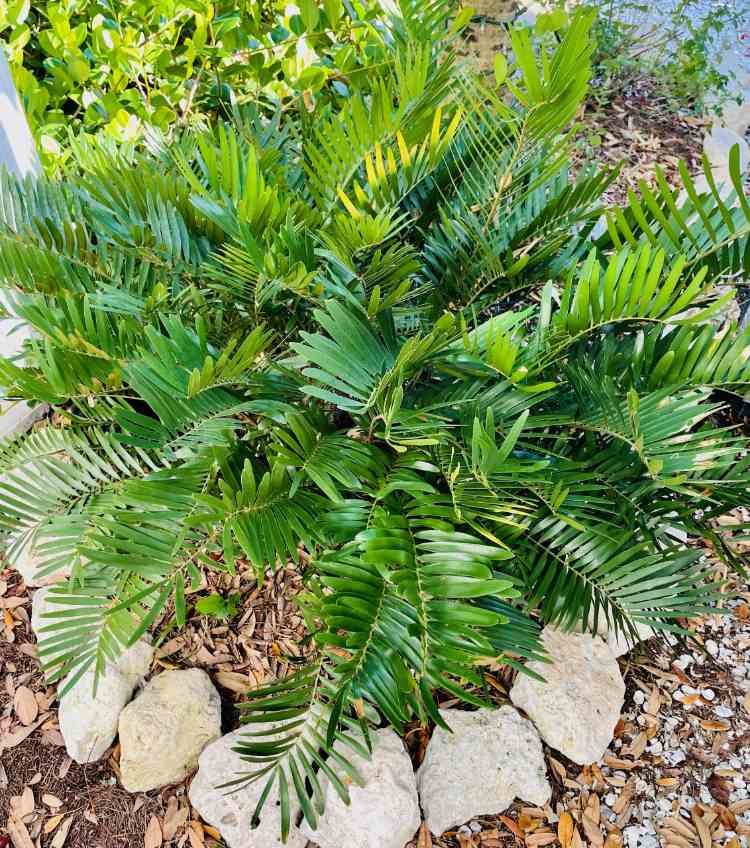
Coontie is Florida’s only indigenous cycad and has thrived in subtropical sand for thousands of years. It develops a dense, symmetrical mound of glossy, fern-like fronds that add clean architectural beauty.
Its thick underground stem stores water and carbohydrates, making it virtually immune to heat and drought. Furthermore, it serves as the essential sole host plant for the rare Atala butterfly.
- Light: Full sun to deep shade
- Water: Low; highly drought-tolerant once established
- Mature Size: 2 to 4 feet tall, 2 to 4 feet wide
- Bloom Time: Non-flowering (produces rusty brown reproductive cones)
- Flower Color: None (valued for rich green evergreen foliage and cones)
11. Rigid Bottlebrush (Callistemon rigidus)
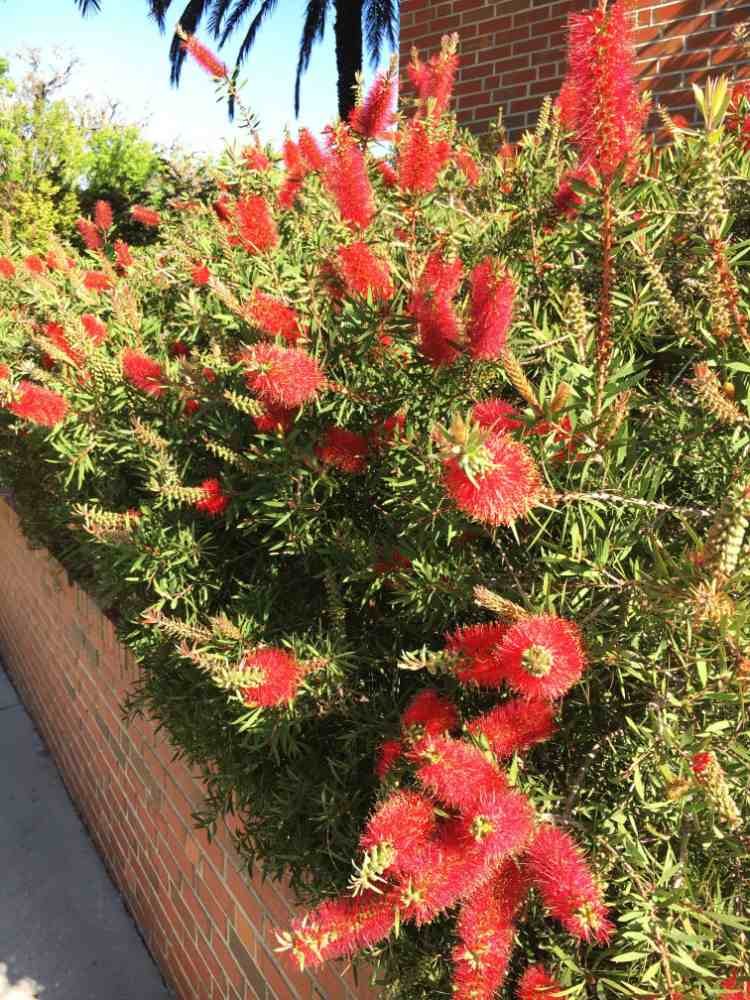
Rigid bottlebrush is a tough evergreen shrub or small tree that loves bright, open spaces. It features stiff, aromatic foliage and dense, bright scarlet flower spikes that resemble a bottle washer brush.
Hummingbirds and butterflies swarm to its nectar-filled blossoms throughout spring and summer. It easily handles poor sandy soil, coastal salt spray, and prolonged dry spells.
- Light: Full sun
- Water: Low to moderate; very drought-tolerant once rooted
- Mature Size: 10 to 20 feet tall, 8 to 12 feet wide (or 3 feet tall for dwarf varieties like ‘Little John’)
- Bloom Time: Periodic flushes throughout spring, summer, and fall
- Flower Color: Brilliant crimson red
Quick Tips for Success in Full-Sun Florida Beds
- Water Deeply During Establishment: Even super drought-tolerant plants need regular irrigation for the first 8 to 12 weeks while roots expand into native soil.
- Plant in Native Sand: Avoid digging rich potting soil into individual planting holes. Plant directly into the existing soil, as this forces root systems to grow deep and wide.
- Use Coarse Mulch: Maintain a 2 to 3 inch layer of pine bark or pine straw mulch across the bed to cool root zones and preserve soil moisture. Keep mulch a few inches away from the base of the plant stems to prevent rot.