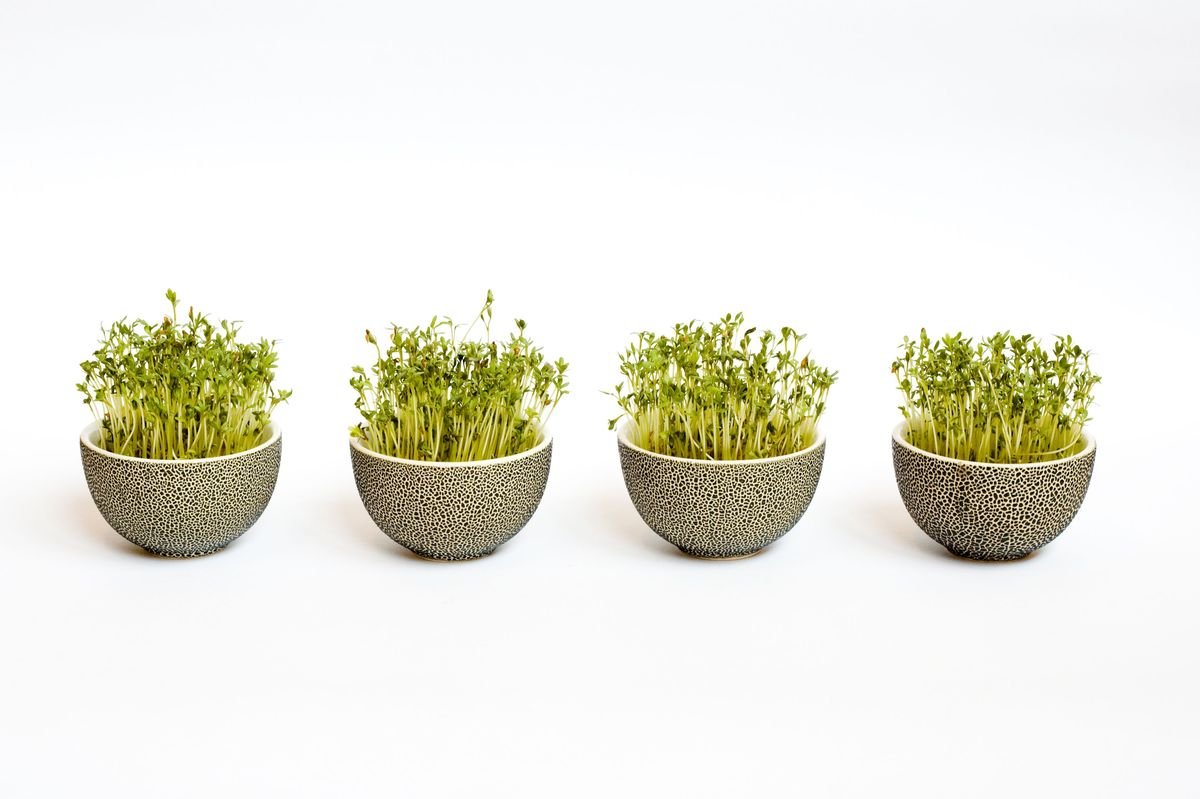
Microgreens are true powerhouses of flavor, color, and nutrition. Whether you grow your own on a sunny windowsill or pick up a fresh container at your local market, finding new ways to use them can transform your everyday meals.
Adding these delicate seedlings to your diet is surprisingly simple. You do not need complicated gourmet cooking techniques to enjoy their crisp texture and concentrated nutrients. Here are some of the most versatile and creative ways to incorporate microgreens into your daily cooking routine.
Fresh Leafy Salads
Using microgreens as the base or accent in a fresh salad is one of the quickest ways to enjoy their crisp flavor. Instead of relying solely on standard lettuce varieties, you can toss in a handful of spicy mustard greens or earthy beet shoots.
Microgreens pair wonderfully with bold salad ingredients. Try mixing sweet sliced strawberries, crumbled goat cheese, and sunflower shoots for a refreshing summer side.
For a heartier lunch, build a roasted chickpea and chicken bowl on top of a bed of fresh arugula microgreens. Finish the dish with a light lemon vinaigrette to bring out the bright herbal notes without weighing the delicate greens down.
Blended Morning Smoothies
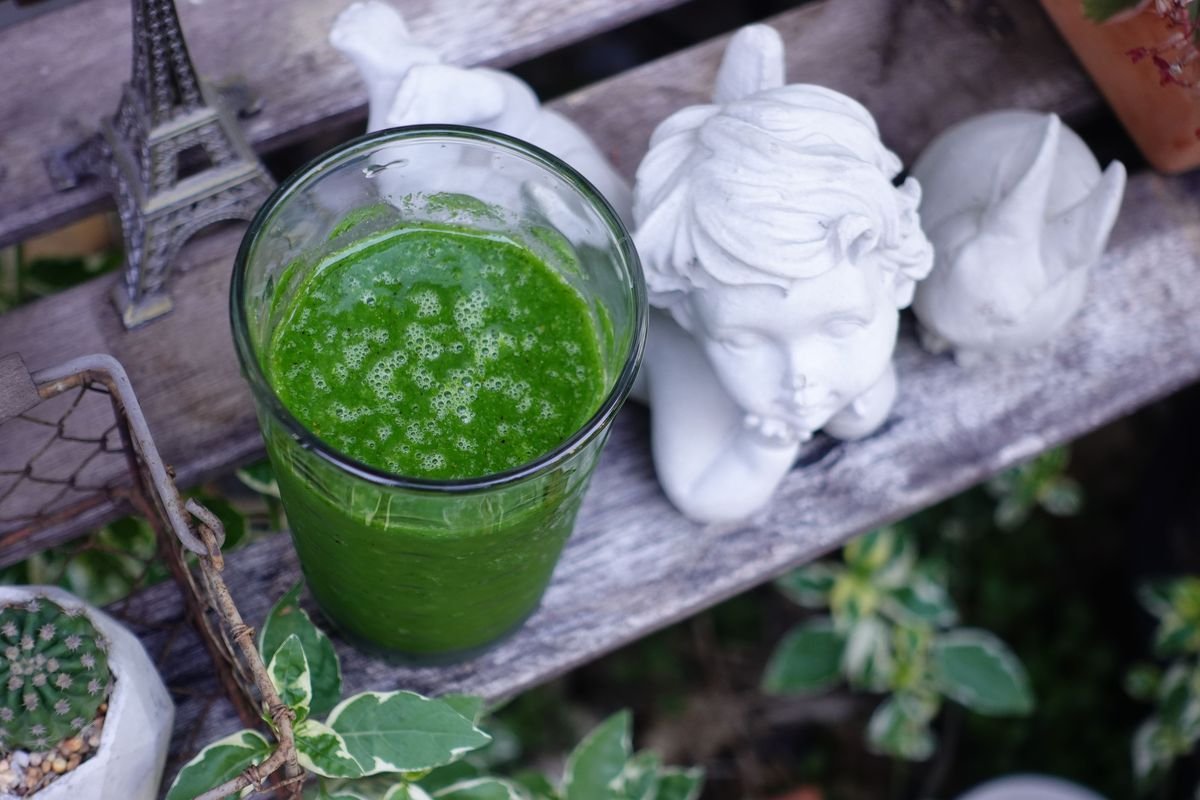
If you want to boost your daily nutrient intake without chewing through a mountain of produce, smoothies are the ideal solution. Blending microgreens into your morning drink delivers plenty of vitamins and plant compounds in seconds.
Keep in mind that certain varieties, like radish and mustard microgreens, carry a sharp bite. When building your smoothie, balance stronger greens with sweet fruits such as ripe bananas, frozen mango, or pineapple chunks.
Always drink your blended green smoothies right after preparation. Freshly blended microgreens provide the best flavor and retain maximum nutritional value before the ingredients begin to settle or oxidize.
Homemade Pasta Sauces
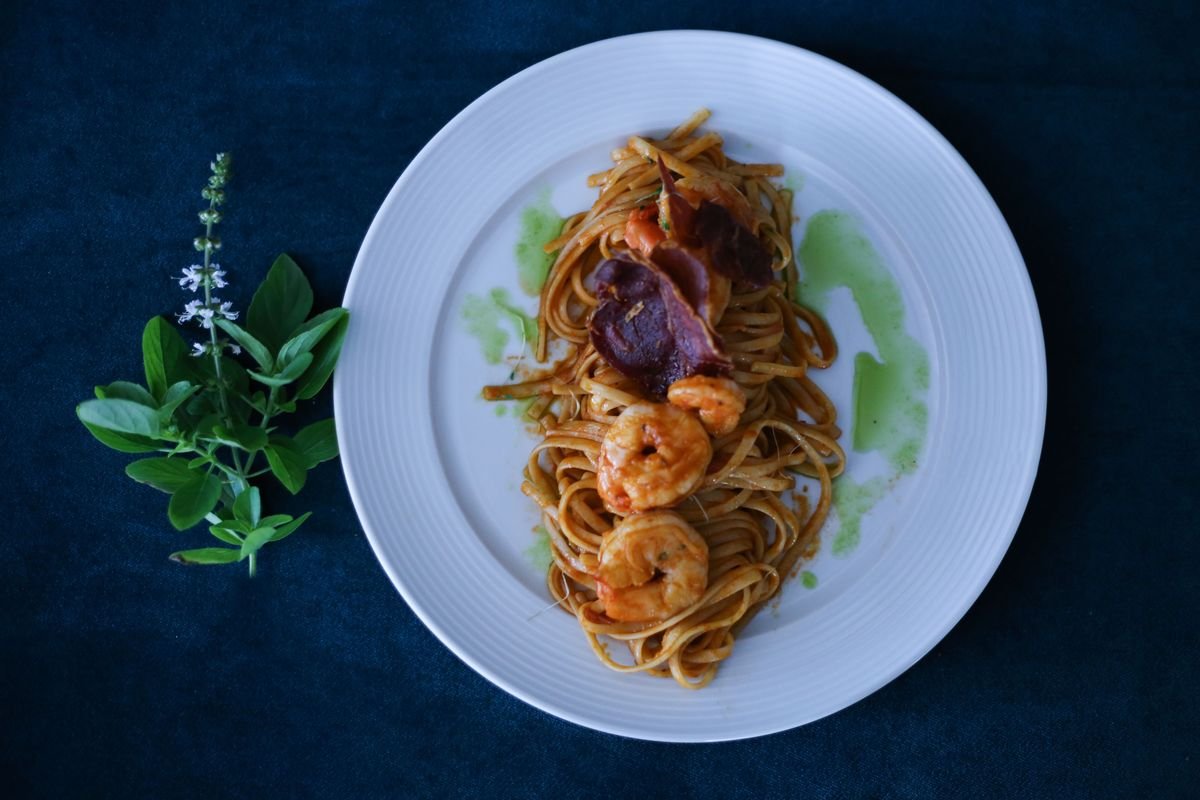
Microgreens make an exceptional addition to classic pasta sauces. They introduce pleasant textures and enrich the overall depth of flavor in both red and white sauces.
You can fold tender pea shoots, broccoli microgreens, or basil seedlings directly into a simmering marinara sauce just moments before taking it off the heat. This slight wilting softens the stems while preserving their bright color.
If you have picky eaters at home who dislike the sight of leafy greens, you can finely puree them into a rich Alfredo or garlic cream sauce. The velvety cheese sauce naturally conceals the greens while keeping every bit of their nutrition intact.
Hearty Breakfast Scrambles
Eggs and microgreens are a natural culinary match. The rich creaminess of eggs creates a delicious contrast against the crisp, peppery crunch of fresh seedlings.
When preparing scrambled eggs or an omelet, cook the eggs gently over medium-low heat until they are soft and custardy. Remove the pan from the heat source and fold in your microgreens during the final few seconds.
Residual heat will gently soften the greens without turning them soggy or limp. Kale, broccoli, and chard microgreens work especially well in breakfast dishes, adding color and valuable antioxidants to start your morning.
Crunchy Sandwich and Wrap Fillings
Standard sandwich lettuce often turns soggy or lacks distinct flavor. Replacing or supplementing it with crisp microgreens instantly upgrades sandwiches, pita pockets, and tortilla wraps.
The secret to an exceptional wrap lies in proper layering. Spread your favorite condiment, such as mayonnaise, hummus, or roasted garlic aioli, directly onto the bread to serve as a flavorful anchor.
Layer your proteins and sliced vegetables next, then top everything with a generous cluster of sunflower shoots or radish microgreens. Their sturdy stems provide a clean, satisfying crunch with every single bite.
Savory Open Faced Toast
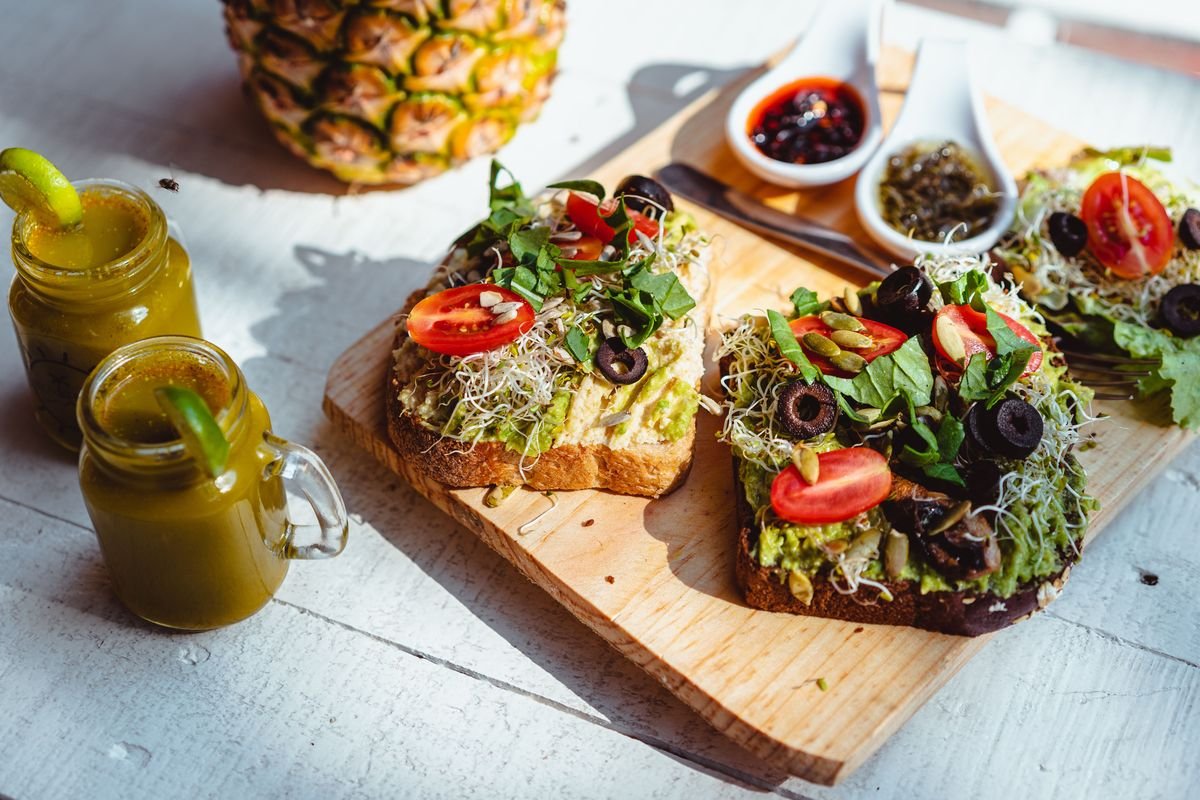
Elevate your morning routine by piling vibrant microgreens on warm, toasted artisan bread. They turn a simple piece of toast into an elegant café style meal with almost no effort.
Avocado toast is perhaps the most popular canvas for these tiny greens. The creamy healthy fats of the avocado balance the crisp bite of radish or cilantro microgreens beautifully.
You can also experiment with other savory combinations. Try toasted sourdough spread with whole milk ricotta, topped with heirloom cherry tomatoes, a pinch of flaky sea salt, and a crown of tender basil microgreens.
Quick Stir Fry Garnish
Stir fry recipes are renowned for their speed, versatility, and vibrant vegetable blends. While delicate microgreens should not be tossed into a blistering hot wok for minutes on end, they make a fantastic finishing touch.
High heat quickly breaks down fragile seedling walls and destroys valuable heat-sensitive enzymes. To get the best of both worlds, prepare your noodles, proteins, and sauces completely.
Once the pan is off the flame, scatter a handful of fresh pea shoots or kohlrabi microgreens across the top. The steam will slightly warm the greens while maintaining their pleasant snap and fresh green aroma.
Homemade Pesto Spreads
Classic pesto relies heavily on large bunches of mature sweet basil. However, microgreens can be used to make equally fragrant, flavorful, and nutrient dense spreads.
You can substitute part or all of the traditional herbs with sunflower shoots, arugula microgreens, or basil microgreens. Combine the greens in a food processor with garlic, toasted pine nuts or walnuts, parmesan cheese, and quality olive oil.
Pulse the ingredients until smooth and creamy. Store your homemade microgreen pesto in an airtight glass jar in the refrigerator, where it will stay fresh and flavorful for up to one week.
Warm Creamy Soups
Adding microgreens to warm soups provides both a visual pop and an exciting textural contrast. A flat bowl of soup instantly looks more appetizing with a bright green garnish.
Float a bundle of sweet pea shoots or micro cilantro over creamy tomato bisque, roasted butternut squash soup, or potato leek chowder right before serving.
You can also blend mild microgreens directly into hot broth based soups. Simply stir in a couple of cups of broccoli or cabbage microgreens during the last minute of blending for an extra dose of dietary fiber and natural color.
Oven Baked Quiches and Frittatas
Quiches, frittatas, and egg bakes are wonderful vehicles for seasonal greens. Microgreens distribute evenly throughout the egg custard, ensuring great texture in every slice.
To prevent the greens from releasing excess moisture inside the custard, gently toss them with a few drops of olive oil before mixing them with your beaten eggs and cheese.
Bake your dish until the edges are golden and the center is just barely set. The microgreens will emerge tender, providing an appealing speckled appearance and subtle earthy flavor throughout the entire bake.
Gourmet Pizza Toppings
Take your homemade pizza night to the next level by finishing your pies with fresh microgreens. This technique mirrors high-end artisan pizzerias that use fresh arugula as a post-bake garnish.
Bake your pizza with its usual crust, tomato sauce, meats, and cheeses until the crust is crisp and the mozzarella is bubbling. Remove the pie from the oven and let it cool for two minutes.
Scatter a generous handful of spicy arugula or radish microgreens over the melted cheese. The gentle warmth from the pizza softens the greens slightly while preserving their peppery punch and vibrant green hue.
Savory Fresh Dips and Salsas
Chopped herbs play a critical role in dips and salsas, and microgreens can easily fill that role with even more concentrated flavor.
Micro cilantro makes a fantastic substitute for mature cilantro in fresh guacamole, pico de gallo, or roasted corn salsa. It offers that classic bright flavor without any of the soapy aftertaste some people dislike.
You can also fold finely chopped chive or mustard microgreens into sour cream, greek yogurt, or cream cheese dips. Serve these herbed dips alongside raw vegetable sticks or pita chips for a wholesome party appetizer.
Grain Bowls and Rice Dishes
Warm grain bowls are staple meals for healthy eating, built from bases like quinoa, brown rice, farro, or barley. Microgreens provide the ideal fresh component to balance dense grains.
Layer warm grains with roasted sweet potatoes, sliced grilled chicken or tofu, and a drizzle of tahini dressing. Top the warm bowl with crisp red cabbage or sunflower microgreens.
The dynamic contrast between the warm, chewy grains and the cool, crisp greens creates a deeply satisfying meal that keeps you energized for hours.