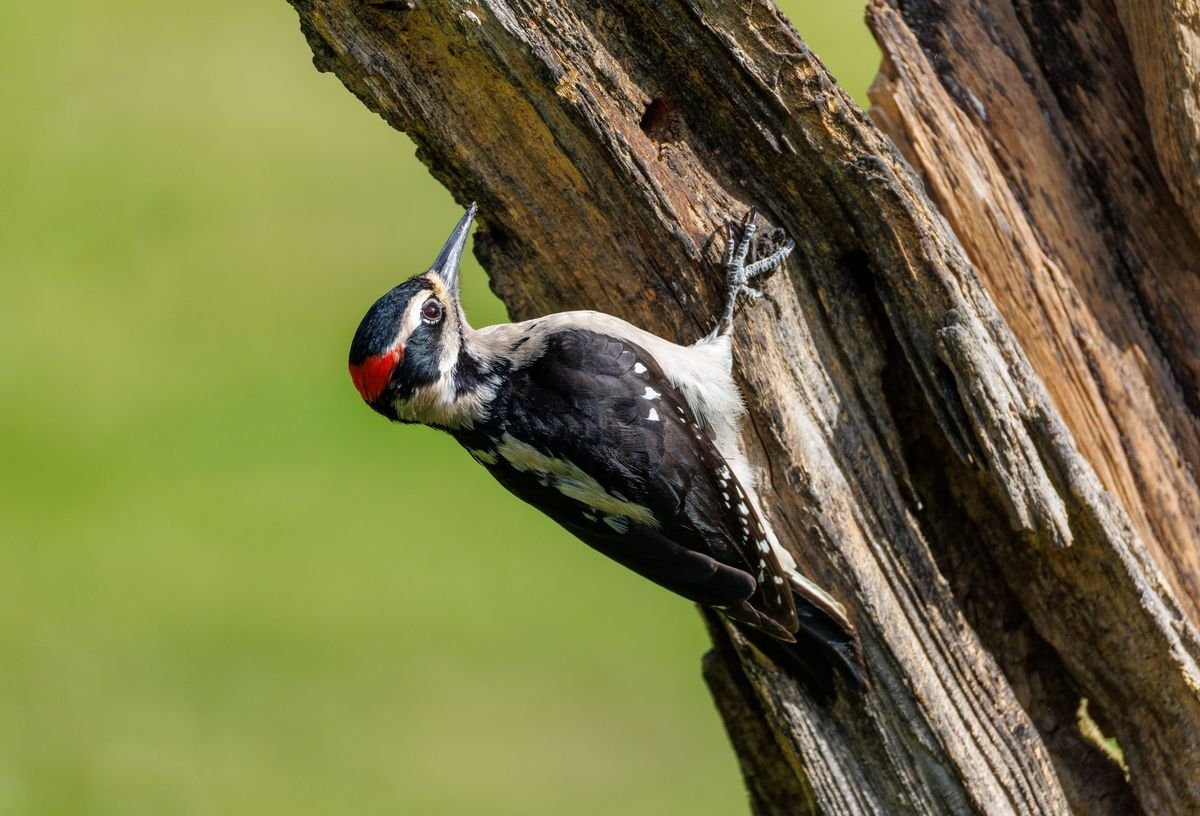
Woodpeckers are fascinating birds that add vibrant life and natural rhythm to any landscape. Their rhythmic tapping is a familiar sound in suburban neighborhoods, wooded lots, and rural properties alike.
However, discovering dozens of freshly drilled holes along the trunk of a favorite backyard tree can quickly turn your admiration into serious concern.
Many homeowners worry that a visiting woodpecker will weaken or eventually kill their valuable shade and ornamental trees.
While these birds rarely destroy healthy trees overnight, their persistent drilling can cause structural weakness, invite secondary infections, or point to an existing insect infestation.
Understanding the reasons behind their behavior is the first step toward safeguarding your trees and coexisting peacefully with local wildlife.
Understanding Woodpecker Behavior in Trees
Woodpeckers belong to the family Picidae, a specialized group of birds adapted for climbing vertical tree trunks and drilling into solid wood.
They have strong, chisel-like bills, shock-absorbing skulls, stiff tail feathers that act as a supportive prop, and unique zygodactyl feet that grip bark tightly.
When a woodpecker pecks on a tree, it is usually performing one of three main activities. The bird might be foraging for hidden wood-boring insects, excavating a nesting cavity, or drumming to establish territory and attract a mate.
Drumming is distinct from foraging because the bird strikes resonant surfaces rapidly without actually carving deep holes.
Foraging and cavity construction, on the other hand, actively remove bark and heartwood, which is where property owners begin to notice visible physical impact on their trees.
Why Woodpeckers Choose Certain Trees
Woodpeckers rarely select trees at random. In most situations, their presence indicates that the tree is already providing an abundant food supply or soft, decaying wood suitable for a cozy nest.
Trees suffering from internal fungal decay, dead limbs, or infestations of beetle larvae, carpenter ants, or termites are prime targets for larger woodpeckers like the pileated or downy woodpecker. The birds can hear and feel insect vibrations deep beneath the bark.
Some species, like yellow-bellied sapsuckers, choose healthy trees specifically to feed on sweet sap and cambium tissue.
They drill neat grids of shallow wells into live birch, maple, pine, or fruit trees to harvest running sap, returning repeatedly throughout the season to feed on both the sap and the insects trapped inside it.
Signs of Woodpecker Activity and Damage
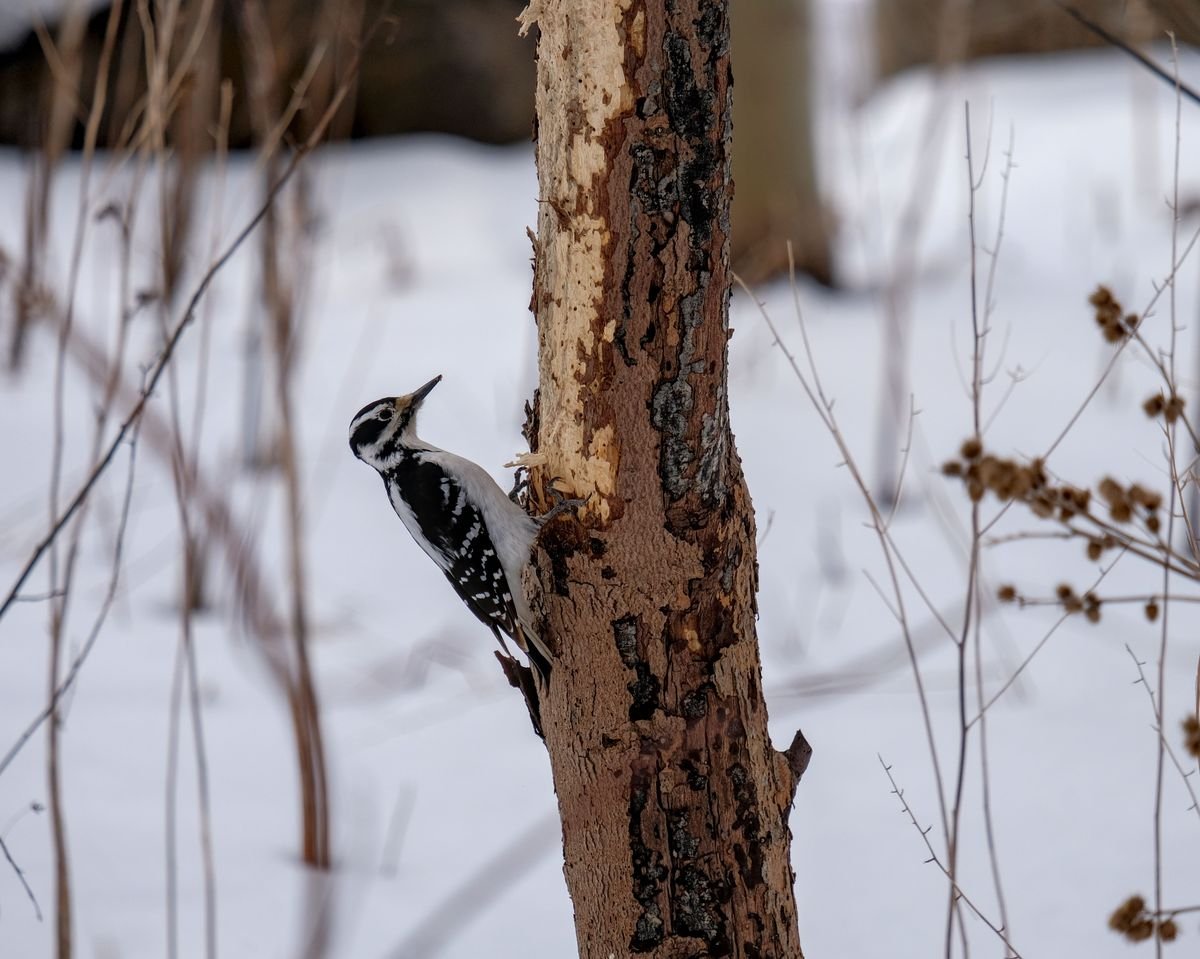
Identifying woodpecker activity is straightforward once you know what patterns to look for on the trunk and upper limbs.
Different species leave distinct hole patterns based on their primary motivation:
- Neat horizontal or vertical rows: Small, shallow, circular or rectangular holes arranged in orderly lines are typical of sapsuckers tapping into living bark.
- Scattered, cone-shaped excavations: Deep, jagged holes that follow the tunnels of wood-boring insects indicate that a bird is actively hunting for food.
- Large rectangular gouges: Massive, deep cavities cut cleanly into dead or dying wood are the trademark work of pileated woodpeckers seeking carpenter ants.
- Single large round entry holes: A smooth, circular opening roughly two to four inches wide leading to a hollow interior chamber represents a completed nesting cavity.
Along with visible holes, you will often find fresh wood chips and sawdust scattered on the ground around the base of the trunk.
Differences Between Feeding and Nesting Holes
Telling the difference between feeding marks and nesting cavities is important when planning your management strategy. Feeding marks tend to be shallow and numerous, often spread across wide patches of the trunk where insects are active or sap flows freely.
Nesting holes are far more substantial. A nesting pair will excavate a single deep chamber that penetrates through the outer sapwood and into the soft heartwood of the tree.
These cavities can take several weeks to excavate. Because woodpeckers prefer dead or decaying wood for nesting, a newly dug cavity usually means the structural wood of that branch or trunk section was already compromised by rot before the bird arrived.
Can Woodpeckers Actually Kill a Healthy Tree
In the majority of cases, woodpeckers do not directly kill healthy, mature trees. A few shallow feeding holes or seasonal sapsucker wells will simply prompt the tree to produce resin and callus tissue to seal over the wounded spots.
However, serious harm can occur if the drilling is exceptionally heavy or concentrated around the entire circumference of the trunk. If sapsuckers or foraging birds bore closely spaced holes all the way around a trunk, they can girdle the tree. Girdling disrupts the flow of water and nutrients through the inner phloem and xylem, causing everything above the damage ring to wither and die.
Additionally, open woodpecker holes create convenient entry pathways for moisture, fungal spores, bacterial pathogens, and opportunistic wood-decay organisms. Over several years, secondary decay can weaken the structural integrity of the trunk, making it susceptible to snapping during heavy windstorms.
How to Assess the Damage on Your Tree
Before taking action, you should carefully inspect the affected tree to understand the scope and severity of the problem.
Start by checking the overall vigor of the canopy. Look for yellowing leaves, thinning foliage, or dead branch tips above the pecked areas, which might suggest that nutrient transport has already been interrupted.
Next, examine the depth and distribution of the holes. Count whether the damage covers a small isolated patch or circles the main trunk entirely. Use a clean ruler or probe to determine if the holes are merely superficial punctures in the bark or deep structural hollows that extend into the central core.
If the wood inside the holes feels mushy, crumbly, or soft, the tree may already have advanced internal rot that needs professional evaluation.
Simple Methods to Prevent Woodpeckers
The most reliable way to protect your tree is to discourage woodpeckers before they establish a firm daily habit of feeding or nesting on your property.
Early intervention is critical because once a bird successfully claims a territory or finds a steady food source, deterring it becomes significantly more challenging.
You can use a combination of physical barriers, visual scare tactics, and auditory deterrents to convince the birds that your yard is an unfavorable place to linger. Rotating your deterrents every week or two prevents the birds from growing accustomed to them and ignoring them over time.
Visual Deterrents That Really Work
Woodpeckers are naturally cautious and alert to sudden movement and bright, shifting reflections. Installing visual scare devices directly in or near vulnerable trees can quickly startle them away.
Effective visual options include:
- Reflective scare tape: Strips of metallic, iridescent ribbon hung loosely from upper branches flash brightly in sunlight and twist with every light breeze.
- Compact mirrors or old CDs: Suspending shiny reflective discs by fishing line creates erratic flashes that disorient incoming birds.
- Predator decoys: Realistic plastic replicas of hawks or owls placed near high branches can provide temporary relief, though you must move their positions every few days so the woodpeckers do not realize they are harmless.
- Wind spinners and ribbons: Bright, fluttering garden spinners installed near the trunk make it difficult for birds to feel safe landing.
Auditory and Physical Barriers for Trees
When visual devices alone are not enough, adding physical and auditory barriers creates a much stronger defense.
Wrapping the affected trunk sections loosely with lightweight plastic bird netting or fine wire mesh creates an immediate physical shield that prevents the bird from gripping the bark. Ensure the netting is held a few inches off the bark surface so the bird cannot reach through it with its beak.
Burlap or horticultural tree wrap can also be secured around the trunk during peak sapsucker migration in early spring and autumn.
Auditory deterrents, such as ultrasonic devices or recorded predator distress calls, can also be used. Keep in mind that sound devices must be deployed with care in residential areas to avoid annoying pets and neighbors.
Safe Ways to Repair Woodpecker Holes
Many gardeners instinctively want to patch woodpecker holes with wound paints, tar, or synthetic wood fillers, but modern arboricultural science advises against these traditional fixes. Sealing tree cavities with heavy compounds traps ambient moisture and anaerobic bacteria inside the wound, speeding up wood decay rather than preventing it.
For small, shallow holes, the best approach is to do almost nothing. Healthy trees have natural biochemical defense mechanisms, known as compartmentalization, that allow them to wall off damaged wood and grow healthy new layers over the injury.
If the holes are large or attractive to secondary pests, clean away loose debris and cover the wound with a patch of galvanized hardware cloth secured with short stainless steel staples. The wire mesh allows fresh air to circulate while keeping squirrels, insects, and other birds from deepening the opening.
Managing Underlying Insect Infestations
If a woodpecker is persistently gouging deep channels into your tree trunk, the bird is usually responding to an existing colony of wood-boring insects.
Treating only the surface damage without addressing the pests inside the wood will not solve the root issue. The woodpeckers will continue returning as long as an active food source remains.
Inspect the bark closely for tiny exit holes, powdery frass, or loose, peeling bark that suggests emerald ash borers, longhorn beetles, or bark beetles are living inside. Consult a licensed arborist or pest control professional who can recommend targeted systemic treatments or insecticidal drenches to clear out the pests without poisoning visiting wildlife.
Legal Protections and Relocation Guidelines
Before attempting to handle any woodpecker issue on your land, it is crucial to recognize that all woodpecker species are strictly protected under federal and international law.
In the United States, woodpeckers are safeguarded by the Migratory Bird Treaty Act. This law makes it illegal to capture, kill, harm, trap, or possess the birds, their feathers, or their active nests without a federal permit.
If a woodpecker has already laid eggs or is actively raising chicks inside a cavity on your property, you must leave the nest untouched until the young have fledged. Once the nesting season concludes and the birds abandon the cavity, you can legally seal the entrance to prevent them or other animals from reusing it next year.
Providing Alternative Nesting and Food Sources
If you enjoy birdwatching and want to keep woodpeckers in your neighborhood without sacrificing your prized landscape trees, redirection is an excellent long-term strategy.
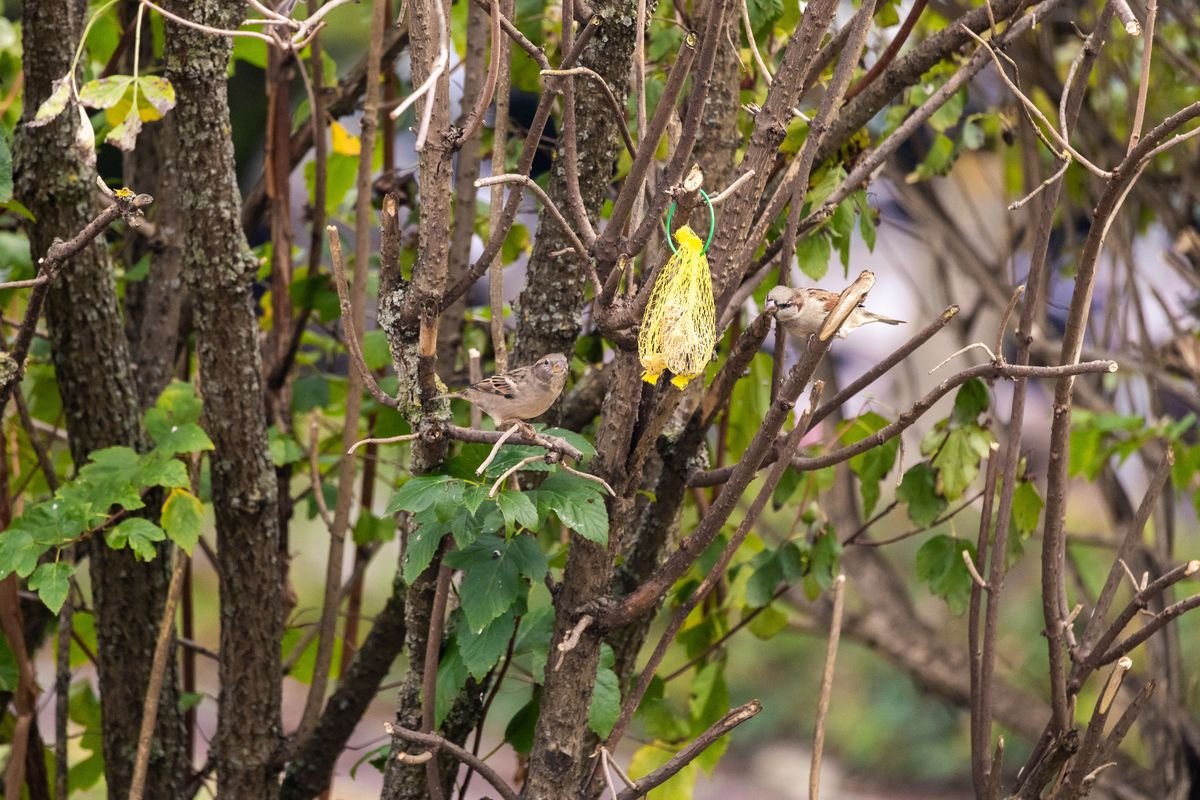
You can set up high-energy feeding stations well away from vulnerable trees. Woodpeckers love commercial suet cakes made with peanuts, mealworms, and sunflower seeds, particularly during the cooler winter months when natural insects are scarce.
You can also install a purpose-built woodpecker nest box on a sturdy post or utility pole at the edge of your property. Make sure the dimensions and entrance hole match the specific woodpecker species native to your region.
If you have an old, non-hazardous tree stump or dead snag in a safe corner of the yard, consider leaving it standing. Dead snags provide the perfect natural foraging and nesting habitat, keeping the birds happily occupied far away from your live garden specimens.
Knowing When to Call an Arborist
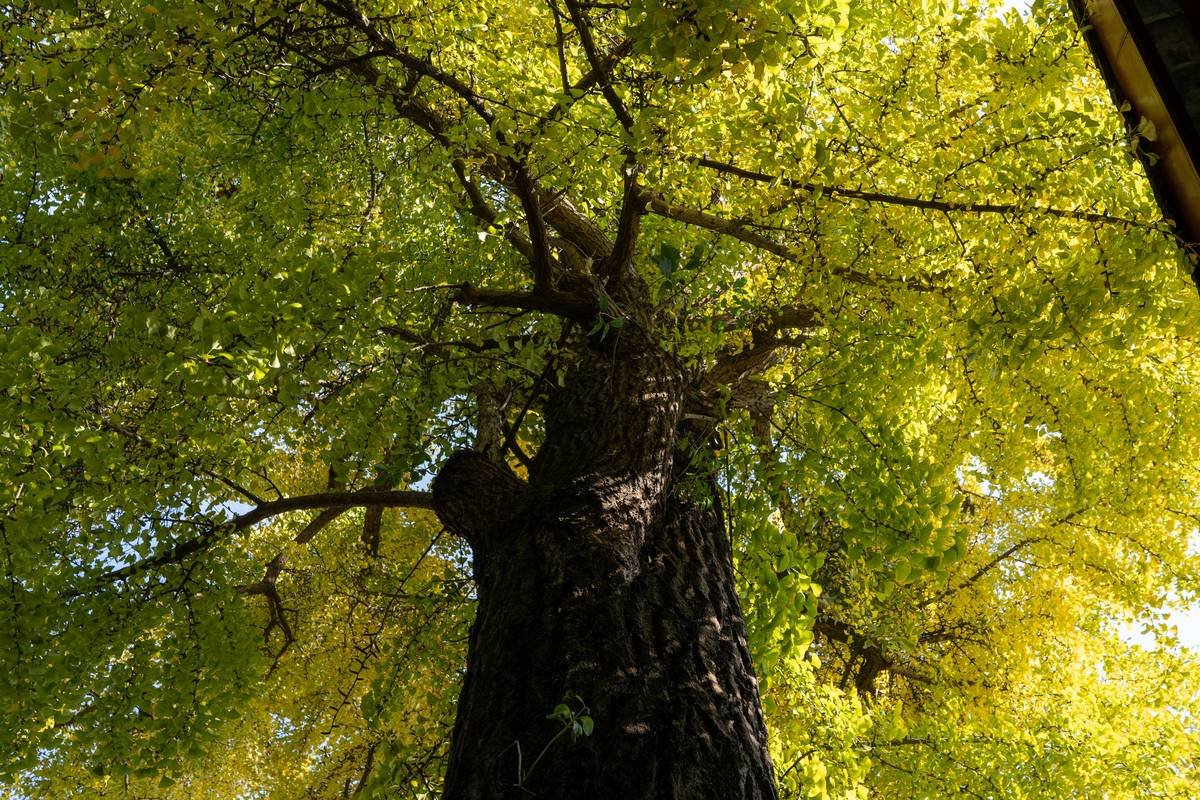
While minor pecking can be managed with simple DIY deterrents, some tree damage requires professional arboricultural expertise.
You should reach out to an ISA-certified arborist if you notice:
- Extensive horizontal girdling that covers more than half the trunk circumference.
- Large, hollowed-out nesting chambers located on main structural limbs hanging over buildings, driveways, or play areas.
- Widespread branch dieback throughout the upper canopy following heavy bird feeding.
- Signs of advanced fungal conks, mushrooms, or soft, punky wood emerging from older pecked holes.
A certified arborist can perform a thorough structural risk assessment, measure internal sound wood thickness, and suggest cabling, pruning, or soil health therapies to help your tree recover.
How Serious Is the Woodpecker Damage on Your Tree?
Answer 4 quick questions to see your result