Have you ever felt like you hit a brick wall with your talents, your creativity, or your career? Many of us reach moments in life where we feel stuck, wondering if our abilities have reached their natural limit.
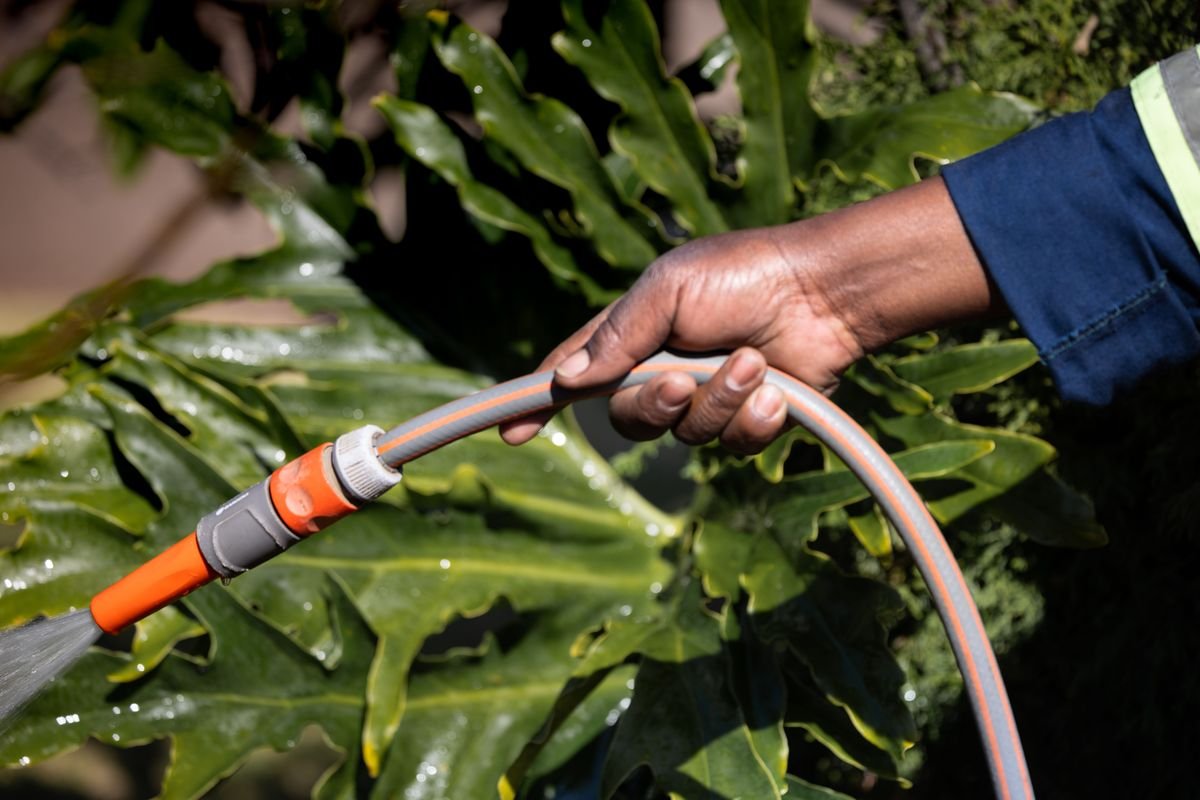
In reality, that invisible ceiling is almost always a mental barrier rather than a permanent boundary. Just like a backyard garden that needs regular care, rich soil, and plenty of sunlight, your mind requires ongoing attention and patience to thrive.
Understanding the Mental Garden
Think about how plants interact with the natural world.
A seed does not stay dormant forever unless it lacks the moisture, light, and warmth required to sprout. When conditions are right, that tiny seed pushes through tough soil, stretches toward the sun, and expands beyond its initial shell.
Your brain works in a remarkably similar way.
Neuroscientists have proven that our brains are plastic, meaning they can form new neural connections at any age. When you expose yourself to new experiences, practice unfamiliar skills, and embrace new concepts, your mind physically adapts. Viewing your thoughts as a living ecosystem helps you realize that personal development is an ongoing cultivation process rather than a fixed state.
The Difference Between Fixed and Growth Thinking
To understand how to tend your mind, you must first recognize the two primary approaches people take toward their own abilities.
A fixed mindset assumes that talent, intelligence, and creative skill are innate traits given to us at birth. People who hold this view tend to avoid risks because failing feels like an indictment of their natural worth.
They run away from difficult tasks, dismiss feedback, and feel threatened by the achievements of others.
In contrast, a growth mindset operates on the foundational truth that effort and practice shape ability.
When you adopt a growth mindset, a mistake is not a verdict on your intelligence. Instead, it serves as valuable data showing you where to adjust your technique. You begin to treat challenges as fertilizer that helps your abilities expand.
Preparing the Soil with Self Belief
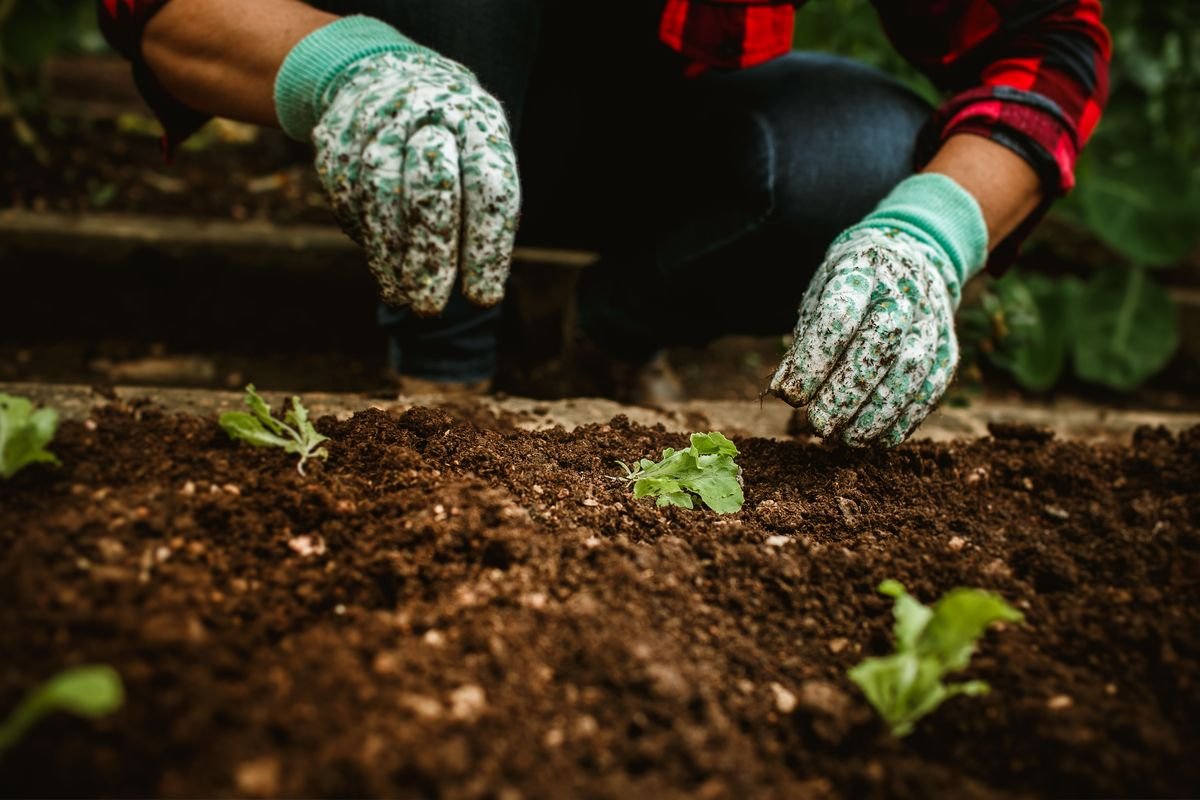
Before you can grow healthy vegetables or fragrant flowers, you must prepare the soil.
If the ground is hard, dry, and packed tight, seeds cannot establish strong root systems. In your personal life, your baseline self-belief serves as that foundational soil.
Believing in your capacity to adapt does not mean pretending you know everything.
It simply means trusting your ability to learn, practice, and improve over time. When self-doubt whispers that you are not cut out for a specific task, acknowledge the thought without accepting it as fact.
Start small by recalling previous obstacles you managed to overcome. Every time you successfully learned to ride a bike, cook a new meal, or navigate a complex software program, you proved that your skills are not static. Use those memories to enrich your confidence.
Sowing the Seeds of Daily Learning
A beautiful garden does not appear overnight. It begins with deliberate choices about what to plant.
Every day, you choose the ideas and habits you feed into your mind. If you spend your free hours scrolling aimlessly through negativity, you are planting wild thorns that crowd out productive thoughts.
Instead, make a conscious effort to plant seeds of curiosity.
Read books on subjects outside your primary field, listen to insightful podcasts, or ask questions when you do not understand a topic. When you intentionally introduce new information into your daily routine, you expand your creative horizon and create fresh pathways for personal success.
Watering Your Mind with Resilient Habits
Just as a garden needs a steady water supply to survive summer heat, your mind needs consistent habits to withstand life hurdles.
Motivation is like a heavy rainstorm. It feels refreshing and powerful, but it quickly evaporates if the soil cannot retain moisture. Resilience is the daily drip irrigation system that keeps your roots hydrated when motivation is dry.
To build that kind of resilience, replace absolute declarations with progressive phrasing.
Whenever you catch yourself saying ‘I cannot do this,’ immediately add the word ‘yet’ to the end of the sentence. That single word transforms an absolute failure into an open-ended learning journey.
Pruning the Doubts and Inner Critics
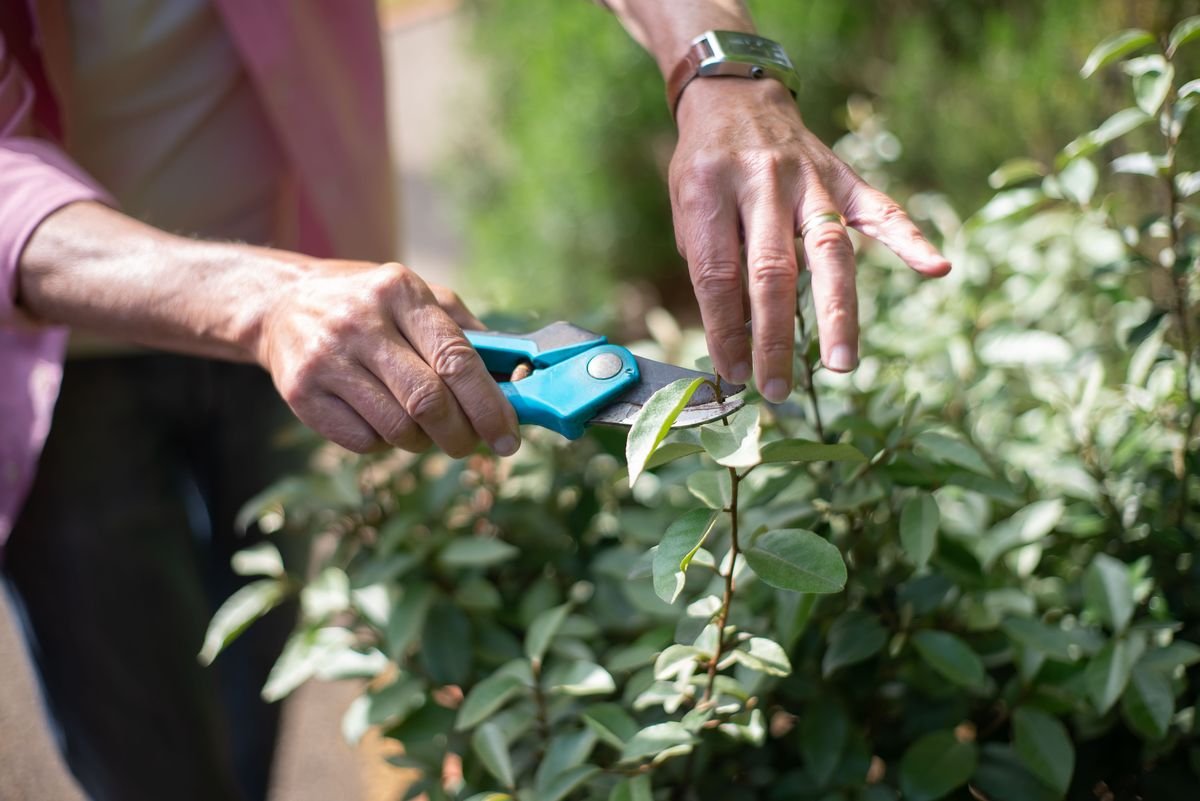
Gardening requires cutting away dead wood and damaged branches so the plant can direct its energy toward new growth.
In your mind, unhelpful self-talk is the dead wood that saps your vitality. When you constantly tell yourself you are clumsy, uncreative, or slow, you deplete the mental energy needed for real progress.
Practice auditing your internal monologue.
When a harsh criticism arises, pause and examine it as an objective observer. Would you speak to a friend or family member using those exact words? If the answer is no, discard the criticism and replace it with constructive guidance.
Pulling the Weeds of Comparison
One of the quickest ways to ruin a thriving garden is to let aggressive weeds choke out your prized plants.
In our digital world, comparison is the most toxic weed in the mental garden. It is easy to look at someone else highlight reel on social media and feel like your own progress is hopelessly behind schedule.
Remember that every plant grows on its own timeline.
A carrot matures in a matter of weeks, while an apple tree takes years to yield sweet fruit. Neither plant is superior to the other; they simply follow different biological rhythms.
Focus on your own plot of ground. Measure your growth against where you stood six months ago rather than comparing your chapter one to someone else chapter twenty.
Protecting Your Growth from Harsh Weather
Every gardener experiences unexpected hail, late frosts, or prolonged droughts that threaten their hard work.
Life brings equivalent storms in the form of job disruptions, health challenges, or unexpected personal losses. When difficult seasons arrive, your primary goal is preservation rather than rapid expansion.
During stressful periods, give yourself permission to slow down without giving up entirely.
Scale back your expectations to the core essentials, protect your emotional boundaries, and prioritize rest. Just like perennial plants that rest under winter snow, taking time to recharge allows you to return stronger when the season changes.
Nourishing Roots with Constructive Feedback
Fertilizer often smells unpleasant, but it provides the nitrogen, phosphorus, and potassium that plants need to thrive.
Constructive feedback functions exactly like organic fertilizer in your personal growth. It can feel uncomfortable and stinging at first, but it contains the vital nutrients necessary for improvement.
When a mentor, colleague, or friend points out an area where you can refine your work, resist the urge to get defensive.
Separate your personal identity from your output. Their feedback is not a critique of who you are as a human being; it is an analysis of a specific skill that you can polish with practice.
Celebrating Every Harvest Along the Way
A gardener does not wait until the final bushel of produce is picked before feeling a sense of satisfaction.
They celebrate the first green sprout, the first flower bud, and the first ripe tomato. You should treat your personal achievements with the same enthusiasm.
Recognizing small victories builds momentum and reinforces positive habits.
Keep a simple notebook where you record small wins at the end of each week. Documenting the tasks you finished, the new tools you mastered, or the difficult conversations you handled gives you tangible proof of your forward motion.
Cultivating Long Term Habits for Life

Nurturing a growth mindset is not a temporary project that you complete and walk away from forever.
It is a continuous, lifelong practice of learning, adapting, and refining your relationship with yourself. Some seasons will bring remarkable growth, while other seasons will require quiet patience and maintenance.
By treating your mind with kindness, feeding it positive inputs, and viewing every challenge as a valuable teacher, you will create a rich mental landscape capable of producing bountiful results year after year.
How Healthy Is Your Mental Garden?
Answer 4 quick questions to see your result