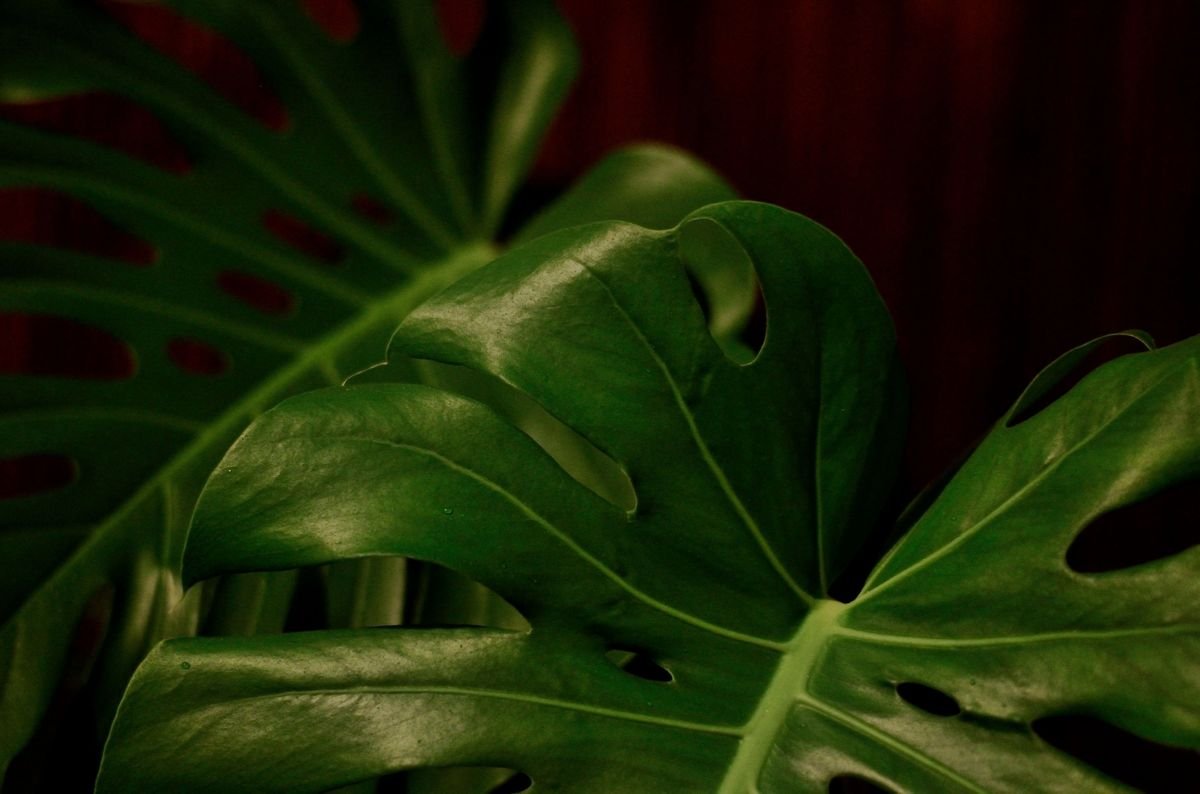
Monstera plants are widely cherished for their dramatic, perforated leaves that bring an instant tropical jungle feel into any living space. While most plant enthusiasts grow them strictly for their impressive foliage, many are surprised to discover that monsteras are capable of producing fascinating flowers.
In their natural rainforest habitats, mature monsteras bloom regularly throughout the warm seasons. Bringing those same blossoms to life inside your living room is definitely a challenge, but understanding how the plant develops makes it entirely achievable with patience and proper care.
What Monstera Flowers Look Like
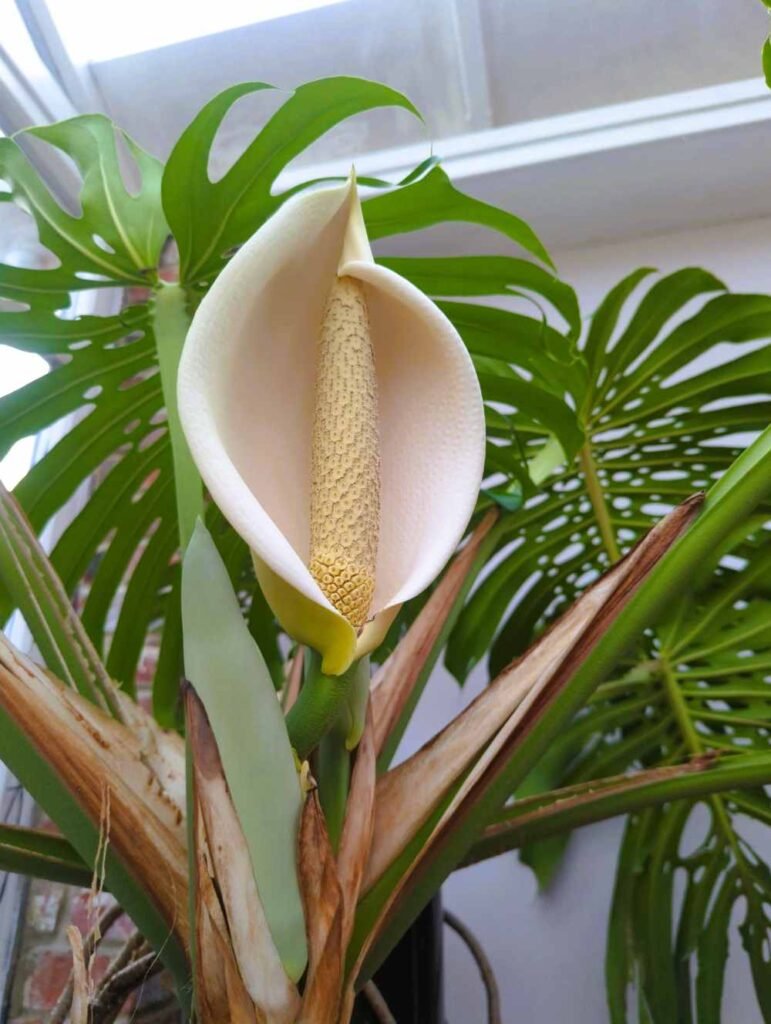
Monstera blossoms do not look like traditional garden flowers with delicate petals. Because the plant belongs to the Araceae family, its blooms are technically classified as an inflorescence.
This structure consists of two primary elements known as the spathe and the spadix. Together, they create an architectural bloom that looks strikingly similar to the flowers of peace lilies or calla lilies.
Anatomy of the Spathe and Spadix
The outer part of the inflorescence is called the spathe, which is a modified leaf that forms a protective, boat-shaped hood around the center. As the flower matures, this hood unfurls to expose the reproductive core.
The central column inside is called the spadix. This thick, upright spike holds hundreds of microscopic true flowers clustered tightly along its surface.
Typical Colors of the Bloom
Monstera flowers exhibit an elegant and understated color palette. The outer spathe is usually a soft cream, ivory, or pale greenish white.
The inner spadix typically displays shades of pale yellow, tan, or light greenish gold. The subtle tones blend harmoniously with the deep emerald green foliage of the surrounding plant.
Overall Size and Dimensions
The inflorescence of a mature Monstera deliciosa can grow quite large. The spathe often reaches between 8 and 12 inches in total length.
The spadix inside generally measures between 6 and 10 inches long and can be over an inch thick. While smaller than the massive adult leaves, these blooms are substantial and visually striking.
The Fragrance of the Blossom
Monstera flowers release a distinctive scent that evolves as the bloom opens. During the initial opening phase, especially in the evening hours, the inflorescence emits a sweet, tropical fragrance that carries hints of pineapple, banana, and citrus.
This fruity aroma is designed by nature to attract night-flying insects and native stingless bees that act as primary pollinators in the wild.
The Lifecycle from Flower to Fruit
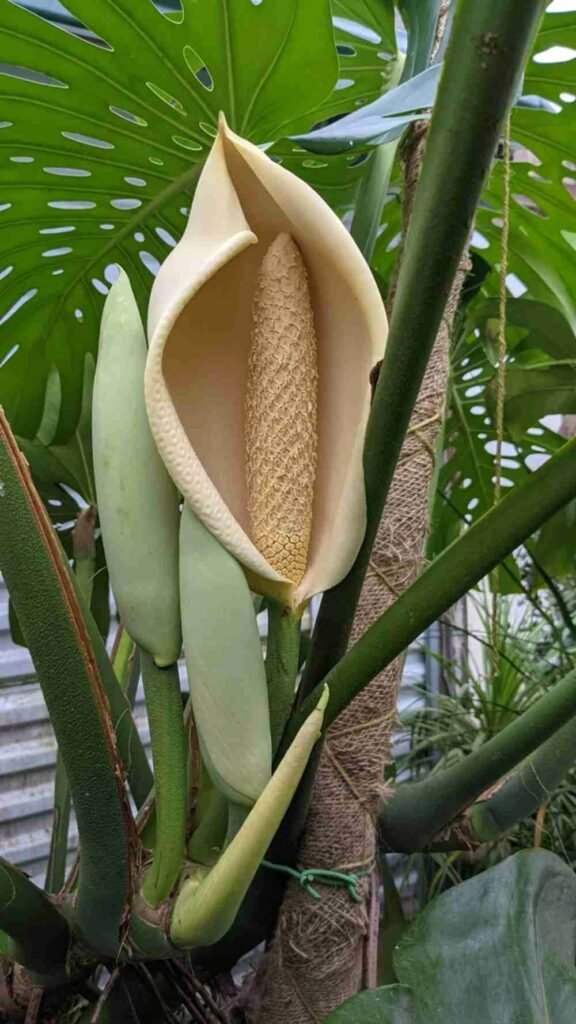
Once pollination occurs, the monstera inflorescence undergoes a dramatic transformation. The outer spathe dries up and falls away, leaving behind the fertilized spadix to develop into a compound fruit.
This fruiting process is lengthy and requires significant energy from the mother plant.
Fruit Development and Ripening
The developing fruit resembles a green ear of corn covered in hexagonal scales. In natural conditions, it takes between 10 and 14 months for the fruit to fully ripen.
As ripening progresses, the green hexagonal tiles begin to loosen and fall off naturally, revealing the fragrant, edible pulp beneath.
Edibility and Toxicity Warnings
Monstera fruit is famous for its delicious taste, which blends flavors of pineapple, mango, and passionfruit. However, caution is critical when handling or tasting the fruit.
Unripe monstera fruit is packed with needle-like calcium oxalate crystals. Consuming any part of the fruit before the scales have dropped away naturally will cause intense burning, swelling, and irritation in the mouth and throat.
When Monsteras Naturally Bloom
In nature, monsteras do not follow a strict calendar for blooming, but they rely heavily on ambient warmth and maturity. A monstera will never produce flowers during its juvenile growth stage regardless of the season.
Only specimens that have achieved full botanical maturity and stable environmental support will initiate flower buds.
Age and Maturity Milestones
In a tropical forest, a Monstera deliciosa typically reaches blooming maturity in about two to four years. Indoors, this timeline often stretches to five or six years, if it happens at all.
Slower-growing varieties, such as Monstera lechleriana, can take up to seven or eight years before developing reproductive capabilities.
Seasonal Influences in the Wild
Wild monsteras usually initiate blooms during the transition from the dry season to the wet season. This period brings increased warmth, prolonged daylight, and high humidity.
These combined cues signal to the plant that ample energy and moisture are available to support both flowering and the long fruit development cycle.
Leaf Patterns That Signal Plant Maturity
You can determine whether your monstera is approaching reproductive age by observing changes in its foliage. Juvenile leaves are completely solid and heart-shaped.
As the plant matures and begins climbing, it undergoes morphogenetic changes that produce fenestrations (holes) and splits.
Species That Only Develop Leaf Splits
Certain monstera species produce deep incisions along the leaf margins without forming interior holes as they mature.
- Monstera subpinnata
- Monstera dissecta
- Monstera spruceana
When these species develop fully pinnate leaves with deeply divided leaflets, it indicates they are approaching mature growth.
Species That Only Grow Leaf Holes
Other popular varieties produce closed interior perforations throughout the leaf blade while retaining smooth, unbroken outer edges.
- Monstera adansonii (Swiss cheese vine)
- Monstera siltepecana (mature climbing form)
- Monstera acuminata
- Monstera obliqua
- Monstera lechleriana
Seeing multiple rows of large holes on these plants is a dependable sign of adult foliage.
Species That Show Both Splits and Holes
The most famous monstera varieties showcase a combination of deep edge cuts and secondary rows of interior perforations.
- Monstera deliciosa
- Monstera dubia (mature climbing phase)
- Monstera epipremnoides
- Monstera pinnatipartita
When a Monstera deliciosa leaf produces secondary or tertiary rows of holes near the central midrib, the plant has achieved full developmental maturity.
Varieties That Never Fenestrate
Not all monstera species develop splits or holes, even when fully mature. Monstera standleyana and Monstera karstenianum (often sold as Monstera Peru) maintain solid, textured leaves throughout their entire lifespan.
For these particular species, maturity is signaled by substantial leaf size increases, thick climbing stems, and robust aerial root systems rather than leaf perforations.
How to Encourage Your Monstera to Bloom Indoors
Encouraging an indoor monstera to flower requires recreating the specific environmental triggers found in tropical canopy forests. While it requires dedication, providing the right balance of light, space, and nourishment will bring your plant closer to blooming.
Providing Ample Space and Pot Capacity
A root-bound monstera may stay alive, but it will rarely expend the substantial energy needed to produce blossoms.
Upgrade your plant to a wide, sturdy container that accommodates vigorous root expansion. A mature monstera preparing to bloom often needs a pot measuring at least 15 to 20 inches in diameter.
Optimizing Bright Indirect Sunlight
Light is the single most important factor for generating the carbohydrates required for flowering. Place your monstera in a spot that receives abundant bright, filtered sunlight throughout the day.
An east-facing window with gentle morning light or a south-facing window softened by sheer curtains offers ideal exposure. Supplemental full-spectrum grow lights can bridge the gap during darker winter months.
Crafting the Ideal Aroid Soil Mix
Monsteras are hemi-epiphytic plants that require exceptional airflow around their root systems. Heavy potting soil will suffocate the roots and lead to decay.
Create a custom chunky aroid mix by combining equal parts high-grade potting soil, chunky perlite, orchid bark, pumice, and horticultural charcoal. Maintain a slightly acidic pH between 5.5 and 6.5 for optimal nutrient absorption.
Supporting Climbing Growth with a Moss Pole
In nature, monsteras must climb trees to reach the light and trigger adult leaf formation. Ground-crawling monsteras remain in an extended juvenile state.
Install a sturdy sphagnum moss pole or wooden cedar plank. Keep the pole consistently moist so the aerial roots can embed themselves firmly, which signals the plant to produce larger leaves and mature flower buds.
Regulating Temperature and High Humidity
Monsteras thrive in warm, humid conditions that mimic their native rainforests. Keep your indoor room temperatures between 70 and 85 degrees Fahrenheit (21 to 29 degrees Celsius).
Maintain relative humidity levels above 60 percent using a dedicated room humidifier. Avoid placing the plant near air conditioning vents, drafty entryways, or heating radiators.
Perfecting Your Watering Routine
Consistent hydration without waterlogging is vital for reproductive growth. Water your monstera thoroughly when the top two to three inches of soil feel dry to the touch.
Allow all excess water to drain freely from the bottom holes. Reduce watering frequency slightly during the short days of winter, but never allow the root zone to dry out completely.
Common Challenges with Indoor Blooming
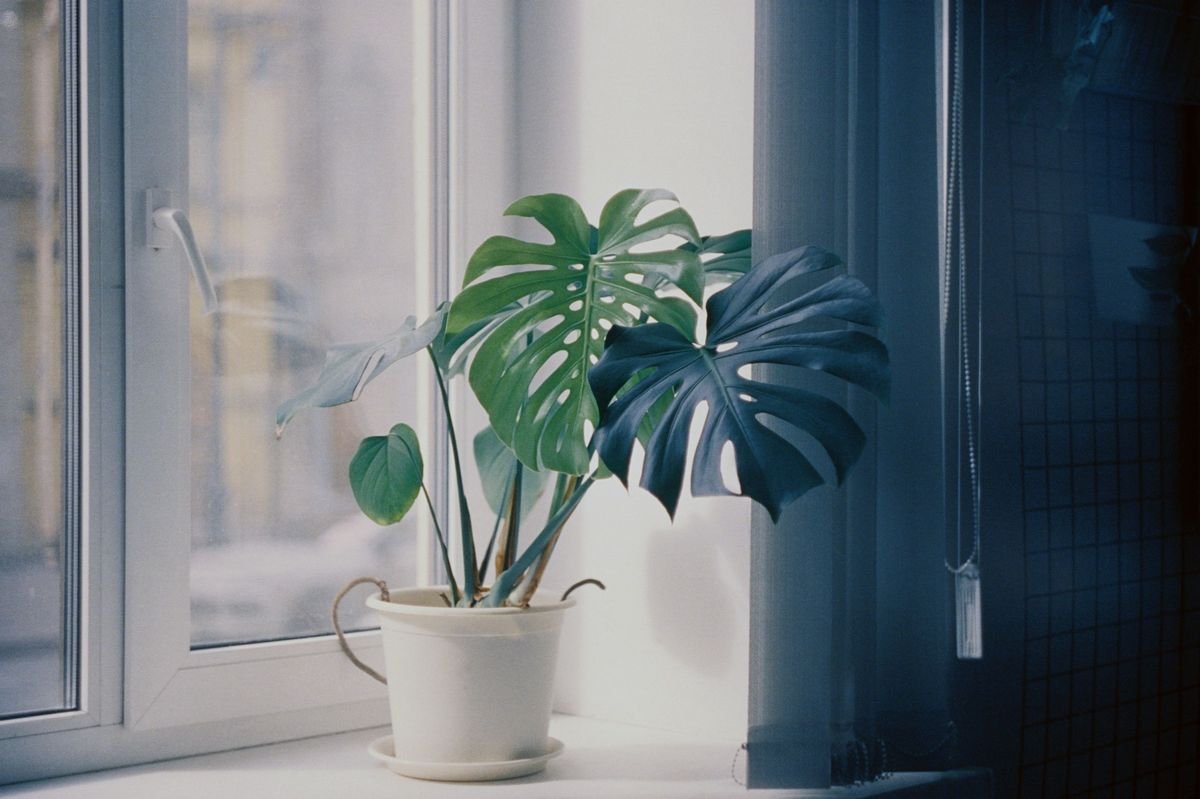
If your monstera has not flowered despite several years of care, do not be discouraged. Indoor environments naturally lack the intense solar energy and continuous humidity of equatorial forests.
Focus on maintaining exceptional plant health, providing sturdy vertical support, and maximizing bright indirect light. Even if your monstera remains in a perpetual vegetative state, you will still enjoy breathtaking, healthy foliage for years to come.
Is Your Monstera Ready to Bloom Indoors?
Answer 4 quick questions to see your result