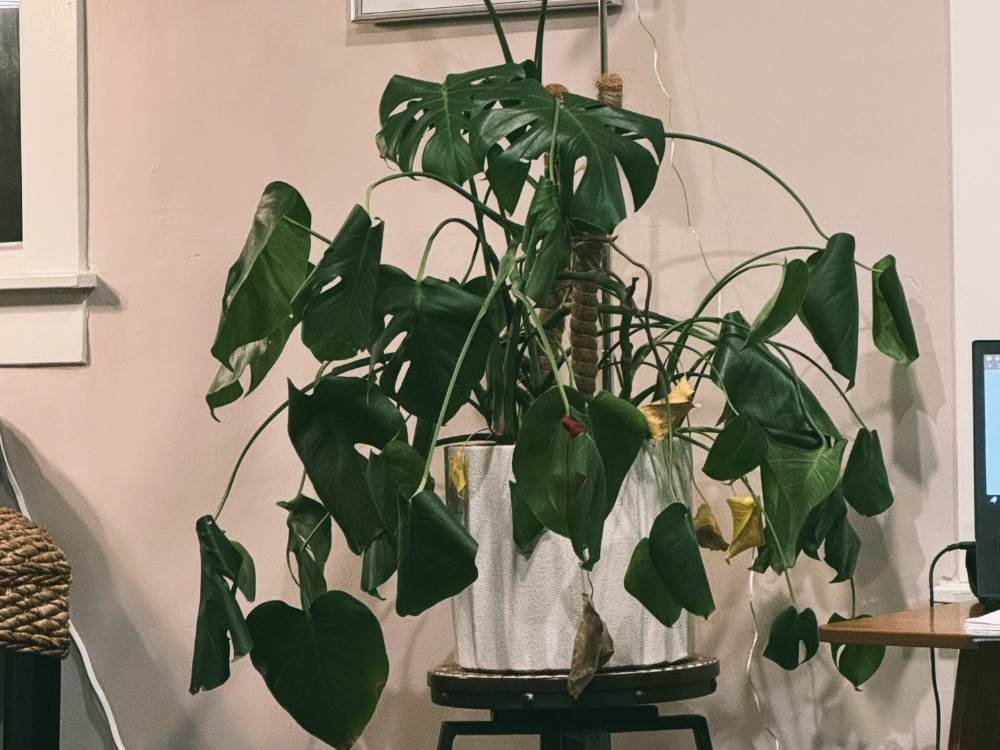
Few houseplants make a bold statement quite like a Monstera deliciosa. With its broad foliage and dramatic natural leaf splits, this tropical beauty brings energy and elegance to any indoor space.
When those proud, upright stems begin to sag toward the floor, it can feel deeply discouraging. Drooping is your Monstera’s primary way of signaling that something in its environment is off balance. Fortunately, once you understand the underlying trigger, bringing your plant back to vibrant health is entirely achievable.
Understanding Your Drooping Monstera
Monstera deliciosa is native to the warm, sheltered rainforest understories of Central and South America. In their wild habitat, these climbing epiphytes scale large trees, enjoying dappled sunshine, high humidity, and loose, debris-rich soil that drains excess moisture instantly.
Inside our living rooms, Monsteras rely completely on the conditions we provide. When a plant droops, it has lost turgor pressure within its cellular structure.
Turgor pressure is the internal water force that pushes against plant cell walls, keeping stems rigid and leaves elevated.
When moisture uptake is disrupted, whether through a lack of water, root damage, or environmental stress, the entire plant loses its structural strength and begins to bow downward.
Thirsty Roots and Underwatering
Underwatering is one of the most frequent culprits behind a sagging Monstera. When the potting mix dries out completely, the root system can no longer draw moisture up into the petioles and leaf blades.
A thirsty Monstera typically shows distinct visual clues.
- The leaves feel soft, limp, and papery to the touch.
- The top several inches of soil pull away from the edges of the pot.
- Older lower leaves may turn pale yellow and develop crispy, brown edges.
- The entire pot feels unusually lightweight when lifted.
To correct underwatering, give the plant a thorough soak. Water the soil evenly until moisture flows freely from the bottom drainage holes, or place the pot in a basin of water for thirty minutes to rehydrate dried soil pockets.
Saturated Soil and Overwatering
Ironically, giving your Monstera too much water produces a droop that looks remarkably similar to dehydration. When soil stays continuously waterlogged, the air spaces between soil particles collapse, effectively suffocating the roots.
Roots require oxygen to absorb water and nutrients. Without oxygen, root tissues begin to drown and decay, leaving them unable to sustain the massive leaves above.
An overwatered Monstera will often have limp leaves accompanied by soft, dark brown or black patches. The soil remains wet for weeks after watering, and you may detect a faint musty or sour odor coming from the drainage tray.
Always allow the top two to three inches of potting soil to dry out before providing more water.
Signs of Root Rot
When overwatering persists over an extended period, opportunistic fungal and bacterial pathogens invade the weakened roots. This condition is known as root rot.
Root rot rapidly destroys the subterranean foundation of your plant, making recovery impossible without direct intervention.
If you gently slide your Monstera out of its container, healthy roots should appear firm, thick, and cream-white or light tan. Decaying roots, by contrast, appear dark brown or black, feel slimy, and easily break apart between your fingers when touched.
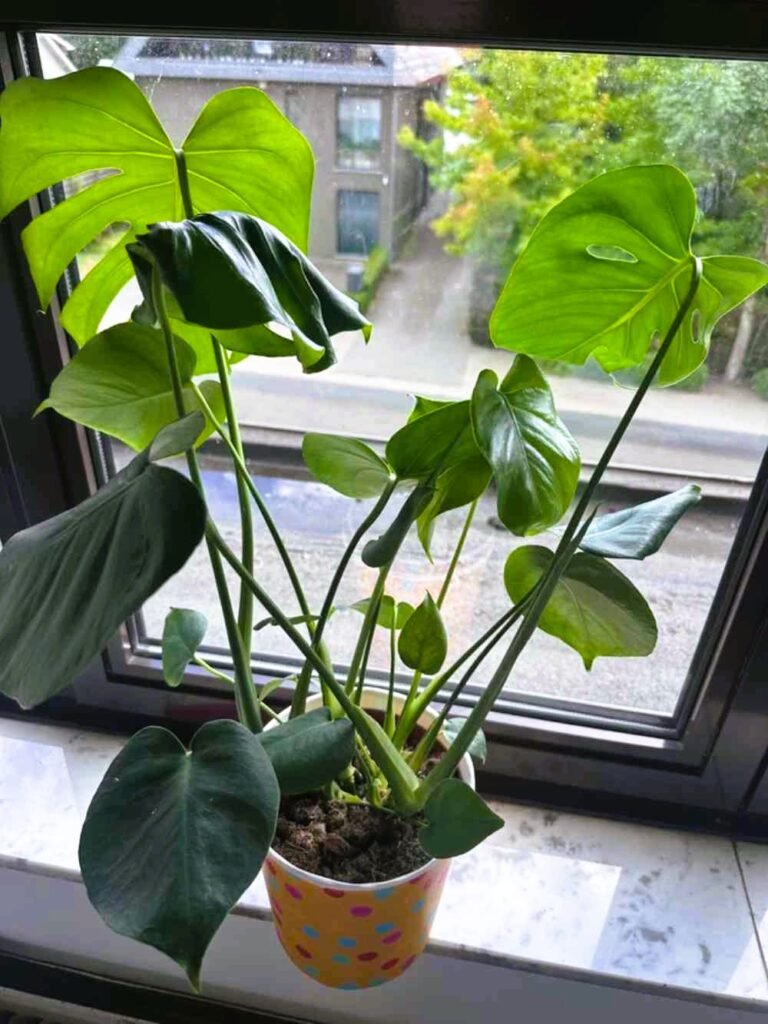
How to Treat Root Rot
Treating root rot requires prompt action before the infection reaches the base of the plant.
Carefully remove the Monstera from its pot and gently wash away all contaminated soil under lukewarm running water.
Using a clean, sterilized pair of pruning shears, snip away every trace of mushy, dark root tissue. Only healthy, firm roots should remain.
Spray the remaining root system with a diluted solution of three percent hydrogen peroxide mixed with water, or dust the cuts with cinnamon to suppress fungal growth.
Repot the Monstera into a fresh, well-draining potting blend and a clean container equipped with proper drainage holes.
Soil Density and Aeration Problems
The physical structure of your potting substrate plays a massive role in root respiration and hydration balance. Standard garden dirt or cheap, generic potting mixes rarely suit epiphytic aroids like Monsteras.
If the soil mix lacks the right balance of organic matter and coarse aerators, the roots will struggle regardless of your watering routine.
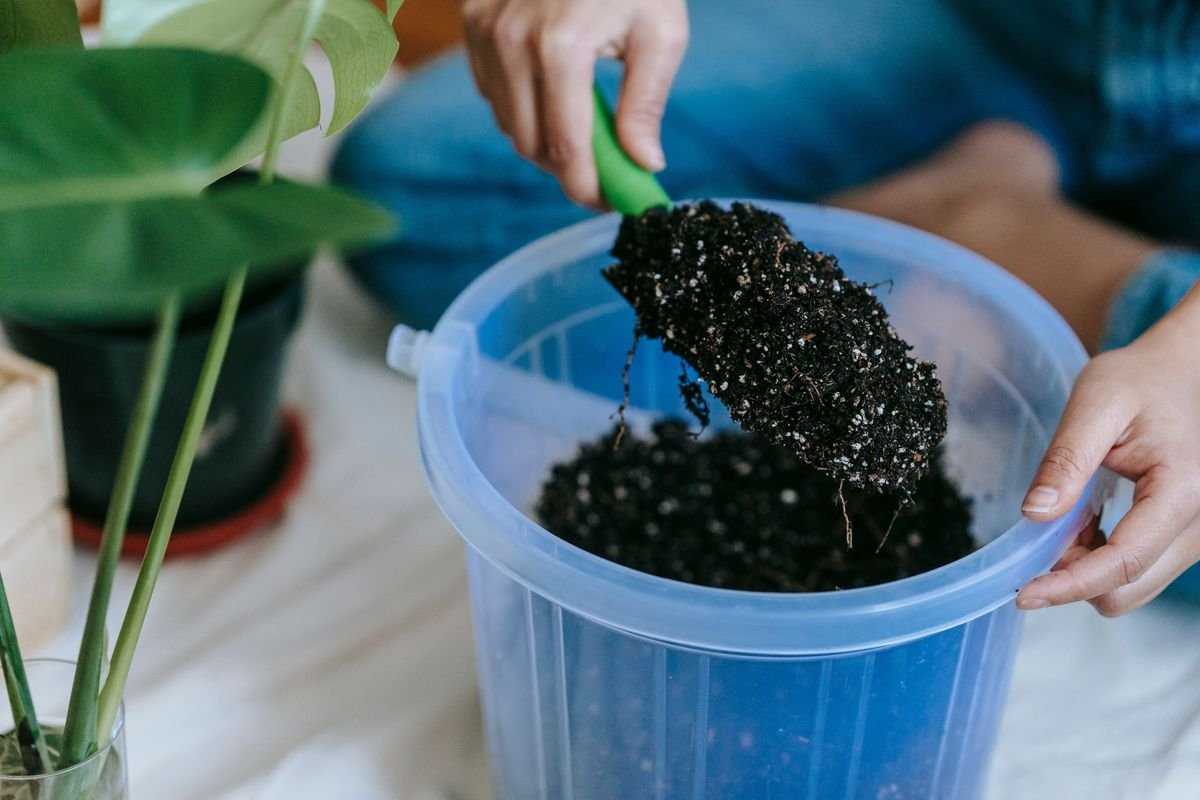
Creating an ideal aroid mix involves blending standard indoor potting soil with chunky amendments. This mimics the loose, airy forest floor where wild Monsteras thrive.
Potting Mix That Drains Too Fast
When a potting blend consists almost entirely of coarse bark and perlite without enough moisture-retaining organic material, water rushes through the container within seconds.
The soil fails to retain sufficient moisture for the root hairs to drink, causing chronic low-grade dehydration.
If you find yourself watering every two or three days and the Monstera remains wilted, amend the soil with peat moss, coco coir, or high quality compost to improve water retention.
Heavy Compacted Soil
On the opposite end of the spectrum, heavy and dense potting soil packs tightly around root systems over time. Fine particles settle together after repeated waterings, creating a thick mass that locks in water while locking out essential oxygen.
Compacted soil prevents roots from expanding and restricts airflow, leading directly to stagnant moisture and drooping leaves.
You can loosen compacted soil between repottings by gently inserting a wooden chopstick into the top few inches of dirt to create aeration channels. For a permanent fix, repot into a balanced mixture containing coarse perlite, orchid bark, and pumice.
Choosing the Wrong Pot Size
Pot dimensions have a profound impact on root health and moisture management. Both oversized containers and cramped pots can trigger drooping foliage.
Placing a Monstera into a massive container that exceeds its root ball leaves a large volume of empty soil surrounding the roots. When you water, this excess soil holds moisture for weeks, creating ideal conditions for root suffocation.
Conversely, keeping a Monstera in an undersized container leads to root-bound conditions. As thick roots circle the base and consume all available soil, the plant cannot hold enough moisture or extract nutrients, leading to chronic wilting.
When repotting, select a container that is only two to three inches larger in diameter than the existing root ball.
Inadequate or Excessive Light
Light powers the process of photosynthesis, which drives cellular energy and transpiration throughout the entire plant. Without suitable illumination, a Monstera cannot maintain its vigor.
Monsteras prefer generous amounts of bright, indirect sunlight throughout the day. Setting your plant in a dark corner or under scorching direct sun will quickly cause physical distress.
Low Light Symptoms
In dark rooms, photosynthesis slows to a crawl. The plant produces fewer carbohydrates, its stems become long and leggy as they stretch toward the nearest light source, and the foliage droops.
Because the plant uses less energy in dim conditions, it consumes water very slowly. This leaves the soil damp for too long, indirectly increasing the likelihood of root rot.
If your Monstera is in a low-light area, move it closer to an east-facing window, or set it near a south-facing window with sheer curtains. You can also supplement natural daylight with an LED grow light placed two to three feet above the foliage.
Direct Sunburn and Scorching
Exposing a Monstera to harsh, unfiltered midday sun can overheat leaf tissues and break down delicate chlorophyll molecules.
Under direct sun, moisture evaporates from the broad leaves faster than the roots can replace it. This results in wilted foliage, bleached spots, and dry, crispy brown burn marks on the upper leaf surfaces.
Protect your Monstera by filtering strong sun with sheer drapery or positioning the plant just out of reach of direct afternoon sunbeams.
Unfavorable Temperature and Cold Drafts
Because Monsteras are tropical plants, they thrive in temperatures between 65 and 85 degrees Fahrenheit (18 to 29 degrees Celsius).
Sudden temperature drops cause immediate stress. Cold drafts from air conditioning vents, drafty window seals, or exterior doorways chilling the room below 55 degrees Fahrenheit (13 degrees Celsius) will shock the plant, causing its stems to collapse.
Keep your Monstera in a stable, warm room away from both cold drafts and direct blasts from heating radiators or space heaters, which can desiccate the foliage.
Low Indoor Humidity
In their natural jungle homes, Monsteras enjoy relative humidity levels consistently between 60 and 80 percent. Typical indoor living spaces, particularly during winter heating months, often drop below 30 percent humidity.
While Monsteras tolerate average household air, extremely dry air increases the rate of transpiration. The leaves lose water vapor faster than the vascular system can supply it, causing the leaf margins to curl inward and the petioles to sag.
To increase atmospheric moisture around your plant:
- Run a cool-mist humidifier near your plant display.
- Group multiple tropical houseplants together to create a humid microclimate.
- Set the plant pot on a shallow tray filled with pebbles and water, ensuring the pot bottom sits above the water line.
Transplant Shock After Repotting
It is very common for a Monstera to look sad and droopy immediately after being shifted into a new container or divided.
During repotting, microscopic root hairs are inevitably damaged or torn. Until the root system establishes new contact with the surrounding soil, moisture uptake is temporarily reduced.
Transplant shock usually resolves on its own within two to three weeks.
Help your plant recover by placing it in moderate, indirect light, keeping the soil evenly moist but never soggy, and holding off on any fertilizer applications until new growth appears.
Fertilizer Imbalances
Monsteras are enthusiastic growers that benefit from supplemental feeding during spring and summer. However, both too little and too much fertilizer can lead to drooping foliage.
Under-fertilized plants lack essential macronutrients like nitrogen, potassium, and phosphorus. The leaves become uniformly pale, new growth emerges small without splits, and stems lose their vigor.
Over-fertilizing is far more dangerous. Excess mineral salts accumulate in the potting soil, drawing water away from root cells through osmotic pressure, a condition known as fertilizer burn.
Burned roots cannot supply moisture, resulting in limp leaves with crispy brown tips and yellow halos. Flush the soil thoroughly with plain water if you suspect salt buildup, and only feed with a balanced liquid fertilizer diluted to half strength during active growth.
Common Pests Draining Plant Sap
Sap-sucking insect pests can silently weaken your Monstera until its leaves lose turgidity and droop toward the ground.
Inspect the undersides of leaves, leaf joints, and fresh shoots for these common pests:
- Spider Mites: Tiny specks that produce fine webbing along leaf crevices and cause stippled yellow foliage.
- Thrips: Minute, slender insects that pierce plant cells, leaving silvery patches and tiny black droppings.
- Scale Insects: Small, brown, shell-like bumps firmly attached to stems and main veins.
- Mealybugs: Cotton-like white clusters hiding in leaf axils and petiole grooves.
Wipe down infested leaves with insecticidal soap or neem oil spray once a week until all traces of pests are eradicated.
Lack of Climbing Support
In nature, Monstera deliciosa is a climbing vine, not a self-supporting bush or tree. As the plant produces large, heavy mature leaves, the weight of the foliage naturally causes the thick stems to lean, sprawl, and bow sideways.
This structural lean can easily be mistaken for environmental drooping.
Providing your Monstera with a sturdy moss pole, coco coir totem, or wooden trellis gives aerial roots something to grip.
Gently secure the central stems to the support using soft plant ties or garden velcro. Supporting the plant vertically allows it to channel energy into producing larger leaves with dramatic fenestrations.
Steps to Revive a Wilting Monstera
When faced with a drooping Monstera, a methodical diagnostic approach will help you pinpoint the issue and take the right corrective measures.
First, insert your finger three inches into the soil. If it feels bone dry, water deeply. If it feels soaked and muddy, hold back on watering and inspect root health.
Second, review lighting and temperature. Move the plant out of dark corners or harsh direct sun, and ensure it is shielded from cold air drafts.
Third, examine both sides of every leaf with a flashlight to rule out hidden pest colonies.
Finally, give your plant time to adjust. Plants respond to changes over days and weeks rather than hours. Consistency in care is the key to lasting recovery.
Long Term Prevention Tips
Keeping your Monstera vibrant and upright over the long haul comes down to consistent environmental management.
Establish a regular routine of checking soil moisture with a wooden skewer or digital moisture meter rather than watering on a rigid calendar schedule.
Wipe down the broad leaves with a damp microfiber cloth every few weeks. Dust buildup blocks sunlight from reaching chlorophyll, reducing photosynthetic efficiency.
Rotate the pot a quarter turn every time you water. This ensures all sides receive balanced light exposure, preventing one-sided leaning and keeping the plant symmetrically balanced and robust.
How Serious Is Your Monstera Drooping Problem?
Answer 4 quick questions to see your result