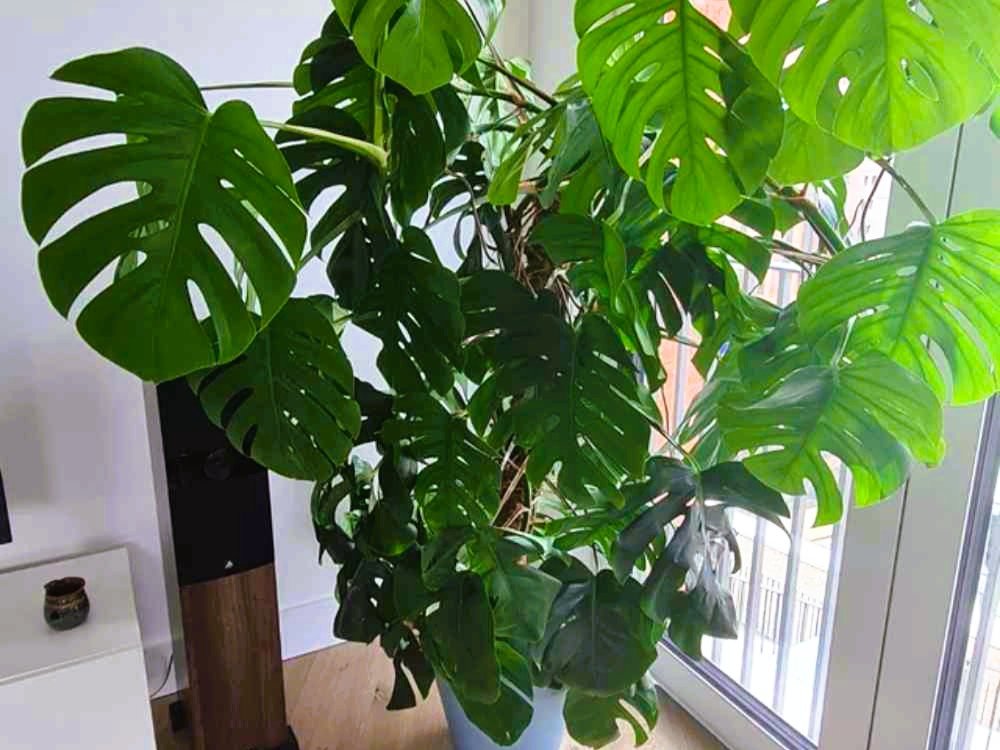
Bringing a Monstera into your living space instantly transforms the entire room into a lush tropical retreat. With their iconic fenestrated foliage and bold structural growth, these beloved houseplants quickly become treasured centerpieces in any indoor garden.
Because they make such a dramatic impression, many plant parents wonder just how many years their Monstera can survive indoors.
With proper routine care and stable environmental conditions, your Monstera can easily stay healthy for decades, making it a true botanical companion that can even be passed down to future generations.
The Typical Lifespan of a Monstera
Under optimal indoor conditions, a healthy Monstera deliciosa can thrive for 30 to 40 years, or even longer.
In their native tropical habitats throughout Central and South America, these vigorous climbing vines can survive for many decades by continuously renewing their root systems and producing fresh foliage as they scale large forest trees.
When grown inside the home, their longevity depends heavily on the consistency of the care they receive. Providing the right light, adequate hydration, and timely soil refreshes will prevent the premature decline of your plant.
Why Monsteras Are True Heirloom Plants
An heirloom plant is a specimen durable and resilient enough to be sustained for decades and passed down from one generation to the next.
Monsteras easily qualify for this special heirloom status because they are exceptionally tough, adaptable, and simple to propagate through stem cuttings.
Even if an older specimen starts to look overly leggy or unruly after twenty years of growth, you can propagate healthy top cuttings to effectively restart the life cycle, preserving the exact genetic line of your original plant indefinitely.
Natural Adaptations That Promote Long Life
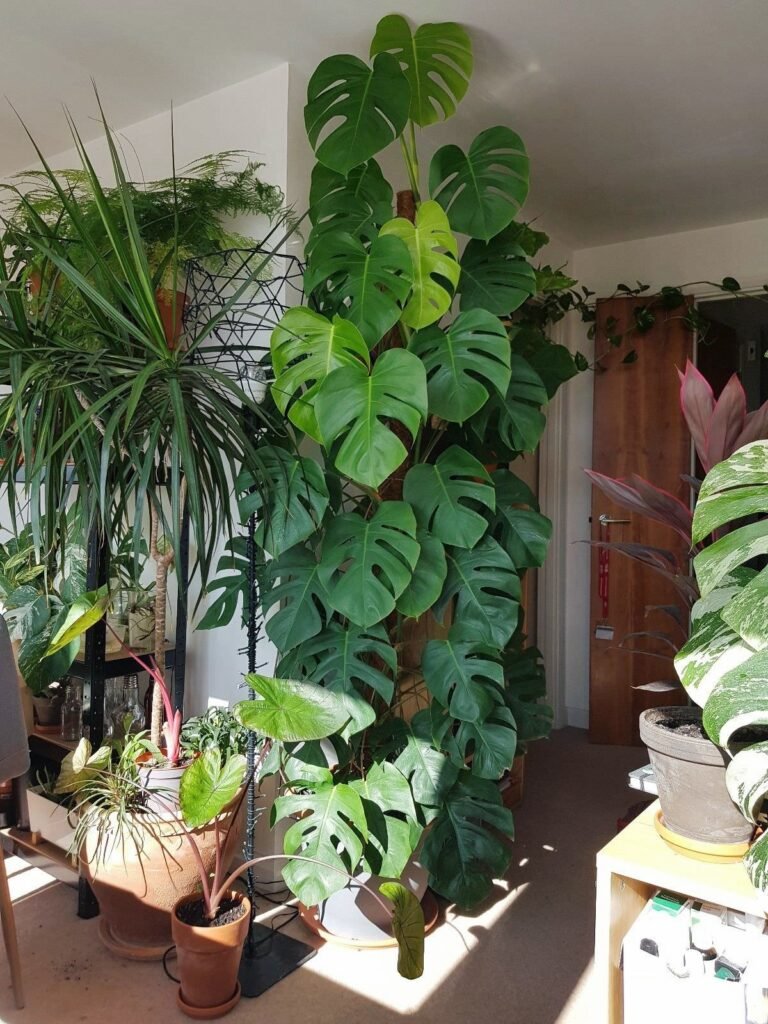
To understand how Monsteras manage to live so long indoors, it helps to examine how they evolved in the dense rainforests of Central America.
These plants developed specialized physical traits to compete for scarce resources beneath dense jungle canopies.
- Vigorous aerial roots that grasp tree bark and absorb moisture from humid air.
- Broad, perforated leaves that allow lower foliage to catch filtered sunbeams while resisting heavy rainfall.
- A semi-epiphytic growth habit that allows them to climb upward toward brighter light canopy zones.
- The natural ability to slow down metabolic activity and conserve energy during periods of cool weather.
These built-in survival mechanisms make the Monstera remarkably forgiving and capable of recovering from occasional indoor care mistakes.
Essential Care Requirements for Maximum Longevity
While Monsteras have a reputation for being sturdy and resilient, achieving a multi-decade lifespan requires meeting their fundamental cultural needs.
Consistent, thoughtful care helps prevent chronic stress, pest infestations, and root diseases that could otherwise shorten the life of your plant.
Focusing on balanced light, mindful watering, nutrient replenishment, and structural support will keep your green centerpiece vibrant for years to come.
Light
Bright, indirect natural light is the primary fuel that powers vigorous Monstera growth and large leaf fenestrations.
Place your plant a few feet away from an unobstructed east-facing or south-facing window where it receives gentle, filtered illumination throughout the day.
Avoid placing your Monstera in harsh, direct midday sunlight, as intense rays will scorch the tender foliage and leave permanent brown burn marks. Conversely, keeping the plant in dim corners will result in small, solid leaves, weak stems, and sluggish growth.
Temperature
Monsteras perform best in stable indoor temperatures ranging between 65°F and 85°F (18°C to 29°C).
They are sensitive to cold environments and can suffer severe cellular damage if temperatures fall below 55°F (13°C).
Keep your plant safely away from drafty exterior entryways, single-pane winter windows, and direct blasts from air conditioning vents or heating radiators.
Watering
Improper watering is the single most common reason indoor Monstera plants fail to reach their full lifespan potential.
Monsteras prefer their potting mix to dry out partially between thorough waterings rather than staying constantly soggy.
Always check the moisture level before reaching for your watering can by inserting your finger two inches deep into the soil. If that top layer feels dry to the touch, hydrate the root ball evenly until water runs freely out of the bottom drainage holes, then promptly empty any standing runoff from the collection saucer.
Humidity
Native to humid tropical rainforests, Monsteras thrive when ambient relative humidity levels stay above 50 percent.
While they can tolerate standard household humidity levels around 30 to 40 percent, higher moisture levels encourage faster growth and prevent crispy leaf edges.
You can elevate ambient humidity by running a small cool-mist room humidifier nearby, grouping several tropical houseplants together, or setting the pot on a wide pebble tray filled with water.
Soil
A chunky, airy potting medium is essential for preventing root rot and supporting healthy root respiration over many decades.
Avoid dense, heavy potting soils that retain excess moisture and compact tightly around delicate root systems.
A great homemade potting mix for Monsteras combines equal parts standard potting soil, perlite or pumice, coarse orchid bark, and a handful of horticultural charcoal to ensure rapid drainage and sustained aeration.
Fertilizer
Active vegetative growth demands regular nutrient replenishment during the warmer months of the year.
Feed your Monstera once a month throughout the spring and summer using a balanced liquid houseplant fertilizer diluted to half strength.
Pause all fertilization during late autumn and winter when the plant naturally slows its growth rate, as unabsorbed mineral salts can accumulate in the soil and burn the root tips.
How Long Do Monstera Cuttings Survive
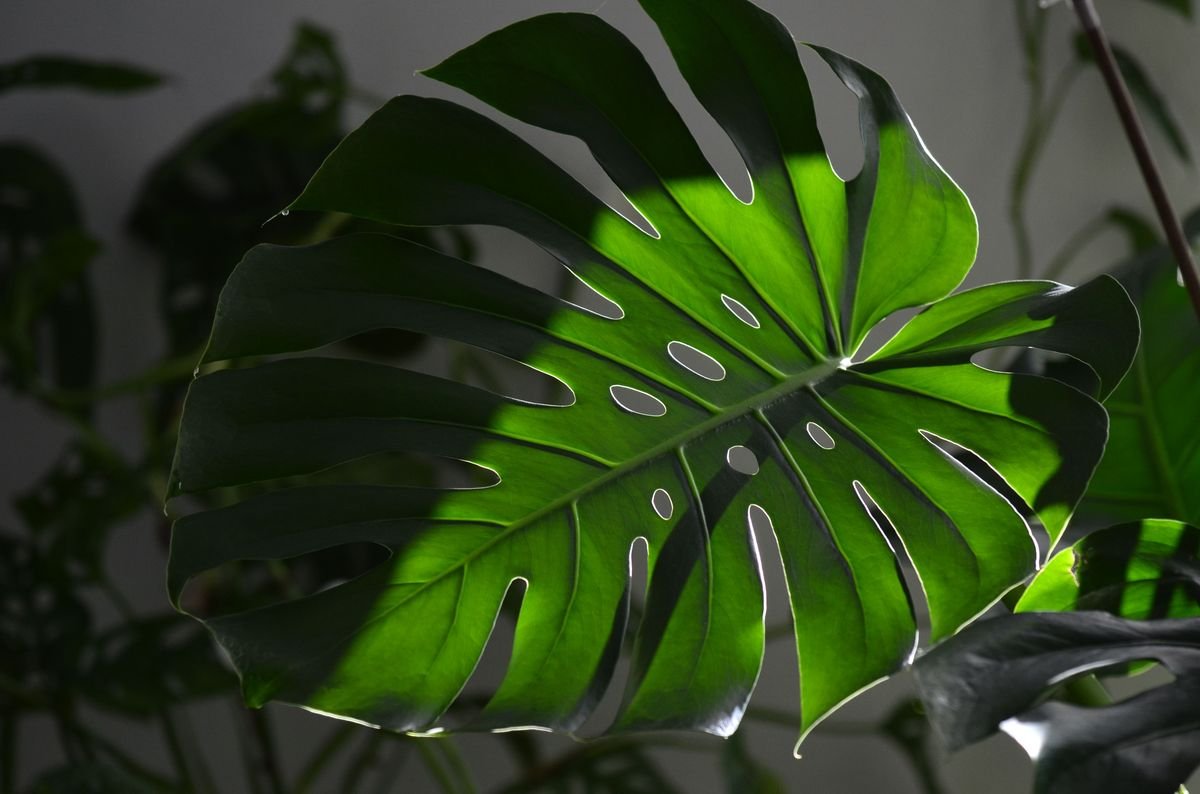
Monstera stem cuttings can live for several months in clean water alone, and when transferred into potting mix, they can live just as long as the parent specimen.
For a cutting to produce a brand-new, self-sustaining plant, it must contain at least one healthy growth node and an axillary bud.
Individual leaf cuttings taken without attached stem tissue and nodes may produce water roots temporarily, but they lack the genetic material needed to produce new foliage and will eventually fade away.
How to Estimate the Age of Your Monstera
Determining the precise chronological age of a Monstera can be tricky, but you can gauge its developmental stage by observing its physical characteristics.
Young juvenile plants look strikingly different from mature specimens that have grown in ideal conditions for several years.
Examining the leaf architecture, stem thickness, and root structure provides reliable clues about where your plant is in its life cycle.
Foliage Characteristics
Juvenile Monsteras under two years old typically produce smaller, solid, heart-shaped leaves without any fenestrations or splits.
As the plant matures between two and three years of age, initial side splits begin to appear on new leaves as long as lighting is sufficient.
Specimens that are five years or older often produce massive leaves measuring over two feet wide, featuring multiple rows of secondary holes and deep perforations along the midrib.
Aerial Root Development
Young seedlings and fresh cuttings do not immediately produce thick aerial roots from their main stems.
As a Monstera reaches two to three years of age, it begins pushing out thick, woody aerial roots from stem nodes to help support its climbing weight.
On older specimens, these aerial roots can grow several feet long and become quite robust as the vine seeks additional physical anchorage and ambient moisture.
Repotting to Extend Lifespan
Over time, potting soil gradually breaks down, loses its porous structure, and accumulates excess mineral salts from tap water and fertilizers.
To keep your Monstera vigorous over the long haul, plan to repot it every two to three years into fresh, airy potting mix.
Choose a container that is two to three inches larger in diameter than the current pot, ensuring it has ample bottom drainage holes to prevent standing water around the root zone.
Providing Structural Climbing Support
In nature, Monsteras rely on the physical support of host trees to climb upward toward brighter canopy light.
Providing an indoor climbing support, such as a sturdy moss pole, coco coir pole, or wooden trellis, allows your plant to maintain its natural growth habit.
Supporting the climbing vine encourages the production of significantly larger foliage, stronger main stems, and deeper leaf fenestrations while keeping the plant organized within your indoor space.
Common Threats to Monstera Longevity
While Monsteras are remarkably resilient, a few common indoor hazards can jeopardize their health if left unaddressed.
Root rot caused by persistent overwatering and poorly draining soil is the leading cause of premature decline in indoor plants.
Common sap-sucking pests like spider mites, thrips, and scale insects can also weaken the foliage if you do not inspect the undersides of leaves regularly and treat infestations promptly with insecticidal soap or neem oil.
Summary of Monstera Lifespan Care
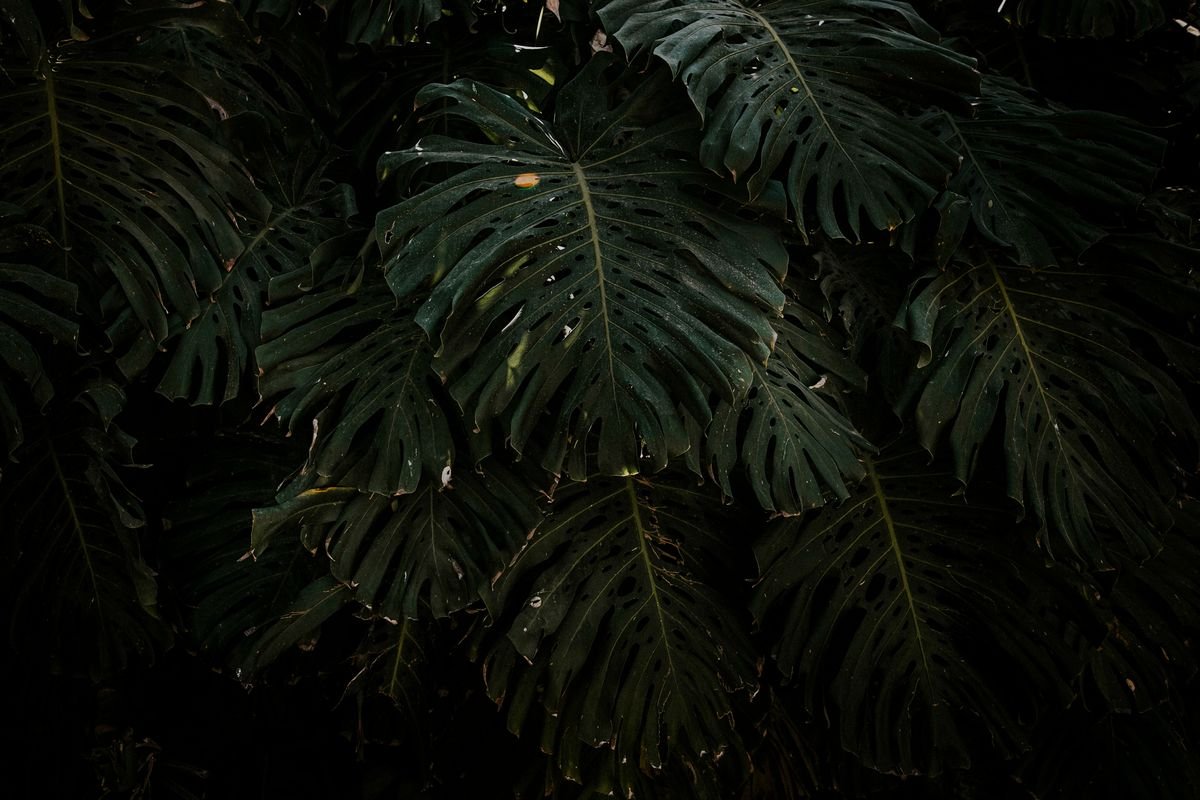
Your Monstera has the natural biological potential to thrive alongside you for 30 to 40 years or more.
By providing consistent bright indirect light, allowing the topsoil to dry before watering, refreshing the potting mix every few years, and giving the climbing stems sturdy vertical support, you can enjoy a magnificent, healthy specimen that enhances your home for decades.
How Healthy Is Your Monstera Care Routine?
Answer 4 quick questions to see your result