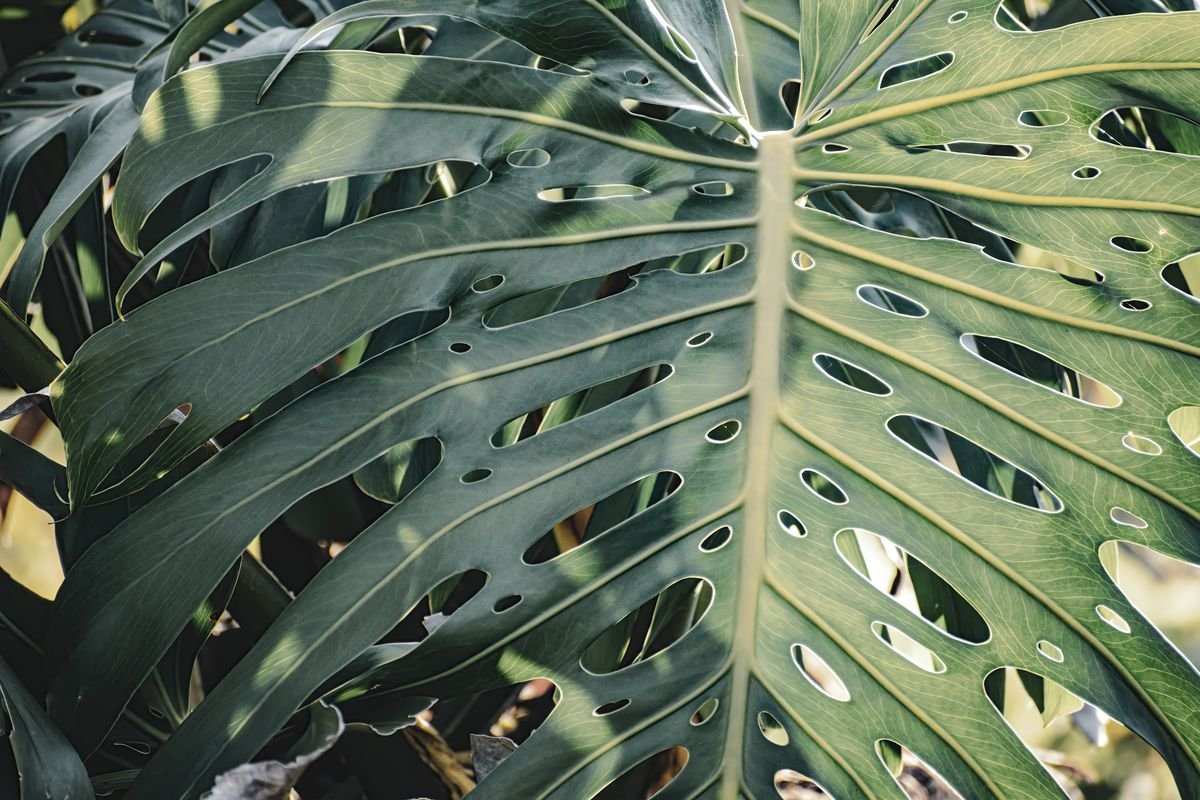
Monstera deliciosa and its tropical cousins are prized for their broad, dramatic foliage. Those massive leaves add an instant jungle vibe to any living space, but their generous surface area makes them major dust magnets.
Over time, indoor dust, pet dander, grease particles, and hard water minerals accumulate on the leaf surface, muting their vibrant green color.
Cleaning your Monstera is far more than a simple aesthetic chore. A heavy coat of grime actively impairs your plant’s ability to breathe, capture sunlight, and absorb ambient humidity.
By mastering a few safe, gentle cleaning techniques, you can keep your tropical centerpiece healthy, resilient, and naturally lustrous year-round.
Why Cleaning Monstera Foliage Matters
In their native rainforest habitats, Monsteras enjoy frequent tropical downpours that wash away debris, dead plant matter, and airborne sediment.
Inside a modern home, there is no rain to rinse the foliage, leaving ambient household dust to settle undisturbed across every leaf.
Regular maintenance bridges the gap between indoor living and the plant’s natural evolutionary environment. When you take the time to clear away accumulated grime, you restore the leaf’s primary biological functions and support long-term vigor.
Boosting Photosynthesis Efficiency
Houseplant leaves act like natural solar panels. Inside the plant cells, tiny structures called chloroplasts absorb light energy to convert water and carbon dioxide into glucose, which fuels root growth, stem development, and new fenestrated leaves.
A thick layer of dust acts like a sunshade pulled over a window. By filtering out valuable light rays, dust reduces the amount of usable energy reaching the leaf tissue. This forces the Monstera to work significantly harder just to maintain its basic metabolic processes.
Over time, dust-covered plants will produce smaller leaves, lose their characteristic fenestrations (splits and holes), and show leggy, sluggish growth.
Wiping the foliage clean immediately improves light absorption, allowing your plant to maximize whatever light levels are available in your room.
Supporting Stomata and Gas Exchange
The underside and surface of Monstera leaves contain microscopic pores called stomata. These tiny openings are responsible for gas exchange, taking in carbon dioxide for photosynthesis and releasing oxygen and water vapor through transpiration.
When dust, cooking oils, or heavy leaf shine sprays coat the foliage, they can plug these microscopic openings. Blocked stomata restrict the plant’s respiration cycle and hinder its natural transpiration stream.
Furthermore, Monsteras absorb ambient moisture directly from humid air through their aerial roots and leaf surfaces. Keeping the leaves clear of debris ensures that humidity in the air can actually reach the plant tissue rather than sitting on a barrier of dirt.
Early Pest Detection and Prevention
Common indoor plant pests like spider mites, thrips, scale insects, and mealybugs thrive in dusty, undisturbed foliage. Spider mites in particular prefer dry, dusty leaves where they can spin protective webbing without disruption.
Cleaning your Monstera regularly gives you a hands-on opportunity to inspect the plant up close. You can check the leaf undersides, leaf joints, and petioles where pests often hide before a minor issue turns into a major infestation.
Physically wiping or showering the foliage also dislodges early pest colonies, eggs, and webs before they have a chance to multiply and damage delicate leaf tissue.
Best Practices Before You Begin
Before jumping straight into cleaning, a small amount of preparation will protect your plant from physical damage and temperature stress. Monsteras have delicate foliage when young, and mature leaves can easily tear along their splits if handled roughly.
Following a few basic ground rules ensures that your cleaning routine is completely stress-free for both you and your plant.
Selecting the Right Water Temperature
Water temperature is one of the most critical factors when washing any tropical plant. Monsteras are native to warm, humid regions of Central and South America, meaning their root systems and foliage are extremely sensitive to cold shock.
Always use lukewarm or tepid water, ideally between 70 and 78 degrees Fahrenheit (21 to 26 degrees Celsius). Water that feels neutral or slightly warm to the touch is perfect.
Using ice-cold water straight from the tap can cause shock, cellular damage, and unsightly dark spotting on the leaves. Conversely, hot water can scald the foliage, strip protective cuticles, and cause irreversible wilting.
Choosing the Ideal Time of Day
The best time to clean your Monstera leaves is always in the morning. Cleaning early in the day gives the foliage ample time to dry thoroughly while ambient temperatures are warm and indoor light is active.
If you wash your plant late in the evening, moisture may sit on the leaves and in the crevices of the petioles overnight. Stagnant moisture combined with cooler nighttime temperatures creates the perfect breeding ground for fungal leaf spot diseases and bacterial rot.
Morning cleaning also allows the plant to immediately capitalize on daytime sunlight with freshly cleaned, unobstructed foliage.
Five Safe Methods to Clean Monstera Leaves
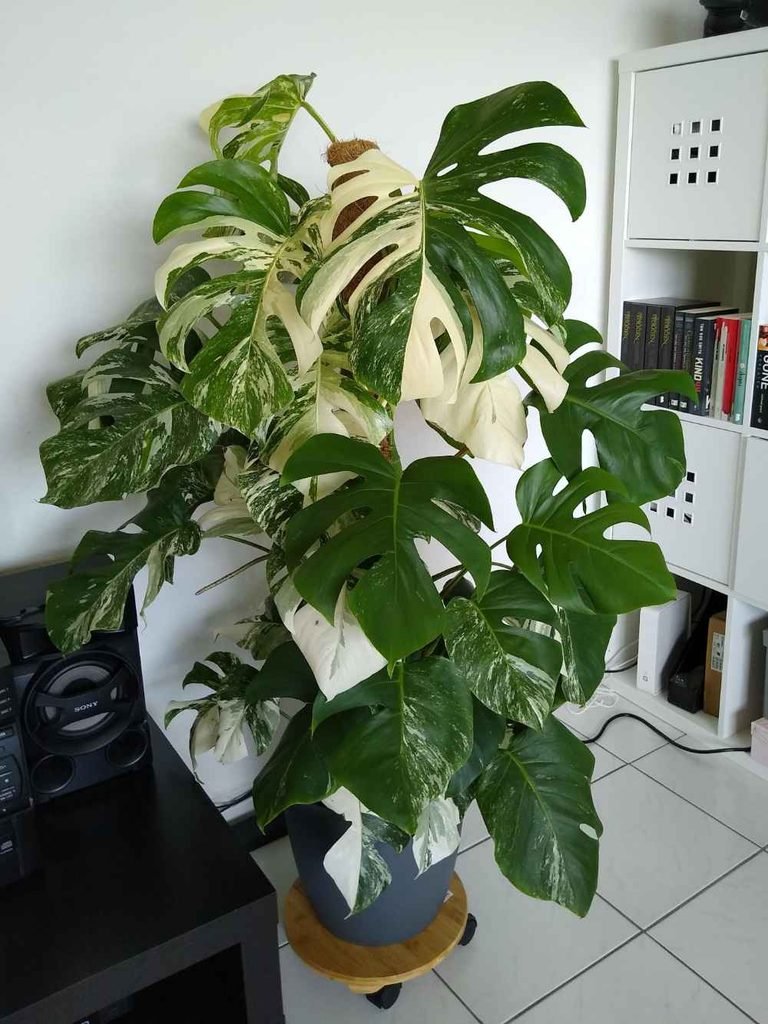
Depending on the physical size of your Monstera, its pot weight, and your home layout, different cleaning techniques work best. A tiny Monstera adansonii on a shelf requires a completely different approach than a massive Monstera deliciosa climbing a moss pole in the corner of your living room.
Here are five proven methods suited for plants of every size and growth habit.
Dunking Small Monstera Pots
The dunking method is fast, thorough, and highly effective for small potted Monsteras or rooted cuttings. It rinses both sides of every leaf simultaneously without saturating the potting soil.
- Fill a wide bucket, deep basin, or sink with lukewarm, filtered water.
- Spread your fingers across the top of the pot to hold the soil and root ball securely in place. Alternatively, wrap the top of the pot with plastic wrap or a dry kitchen towel to prevent soil from falling out.
- Gently invert the pot and submerge the foliage into the water basin.
- Swish the leaves slowly from side to side for 10 to 20 seconds to dislodge loose dust and debris.
- Lift the plant out, allow excess water to drip back into the container, and place the pot in a warm, bright spot with good air circulation to dry completely.
Showering Medium Monstera Plants
For medium-sized plants that are too large to easily turn upside down but still lightweight enough to carry, the bathroom shower is an outstanding option. This method mimics a natural tropical rainstorm.
- Move your Monstera into the shower stall or bathtub.
- Ensure the pot has functional drainage holes. If the soil is already moist and does not need watering, wrap a plastic grocery bag around the base of the pot to shield the potting mix from excess moisture.
- Adjust your shower head to a gentle spray setting and verify the water is comfortably lukewarm.
- Spray the entire plant thoroughly from multiple angles for two to three minutes, washing both the tops and undersides of the leaves.
- Turn off the water and allow the pot to sit in the tub for 30 to 45 minutes until all excess water has fully drained from the bottom holes.
Hand Wiping Large Specimen Leaves
Large, mature Monsteras are often far too heavy or unwieldy to move into a bathroom. Manual hand wiping is the gold standard for oversized specimens, offering precise cleaning and complete control.
- Fill a small bowl or spray bottle with lukewarm filtered water.
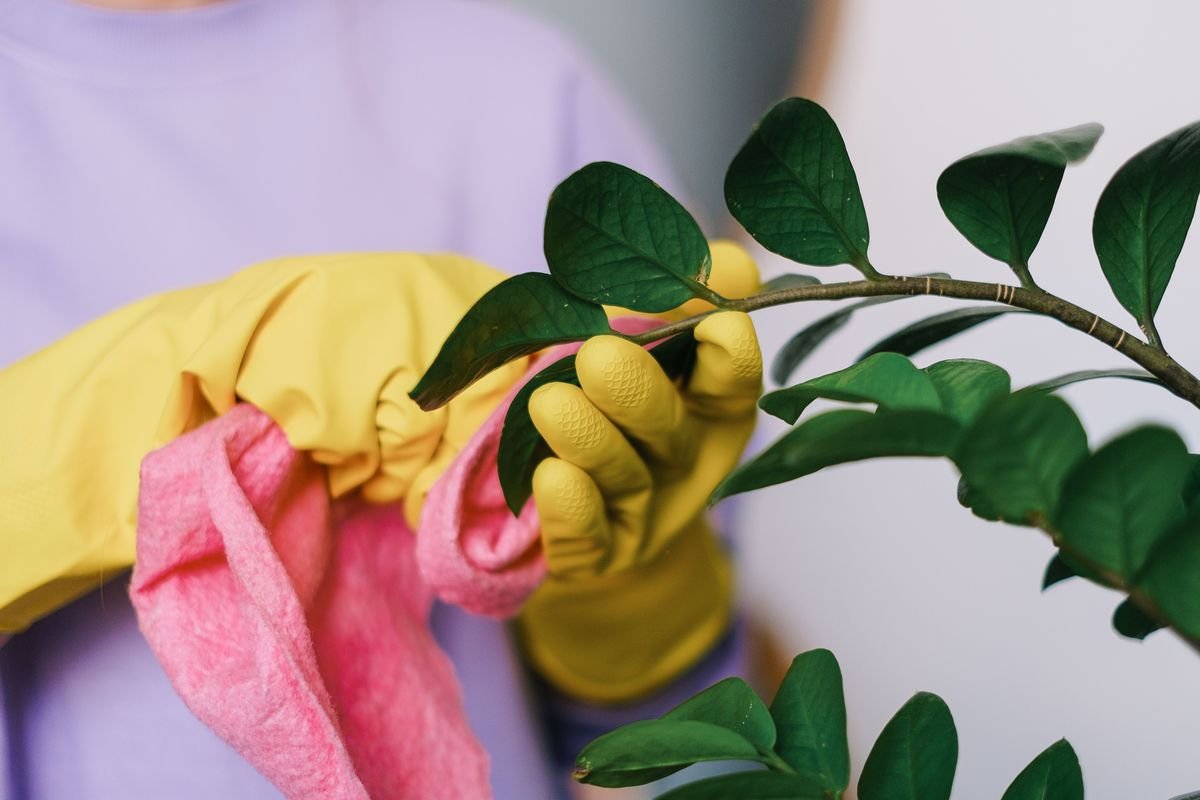
- Dampen a soft microfiber cloth or put on a pair of plush microfiber dusting gloves. The cloth should be damp, not dripping wet.
- Place one open palm directly underneath the leaf to support its weight and prevent the petiole from bending or snapping under pressure.
- Gently wipe the top surface of the leaf from the base near the stem outward toward the tips and margins.
- Turn your hand over and gently wipe the underside of the leaf to remove spider mites and hidden dust.
- Rinse your cloth frequently in clean water so you do not transfer dirt from one leaf to the next.
Dusting With Soft Bristle Brushes
When your Monstera is only lightly dusty and does not have sticky residues or water spots, dry dusting is a quick and water-free maintenance technique.
Use an extra-soft cosmetic powder brush, a synthetic painter brush, or an artist fan brush. Avoid stiff bristle brushes, as coarse fibers can micro-scratch the delicate waxy cuticle on the leaf surface.
Support each leaf from below with your hand and use light, sweeping strokes from the center vein toward the leaf edges. Always start at the top of the plant and work your way down so falling dust does not land on previously cleaned lower leaves.
Cleaning With Compressed Air
Canned compressed air, commonly used for cleaning computer keyboards, provides a convenient dry method for clearing dust out of tight nooks, newly unfurling leaves, and petiole crevices where a cloth cannot easily reach.
Keep the nozzle at least eight to ten inches away from the foliage. Short, gentle bursts of air will safely dislodge dust particles without damaging the plant tissue.
Never hold the can upside down or spray continuously in one spot, as expanding propellant gases become freezing cold and can cause localized frost damage on tropical leaves.
What Cleaning Solutions Are Safe
While plain water works wonders for everyday maintenance, tough residues like kitchen grease, dried water minerals, or sap may require a mild cleaning agent. However, using the wrong household substances can damage leaf tissues or clog pores.
Understanding which solutions are safe and which should be avoided is essential for protecting your Monstera.
Using Plain Water or Filtered Water
In most cases, pure water is all you need to maintain immaculate foliage. If your municipal tap water contains high levels of chlorine, fluoride, calcium, or magnesium, it can leave chalky white rings on the foliage as it dries.
Using filtered water, distilled water, or collected rainwater prevents these mineral stains entirely. If you only have access to tap water, simply buff the leaves gently with a dry microfiber cloth immediately after wiping to prevent water spots from forming.
Adding Gentle Dish Soap for Kitchen Grime
If your Monstera sits near a kitchen, near an open window, or in a busy living area, airborne cooking oils and sticky grime can bond dust particles tightly to the leaf surface. Plain water alone may simply smear this greasy film around.
To break down grease safely, mix two to three drops of mild, fragrance-free liquid dish soap into one quart of lukewarm water. Dip your microfiber cloth into the solution, wring it out completely, and gently wipe the leaves.
After wiping with the soapy mixture, rinse your cloth in pure clean water and do a second pass over the foliage to remove any lingering soap residue.
The Truth About Olive Oil on Foliage
A popular internet hack suggests rubbing olive oil, coconut oil, mayonnaise, or mineral oil onto Monstera leaves to create a mirror-like shine. While this produces an immediate high gloss, it is extremely detrimental to the plant’s health over time.
Heavy oils form an airtight seal over the leaf surface, suffocating the stomata and preventing normal respiration. Furthermore, sticky oil residues act like a magnet for airborne dust, pet fur, and lint, quickly forming an even thicker crust of dirt.
Under direct or bright sunlight, oil residues can also magnify heat and cause severe foliar burn. Keep culinary oils in the kitchen and off your houseplant foliage.
Using Diluted Vinegar for Mineral Deposits
If your plant has stubborn white crusts caused by hard water misting or nursery overhead watering, a very mild acid solution will dissolve the calcium carbonate deposits without harming the leaf.
Combine one tablespoon of standard white distilled vinegar with two cups of warm filtered water. The mild acidity breaks down alkaline mineral salts quickly.
Apply the solution with a soft cotton pad or microfiber cloth, gently rubbing over the mineral spots until they dissolve. Always follow up with a quick wipe using pure water to neutralize the surface acidity.
Are Baby Wipes Safe for Monstera Leaves
Many plant parents reach for disposable baby wipes as a convenient shortcut for leaf cleaning. While standard wipes are easy to use, you must read the ingredient label carefully.
Avoid any wipes that contain alcohol, synthetic perfumes, moisturizers, or harsh antibacterial agents. These chemicals can strip the natural protective wax layer from the leaf surface and cause chemical leaf burns.
If you choose to use wipes for convenience, select only 99 percent pure water wipes formulated without fragrance, alcohol, or added lotions.
How to Get a Natural Healthy Shine
A healthy Monstera does not need artificial leaf shine sprays, silicone coatings, or oil rubs to look spectacular. Healthy Monstera leaves possess a natural, rich satin sheen produced by their waxy protective cuticle layer.
Commercial leaf gloss products often contain synthetic waxes and petroleum distillates that clog plant pores and leave a plastic-like film behind. Instead of reaching for chemical shortcuts, focus on optimal plant health to achieve genuine leaf luster.
Providing appropriate bright indirect sunlight, maintaining indoor humidity levels between 50 and 65 percent, and wiping the foliage with clean, pure water every few weeks will naturally unlock that deep, vibrant tropical glow.
Ideal Leaf Cleaning Schedule
Establishing a consistent maintenance routine ensures dust never builds up to problematic levels. Your ideal cleaning schedule will depend on your living environment, local climate, and the season.
- Every 2 to 4 weeks: Perform a standard manual wipe-down with a damp microfiber cloth for large specimens, or give medium plants a quick shower. This keeps photosynthesis running at peak capacity.
- Every 2 to 3 months: Treat your plant to a thorough deep cleaning, wiping down both the tops and bottoms of the foliage, aerial roots, and main stems while checking thoroughly for hidden pests.
- Seasonal Adjustments: During active spring and summer growing periods, clean leaves more frequently to fuel rapid new growth. In winter, indoor heating systems circulate more dry dust through vents, making regular dusting equally critical during dormant months.
How Clean and Healthy Are Your Monstera Leaves?
Answer 4 quick questions to see your result