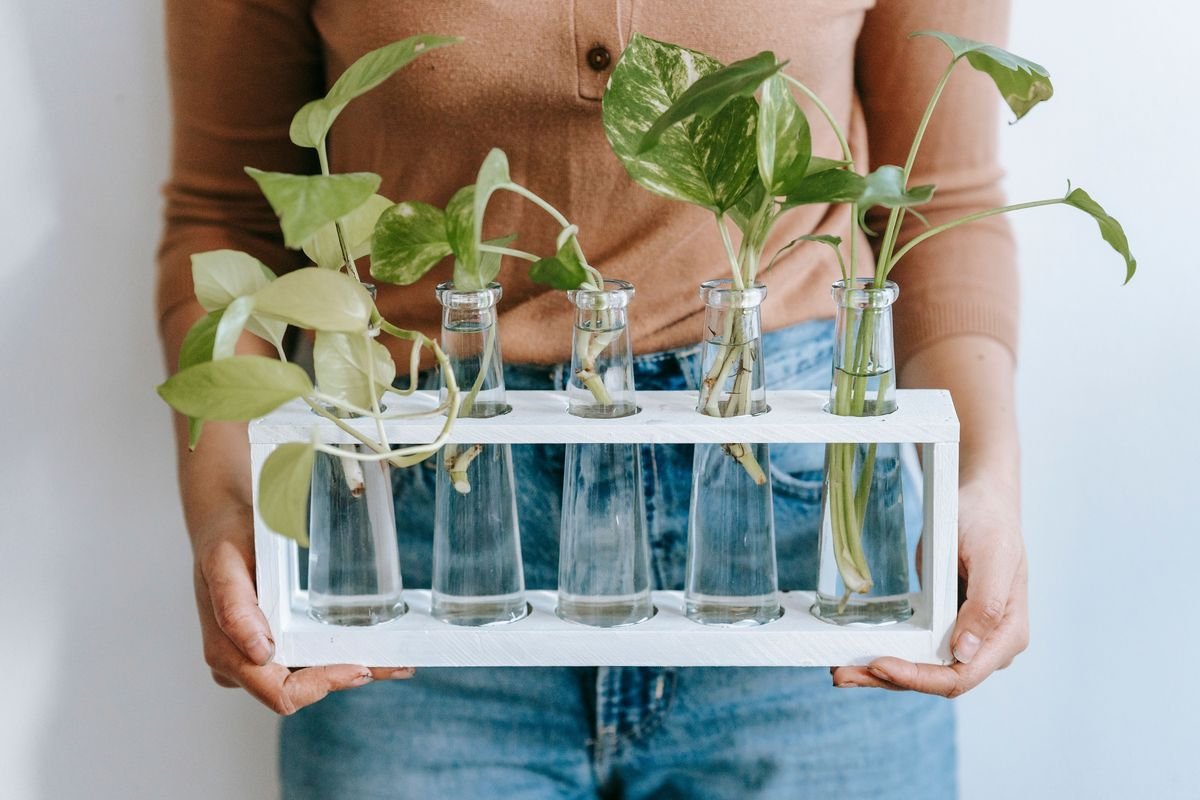
The Monstera deliciosa is easily one of the most beloved houseplants in the world. With its glossy green leaves and iconic natural splits, it brings an instant tropical vibe to any living space.
While most plant lovers grow their Swiss cheese plants in chunky potting soil, you might wonder if it is possible to keep one in a simple jar of water forever.
The great news is that Monsteras are remarkably adaptable, and you can indeed keep them thriving in water indefinitely with just a few basic adjustments to your care routine.
Can You Grow a Monstera in Water Forever
Most gardeners first place a Monstera cutting into water simply to propagate it. You wait for fresh roots to sprout, and then you typically transfer the cutting into a pot of soil once the root system looks robust.
However, you do not actually have to take that final step.
Monsteras can live in plain water for years as long as you provide the right nutrients, clean water, and adequate light. In the wild, Monsteras are hemiepiphytes that often climb trees and send aerial roots searching for moisture in humid air, moss, and rain puddles.
Because their root systems are naturally versatile, they easily adapt to an aquatic environment. Over time, the plant will develop specialized water roots that look paler, thinner, and more fragile than thick soil roots, allowing the plant to absorb oxygen and dissolved nutrients directly from the liquid.
Benefits of Growing Monsteras in Water
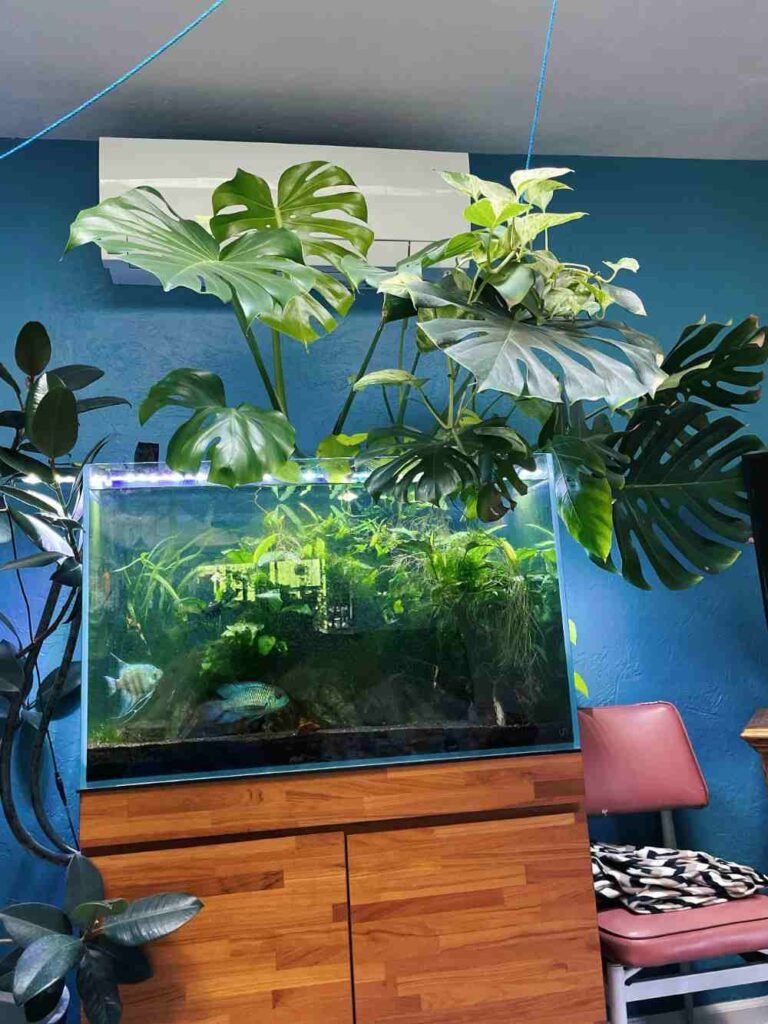
Switching your Monstera to a purely water-based setup comes with several exciting advantages for indoor gardeners.
Many plant parents find that hydroponic and semi-hydroponic setups make indoor plant care much simpler and far cleaner than traditional potted plants.
Less Mess and Zero Soil Pests
One of the greatest perks of water culture is saying goodbye to messy potting soil. There is no risk of spilling dirt onto your carpet, and repotting days become a thing of the past.
Even better, eliminating soil removes the breeding ground for common indoor pests.
Fungus gnats, which require damp soil to lay their eggs and multiply, cannot survive in a clean water vase. If you have struggled with annoying swarms of tiny bugs around your houseplants, moving your Monstera to water solves the issue instantly.
No More Guessing When to Water
Overwatering and underwatering are the leading causes of houseplant death worldwide.
When your Monstera grows in soil, you have to monitor the moisture level of the substrate carefully, use moisture meters, and check drainage holes to avoid soggy roots.
In a water setup, hydration is entirely visual. You can see the water level through clear glass at a glance, eliminating all guesswork about whether your plant needs a drink.
Limitations of Permanent Water Culture
While keeping a Monstera in water is convenient and visually striking, it is important to understand the trade-offs.
Water culture changes how the plant behaves and how quickly it develops over time.
Slower Growth and Smaller Leaves
In rich soil with plenty of root space, a Monstera deliciosa can grow into a massive indoor specimen reaching ten to fifteen feet tall with giant fenestrated leaves.
In water, the plant will grow significantly slower.
Because water holds fewer natural mineral reserves and provides less physical resistance than soil, the leaves will generally stay smaller and produce fewer splits. For many apartment dwellers and small-space gardeners, this compact growth habit is actually a welcome benefit rather than a drawback.
Need for Supplemental Nutrients
Unlike rich potting compost, plain tap water contains almost no nitrogen, phosphorus, or potassium.
A Monstera can survive for months on water alone, but it will eventually exhaust its stored energy reserves. Without added food, the leaves will begin to turn pale yellow, and new growth will stall completely.
To keep your plant healthy for the long term, you must supply balanced hydroponic nutrients on a regular schedule.
Best Containers for Water Grown Monsteras
Choosing the right vessel is essential for both the stability of the plant and the health of the root system.
As your Monstera grows, its heavy leaves and thick stems can easily cause lightweight containers to tip over.
Here are some of the best container options to consider:
- Heavy glass vases with a wide base to prevent top-heavy tipping
- Ceramic jugs or opaque pottery vessels that block light and prevent algae growth
- Large glass carboys or laboratory flasks that hold stems upright
- Amber glass jars that reduce sunlight exposure to the roots while still allowing you to monitor water clarity
If you choose a clear glass container, make sure the opening is wide enough so you can easily reach inside to clean away mineral deposits and algae buildup.
How to Transition Your Plant to Water
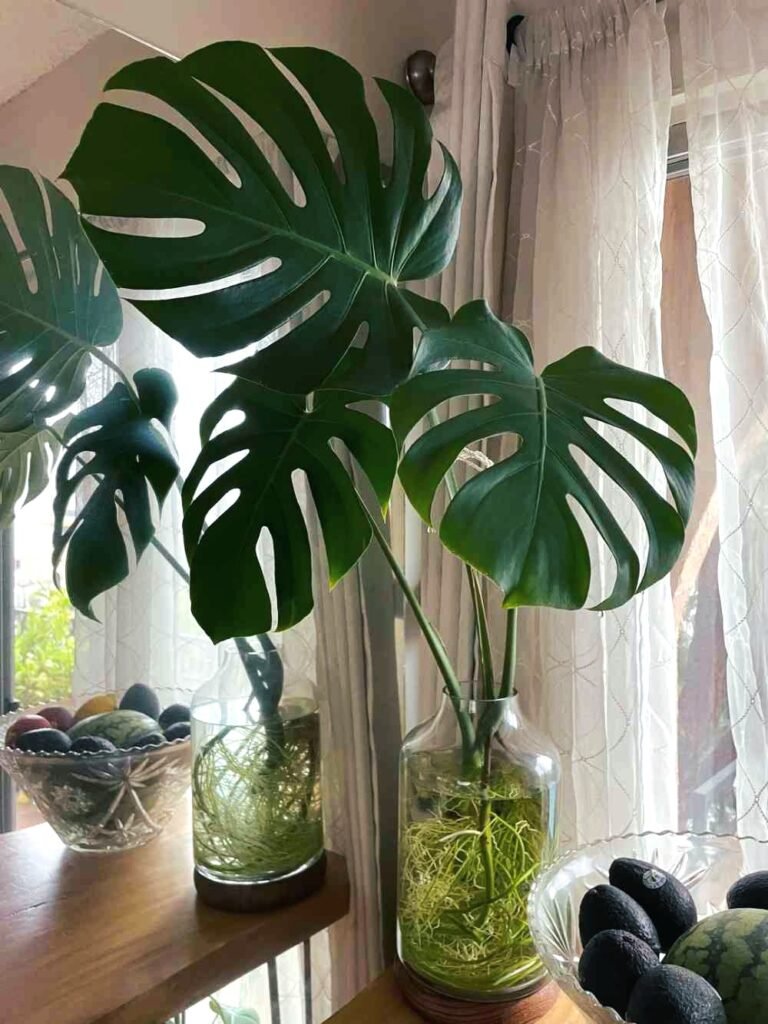
You can start a water-grown Monstera in two ways: by taking a stem cutting or by converting an established soil plant.
Taking a fresh cutting is by far the easiest method. Select a healthy stem with at least one visible node and an aerial root nub, make a clean cut just below the node with sterile shears, and place it directly into room-temperature water.
If you want to move an established soil-grown plant into water, follow these steps:
- Gently remove the Monstera from its pot and shake off loose soil.
- Soak the root ball in a bucket of lukewarm water to loosen stubborn dirt.
- Rinse the roots thoroughly under a gentle tap until all soil particles are completely removed.
- Trim away any dead, dry, or rotted root strands with clean scissors.
- Place the clean root system into your chosen vessel and fill it with fresh, filtered water.
Keep in mind that soil roots may slowly wither away while new, adapted water roots emerge. Keep a close eye on the vessel during the first month and rinse away any decaying matter promptly.
Routine Care for Water Grown Monsteras
Caring for an aquatic Monstera is relatively low-maintenance, but staying consistent with a few simple tasks will guarantee strong, healthy foliage year-round.
Changing and Refreshing the Water
Stagnant water loses its dissolved oxygen over time, which can eventually suffocate plant roots.
You should replace the water in your vase once every one to two weeks. If the water looks murky, cloudy, or discolored before that time, change it immediately.
Whenever possible, use filtered, distilled, or rainwater. If you must use tap water, let it sit out on the counter uncovered for 24 hours so harsh chlorine can dissipate before adding it to your plant vase.
Meeting the Light Requirements
Just like soil-grown specimens, Monsteras in water need bright, indirect sunlight to produce energy through photosynthesis.
Place your plant near an east-facing or north-facing window, or several feet back from a bright south-facing window.
Avoid placing clear glass vases in intense, direct sunlight. Harsh sun will scorch the leaves and rapidly heat up the standing water, which can cook the delicate roots and trigger explosive algae blooms.
Feeding with Hydroponic Nutrients
Standard houseplant fertilizers are formulated for soil microbes to break down and can quickly burn roots when applied directly into standing water.
Instead, purchase a high-quality liquid hydroponic fertilizer or an aquatic plant food.
Dilute the hydroponic solution to one-quarter or one-half of the manufacturer strength. Add a few drops to the fresh water once a month during spring and summer, and pause feeding during the darker winter months when growth naturally slows.
Preventing Algae and Root Rot
Algae is a common sight in water-grown plants because light, water, and fertilizer create the perfect recipe for green growth.
While small amounts of green algae are mostly harmless, heavy blooms compete with your Monstera for oxygen and nutrients.
Whenever you change the water, take a moment to rinse the roots under a gentle faucet stream and scrub the inside of the vase with warm water and a bottle brush.
Healthy roots should feel firm and look white, cream, or light tan. If any roots turn dark brown, black, or slimy, snip them off cleanly to prevent rot from spreading to the rest of the root system.
When to Move Your Monstera to Soil
You might eventually decide that you want your Monstera to reach its full dramatic size, complete with giant, deeply split leaves.
If that happens, you can easily move your plant from water into a rich potting mix.
Choose a well-aerated potting mix containing peat moss, perlite, and orchid bark. Pot up the plant and keep the soil consistently moist for the first two to three weeks to help the fragile water roots transition smoothly to the denser soil environment without going into shock.
Summary of Water Care for Monsteras
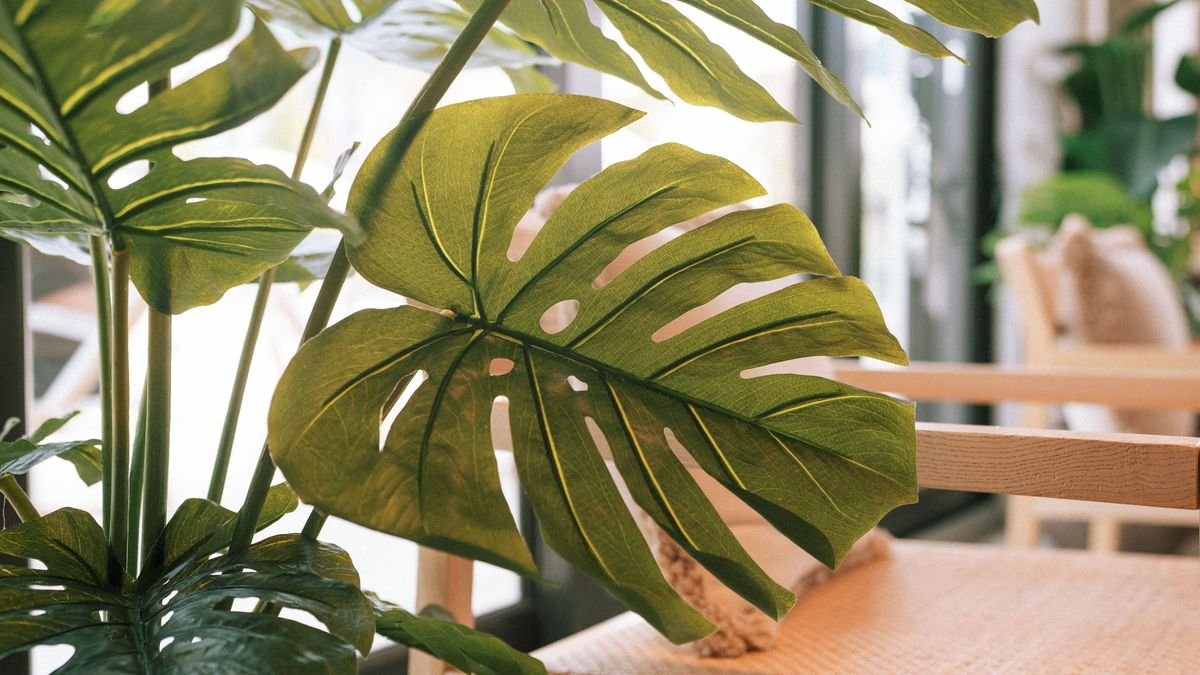
Growing a Monstera in water indefinitely is a fun, stylish, and low-stress way to enjoy one of the most iconic indoor plants.
As long as you provide bright indirect light, fresh water, and gentle hydroponic food, your plant will reward you with lush green foliage and stunning roots for years to come.
Is Your Monstera Ready for Permanent Water Growth?
Answer 4 quick questions to see your result