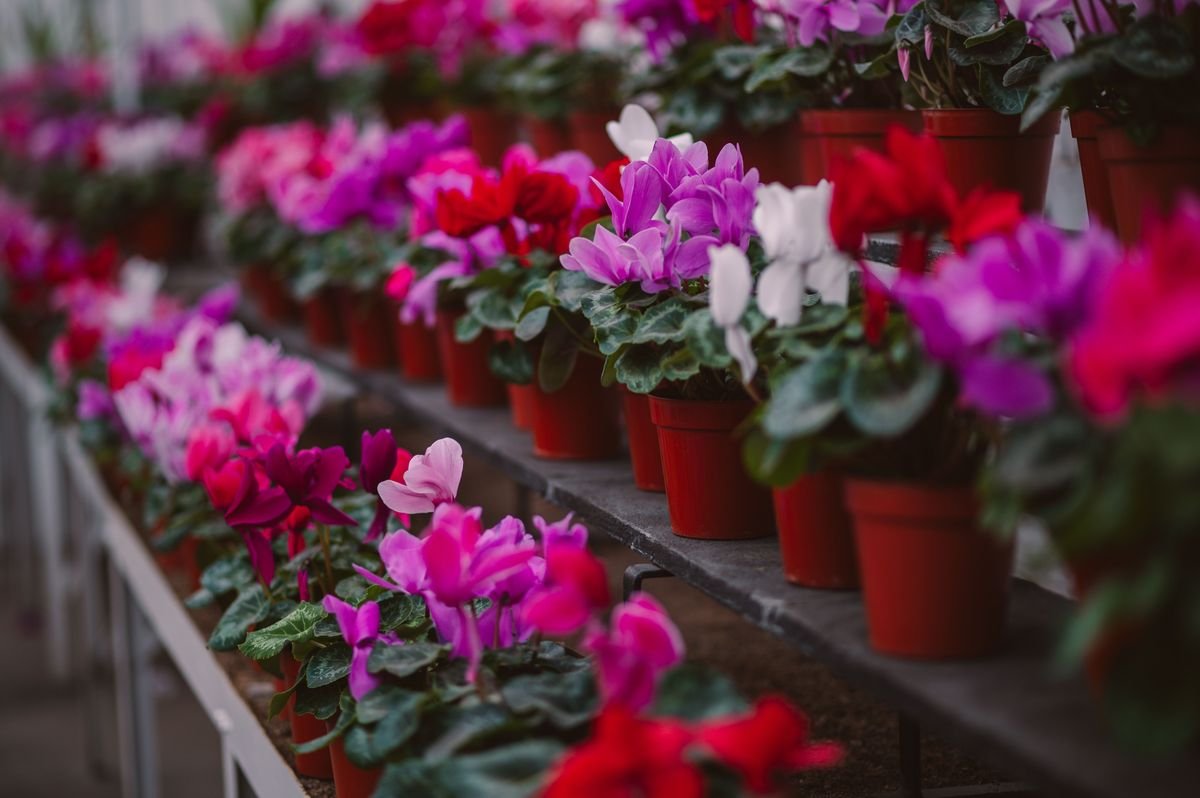
Bringing a blooming cyclamen into your home is one of the easiest ways to brighten up a chilly winter room. With their reflexed petals that resemble shooting stars and beautifully patterned marbled leaves, these Mediterranean natives look delicate and exotic.
Many plant owners treat cyclamen like temporary floral bouquets, tossing them out as soon as the flowers fade. The truth is that cyclamen are robust perennial tubers capable of thriving and reblooming for decades when given the right care.
Average Lifespan of Indoor Cyclamen
A well cared for cyclamen can easily live for several years in your home.
In their native Mediterranean habitats, wild tubers can survive for decades. Some dedicated indoor gardeners have kept specimen cyclamen alive and flowering reliably for twenty to thirty years.
Your plant grows from a round, flattened underground tuber that acts as an energy storage bank. As long as this tuber stays firm, disease-free, and undamaged by overwatering, your cyclamen has the potential to return every blooming season.
How Long Cyclamen Plants Bloom
Under good indoor conditions, an individual cyclamen plant typically blooms continuously for six to twelve weeks.
Each individual flower stalk lasts about two to three weeks before it begins to fade. The tuber continuously sends up fresh buds from the center to replace spent blooms throughout late autumn, winter, and early spring.
If your room stays cool and bright, you can easily stretch the flowering period to nearly four months. Warmer indoor temperatures cause the plant to rush through its blooming cycle and drop flowers much faster.
Understanding Natural Dormancy
Cyclamen have an unusual seasonal growth cycle compared to most common tropical houseplants.
While plants like pothos and monsteras grow actively during summer and slow down in winter, cyclamen do the exact opposite. They thrive in cold weather and go into complete dormancy when summer heat arrives.
When temperatures rise in late spring, the plant stops producing new buds. The older leaves turn yellow, collapse, and dry up so the tuber can conserve moisture and rest through the hot months.
Why People Mistake Dormancy for Death
The sudden collapse of foliage in late spring leads thousands of gardeners to throw away perfectly healthy plants every single year.
Seeing every leaf turn yellow and wither looks alarming if you do not expect it. It is completely natural behavior for a tuberous plant entering its summer sleep.
Before you discard a wilted cyclamen, inspect the tuber just below the soil line. If the tuber feels solid and heavy rather than soft and mushy, your plant is entirely healthy and just waiting for autumn.
Ideal Light for Vibrant Flowers
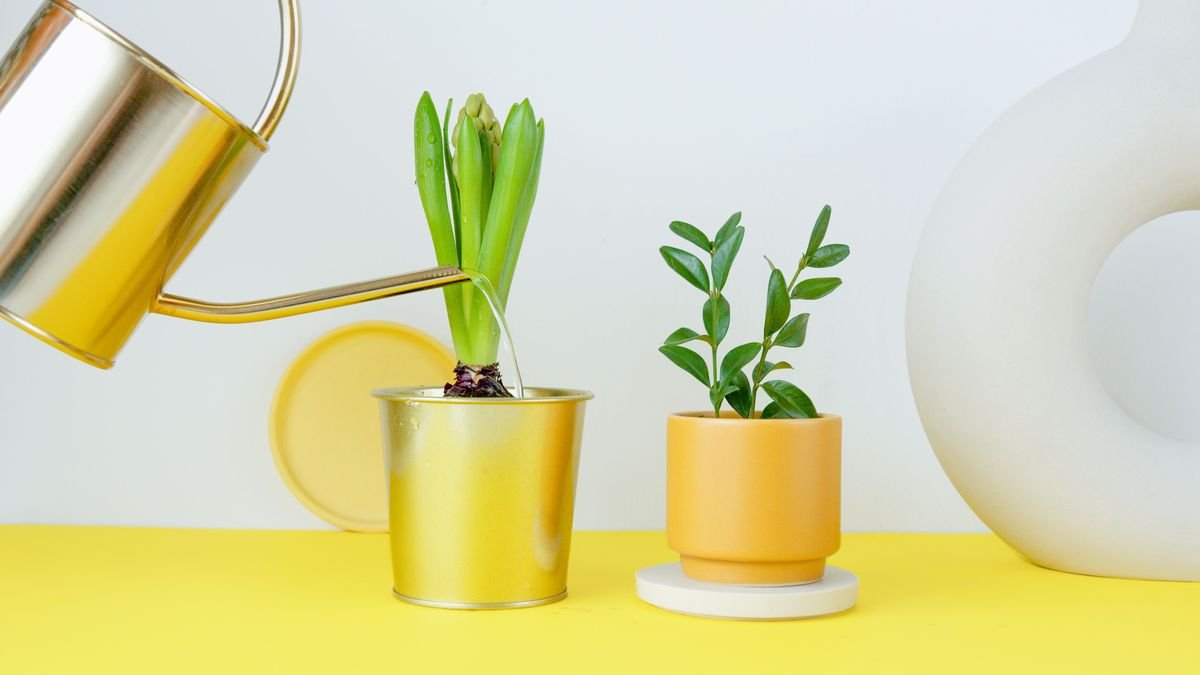
Cyclamen need generous amounts of bright, indirect sunlight to sustain active flowering during winter months.
An east-facing windowsill that catches gentle morning sunshine is often the perfect spot. North-facing windows can also work well if the room receives ample ambient light throughout the day.
Avoid placing your plant in intense, direct afternoon sun through unshaded south or west windows. Direct sun can scorch the patterned foliage and overheat the tuber, causing premature bloom drop.
Managing Temperature and Drafts
Temperature control is the single most critical factor in extending the life of cyclamen blooms.
These plants prefer daytime temperatures between 60 and 65 degrees Fahrenheit (15 to 18 degrees Celsius). At night, they love cool conditions between 45 and 55 degrees Fahrenheit (7 to 13 degrees Celsius).
Keep your plant far away from heat sources such as radiators, heating vents, wood stoves, and electronics. Hot and dry indoor air triggers the plant to believe summer has arrived, causing it to drop buds and enter early dormancy.
Choosing the Best Soil Blend
Cyclamen require a growing medium that holds light moisture while shedding excess water immediately.
Heavy, clay-based potting soils stay saturated for too long and can quickly suffocate the underground tuber. A slightly acidic to neutral soil pH between 6.0 and 6.5 provides the ideal nutrient uptake conditions.
Commercially bagged African violet mixes or porous cactus potting soils serve as great foundations for cyclamen. They balance moisture retention with excellent aeration.
How to Mix Your Own Soil
Crafting your own custom potting mix gives you full control over drainage and texture.
Combine one part standard indoor potting soil, one part coarse perlite or pumice, and one part peat moss or coco coir. Adding a handful of horticultural charcoal helps sweeten the mix and prevent fungal growth around the tuber.
This blend ensures water flows freely past the roots while retaining just enough moisture to keep the stems turgid and upright.
Selecting the Right Pot
The style and material of your planter directly affect soil drying speed and tuber health.
Always choose a container with functional drainage holes at the bottom. Growing cyclamen in a cachepot or planter without drainage almost always leads to standing water and tuber decay.
Unglazed terracotta pots are fantastic choices because their porous walls allow moisture to evaporate from the sides. Select a pot that leaves roughly one inch of space between the edge of the tuber and the pot rim.
Proper Watering Methods
Watering cyclamen requires a careful approach to protect the sensitive crown.
The top of the tuber sits right at the soil surface where all the leaf and flower stems emerge. Pouring water directly onto the top of the tuber traps moisture in the crown crevices, inviting bacterial rot.
Always apply water around the outer rim of the pot or use sub-irrigation to keep the center of the tuber completely dry.
Why Bottom Watering Is Best
Bottom watering is widely considered the gold standard for cyclamen care.
Set your potted plant into a shallow tray or saucer filled with one to two inches of room-temperature water. Allow the potting mix to draw moisture upward through the drainage holes via capillary action for twenty to thirty minutes.
Once the top layer of soil feels cool and damp to the touch, remove the pot and let excess water drain out completely before returning it to its saucer.
Signs of Overwatering and Underwatering
Recognizing the early warning signs of water distress helps you correct issues before permanent damage occurs.
An underwatered cyclamen displays floppy, drooping stems, but the foliage remains green and perks up within hours of watering. The soil will feel light and pulled away from the pot edges.
An overwatered plant also droops, but the leaves turn pale yellow or translucent, and stems pull away from the base with a slimy texture. If you notice a sour odor from the pot, check the tuber immediately for rot.
Feeding and Fertilizing Tips
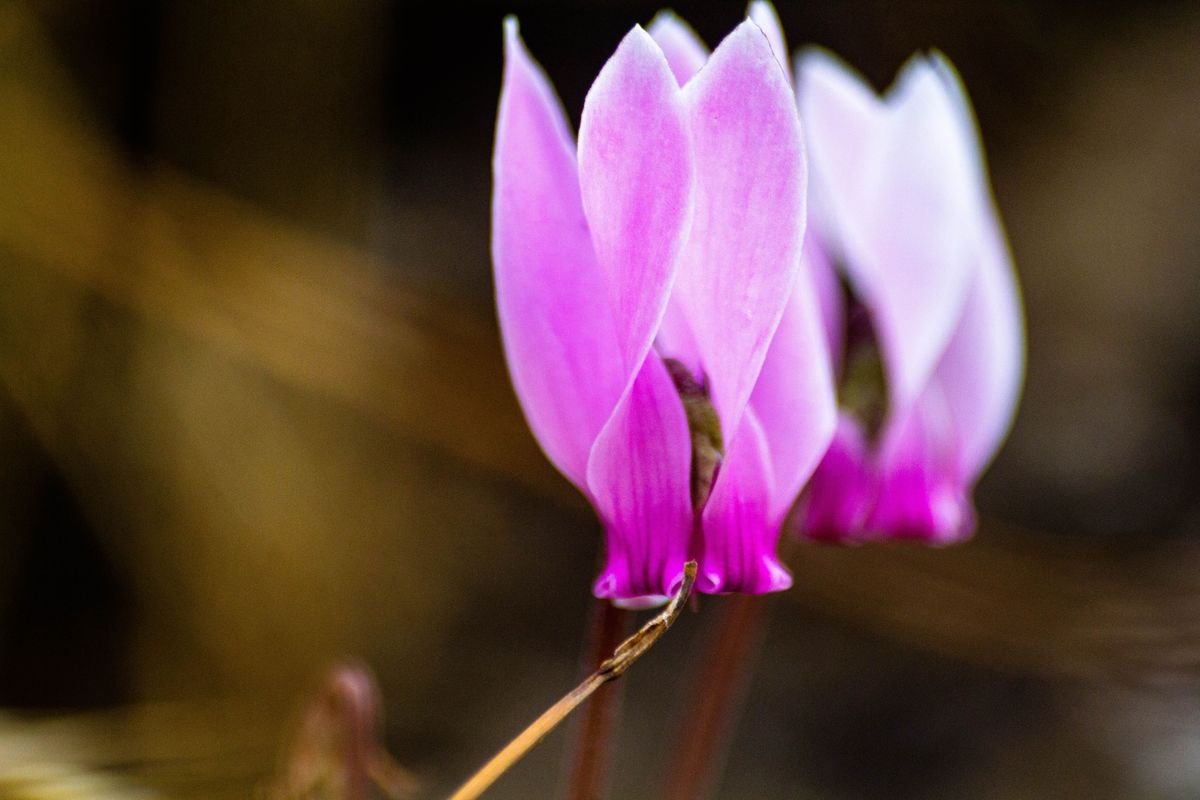
Cyclamen are modest feeders that benefit from gentle nutritional support during their active winter cycle.
Apply a balanced, water-soluble houseplant fertilizer diluted to half or quarter strength once every three to four weeks while buds are forming. A fertilizer with slightly higher phosphorus content supports continuous flowering.
Avoid high-nitrogen plant foods, which encourage excessive soft leaf growth at the expense of floral buds. Stop all fertilizing completely once flowering finishes in spring.
Grooming and Deadheading Flowers
Routine grooming keeps your cyclamen tidy and directs its energy toward producing fresh blooms.
When a blossom withers, do not simply snip off the flower head with scissors, as the remaining stalk can rot back into the crown. Instead, grip the base of the flower stem firmly near the tuber, give it a sharp twist, and pull cleanly upward.
The entire stem will pop free right at the base without leaving any decaying tissue behind. Use the exact same twisting technique to remove any yellowing or damaged leaves.
How to Care for Cyclamen During Dormancy
Managing summer dormancy correctly guarantees that your plant will wake up ready to bloom again in autumn.
When leaf dieback begins in spring, gradually cut back your watering schedule. Once all leaves have dried, gently remove the dead foliage and move the pot to a cool, dark, well-ventilated spot such as a basement or shaded garage.
During dormancy, provide just a splash of water once every few weeks to keep the tuber from shriveling into a hard brick. Keep the soil predominantly dry until late summer.
Step by Step Repotting Guide
Cyclamen only need repotting every two to three years, and the ideal time to do this is near the end of summer dormancy.
Select a container that is just one size larger than the current pot, ensuring it has drainage.
Remove the dormant tuber and gently brush away old, spent potting soil from around the roots.
Fill the lower portion of the new container with fresh, well-draining potting mix.
Position the tuber in the center, keeping the top one-third to one-half of the tuber exposed above the soil surface.
Never bury the tuber deeply under soil, as exposed shoulders prevent crown rot and allow bud nodes to breathe.
Preventing Pests and Fungal Problems
Cyclamen are generally hardy, but dense indoor conditions can attract common pests and fungal pathogens.
Cyclamen mites and spider mites are tiny pests that cause distorted, curled leaves and stunted floral buds. Treat infestations by isolating the plant and applying horticultural insecticidal soap or neem oil spray to the undersides of leaves.
Botrytis cinerea (gray mold) can develop on old blooms in humid, stagnant air. Ensure good room air circulation, never mist cyclamen foliage, and quickly groom away dying plant tissue to keep mold spores at bay.
Bringing Your Cyclamen Back to Life
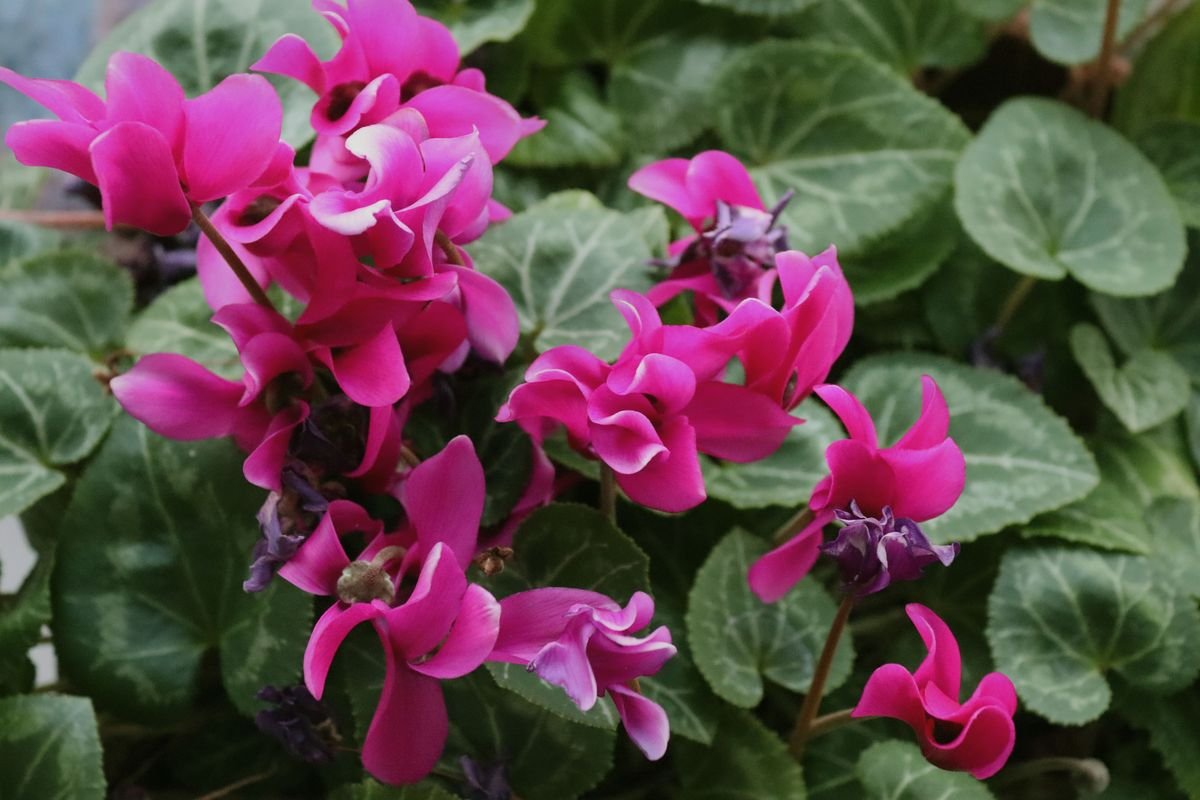
Reviving your dormant cyclamen in early autumn is an exciting and rewarding process.
Around September, bring the pot back into a bright window with cool indirect light. Give the soil a thorough soak using the bottom watering method to signal that the resting period is over.
Within two to three weeks, tiny green shoots and pink bud tips will begin pushing out from the top of the tuber. Resume your regular light, temperature, and feeding routines to enjoy another vibrant season of blooms.
How Healthy Is Your Cyclamen Care Routine?
Answer 4 quick questions to see your result