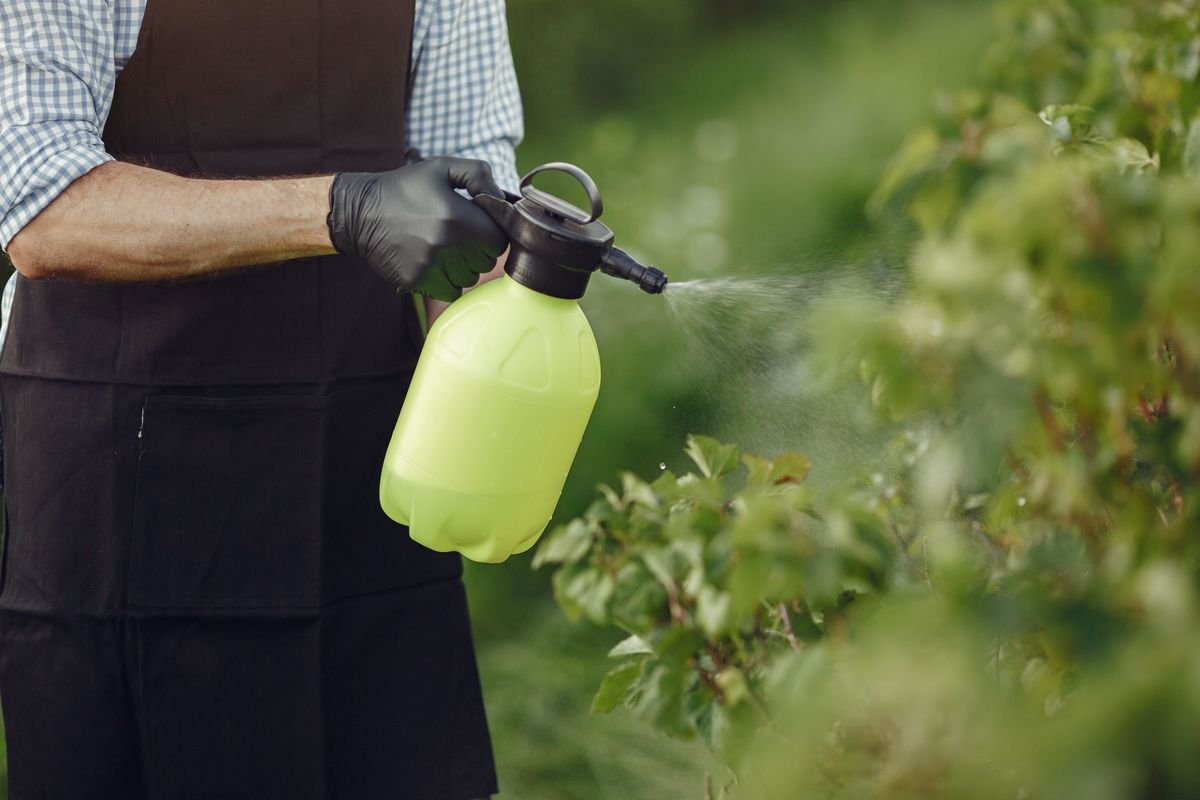
When you notice aphids chewing through your fresh roses or hornworms attacking your tomato vines, grabbing a chemical spray bottle can feel like the fastest solution.
Pesticides promise quick results, but those synthetic formulas often carry serious hidden costs for your health, your soil, and the animals living around your home.
Understanding Garden Pesticides
Pesticides are synthetic chemical formulations created to destroy, repel, or control organisms that humans consider undesirable.
In home gardens, these products generally fall into three common groups: insecticides targeting bugs, herbicides killing weeds, and fungicides preventing fungal spores from spreading.
While these products offer fast cosmetic fixes, they do not discriminate between destructive pests and beneficial garden organisms. Their active ingredients can remain in your soil, water, and plant tissues for months or even years after application.
Long Term Risks to Human Health
Spraying chemicals in an enclosed backyard or around edible crops creates direct exposure risks for you and your family.
Even when you follow manufacturer application rates, regular contact with synthetic garden chemicals can lead to persistent health challenges.
Elevated Cancer Risks
Extensive medical research has linked various widely used pesticides to elevated cancer risks in humans.
Certain synthetic chemicals interfere with cellular replication and cause oxidative stress, which can trigger the growth of malignant cells over prolonged exposure periods.
Widely used weed killers such as glyphosate have faced intense scrutiny and regulatory bans in several regions due to strong associations with non-Hodgkin lymphoma and other blood disorders.
When you spray these products, microscopic droplets linger in the air and settle onto outdoor furniture, edible greens, and walkways where skin contact easily occurs.
Chronic Respiratory Problems
Fine pesticide mists can irritate the sensitive mucous membranes lining your nasal passages, throat, and lungs.
Inhaling even trace amounts while spraying can trigger acute symptoms such as wheezing, persistent coughing, and tightness across the chest.
For individuals with pre-existing conditions like asthma or allergies, garden sprays can cause severe flare-ups.
Frequent exposure can also contribute to chronic airway inflammation, diminishing lung capacity over time.
Neurological System Disruption
Many commercial bug sprays rely on chemical families like organophosphates and synthetic pyrethroids to target insect nervous systems.
Unfortunately, human brains and nervous tissues share similar basic chemical pathways with insects.
These compounds can inhibit key enzymes like acetylcholinesterase, which allows nerve impulses to fire uncontrollably.
Long term low dose exposure to nerve-targeting pesticides has been linked by medical researchers to heightened risks for neurodegenerative conditions like Parkinson disease and memory decline.
Hormonal and Endocrine Issues
Your endocrine system produces hormones that regulate sleep, mood, fertility, metabolism, and immune responses.
Many common garden chemicals act as endocrine disruptors by mimicking or blocking natural hormones in the body.
This interference can lead to thyroid dysfunction, reproductive complications, and irregular cycles.
Children are especially vulnerable to endocrine disruptors because their organ systems and hormonal balances are still actively developing.
Ecological and Wildlife Dangers

A garden is an intricate ecosystem containing thousands of interdependent living species.
When synthetic chemicals enter this web, the ecological balance breaks down quickly, creating larger pest problems in the long run.
Devastating Impacts on Honeybees
Pollinators are the foundation of healthy gardens and productive food crops.
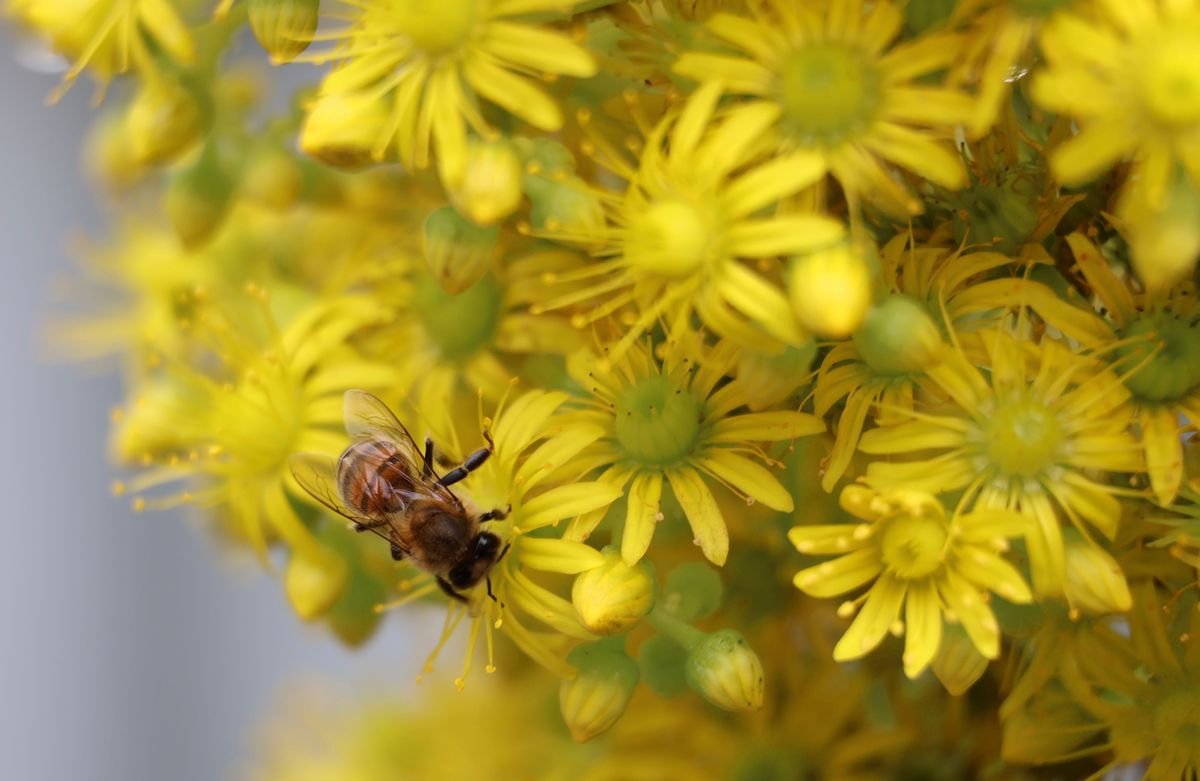
Neonicotinoids, a common class of systemic insecticides, are absorbed into plant tissues and travel directly into nectar and pollen.
When foraging honeybees and native bumblebees collect this contaminated nectar, the chemicals damage their central nervous systems.
Afflicted bees lose their navigation abilities, struggle to return to their hives, and experience weakened immune systems that drive colony collapse.
Disruption of Helpful Garden Insects
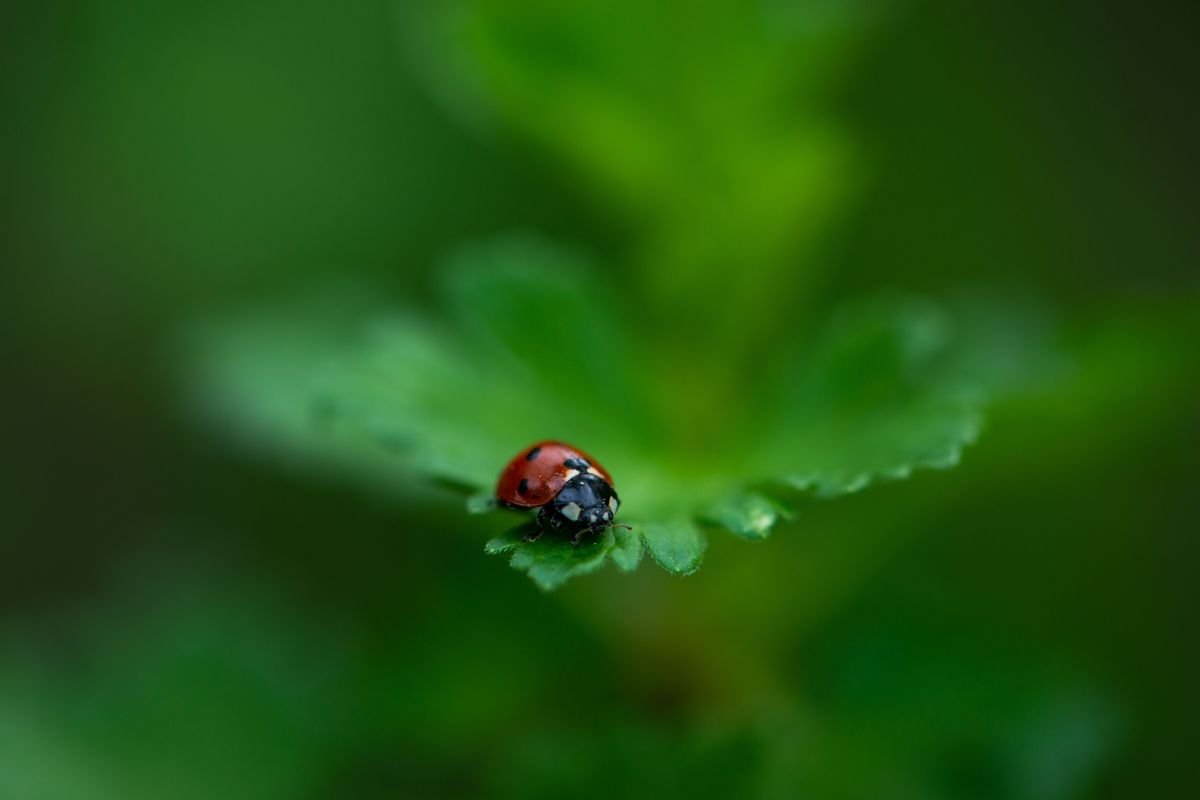
Broad spectrum sprays do not just kill the aphids on your roses; they also wipe out ladybugs, lacewings, hoverflies, and praying mantises.
These beneficial predator insects are your garden natural cleanup crew.
Because pest species reproduce much faster than predator insects, spraying often leads to secondary pest outbreaks where damaging bugs return in twice their original numbers.
Contamination of Soil Microbes
Healthy garden soil is teeming with beneficial bacteria, actinomycetes, and mycorrhizal fungi that help plants absorb moisture and essential minerals.
Chemical fungicides and herbicides disrupt these delicate biological soil networks.
Over time, treated soil loses its organic structure, dries out faster, and becomes dependent on synthetic fertilizers to sustain plant growth.
Toxic Runoff and Water Systems
Sprayed chemicals rarely stay confined to your garden beds.
During heavy rainstorms or routine lawn watering, residual pesticides wash off foliage and drain into neighborhood storm sewers, local streams, and shallow groundwater tables.
Even tiny concentrations of chemical runoff can kill sensitive aquatic life, causing reproductive failure in frogs, fish, and freshwater crustaceans.
This runoff can also find its way into local municipal water supplies, complicating community water purification efforts.
Dangers to Household Pets
Dogs and cats spend significant time exploring backyards at ground level, making them primary targets for pesticide poisoning.
Pets walk across treated grass, absorb chemicals through their paw pads, and ingest toxic residues when they groom their fur or eat grass blades.
Symptoms of acute poisoning include excessive drooling, sudden lethargy, vomiting, muscle tremors, seizures, and respiratory collapse.
Chronic low-level exposure has also been linked to elevated rates of canine bladder cancer and feline lymphoma.
Safer Ways to Control Garden Pests
Shifting away from synthetic chemicals does not mean surrendering your harvest to garden invaders.
Integrated organic strategies allow you to maintain vigorous plants while protecting your household and surrounding wildlife.
Encouraging Beneficial Predators
The most sustainable way to keep pests in check is by inviting their natural enemies into your yard.
Planting umbrella-shaped flowers like dill, fennel, yarrow, and sweet alyssum provides nectar for adult lacewings, parasitic wasps, and hoverflies.
Creating small rock piles and leaving undisturbed leaf litter gives predatory ground beetles safe daytime shelters from which they hunt slugs and cutworms at night.
Organic Sprays and Soap Solutions
When an infestation gets out of hand, choose non-persistent organic treatments instead of synthetic formulas.
Pure potassium castile soap diluted in warm water breaks down the waxy protective outer shells of soft-bodied insects like spider mites and aphids, causing them to dehydrate rapidly.
Cold-pressed horticultural neem oil acts as an effective anti-feedant and disrupts pest reproduction without leaving long-lasting toxic residues in the soil.
Always apply these gentle organic remedies late in the evening so that pollinating bees are not active during application.
Smart Companion Planting
Strategic plant pairings naturally confuse pest insects and reduce the need for intervention.
French marigolds emit root exudates that deter harmful root-knot nematodes while their fragrant foliage masks the scent of nearby vegetable crops.
Interplanting pungent alliums like garlic and chives among roses and leafy greens naturally repels aphids and beetles.
You can also use trap crops like nasturtiums to draw caterpillars away from prize cabbages, making manual removal quick and simple.
How Chemical-Heavy Is Your Gardening Routine?
Answer 4 quick questions to see your result