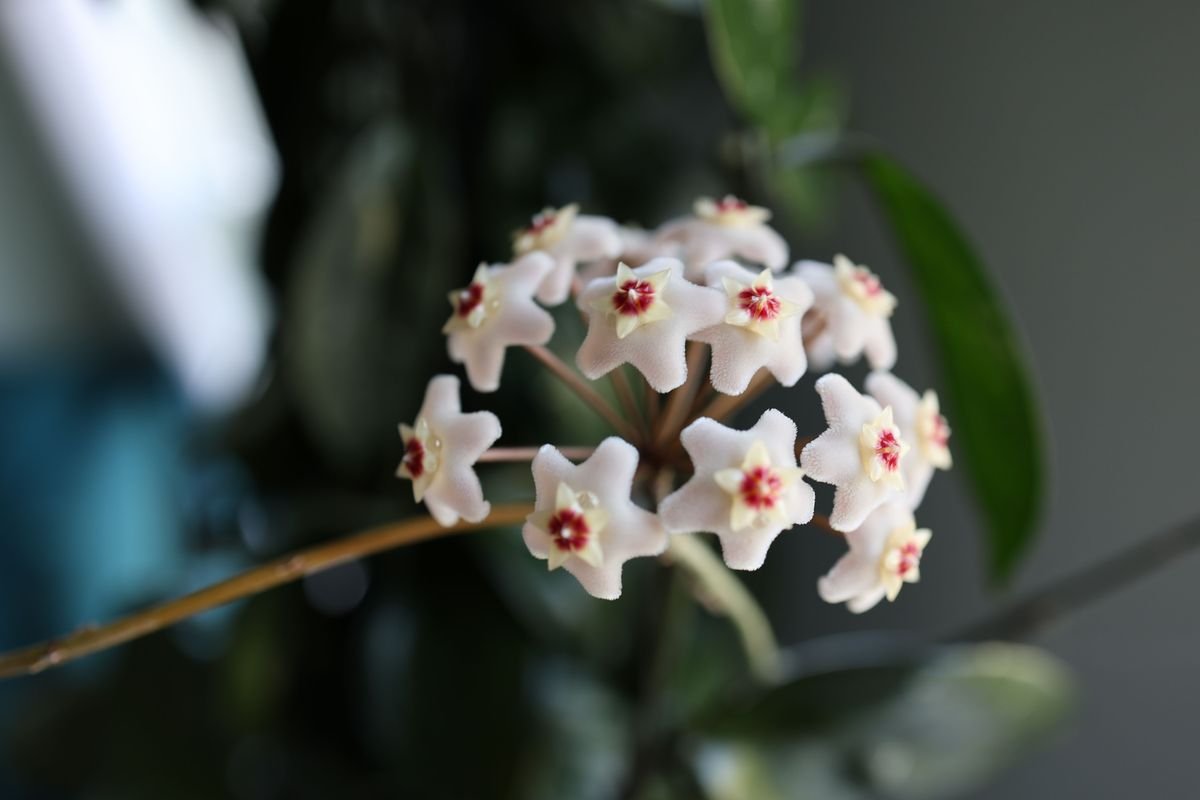
Stepping into a plant boutique or browsing an online nursery often comes with a surprising discovery.
While standard green houseplants might sell for reasonable prices, certain Hoya varieties carry price tags ranging from fifty dollars to several hundred or even thousands of dollars for a single small cutting.
These fascinating wax plants have captured the hearts of indoor gardeners around the globe. Understanding why certain Hoyas command luxury prices will help you decide whether a rare specimen is worth the investment, or if an affordable, resilient variety better suits your indoor jungle.
Rare Cultivars and Genetic Mutations
The wide price range in the Hoya world largely stems from botanical rarity. Standard green varieties are easy to mass-produce, but specialized cultivars featuring unique leaf shapes, heavy splash patterns, or variegated edges are much harder to cultivate.
Genetic mutations such as chimera variegation happen infrequently in nature. When a grower discovers a unique sport mutation, stabilizing that trait takes several generations of careful propagation.
If a mutation grows slowly or reverts easily back to solid green, the limited market supply drives prices upward.
Plants like the variegated Hoya carnosa ‘Compacta’, often known as the variegated Hindu rope plant, are prime examples of this phenomenon. A fully established specimen with albino margins or interior splash patterns can take years to grow just a few inches, making mature pots commanding showpieces at private auctions.
Slow Growth Rates and Propagation Challenges
Unlike fast-growing vining plants such as golden pothos or heartleaf philodendron, most Hoyas possess a semi-succulent, woody growth habit that requires substantial patience.
Commercial nurseries must dedicate greenhouse bench space, heating, and lighting to these plants for extended periods before they reach a sellable size.
Rooting a woody Hoya cutting is rarely an overnight process. Depending on the species, a single-node cutting can sit in a propagation medium for two to three months before producing its first new active growth point.
Because commercial growers spend more labor, time, and utility resources to cultivate a single batch of mature Hoyas, those production expenses are naturally passed on to the consumer.
Collector Demand and Social Media Trends
Houseplant collecting has experienced an unprecedented surge in interest over recent years. Platforms like Instagram, TikTok, and specialized plant groups have turned once-obscure tropical species into must-have design statements.
When a particular species goes viral because of an unusual foliage pattern or dramatic flowering habit, demand instantly outpaces availability. Hobbyists frequently enter bidding wars on online auction sites to secure hard-to-find cultivars before commercial growers have time to scale up production.
This spike in demand creates temporary price bubbles. While prices on trendy varieties eventually soften as more nurseries propagate them, newly introduced wild species and novel hybrids continue to command premium prices among dedicated collectors.
The Unique Charm of Porcelain Blooms
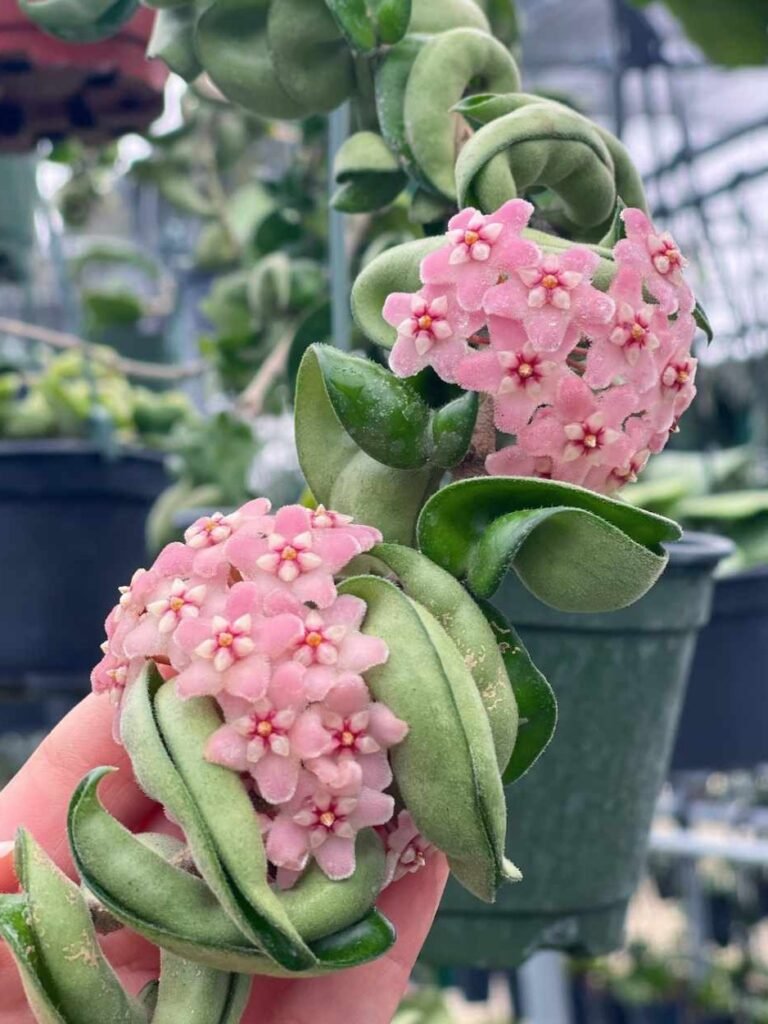
A major selling point of the Hoya genus is its ability to produce clusters of fragrant, star-shaped flowers called umbels.
These blossoms look as if they were sculpted from porcelain or wax, creating an aesthetic that standard foliage plants simply cannot match.
Beyond their visual allure, Hoya blooms often produce delightful scents ranging from chocolate, vanilla, and butterscotch to citrus and spicy cinnamon. Some rare varieties produce flowers that look like tiny fuzzy jewels or deep burgundy bells.
Because Hoyas only bloom when they are mature, healthy, and receiving adequate light, buyers are often willing to pay a premium for older, bloom-ready specimens rather than waiting years for a tiny starter plug to reach maturity.
International Import Costs and Plant Acclimation
Many of the most sought-after Hoya species originate in the tropical rainforests of Southeast Asia, Australia, and the Pacific Islands. Bringing these plants into domestic markets involves complex logistics that inflate overall retail costs.
Importers must pay for mandatory phytosanitary certificates, specialized agricultural inspections, international express shipping, and customs tariffs.
During long transit times in dark cargo holds, delicate tropical plants frequently suffer from moisture loss, root rot, or leaf drop.
Local sellers must absorb the cost of damaged stock and spend weeks or months rehabilitating the surviving plants in high-humidity acclimation tents. The retail price reflects both the logistical costs and the grower’s time spent converting bare-root imports into stable, rooted houseplants.
Beginner Friendly Hoyas That Stay Affordable
You do not need to spend hundreds of dollars to enjoy the beauty of wax plants. Several classic species are widely cultivated, readily available at local nurseries, and priced very affordably.
Here are some dependable, low-cost options that offer fantastic growth habits without draining your wallet:
- Hoya carnosa: The classic wax plant features thick, almond-shaped green leaves with subtle silver speckling and sweet-smelling pink flowers.
- Hoya pubicalyx: A rapid grower that tolerates varied household conditions and displays extensive silver splash on elongated leaves.
- Hoya australis: Known for smooth, round, bright green leaves and rapid trailing growth that responds well to casual indoor care.
- Hoya obovata: Recognizable for its large, coin-shaped leaves with silver speckles, offering a bold look at an accessible price.
Unstable Variegation and High Risk Purchases
When shopping for high-end Hoyas, it is critical to understand the biology of plant variegation. Some varieties feature stable genetic color patterns, while others display unstable traits that can quickly disappear if conditions shift.
Variegated plants lack chlorophyll in the white, cream, or pink sections of their leaves. If a plant produces entirely white leaves, those sections cannot photosynthesize and will eventually brown and die off.
Conversely, if the plant receives inadequate light, it may produce solid green growth to survive, effectively losing the variegation you paid extra to acquire.
Buying an unrooted cutting of an unstable variegated Hoya carries substantial risk. If that cutting produces growth from a node with no mutated tissue, the resulting vine will revert to standard green foliage.
Special Soil and Potting Mix Requirements
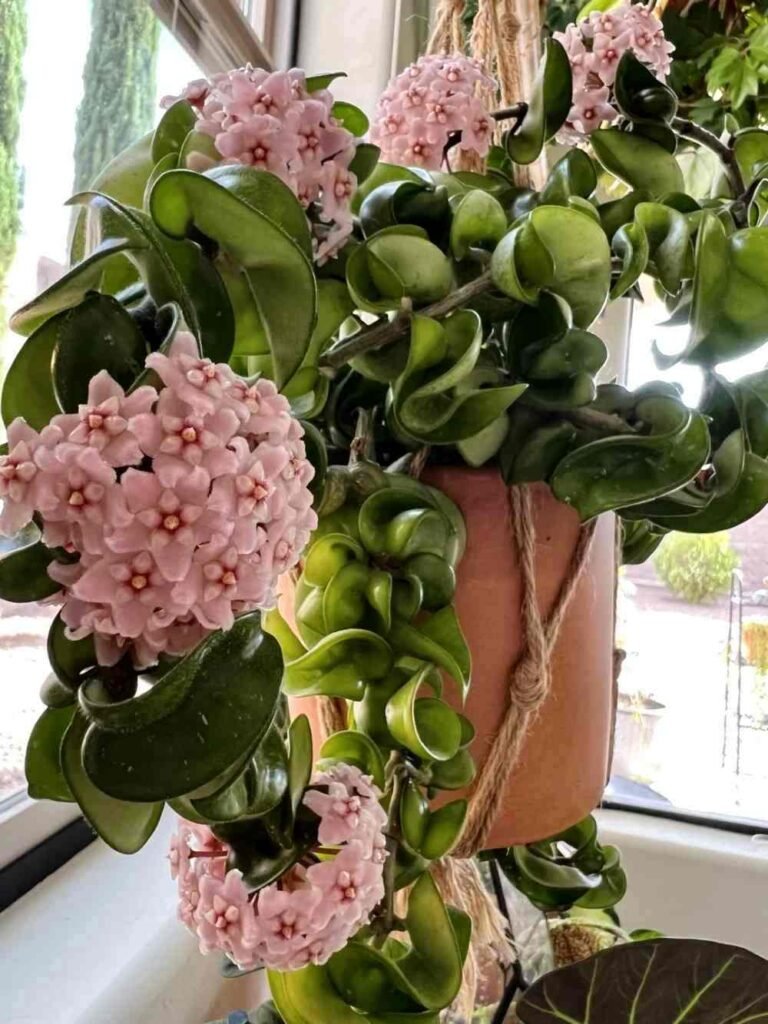
In their native habitats, most Hoyas are epiphytic or lithophytic organisms. They do not grow in dense garden soil; instead, they anchor themselves to tree trunks, branches, or rocky crevices where rainwater drains away immediately.
Planting an expensive Hoya in dense, moisture-retentive potting soil is one of the fastest ways to destroy your investment. Their root systems require constant oxygen circulation to prevent fungal pathogens from taking hold.
To keep prized specimens thriving, construct an airy, chunky potting mix composed of roughly equal parts of the following materials:
- Coarse orchid bark or coconut husk chips
- Perlite or coarse pumice for aeration
- Horticultural charcoal to absorb impurities
- High-quality peat moss or coco coir for gentle moisture retention
Lighting Guidelines to Maximize Value and Blooms
Proper lighting plays an indispensable role in maintaining the vivid colors and compact growth that make premium Hoyas look their best. Without the right light balance, expensive splash and variegated markings can fade over time.
Hoyas thrive in bright, indirect sunlight, such as an east-facing window or a spot a few feet back from an unobstructed south-facing window. Gentle morning sun enhances leaf contrast, but harsh afternoon sun can scorch the thick leaves and leave permanent yellow or brown burn marks.
Certain varieties, like Hoya ‘Sunrise’ or Hoya obscura, produce rich red and bronze hues when exposed to safe levels of high light.
This stress coloring is a natural defensive response driven by anthocyanin pigments, which increases the aesthetic appeal of the foliage.
Common Care Mistakes That Risk Your Investment
Caring for an expensive plant often creates anxiety, leading well-intentioned owners to make critical mistakes. The most frequent error is overwatering.
Because Hoyas store moisture in their succulent leaves and stems, they prefer their potting medium to dry out almost completely between waterings.
Another common hazard is using an oversized container. Hoyas possess small, compact root systems and actually bloom more reliably when slightly rootbound. A pot that is too large holds excess wet soil around the roots, accelerating root suffocation.
Pest monitoring is equally crucial. Mealybugs and flat mites have a strong preference for Hoya leaves, frequently hiding inside tightly curled foliage folds or along the leaf stems where they can weaken the plant unnoticed.
How to Propagate Hoyas at Home
One of the greatest benefits of owning Hoyas is that you can propagate your own plants to expand your collection or trade with other hobbyists. Propagating from stem cuttings is a simple, cost-effective way to multiply rare cultivars.
Select a healthy section of vine that contains at least one node and two mature leaves. Using clean, sterilized shears, cut just below the node, where the natural rooting hormone concentrations are highest.
Place the cutting in a clear propagation container filled with moist perlite, sphagnum moss, or coarse stratum. Keep the container under gentle grow lights inside a clear plastic bag or humidity dome to prevent moisture loss while roots develop over four to six weeks.
Deciding If an Expensive Hoya Is Right for You
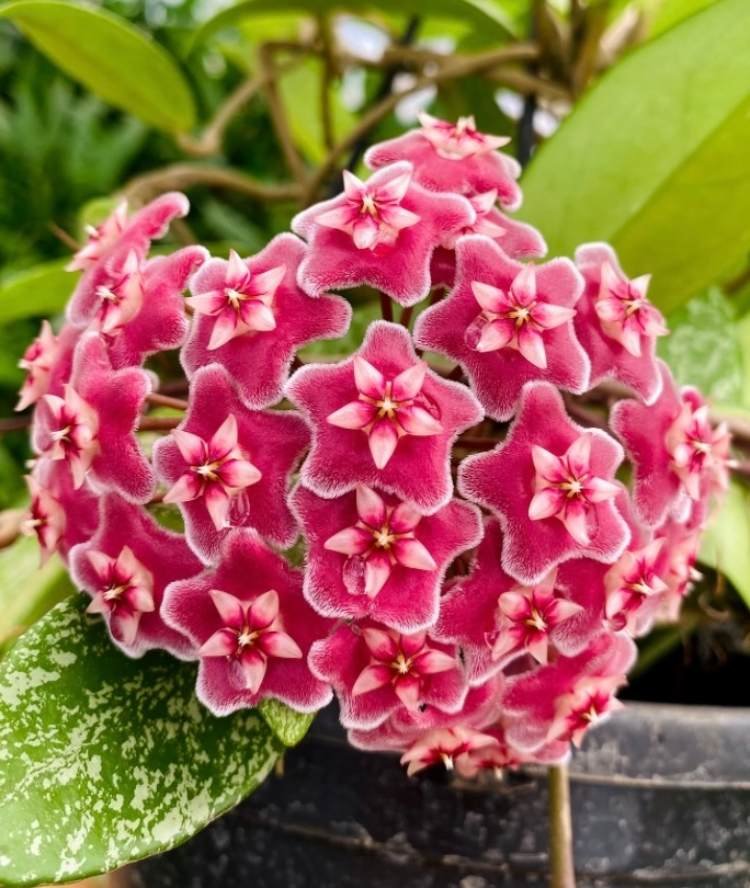
Investing in a high-end Hoya depends on your personal plant-care experience, budget, and expectations. If you are relatively new to the hobby, building your confidence with accessible varieties like Hoya carnosa or Hoya pubicalyx is the smartest approach.
These classic varieties teach you how to read watering cues, balance light exposure, and recognize early signs of pests without putting a large financial sum at risk.
Once you master the environmental needs of common wax plants, purchasing a rarer specimen becomes an exciting and deeply rewarding milestone.
With appropriate care and a well-draining environment, a single prized Hoya can live for decades, offering stunning architectural foliage and fragrant porcelain blossoms year after year.
Are You Ready for a High-Value Rare Hoya?
Answer 4 quick questions to see your result