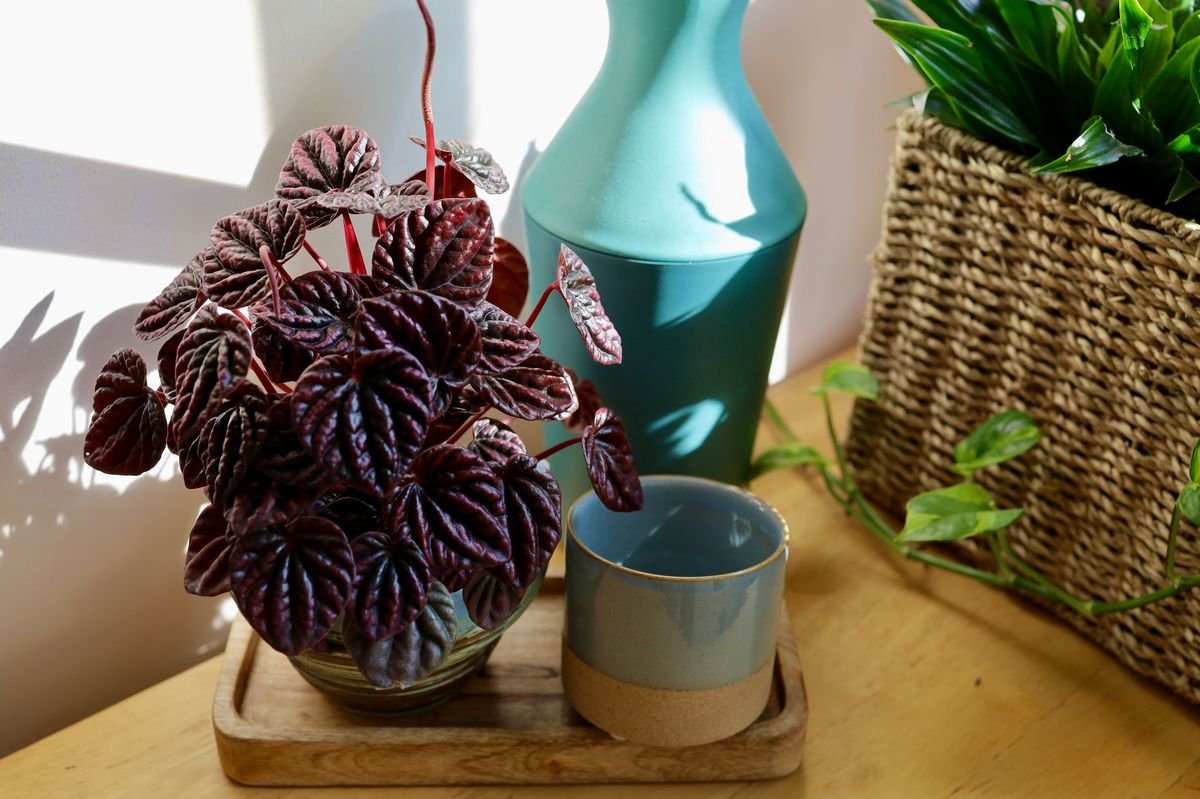
Few things are as frustrating for an indoor gardener as watching a lush, vibrant peperomia suddenly shed its foliage.
You walk by your plant shelf only to notice healthy-looking green leaves or soft, discolored foliage scattered across the tabletop.
Because peperomias have semi-succulent characteristics, their stems and leaves hold stored water, making them particularly sensitive to subtle changes in their growing environment.
Leaf drop is almost always a distress signal that something in your care routine or ambient environment is off balance. The good news is that peperomias are remarkably resilient houseplants when you diagnose the root cause early.
By understanding the primary triggers behind shedding leaves, you can adjust your care habits, nurse your plant back to health, and prevent future leaf loss.
Overwatering and Moisture Buildup
Giving your peperomia too much water is by far the most frequent reason leaves start falling off. Peperomias possess thick, fleshy leaves and spongy stems designed by nature to store moisture.
Because of this adaptation, their root systems are relatively small, fragile, and exceptionally prone to suffocating in waterlogged potting mix.
When the soil remains saturated for extended periods, air pockets collapse and oxygen cannot reach the root zone. Deprived of oxygen, the roots begin to break down and rot away.
As the root system fails, it can no longer regulate moisture or deliver essential nutrients to the upper foliage.
The plant responds to this extreme physiological stress by shedding its lower leaves first. These leaves often look swollen, pale yellow, or translucent and may drop off with the slightest touch.
To correct this problem, you must allow the top two to three inches of soil to dry out completely before adding more moisture. Always empty decorative drip trays immediately after watering so your plant never sits in pooled water.
How to Spot Root Rot Early
Catching root rot in its earliest stages can mean the difference between saving your peperomia and losing it entirely. If you suspect overwatering, gently slide the plant out of its container to inspect the root ball.
Healthy peperomia roots are light cream or tan in color, firm to the touch, and relatively flexible. In contrast, rotted roots appear dark brown or black, feel slimy and mushy, and often give off a distinct sour smell.
If you discover damaged roots, use a sterilized pair of shears to trim away all black and mushy tissue. Rinse the remaining healthy roots with tepid water and repot the plant into fresh, dry potting soil. Hold off on watering for several days to allow the cut root ends to callous over and heal.
Underwatering and Severe Dehydration
While overwatering causes rapid decline, letting your peperomia dry out completely for weeks will also trigger leaf loss. Although these plants hold water in their fleshy foliage, their reserves are not infinite.
When soil moisture is exhausted, the plant pulls moisture from its lowest leaves to keep the central crown and newest growth alive. During prolonged drought, the leaves lose their natural turgor pressure, turning limp, wrinkled, and dull.
Eventually, severely dehydrated leaves shrivel up, turn crispy along the edges, and detach from the stems. You might also notice the entire root ball pulling away from the inside edges of the pot.
To rehydrate a chronically dry peperomia, use the bottom-watering technique. Place the nursery pot into a basin filled with room temperature water for twenty minutes, allowing the dry soil mix to absorb water from below without disturbing delicate surface stems.
Mineral Buildup from Hard Tap Water
The chemical makeup of your household tap water plays an understated role in plant health. Many municipal water supplies contain elevated levels of chlorine, chloramine, heavy fluoride, and dissolved mineral salts like calcium carbonate.
Peperomias have sensitive root membranes that struggle to process high concentrations of dissolved minerals. Over time, these salts accumulate in the potting soil, forming a crusty white residue on the soil surface and inner pot rim.
This salt accumulation burns fragile feeder roots and disrupts regular osmosis, preventing the plant from taking up water smoothly. Consequently, the foliage develops yellow margins, brown scorched tips, and eventually falls from the stems.
If your local tap water is hard, switch to using filtered water, collected rainwater, or distilled water. You can also flush the potting soil every few months with copious amounts of purified water to leach away accumulated mineral salts.
Heavy Soil That Retains Excess Water
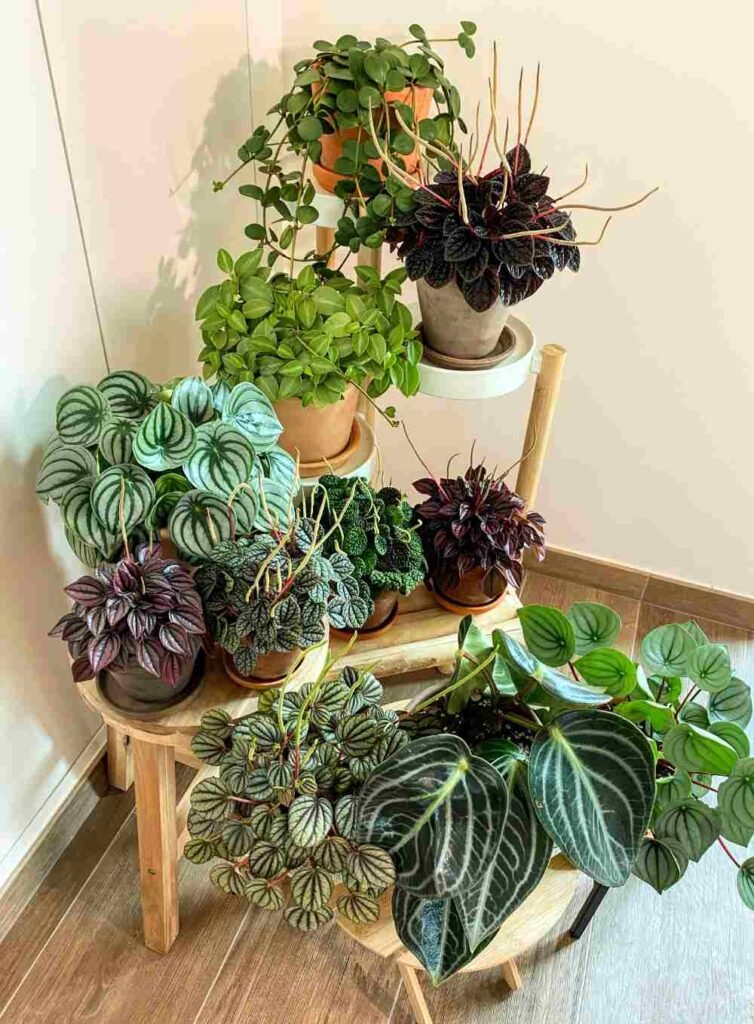
Standard, dense potting soils designed for general outdoor gardening are completely unsuitable for indoor peperomias. Heavy soils containing large quantities of fine peat moss or dense garden loam hold far too much water for far too long.
Even if you follow a conservative watering schedule, dense potting compost can stay soggy deep inside the pot for weeks. This dense environment compacts around fine peperomia roots, choking off airflow and creating an ideal environment for anaerobic bacteria and fungal pathogens.
When roots cannot breathe, the plant displays all the symptoms of overwatering, including rapid leaf drop and stem softening. Changing the growing medium to an airy, fast-draining blend is essential for lasting plant vitality.
Ideal Soil Mixes for Peperomia
Creating the perfect soil substrate for your peperomia is simple once you know the basic components that promote drainage.
Peperomias thrive in an airy mixture that holds modest moisture while allowing excess water to drain within seconds. You can mix your own custom potting blend at home using basic amendments:
- Fifty percent high-quality indoor potting soil
- Twenty-five percent perlite or pumice for aeration
- Fifteen percent coarse orchid bark to maintain soil structure
- Ten percent horticultural charcoal to prevent sour soil
This coarse blend ensures that oxygen circulates freely around the root system while surplus moisture drains away instantly.
Containers Lacking Proper Drainage Holes
Potting a peperomia in a container without functional drainage holes is a recipe for disaster. No matter how carefully you measure your water, moisture naturally accumulates at the bottom of solid pots.
This trapped water creates a stagnant reservoir where roots sit permanently submerged. The lower portion of the root ball will rot while the surface layer of soil may look deceptively dry, tricking you into adding even more water.
Always choose pots crafted with one or more generous drainage holes at the base. Porous unglazed terracotta pots are especially beneficial because their breathable clay walls allow moisture to evaporate through the sides, keeping root systems dry and healthy.
Insufficient Sunlight and Dim Rooms
Peperomias originate as understory plants in tropical rainforests, where they receive dappled, bright light filtering through the tree canopy. When placed in dark hallway corners or rooms with small north-facing windows, their light energy intake plummets.
Without sufficient light, the plant cannot produce the energy required through photosynthesis to support a full canopy of leaves. In response, it will start to reallocate resources by dropping its older, lower leaves.
Plants kept in dim lighting also develop long, stretched stems with wide gaps between leaf nodes, a condition known as leggy growth. The leaves that remain are frequently small, pale, and weak.
Move your peperomia to a spot that receives several hours of medium to bright indirect sunlight daily. An east-facing windowsill or a spot situated a few feet back from a south-facing window provides ideal illumination.
Sunburn from Harsh Direct Light
While low light causes leggy shedding, intense direct sunlight can be equally harmful to your peperomia. Unfiltered midday sun burning through clear window glass can quickly scorch delicate leaves.
Sunburn presents as bleached patches, crisp brown leaf centers, or paper-thin foliage that curls downward before dropping off. Once leaf tissue is physically burned by ultraviolet light, it cannot heal itself and the plant will eventually shed the damaged leaf.
If you keep your plant near an intense south or west-facing window, use a sheer curtain to diffuse the light beams. This softens the intensity while delivering the bright ambient glow peperomias love.
Dry Air and Low Indoor Humidity
Most indoor living spaces, particularly during winter heating seasons, have humidity levels hovering between twenty and thirty percent. Peperomias flourish best when ambient humidity sits consistently between forty and sixty percent.
When the air is excessively dry, moisture evaporates rapidly from the leaf surfaces through transpiration. If the roots cannot pull up water quickly enough to compensate, the foliage experiences localized dehydration.
This chronic dryness leads to crispy brown leaf tips, curling leaf margins, and sudden foliage drop. While thicker-leaved varieties like Peperomia obtusifolia tolerate dry air reasonably well, thin-leaved cultivars like Peperomia prostrata and Peperomia caperata suffer quickly.
To increase humidity around your plants, place a small ultrasonic humidifier nearby or group several houseplants together to form a humid microclimate. You can also place the plant pot atop a shallow tray filled with pebbles and water, making sure the pot base sits above the water level.
Sudden Temperature Fluctuations and Drafts
Peperomias are tropical plants adapted to stable temperatures between sixty-five and eighty degrees Fahrenheit (eighteen to twenty-seven degrees Celsius). They react very poorly to sudden thermal shocks.
Exposing your plant to freezing drafts from leaky window panes, exterior entrance doors, or direct air currents from air conditioning vents puts the plant into a state of shock. In response to rapid cooling, the cellular walls in the leaves weaken, causing large sections of foliage to drop unexpectedly while still green.
Similarly, setting your plant next to baseboard radiators, heating ducts, or wood stoves creates hot draft zones that desiccate plant tissue. Maintain a stable ambient temperature and position your peperomia well away from any direct airflow sources.
Winter Heating Stress
Winter presents a unique combination of environmental challenges for indoor peperomias. Shorter daylight hours combined with active central heating create a difficult environment of low light and dry, hot air.
During winter, a peperomia naturally slows its metabolic rate and enters a semi-dormant resting phase. If you continue watering and fertilizing at summertime rates, the plant cannot process the inputs and will shed leaves rapidly.
Reduce watering frequency significantly during the cold months, allowing the soil to dry out further than usual. Move your plant closer to window light to maximize winter sun exposure, and never let leaves touch freezing window glass.
Overfertilizing and Chemical Fertilizer Burns
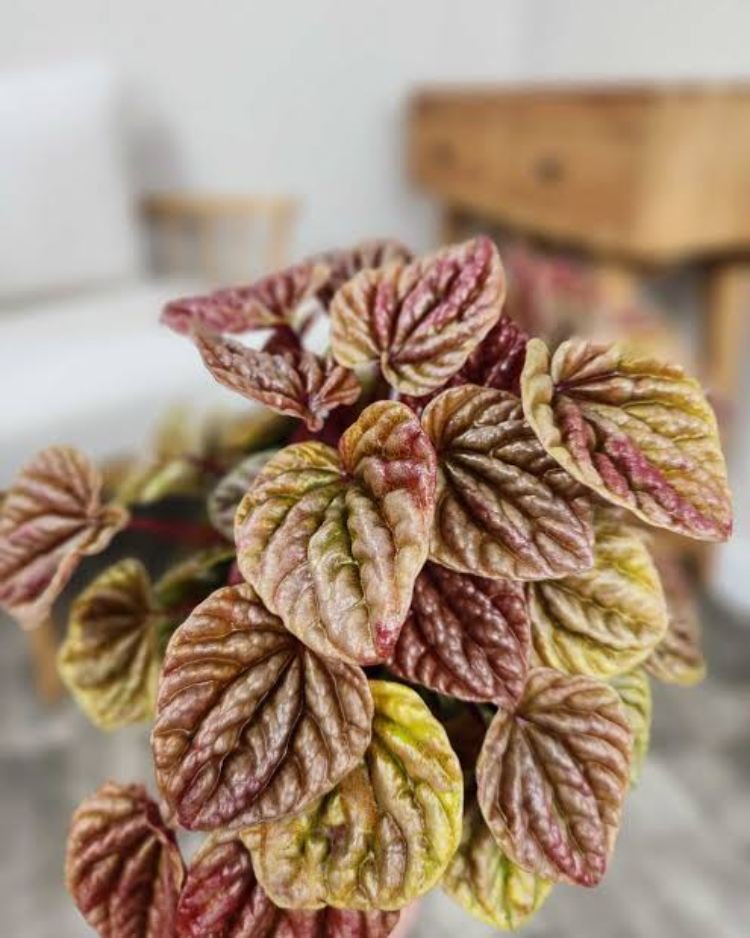
Peperomias are modest feeders that naturally grow in nutrient-poor substrates, such as tree bark crevices and rocky ground. They require very little supplemental fertilizer to stay healthy and vigorous.
Applying strong synthetic plant food or fertilizing too frequently leads to heavy mineral salt accumulation in the soil mix. These concentrated chemicals burn root tips, preventing normal water intake and causing fertilizer burn.
Visible signs of overfertilization include yellowing leaf edges, blackened leaf stems, white crust on the soil, and sudden, severe leaf drop. The plant may also produce distorted or curled new growth before losing leaves.
Only feed your peperomia during the active spring and summer growing season using a balanced liquid houseplant fertilizer diluted to quarter or half strength. Suspend all feeding entirely throughout the fall and winter months.
Nutrient Deficiencies from Starvation
While overfeeding is common, neglecting your plant for years in the same worn-out potting mix can lead to nutrient depletion. Over time, watering leaches vital micronutrients out of the soil.
A severe nitrogen deficiency causes the oldest leaves at the base of the plant to turn uniformly pale yellow before dropping off. Potassium or magnesium deficiencies often show up as chlorosis between leaf veins with brittle edges.
If your peperomia has been growing in the same container for more than two seasons without fresh soil or light feeding, a gentle dose of balanced organic fertilizer can restore leaf vigor and halt nutrient-related shedding.
Common Indoor Pest Attacks
Tiny sap-sucking pests love to target indoor peperomias, especially when plants are already weakened by improper light or watering. Because these pests are minuscule, an infestation often goes unnoticed until visible damage appears.
Several common houseplant pests are known to cause peperomia leaf drop:
- Spider mites that weave fine webbing under leaves and cause speckled yellow foliage
- Mealybugs that appear as white, cottony clusters nestled in leaf joints and stem axils
- Scale insects that form waxy, brown, immobile bumps along stems and leaf undersides
- Thrips that leave silvery patches and small black frass dots on foliage
These insects pierce the delicate leaf membranes to feed on nutrient-rich plant sap. As leaves are drained of cellular fluid, they turn mottled, curl, lose structural integrity, and drop from the plant.
How to Treat Peperomia Pests Safely
When you spot pests on your peperomia, act quickly to isolate the plant from your wider collection to prevent the infestation from spreading.
For localized mealybug or scale issues, dip a cotton swab in seventy percent isopropyl rubbing alcohol and dab it directly onto the individual insects to dissolve their protective coating.
For widespread pest problems, wash the foliage gently under a lukewarm shower to dislodge the majority of bugs. Follow up by spraying the entire plant, including the undersides of every leaf, with insecticidal soap or a diluted cold-pressed neem oil solution. Repeat this treatment once a week for three consecutive weeks to eradicate newly hatched nymphs.
Fungal and Bacterial Leaf Infections
Peperomias can fall victim to various fungal and bacterial pathogens, particularly when high humidity is paired with poor air circulation or wet foliage. Fungal leaf spot, anthracnose, and bacterial soft rot are the most common culprits.
Bacterial infections typically cause dark, water-soaked lesions that spread rapidly across leaves, turning them soft, slimy, and foul-smelling before they fall off. Fungal infections usually create dry, circular brown spots bordered by yellow halos.
To manage plant diseases, immediately prune away and discard all infected leaves using sterile scissors. Avoid overhead watering to keep foliage dry, improve ambient air movement with a gentle oscillating fan, and treat the plant with an organic copper-based fungicide if fungal spots persist.
Physical Shock After Repotting or Moving
Houseplants are creatures of habit that adjust their internal chemistry to specific lighting angles, temperatures, and moisture levels. When you make sudden environmental changes, the plant experiences transplant or acclimation shock.
Repotting your peperomia inevitably causes minor damage to the root system, even when done carefully. If the root ball is disturbed roughly or placed into an oversized pot, the plant may shed a dozen leaves over the following week while it redirects energy toward root repair.
Similarly, bringing a newly purchased peperomia home from a humid, sunlit greenhouse into a dimmer living room often triggers brief leaf drop. Give your plant time to settle in, maintain steady moisture, provide bright indirect light, and avoid moving the pot around constantly.
Natural Aging and Leaf Shedding
Not every falling leaf indicates a critical cultural error or disease. As peperomias mature and produce new foliage at their growing tips, older leaves near the base of the stems naturally reach the end of their biological lifespan.
A naturally aging leaf will gradually turn pale yellow, lose its glossiness, and cleanly detach from the stem at the node. This process occurs slowly, usually affecting only one or two bottom leaves at a time while the rest of the plant looks vibrant and actively produces new growth.
If the top growth remains firm, colorful, and healthy, occasional leaf drop is simply part of the natural life cycle. You can gently pluck away yellowing leaves to keep the plant looking tidy.
Simple Steps to Revive a Dropping Plant
Rescuing a peperomia that has lost significant foliage requires a methodical approach. By following a structured recovery plan, you can stabilize your plant and stimulate robust new growth:
- Perform a thorough inspection of the soil moisture, root health, and leaf undersides to identify the primary stressor.
- Prune away all dead, mushy, or severely damaged stems and yellow leaves using sterilized pruning shears.
- Correct your potting conditions by moving the plant into well-draining soil and a pot with ample drainage holes if needed.
- Position the container in an area that receives consistent, bright indirect light with moderate room temperatures.
- Adjust your watering rhythm, letting the top few inches of soil dry out completely between waterings.
- Pause all fertilizer applications until you see healthy, active new leaves emerging from the crown.
With patience and consistent care, dormant nodes along the bare stems will activate within a few weeks, producing fresh shoots that fill out your peperomia once again.
Why Is Your Peperomia Dropping Leaves?
Answer 4 quick questions to see your result