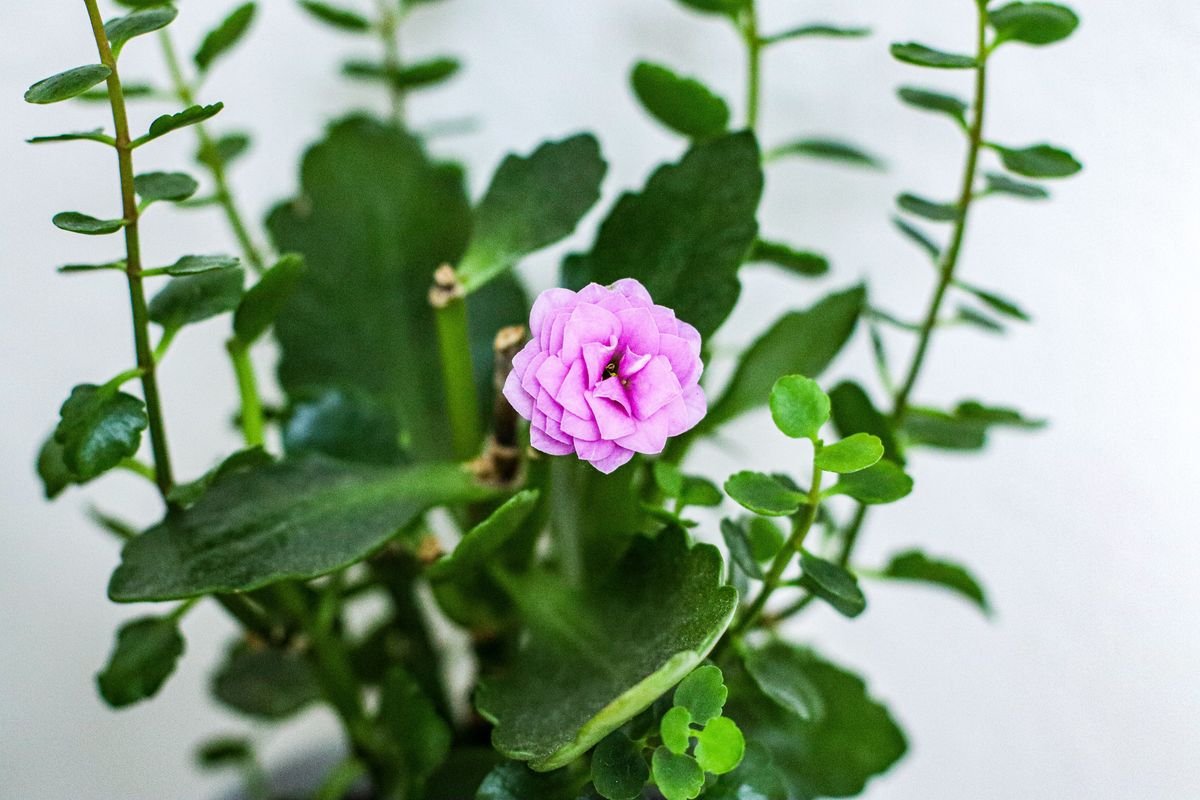
Kalanchoe plants are cherished houseplants known for their glossy green foliage and clusters of long-lasting, cheerful blooms. When cared for properly, they provide months of color and bring a lively energy to any windowsill, desk, or garden shelf.
However, noticing a sudden red or reddish-purple tint spreading across your kalanchoe leaves can be alarming. While some red coloring is natural for certain varieties, it is frequently a sign that your succulent is reacting to environmental stress.
Understanding Kalanchoe Leaf Color
Kalanchoes are thick-leaved succulents adapted to dry, bright environments. In their natural habitat, they develop protective pigments called anthocyanins whenever they face challenging conditions.
Anthocyanins act like a built-in sunscreen for the plant. They shield delicate plant cells from harmful ultraviolet radiation, moisture deficits, and extreme temperature fluctuations.
When your plant encounters an environmental change, it shifts its energy from producing chlorophyll (which provides the rich green color) to manufacturing these protective red pigments. Recognizing the exact trigger will help you decide whether your plant is thriving or asking for help.
Intense Sunlight and Anthocyanin Production
Sunlight is one of the most common reasons a kalanchoe turns red. While these plants love bright spaces, harsh and unfiltered direct sunlight can trigger rapid pigment changes.
If you move a plant from a dim indoor corner directly into an unfiltered south-facing window, the foliage will often blush red across the outer edges and top surfaces within just a few days.
In many cases, a soft reddish hue along the leaf margins is harmless and simply indicates high light exposure. However, if the entire leaf turns deep crimson or begins to feel leathery and stiff, your plant is signaling that the solar intensity is higher than it prefers.
Sunburn Versus Healthy Stress Coloration
There is a noticeable difference between mild light stress and physical sunburn. You should inspect the texture of the leaves closely to determine what is happening.
Healthy stress coloring maintains the smooth, plump texture of the leaf while shifting the color palette to red, bronze, or purple. The leaves remain firm and hydrated to the touch.
Sunburn, on the other hand, damages plant tissue permanently. Look for the following warning signs:
- Dry, papery white or beige patches on the upper surface of the leaves
- Brittle, crinkled leaf edges that crumble when touched
- Brown scorched spots surrounded by deep red margins
If you notice actual burn marks, move your kalanchoe back a few feet from the window or hang a sheer curtain to diffuse the light.
Underwatering and Moisture Stress
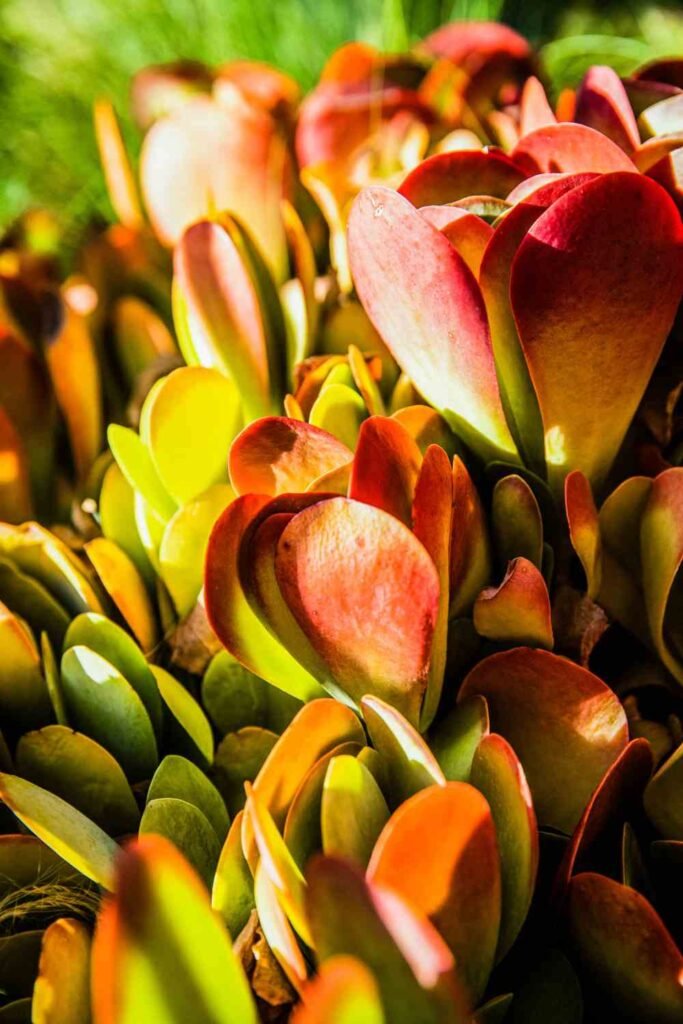
Because kalanchoes store water in their fleshy leaves, they are remarkably tolerant of dry periods. However, prolonged drought forces the plant into survival mode, which often prompts a red color shift.
When moisture levels remain depleted for too long, the plant cannot transport nutrients effectively. It concentrates its sap and increases anthocyanin production to defend its cells against desiccation.
Underwatered kalanchoe leaves will typically turn reddish around the edges while simultaneously losing their plump firmness. You may notice the lower leaves puckering, wrinkling, or curling downward before they dry up completely and drop off.
Overwatering and Damaged Roots
Curiously, excessive water can also cause leaves to discolor and turn reddish or purplish. When soil stays waterlogged, the roots suffocate and succumb to fungal rot.
Once the root system fails, the plant can no longer take up water and nutrients from the soil. Even though the potting mix is soaking wet, the top of the plant suffers from dehydration symptoms, triggering stress pigments.
Check the base of the stems and the texture of the leaves. If the leaves look yellow-red, feel mushy or translucent, and the soil smells sour, your kalanchoe is likely suffering from root rot rather than drought.
Cold Temperature Exposure
Kalanchoes originate from warm, tropical regions such as Madagascar, meaning they have almost no natural tolerance for cold weather. Cold temperatures trigger an immediate protective response in their leaves.
When temperatures drop below 55 degrees Fahrenheit (12 degrees Celsius), the plant slows down its metabolic activity significantly. The synthesis of green chlorophyll stalls, allowing red pigments to dominate the foliage.
If exposed to near-freezing temperatures or frost, the leaves may turn dark red or purple before becoming soft, blackened, and ruined. Always bring outdoor potted kalanchoes inside well before the first autumn frost.
Drafts and Sudden Temperature Changes
Even inside a heated home, localized cold pockets can stress your kalanchoe. Windows that let in chilly winter drafts are a frequent culprit behind uneven leaf discoloration.
Placing your succulent directly in front of an active air conditioning vent during summer can produce the exact same chilling stress. The blast of cold air lowers the leaf temperature rapidly, prompting localized reddening.
Aim to keep your indoor kalanchoe in a stable environment where temperatures sit consistently between 65 and 80 degrees Fahrenheit (18 to 27 degrees Celsius). Keep pots safely away from drafty exterior doors, single-pane windows, and cooling vents.
Nutrient Deficiencies in the Soil
A lack of essential minerals in the growing medium can alter foliage appearance. Phosphorus deficiency in particular is famous for producing deep red or purplish hues on older leaves.
Phosphorus is vital for energy transfer and root development. When a plant cannot access sufficient phosphorus, it accumulates excess sugars in its leaves, which fuels anthocyanin synthesis.
If your kalanchoe has been sitting in the same small pot of generic potting soil for years without fresh compost or feeding, the soil is likely depleted. The oldest leaves near the bottom of the plant will show the strongest red tint first.
Too Much Fertilizer and Salt Buildup
While lack of nutrients causes trouble, overfeeding is equally damaging to succulents. Kalanchoes are light feeders that do not require heavy or frequent doses of fertilizer.
Applying concentrated synthetic fertilizer can scorch the delicate feeder roots and create a buildup of mineral salts in the potting medium. Damaged roots struggle to function, leading to chemical stress and discoloration.
If you see a white, crusty film forming on the top of the soil or around the pot rim, excess fertilizer salts are present. Flush the soil thoroughly with clean water to rinse away the buildup and halt fertilizing for several weeks.
Poor Drainage and Soil Compaction
The physical structure of your potting mix plays a massive role in how well your kalanchoe manages moisture and oxygen. Dense, compacted soil retains moisture too long while choking out root airflow.
Standard garden soil or dense peat-based mixes pack down over time with repeated watering. This compression creates an anaerobic environment that stresses the plant and prompts color shifts.
To keep the roots healthy and the foliage green, use a loose, gritty succulent potting mix. A great DIY blend combines two parts standard potting soil with one part perlite and one part coarse horticultural sand or pumice.
How to Fix Red Leaves on Your Kalanchoe
Restoring your kalanchoe to its normal green color requires identifying the root cause and adjusting its care routine gradually. Follow this systematic approach to help your plant recover:
- Evaluate the light level and move the plant to bright, indirect sunlight if it currently sits under blazing afternoon rays.
- Check soil moisture with your finger. If bone dry, give the pot a deep soak until water drains freely from the bottom.
- If the soil is soggy, pull the plant from its pot to inspect for black, slimy roots. Trim away damaged sections and repot in fresh, dry succulent mix.
- Inspect the surrounding room temperature to make sure the plant is protected from cold windows and air conditioning drafts.
- Dilute any liquid fertilizer to one-quarter strength and apply it only once a month during active spring and summer growth.
Routine Care Tips for Vibrant Growth
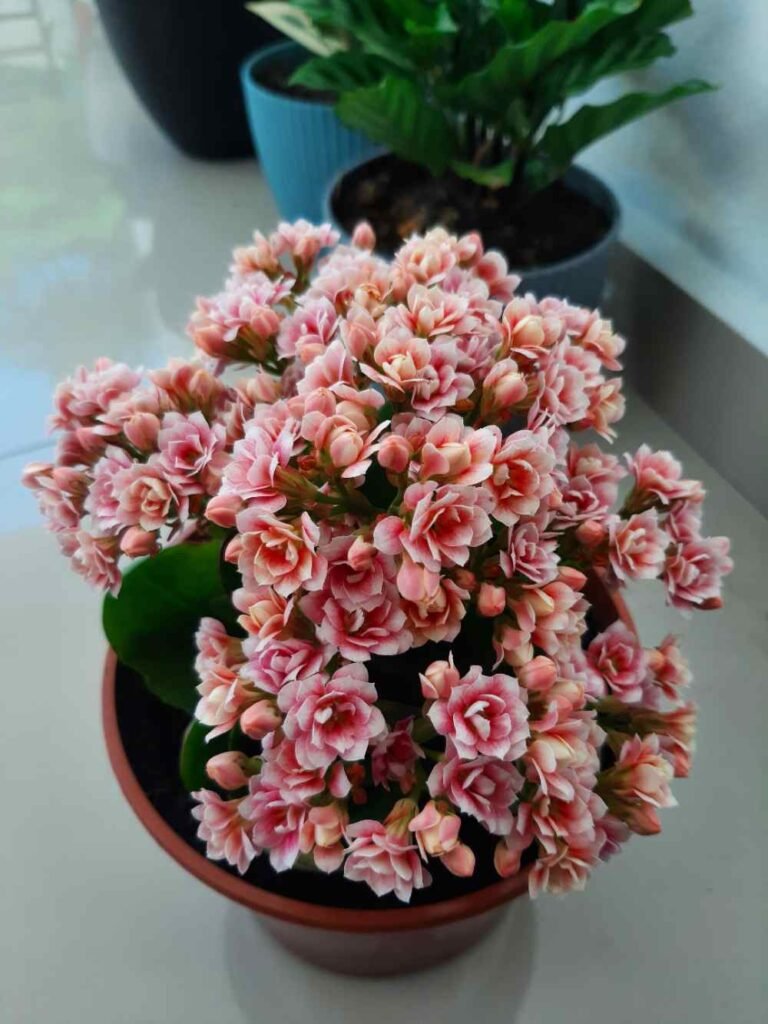
Once your kalanchoe recovers, maintaining a consistent care schedule will keep it healthy, lush, and ready to produce vibrant blooms season after season.
Always use the soak-and-dry watering technique. Water the plant thoroughly until moisture runs out the drainage holes, let the excess drain away completely, and do not water again until the top two inches of soil are dry.
Provide roughly six to eight hours of bright, filtered natural light daily. An east-facing window or a spot a few feet back from a south-facing window offers the ideal balance of warmth and brightness without scorching the foliage.
How Stressed Is Your Kalanchoe Plant?
Answer 4 quick questions to see your result