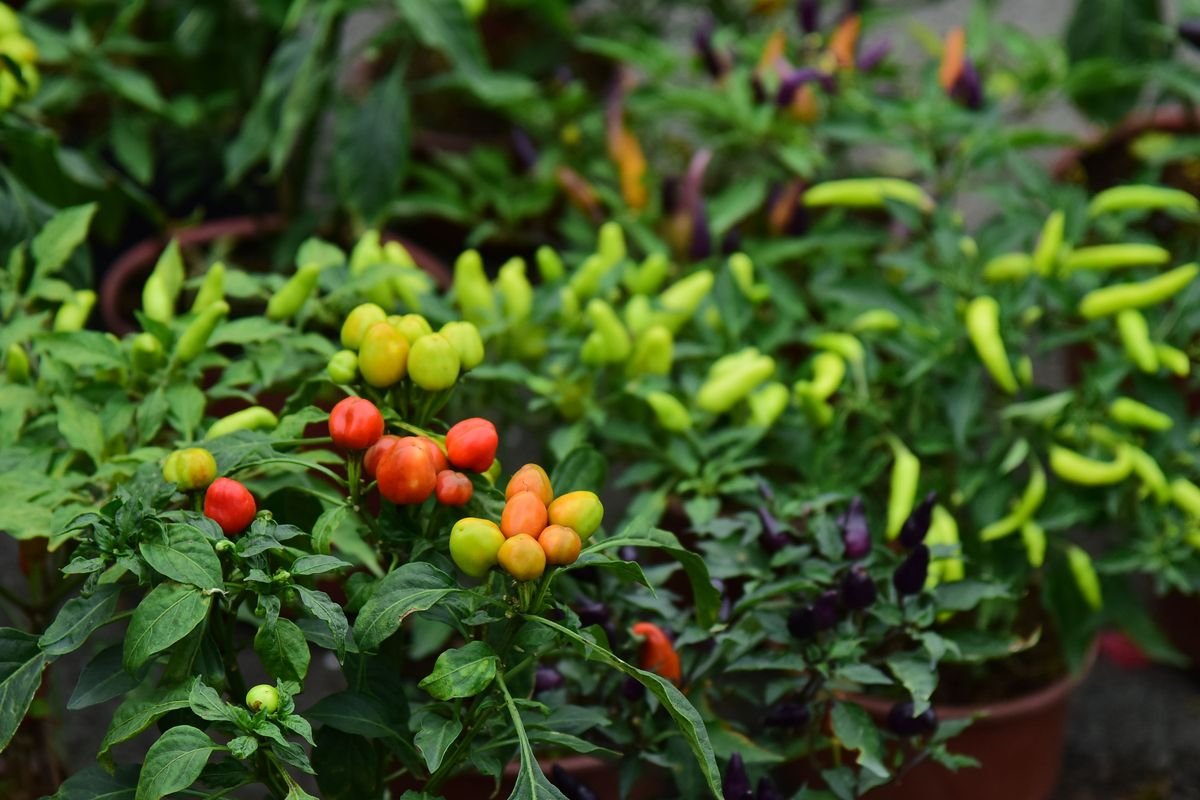
Nothing elevates a home cooked meal quite like fresh, homegrown spicy crops. Whether you love fiery habaneros, smoky jalapenos, or zesty cayenne peppers, cultivating these flavorful plants brings immense satisfaction to any gardener.
However, spicy crops can be surprisingly sensitive when extreme weather strikes. Freezing frost and blazing heat waves can ruin your harvest overnight if you are unprepared. With the right protective strategies, you can defend your peppers and harvest vibrant, spicy produce throughout the season.
Why Weather Extremes Threaten Spicy Plants
Most spicy crops originated in warm, tropical, and subtropical regions. Because of their evolutionary background, they thrive best within a moderate temperature window, usually between 70 and 85 degrees Fahrenheit.
When temperatures stray too far above or below this sweet spot, the biological functions of the plant begin to stall. Sudden cold snaps or prolonged scorching heat create intense environmental stress that drains the plant of energy and halts growth entirely.
How Freezing Temperatures Cause Cellular Frost Damage
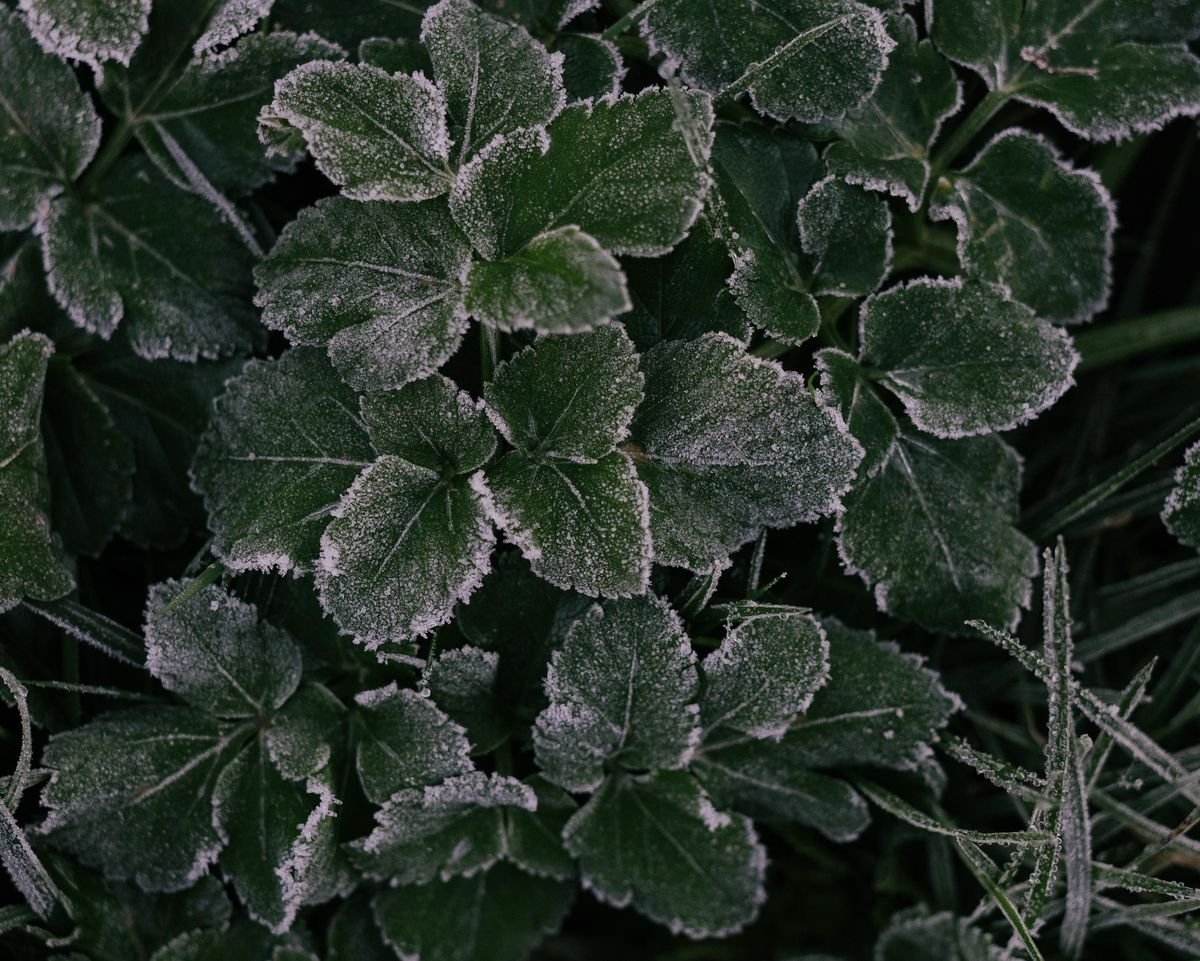
When a cold snap arrives, the water stored within the plant tissues begins to freeze.
As liquid water transitions into ice crystals, it expands dramatically. These sharp microscopic ice crystals pierce through the delicate cell walls inside the foliage and stems.
Once the morning sun warms the plant and melts the ice, the punctured cells collapse. The structural integrity of the foliage is lost, leaving your once vibrant spicy crops looking like dark, soggy mush.
Dehydration and Growth Stunting from Cold
Frost causes a secondary issue that many gardeners overlook, which is rapid dehydration. When moisture on the surface of the plant freezes, it pulls internal water outward through osmotic pressure.
Even if a mild frost does not destroy your spicy crops outright, the shock disrupts photosynthesis. Cold root zones also struggle to absorb nutrients, which can delay flowering and severely stunt your harvest for weeks.
Why Intense Heat Stresses Spicy Crops
While spicy plants love sunshine, excessive heat can quickly become just as dangerous as freezing cold. When ambient temperatures climb into the nineties and beyond, plants enter survival mode.
In extreme heat, the rate of transpiration skyrockets. The plant expels moisture through tiny leaf pores called stomata in an effort to cool itself down, leading to rapid water loss that the root system cannot match.
Heat Induced Moisture Loss and Photosynthesis Collapse
Intense thermal stress alters the internal chemistry of your spicy crops. High temperatures can denature critical plant proteins and enzymes that regulate development.
Furthermore, extreme heat damages the chloroplasts responsible for converting sunlight into energy. To prevent total desiccation, the plant closes its stomata, which stops carbon dioxide intake and brings photosynthesis to a grinding halt.
Visible Signs of Frost Damage on Peppers
Identifying cold injury early allows you to take swift action before secondary diseases set in.
Leaves damaged by frost will typically turn a dark, translucent green before shifting to deep brown or black. The affected foliage will hang limply from the stems and feel completely soft to the touch.
Young blossom buds and developing pods will often turn pale, shrivel, and fall to the ground after a single cold night.
Warning Signs of Severe Heat Stress
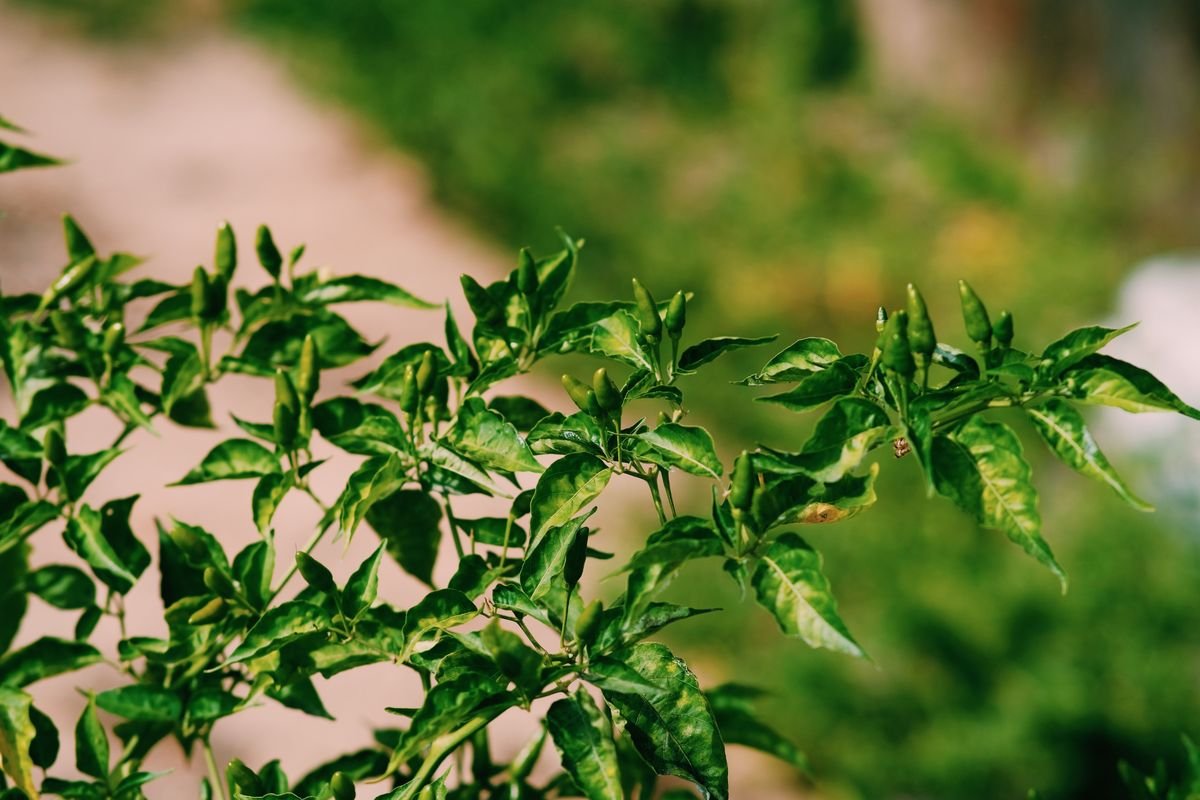
Heat stress manifests in distinct visual cues that warn you your plants are suffering.
You may notice crispy, scorched leaf margins that appear yellow, pale bronze, or paper thin. Sunscald is another frequent symptom, causing bleached, leathery white patches on the surface of exposed pepper fruits.
During extreme heat spells, spicy crops often drop their flowers entirely. This blossom drop occurs because the plant aborts reproduction to conserve precious moisture.
Protecting Your Spicy Crops from Cold and Frost
Preventing frost damage requires a proactive approach when autumn arrives or during unpredictable spring planting windows.
Always monitor your local weather forecast for overnight temperature drops below 45 degrees Fahrenheit. Spicy crops begin showing stress well before freezing temperatures hit, so early preparation is key to keeping them productive.
Using Physical Covers and Thermal Blankets
Floating row covers, specialized frost cloth, or breathable burlap provide an excellent defense against sudden chills. Drape the fabric loosely over your plants before sunset to capture the heat radiating from the soil.
Ensure that the edges of your cover reach all the way down to the dirt. Secure the perimeter with stones or garden stakes to prevent cold drafts from slipping underneath.
For container-grown spicy crops, the easiest solution is simply moving the pots close to a warm exterior wall or bringing them indoors overnight.
Shielding Your Spicy Crops During Heatwaves
When midsummer temperatures soar, creating artificial shade can save your crops from catastrophic sunburn and stress.
Install a 30 to 50 percent shade cloth suspended above your pepper beds. This specialized fabric blocks harsh ultraviolet rays while still allowing sufficient ambient light for photosynthesis.
If you do not have shade cloth on hand, placing temporary garden umbrellas or light cotton sheets over the southwest side of your garden can provide quick relief during peak afternoon hours.
Smart Watering and Mulching for Temperature Control
Proper moisture management is your greatest tool against both temperature extremes.
Before an expected light frost, water your soil thoroughly during the afternoon. Wet soil retains and radiates significantly more heat overnight than dry soil, creating a warmer microclimate around the base of the plant.
During heatwaves, shift your watering schedule to the early morning hours. Deep, slow drip irrigation ensures that water penetrates directly to the root zone before midday evaporation can steal it away.
Apply a 2 to 3 inch layer of organic mulch, such as clean straw, shredded bark, or composted leaves. Mulch acts as an insulating blanket, cooling the soil in summer and preserving warmth during early autumn chills.
Final Advice for Growing Thriving Spicy Crops
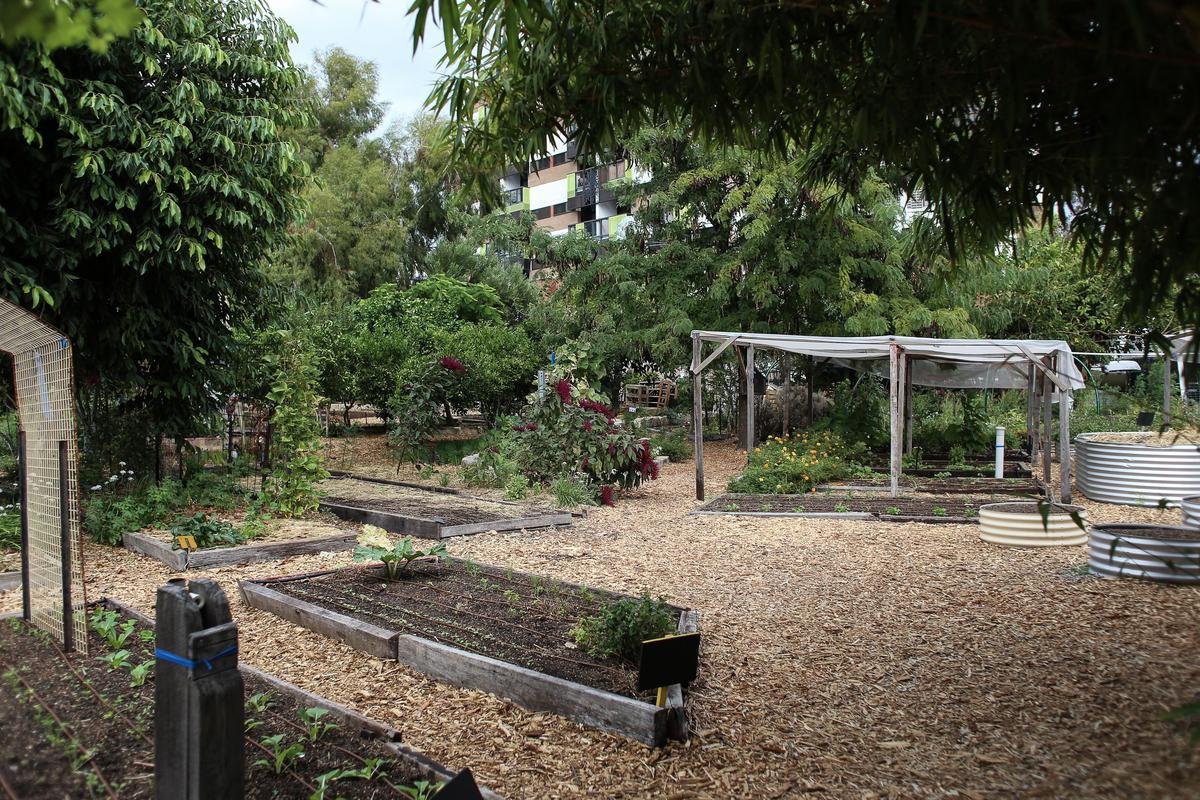
Gardening always involves working hand in hand with unpredictable weather patterns. By understanding how temperature swings affect your spicy plants, you can easily take the right protective steps before damage occurs.
Keep your frost cloths and shade mesh ready throughout the growing season. With consistent moisture, protective covers, and vigilant care, your spicy crops will continue to reward you with spicy, delicious harvests year after year.
How Vulnerable Are Your Spicy Crops to Weather Stress?
Answer 4 quick questions to see your result