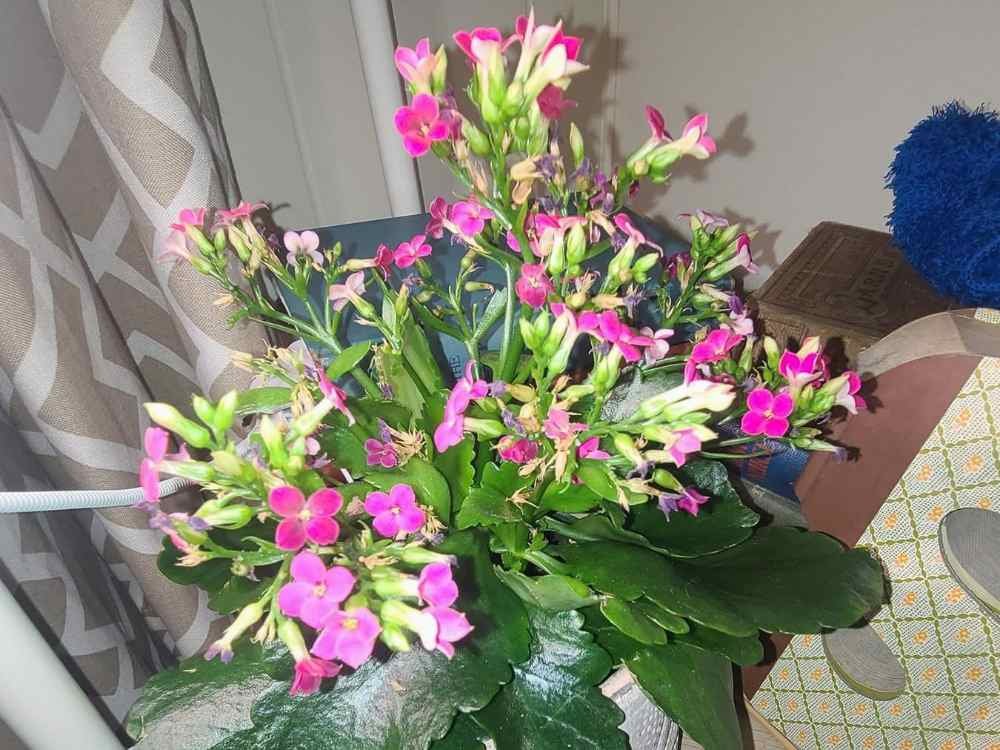
Kalanchoe plants are cherished around the world for their thick succulent leaves and clusters of bright, long lasting blossoms.
They have earned a reputation for being remarkably resilient and low maintenance, which makes them a popular choice for both beginners and experienced plant owners.
Even with their hardy nature, it can be distressing to watch vibrant blossoms turn brown, drop off, or wilt before their time.
When blooms fade prematurely, your plant is usually reacting to a specific environmental stress. Understanding these signs will help you pinpoint the issue quickly and restore your plant to full vitality.
Natural Blooming Cycle
Before you assume something is wrong, consider that every flower has a natural lifespan. Kalanchoe blossoms typically remain vibrant for several weeks to two months under ideal indoor conditions.
Once individual flower clusters reach the end of their lifecycle, they naturally fade, dry out, and shrivel. If the rest of the plant looks firm and green, your kalanchoe may simply be wrapping up its seasonal flowering cycle.
Individual blossoms in a cluster do not all open at the same moment. As older flowers on the lower part of the stalk begin to brown, newer buds higher up may still be waiting to open. In this situation, the fading is simply biology running its natural course.
Signs of Overwatering
Overwatering is by far the most frequent reason kalanchoe flowers wilt and drop prematurely. Because kalanchoes are succulents, their fleshy leaves and thick stems are built to store water for long periods.
When you give the plant more moisture than its root system can process, the roots suffocate and begin to decay. Without healthy roots, the plant can no longer transport moisture or nutrients to the upper stems, which leads to sudden blossom wilting.
- Soft, mushy stems near the soil line.
- Leaves that look translucent, pale yellow, or bloated.
- Buds that turn brown and drop off before opening.
- A persistent damp smell coming from the potting mix.
If you see these warning signs, you must act quickly to dry out the root zone before root rot destroys the entire plant.
How to Water Kalanchoe Correctly
To keep your blooms healthy, adopt the classic soak and dry watering routine. This method closely mimics the natural precipitation cycles of the arid regions where kalanchoes originate.
Always check the moisture level before reaching for your watering can. Push your finger two inches deep into the soil. If you feel any dampness, wait several more days before testing again.
When the top two to three inches feel completely dry, apply water thoroughly until it drains out through the bottom drainage holes. Always empty the catch tray beneath the pot after ten minutes so the roots never sit in standing water.
During warmer months, watering once every two weeks is often sufficient. In cooler winter months, the plant slows its growth and may need water only once every three or four weeks.
Signs of Underwatering
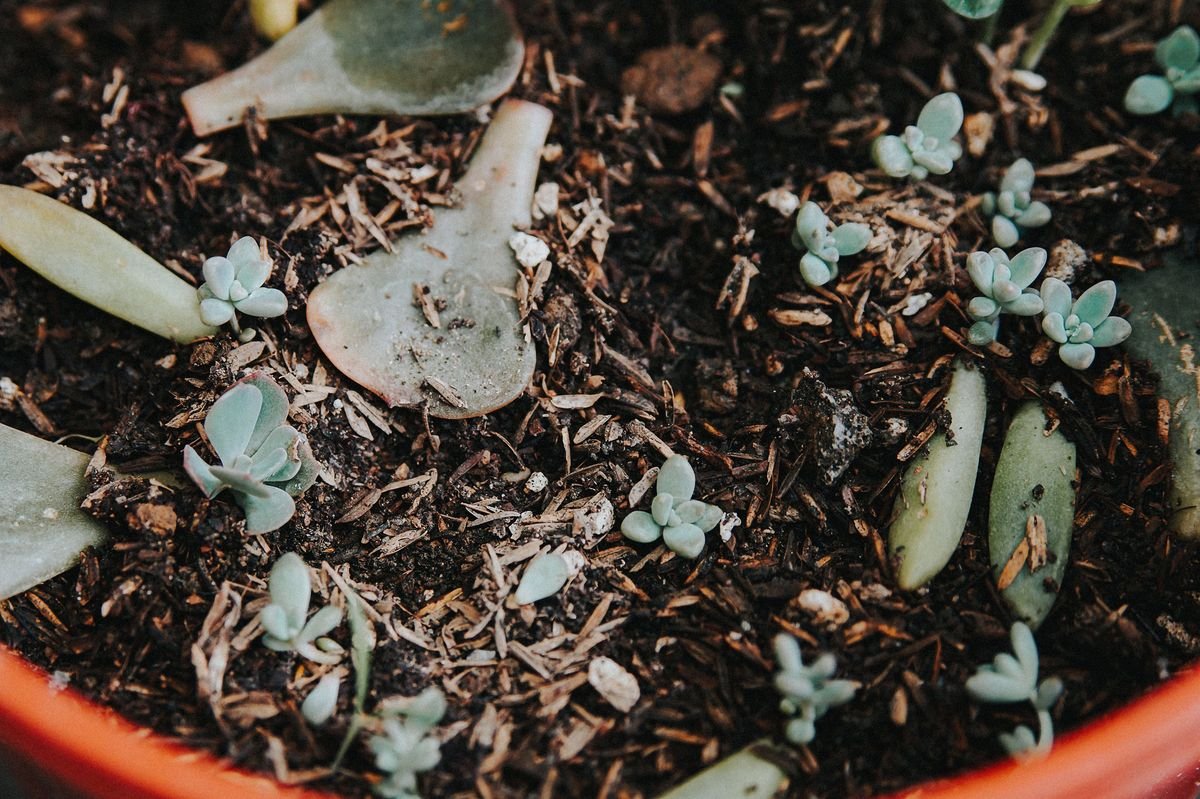
While overwatering is common, extreme underwatering will also cause flowers to fail. When soil remains bone dry for too long, the plant protects its main body by shedding its most moisture-expensive parts, which are the flowers.
Underwatered kalanchoe blossoms will feel crisp, dry, and papery to the touch. They usually turn brown and crumble easily when handled.
The foliage will also show clear distress signals. Look for dull, wrinkled leaves that have lost their plumpness and feel limp. Fortunately, a thorough watering usually revives an underwatered plant within a day or two if the roots are still sound.
Proper Soil and Drainage
The potting mix you choose plays a huge role in how well your kalanchoe holds onto its blossoms. Heavy, dense soils that hold excess water will drown the roots and ruin flower clusters.
Always pot kalanchoes in a lightweight, well draining succulent or cactus mix. These blends contain coarse sand, perlite, and pumice to allow water to pass through freely while providing ample aeration to the roots.
Make sure your container has at least one functional drainage hole. Unglazed terracotta pots are an excellent option because their porous walls allow moisture to evaporate from the sides of the root ball.
Sunlight Issues and Low Light
Kalanchoes are sun loving succulents that demand plenty of light to support their energetic blooms. When kept in dark hallways or dim corners, the plant cannot generate enough energy to sustain its blossoms.
In low light conditions, flower buds will often fail to open, and existing blossoms will wither early. The stems will also begin to stretch and lean toward the nearest light source, a condition known as etiolation.
These stretched stems become weak, pale, and floppy. Eventually, the heavy flower clusters cause the elongated stems to bend and break under their own weight.
Best Light Conditions
Place your kalanchoe in a spot that receives abundant bright, indirect sunlight throughout the day. An east facing or west facing windowsill provides an ideal balance of morning or late afternoon light.
A south facing window can also work well, provided the light is softened by a sheer curtain during the most intense afternoon hours. Harsh, unshielded midday sun can scorch both the delicate flower petals and the succulent foliage.
If natural light is scarce in your home, especially during the short days of winter, supplement with a standard full spectrum LED grow light positioned six to twelve inches above the plant.
Temperature Stress and Cold Drafts
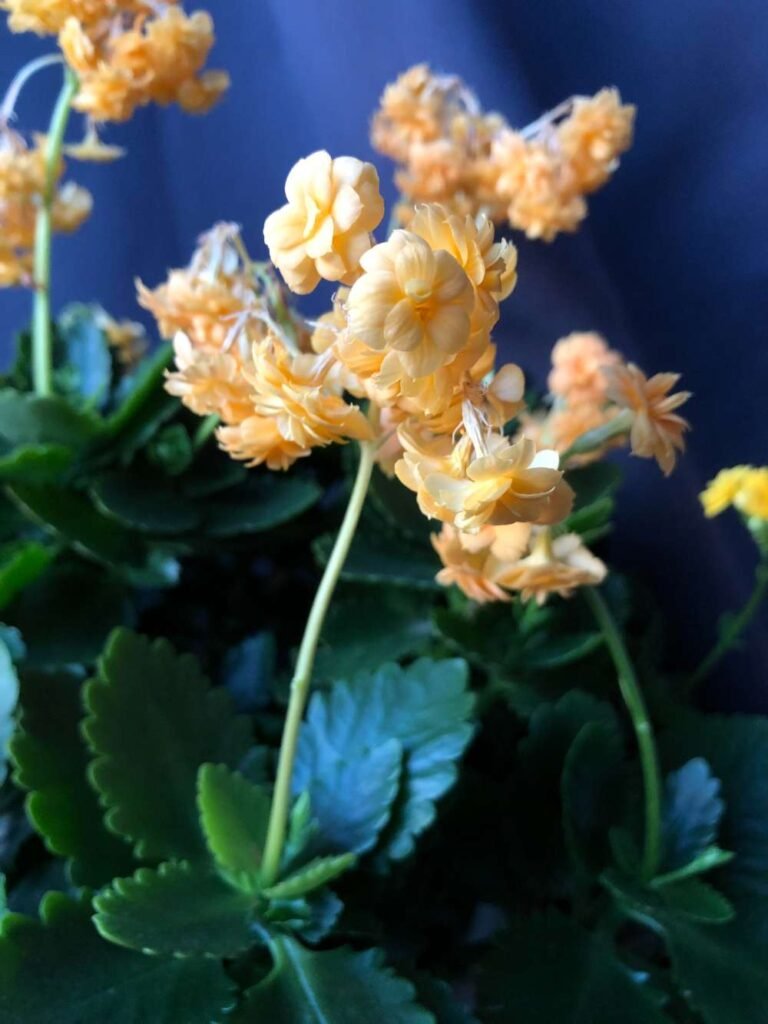
Kalanchoes are sensitive tropical succulents that thrive in warm environments. They prefer daytime temperatures between 65 and 80 degrees Fahrenheit and night temperatures above 55 degrees.
Exposing your plant to cold drafts is a quick way to cause flower drop. Common culprits include drafty windowpanes during winter, exterior doors that open frequently, and unheated sunrooms.
Keep your plant far away from air conditioning vents and cold drafts. A sudden drop in ambient temperature shocks the vascular system, causing buds to blast and open flowers to wilt almost overnight.
Nutrient Deficiencies and Fertilizer Mistakes
Feeding mistakes can also lead to premature flower death. While kalanchoes are light feeders, they do benefit from occasional nutrients to sustain their heavy blooms.
Applying too much concentrated fertilizer, especially high nitrogen formulas, can burn tender root tips. Damaged roots cannot support blooms, leading to rapid flower death and leaf browning.
During the active growing and flowering season in spring and summer, apply a balanced liquid houseplant fertilizer diluted to half strength once a month. Avoid fertilizing during late autumn and winter when growth naturally slows down.
Common Pests That Attack Blooms
Tiny sap sucking insects often target the tender flower buds and soft stems of blooming kalanchoes. Their feeding activity drains vital fluids, causing distorted, dying blossoms.
- Aphids: Small green or black bugs that gather in dense clusters on flower stems, leaving behind sticky honeydew.
- Mealybugs: White, cotton-like pests that nestle in leaf joints and under flower petals.
- Spider Mites: Microscopic pests that create fine webbing across flower clusters and cause speckled, yellowing foliage.
Wipe away visible pests using a cotton swab dipped in rubbing alcohol. For larger infestations, treat the foliage with insecticidal soap or neem oil, taking care to keep the spray away from open petals to prevent cosmetic staining.
How to Deadhead and Encourage Reblooming
Deadheading is the simple practice of removing spent or dying flowers to keep your plant looking tidy and encourage further growth. When you remove old blossoms, the plant redirects its energy into foliage and root health rather than seed production.
Use a clean, sharp pair of scissors or pruners wiped down with rubbing alcohol. Snip the individual dead flower stems back to where they join the main flower stalk.
Once an entire cluster has finished blooming, cut the whole stalk down to its base near the top set of true leaves. This neat trim stimulates fresh foliage growth and prepares the plant for future blooming cycles.
Keeping Your Plant Healthy Long Term
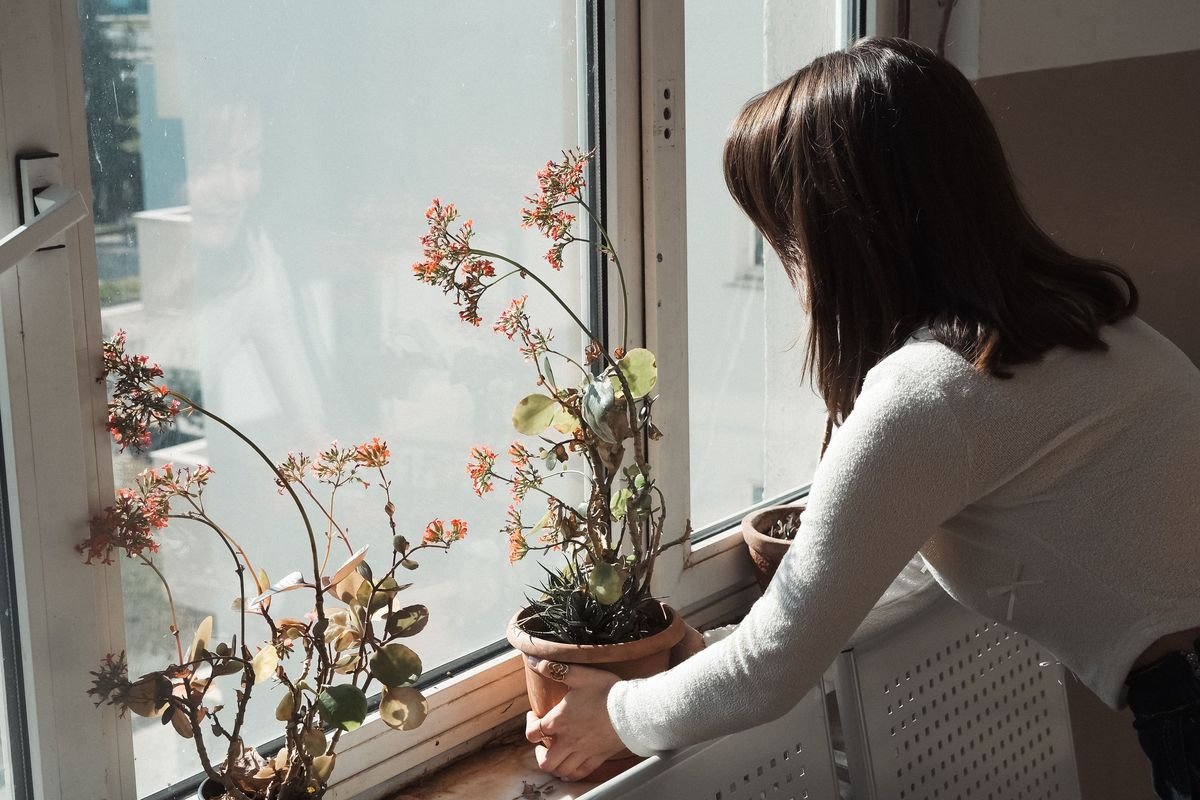
Caring for a kalanchoe after the blooms fade is straightforward once you understand its natural rhythm. With basic care, this resilient succulent will continue to produce lush foliage for years and rebloom every winter.
To trigger a new round of flower buds in the autumn, kalanchoes need a period of short days. This requires giving the plant roughly fourteen hours of uninterrupted darkness each night for six weeks starting in October.
During this dark period, place the plant in a closet or cover it with a cardboard box from evening until morning. Once you see new flower buds forming along the tips, return the pot to its bright windowsill and prepare to enjoy another stunning display of colorful flowers.
Why Are Your Kalanchoe Flowers Dying?
Answer 4 quick questions to see your result