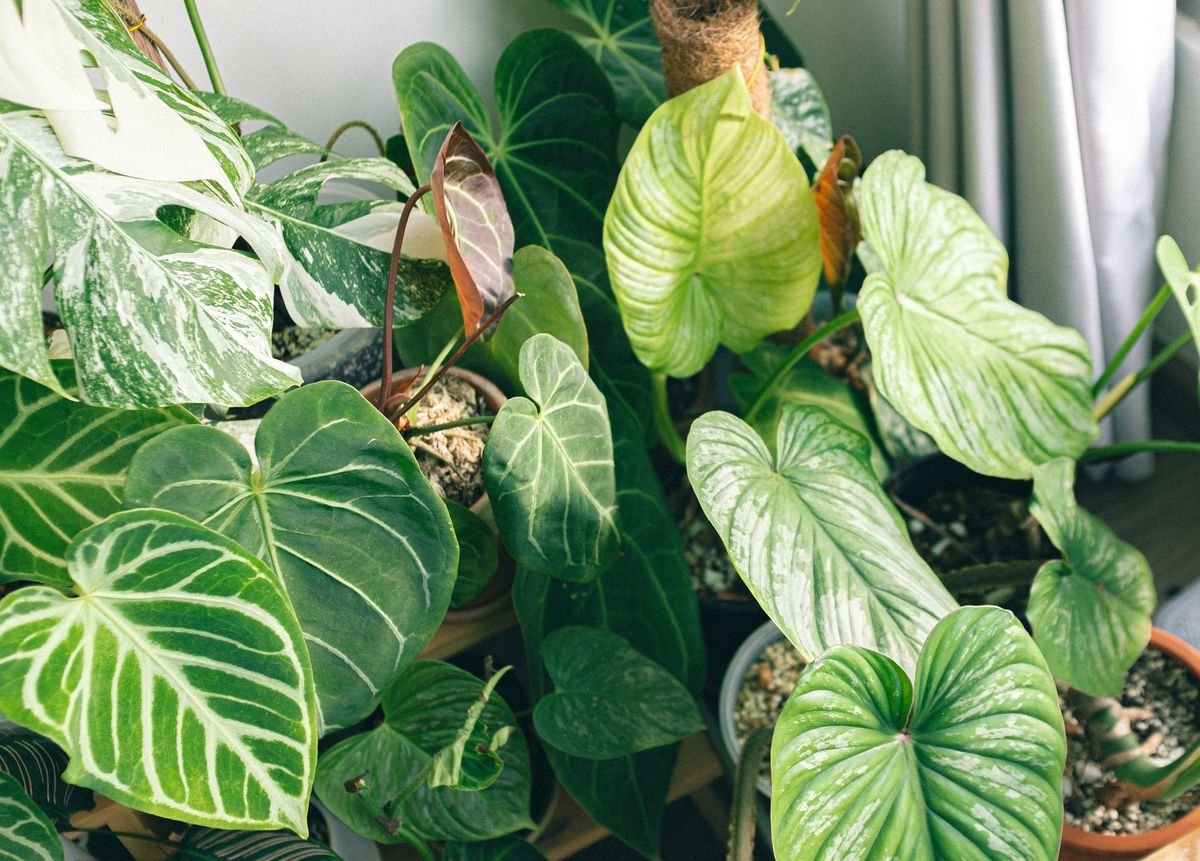
Philodendrons are beloved across the houseplant community for their lush foliage, hardy nature, and easygoing disposition. Whether you care for a climbing Heartleaf philodendron or a broad-leafed self-heading variety, seeing unexpected blemishes appear on their leaves can be alarming.
White spots on philodendron foliage are a frequent issue that many plant owners face at some point in their plant keeping journey.
These pale markings can range from tiny dusty specks to large bleached patches or fuzzy clusters. In most cases, white spots point to an environmental imbalance, a fungal outbreak, mineral deposits, or a pest invasion.
Understanding the exact visual cues and underlying causes will help you take the right corrective action and restore your plant to vibrant health.
Common Causes of White Spots on Philodendron Leaves
When troubleshooting your philodendron, the first step is examining the texture, size, and pattern of the white marks. White spots rarely appear without a distinct pattern, and their physical characteristics will guide your diagnosis.
Environmental stressors like sudden light changes or chemical build-ups often create flat, discolored areas. Biological issues such as fungi or insect pests usually present with distinct textures, including powdery coatings, raised bumps, or sticky residues.
Sunburn and Excessive Light Exposure
Philodendrons are native to tropical rainforests, where they naturally grow beneath dense forest canopies. In this native habitat, they receive dappled, filtered light rather than harsh, direct rays.
When placed on an unshaded south-facing windowsill or outdoors under direct midday sun, the delicate foliage quickly becomes overwhelmed. Ultraviolet radiation and intense heat scorch the leaf surface, leading to permanent discoloration.
How Sunburn Affects Leaf Pigmentation
Sunburn occurs when intense light destroys chlorophyll, the green pigment responsible for photosynthesis. As chlorophyll molecules break down, the affected leaf tissue loses its rich green hue and takes on a bleached, pale white or light tan appearance.
These scorched patches typically appear on the upper surfaces of the topmost leaves that face the light source directly. The damaged spots often feel dry, brittle, or paper-thin to the touch, and they will not revert to green even after moving the plant.
Ways to Protect Philodendrons from Harsh Light
Preventing sunburn requires finding the right balance of bright, indirect illumination. You can protect your plant by making a few simple adjustments to its growing environment:
- Move your philodendron a few feet away from intense southern or western windows.
- Hang sheer curtains across bright windows to diffuse harsh afternoon rays.
- Acclimate plants gradually over several weeks if moving them to a brighter room or outdoor patio.
- Rotate the pot once a month so all sides receive balanced, gentle illumination.
Powdery Mildew and Fungal Infections
Fungal issues are another frequent culprit behind pale markings on indoor foliage. Powdery mildew is a widespread fungal disease that attacks a wide variety of tropical houseplants when environmental conditions turn favorable for fungal spores.
This disease typically thrives in warm environments with high relative humidity and poor air circulation. While philodendrons appreciate humid air, stagnant moisture creates an open invitation for fungal spores to settle and multiply.
Identifying Powdery Mildew
Powdery mildew looks remarkably like a dusting of flour or talcum powder scattered across the tops of the leaves. In the early stages, it presents as small, circular white spots that gradually merge into broad, fuzzy patches.
Unlike physical sunburn, powdery mildew can be wiped off with a damp cloth, though it will quickly return if left untreated. Over time, the fungus leeches nutrients from the foliage, causing leaves to curl, yellow, and drop prematurely.
Natural and Chemical Treatments for Mildew
Treating powdery mildew promptly prevents the infection from spreading to your entire houseplant collection. You can utilize both homemade mixtures and commercial products to clear up the problem.
For a gentle home remedy, combine one teaspoon of baking soda, half a teaspoon of liquid castile soap, and one quart of warm water in a spray bottle. Spray the foliage thoroughly, covering both tops and undersides of leaves.
Alternatively, a dilute solution of one part milk to nine parts water works well when exposed to gentle light, as milk proteins produce natural antiseptic compounds. For stubborn or widespread infections, consider a copper-based commercial fungicide or a sulfur spray formulated for indoor ornamentals.
Downy Mildew and Moisture Issues
While less common indoors than powdery mildew, downy mildew is an organism that thrives in cool, damp environments. Unlike its powdery relative, downy mildew is an oomycete, which behaves somewhat like an alga.
Downy mildew flourishes when foliage stays wet for long periods, especially during cool nights. It often begins as pale, angular white or yellow lesions on the upper surface of the leaf, accompanied by a purplish or grayish downy fuzz on the underside.
Environmental Controls to Prevent Downy Mildew
Controlling moisture and optimizing airflow is the most dependable method for managing downy mildew. Applying basic cultural controls keeps your plant resilient:
- Always water the soil directly at the base of the pot rather than splashing water onto the leaves.
- Water your philodendron early in the morning so any accidental surface wetness evaporates before nightfall.
- Space your houseplants apart so their leaves do not touch, allowing air to circulate freely between pots.
- Use a small oscillating fan on a low setting in crowded plant rooms to keep air moving.
Common Insect Pests Causing White Spots
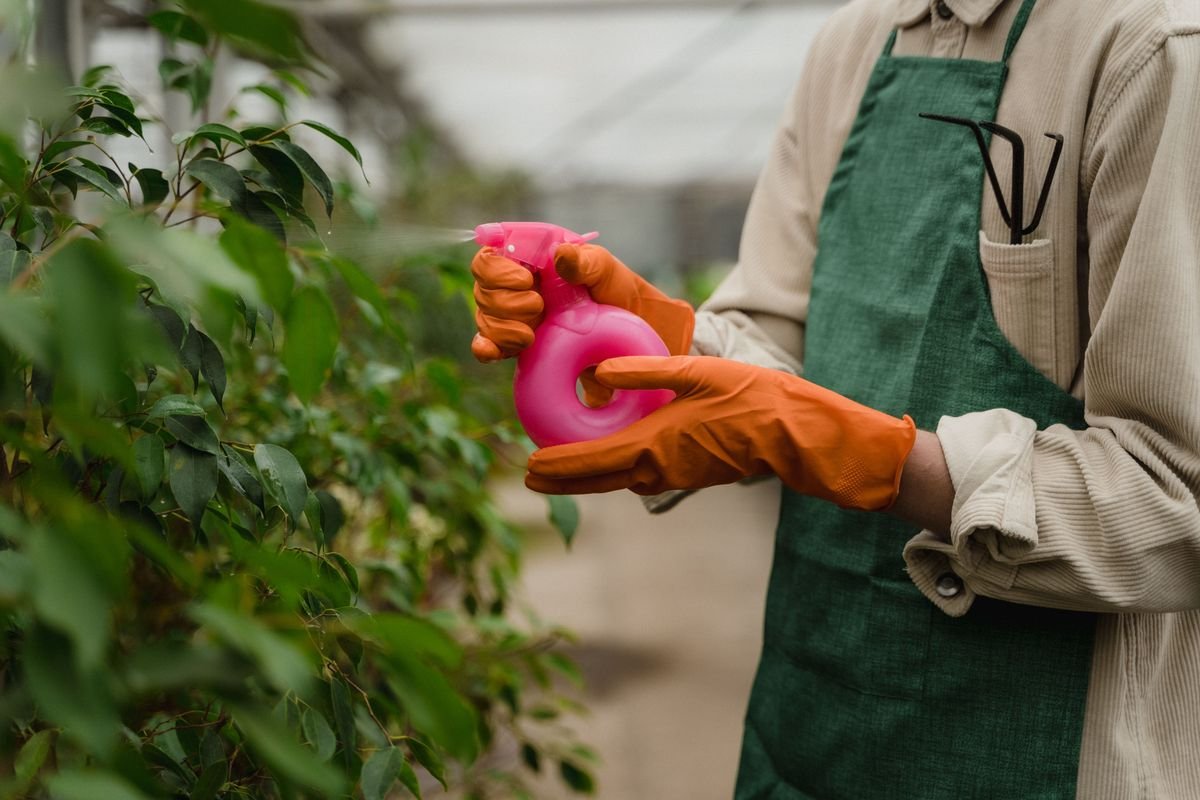
Indoor pests are notorious for leaving behind white spots, flecks, and residue. Because indoor environments lack natural predators, small pest populations can multiply into heavy infestations within a few short weeks.
Piercing and sucking insects feed on the sap of philodendrons, draining vital fluids and damaging cell walls. This feeding activity manifests as stippling, discoloration, and visible pest colonies.
Spotting Mealybugs and Spider Mites
Mealybugs are among the most recognizable pests on philodendrons. These insects appear as tiny, cotton-like white clusters tucked into leaf axils, along leaf veins, and under the foliage. They secrete a waxy protective coating that makes them look like small bits of white fuzz.
Spider mites, on the other hand, are microscopic arachnids. When they feed on the underside of leaves, they create thousands of microscopic puncture wounds, resulting in a fine, pale stippling effect on the leaf surface. You may also spot delicate, silken webbing stretched between stems and leaf joints.
Effective Pest Elimination Techniques
Eradicating pests requires a persistent and structured approach. Follow these proven steps to eliminate an infestation:
- Isolate the infested philodendron immediately to stop pests from migrating to neighboring plants.
- Take the plant to the sink or shower and rinse the foliage with a steady stream of lukewarm water to dislodge adult bugs.
- Dip a cotton swab in 70 percent isopropyl alcohol and dab it directly onto visible mealybugs to dissolve their protective wax.
- Spray the entire plant thoroughly with an organic horticultural oil or cold-pressed neem oil mixture every five to seven days for three consecutive weeks.
- Apply insecticidal soap to catch newly hatched nymphs and break the reproductive cycle.
Hard Water Mineral Deposits
Not all white marks are caused by diseases or pests. In many cases, white spots are simply harmless mineral residues left behind by hard tap water.
Tap water often contains high levels of dissolved minerals, such as calcium and magnesium carbonate. When you mist your plants or splash water on the foliage during watering, the water droplets eventually evaporate into the air.
As the moisture dissipates, the dissolved minerals stay behind on the glossy leaf surface, forming chalky white circles or a hazy film. While these spots look unsightly, they do not harm the plant tissue directly.
You can remove mineral buildup by gently wiping the leaves with a soft microfiber cloth dipped in a mixture of distilled water and a drop of lemon juice. To prevent new marks, switch to distilled water, rainwater, or filtered water for misting.
Nutrient Deficiencies and Soil Health
Potted houseplants rely entirely on the nutrients available in their potting mix. Over time, frequent watering flushes essential minerals out of the container, leaving the soil depleted.
A deficiency in micronutrients, particularly calcium or magnesium, can cause chlorosis that resembles white or pale yellow patches between the leaf veins. When magnesium is lacking, older leaves display pale, bleached areas while the veins stay relatively green.
To correct nutritional imbalances, feed your philodendron with a balanced, water-soluble houseplant fertilizer containing secondary micronutrients during the active spring and summer growing season. Always dilute the fertilizer to half strength to avoid mineral burn on sensitive roots.
Best Practices for Long Term Philodendron Care
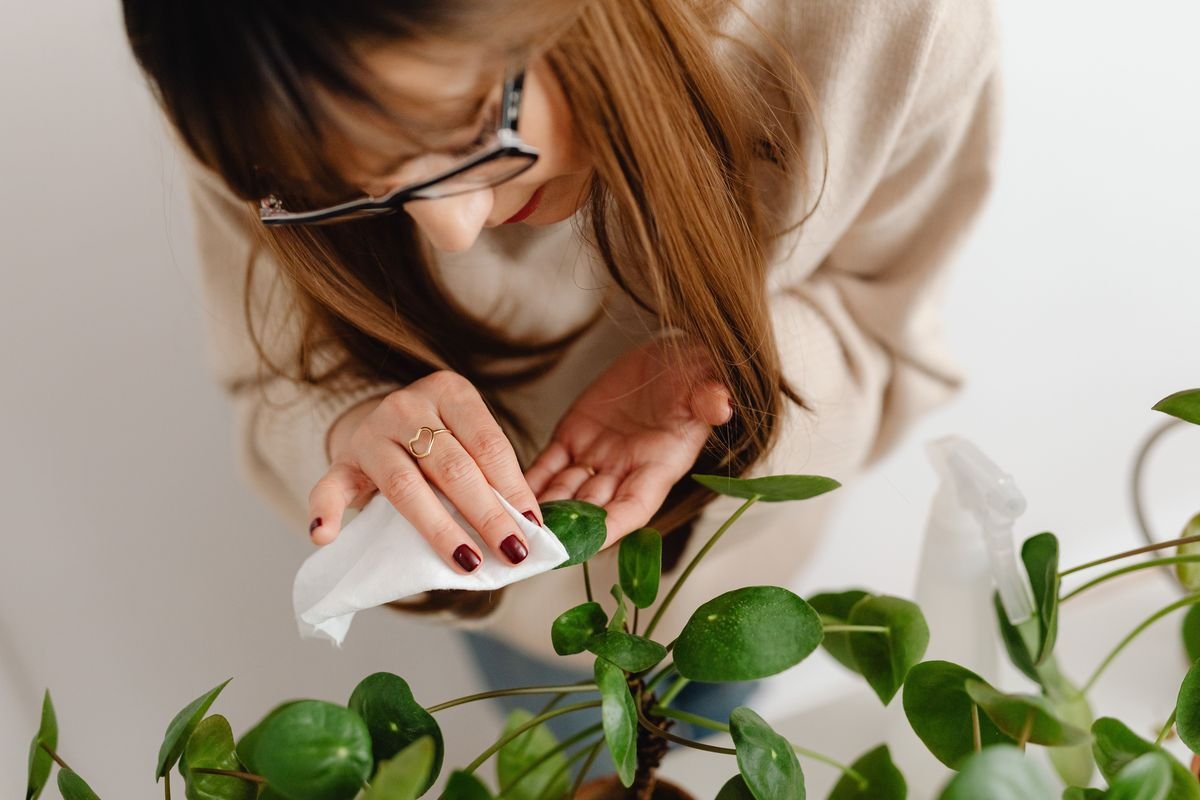
Maintaining healthy philodendrons involves establishing consistent routines that support natural plant defenses. When plants receive the right baseline care, they resist pests and fungal infections much more effectively.
Always inspect newly purchased houseplants thoroughly and keep them in a separate room for two weeks before introducing them to your main collection. This quarantine period ensures any hidden pests or latent spores can be treated before they spread.
Regularly wipe down your philodendron foliage with a soft, damp cloth to remove accumulated household dust. Clean leaves absorb light more efficiently, breathe better, and give you a close view of any emerging health concerns before they turn severe.
Philodendron White Spot Diagnostic Assessment
Answer 5 quick questions to see your result