
Philodendrons are beloved houseplants because they are easy to please and grow quickly under the right conditions. However, noticing a sudden drop of healthy or yellowing leaves can cause immediate panic for any indoor gardener.
The good news is that philodendrons are incredibly resilient. In almost all cases, your plant can and will produce fresh foliage once you address the underlying stress that caused the leaves to shed in the first place.
How Philodendrons Regrow Lost Foliage
A dropped leaf will not reattach or grow directly back from the exact scar on the stem. Instead, philodendrons grow new leaves from growth points called nodes along their vines or central stalks.
Every node contains dormant buds that can activate when stimulated by pruning or improved growing conditions. Vining types like the Heartleaf Philodendron will push out brand new lateral branches from these bare nodes.
Self-heading varieties like the Prince of Orange or Birkin develop new leaves from the central crown. As long as the stem tissue and root system remain healthy, your plant has all the tools it needs to regenerate.
Overwatering and Root Damage
Excess moisture is the most common reason indoor philodendrons shed their foliage. When the potting soil stays soggy for too long, oxygen cannot reach the root zone.
Without oxygen, beneficial roots begin to drown and rot. As the roots decay, they lose the ability to transport water and nutrients upward, which forces the plant to drop its lower leaves.
Signs of overwatering include:
- Leaves turning pale yellow before falling off
- Soil that feels wet or smells sour weeks after watering
- Blackened, mushy stems near the soil line
Always let the top two inches of potting mix dry out completely before giving your philodendron another drink. Ensure your pot has working drainage holes so extra water escapes freely.
Underwatering and Severe Dehydration
On the opposite end of the spectrum, prolonged dehydration will also trigger rapid leaf loss. When the plant runs out of stored moisture, it intentionally sheds leaves to conserve water.
Underwatered leaves typically turn dry, crispy, and dull brown before dropping. The entire plant may look limp or droopy, and the soil might pull away from the edges of the pot.
If the soil has become hydrophobic and repels water, try bottom watering. Set the nursery pot in a basin of lukewarm water for twenty minutes until the root ball feels evenly moist and heavy again.
Inadequate or Harsh Light
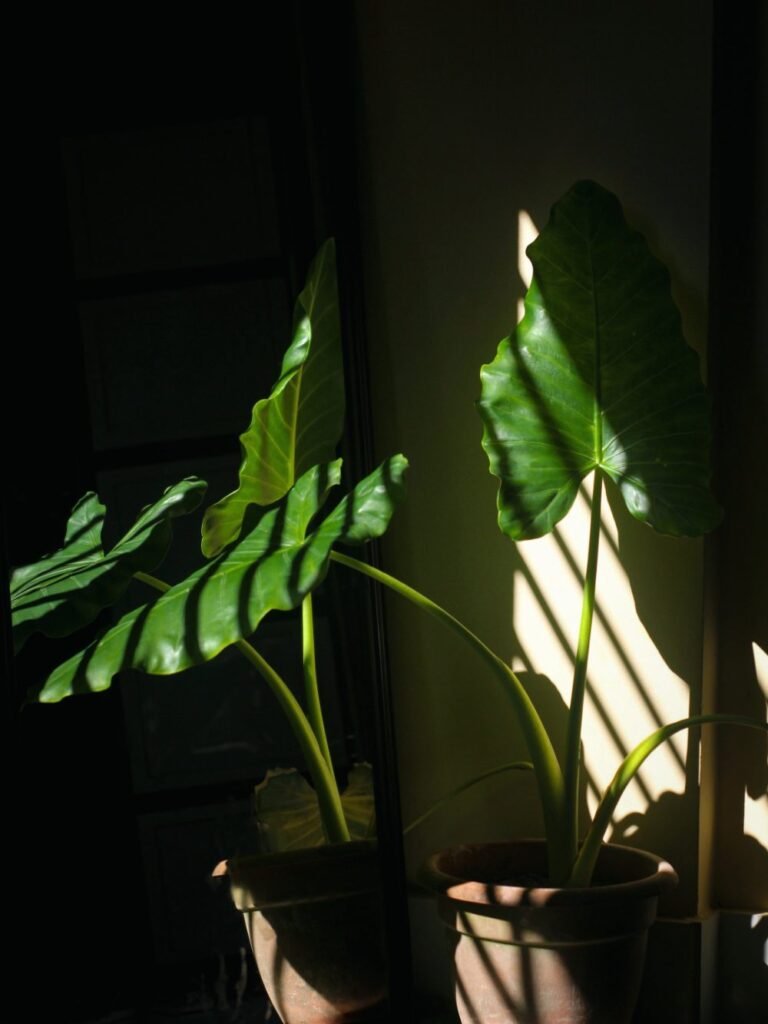
Philodendrons thrive best in medium to bright indirect sunlight. While they can tolerate lower light levels for short periods, extended darkness will cause them to drop leaves to balance their energy needs.
Without enough light, the plant cannot fuel photosynthesis. It will shed older foliage and stretch out, creating long, bare stems with tiny leaves spaced far apart.
Conversely, direct intense sunlight can scorch the delicate foliage. Sunburned leaves develop bleached or crispy brown patches and will eventually fall off. Place your plant a few feet away from south or west-facing windows, or filter the light with a sheer curtain.
Temperature Swings and Cold Drafts
Native to tropical rainforests, philodendrons prefer warm room temperatures between 65°F and 80°F (18°C to 27°C). They are sensitive to rapid temperature shifts and sudden chills.
Exposing your plant to temperatures below 55°F (13°C) can shock the cellular structure of the leaves. This shock often causes whole stems to droop and drop their foliage within a few days.
Keep your philodendron safe by avoiding these drafty locations:
- Direct airflow paths from air conditioning vents
- Drafty exterior doors and unsealed window frames during winter
- Radiators and hot forced-air heating registers
Dry Air and Low Humidity
Most homes have average indoor humidity levels around thirty to forty percent, especially during the winter when heaters run continuously. Philodendrons naturally flourish in environments with fifty to sixty percent humidity.
When the air is overly dry, moisture evaporates rapidly from the leaf surface. This moisture deficit leads to crispy leaf margins, failed leaf unfurling, and premature leaf drop.
To boost surrounding humidity, place your plant near other houseplants to create a microclimate. You can also run a small cool-mist room humidifier nearby or set the pot on a shallow pebble tray filled with water.
Common Pest Infestations
Sap-sucking pests are another frequent cause of unexplained leaf loss. Tiny invaders pierce the plant tissue and drink the nutrient-rich sap, weakening the foliage until it falls.
Inspect the undersides of leaves and leaf axils regularly for these culprits:
- Spider mites, which leave fine webbing and dusty speckling on leaves
- Mealybugs, which look like small bits of white cotton in stem crevices
- Scale insects, appearing as small, immobile brown bumps along stems
- Thrips, which cause silvery patches and dark waste dots
Wipe down infested foliage with a gentle insecticidal soap or neem oil solution. For stubborn mealybugs, dab them directly using a cotton swab dipped in rubbing alcohol.
Nutrient Deficiencies and Fertilizer Issues
A lack of vital nutrients like nitrogen can cause older leaves to lose their vibrant green color and drop. However, over-fertilizing is often far more dangerous for indoor plants.
Excessive synthetic fertilizer causes mineral salts to accumulate in the potting soil. These salts burn delicate root tips, preventing water uptake and leading to brown, scorched leaf edges that shed easily.
Feed your philodendron only during the active growing months of spring and summer. Use a balanced, water-soluble houseplant fertilizer diluted to half strength once a month, and flush the soil with clean water occasionally to rinse away salt buildup.
Natural Aging Versus Serious Problems
Not all leaf loss indicates a disease or care mistake. As a philodendron matures, it naturally sheds its oldest, lowest leaves to redirect energy into fresh top growth.
Natural aging happens gradually. You will see one single bottom leaf turn yellow and drop every few weeks or months while the rest of the plant continues to produce healthy new growth.
If you notice multiple leaves dropping at once from various sections of the plant, that is a clear signal that something in the environment needs your attention.
How to Prune Bare Philodendron Vines
When a vining philodendron loses leaves along the middle of a stem, it leaves behind a leggy, unattractive vine. Pruning is the most effective way to stimulate bushy new growth.
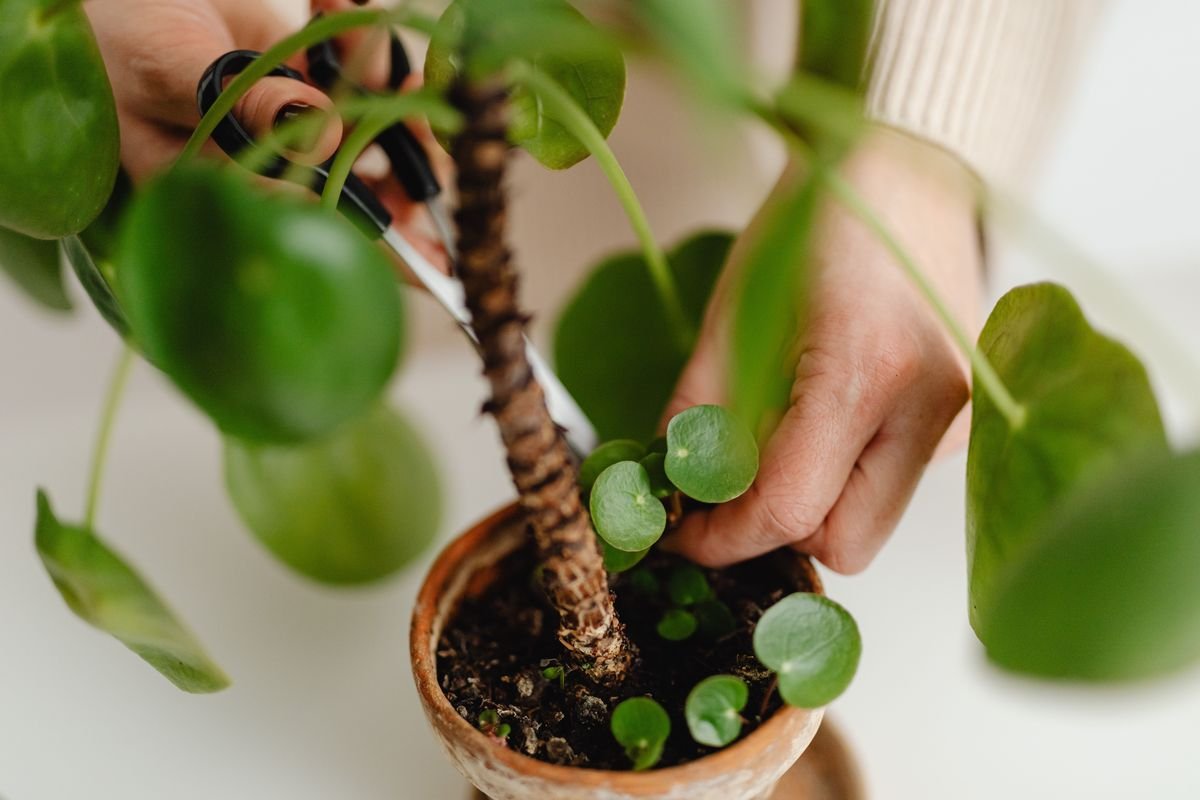
Use clean, sterilized pruning shears to cut the bare vine back to about an inch above a healthy node. Cutting the stem removes apical dominance, which signals the plant to activate the dormant nodes lower down.
Within two to three weeks of pruning, you will see tiny green bumps forming at the remaining nodes. These bumps will quickly unfurl into full, healthy leaves.
Best Routine to Encourage New Growth
Once you have corrected the root cause of leaf drop, establishing a consistent care routine will speed up recovery. Plants thrive on stability and predictable care.
Provide consistent warmth, bright filtered light, and moderate humidity. Keep the soil evenly aerated by using a potting mix that contains perlite, orchid bark, and peat moss.
Avoid repotting a stressed plant immediately unless you are treating active root rot. Giving the plant a few weeks to stabilize prevents secondary transplant shock.
Propagating Bare Stems for a Fuller Plant
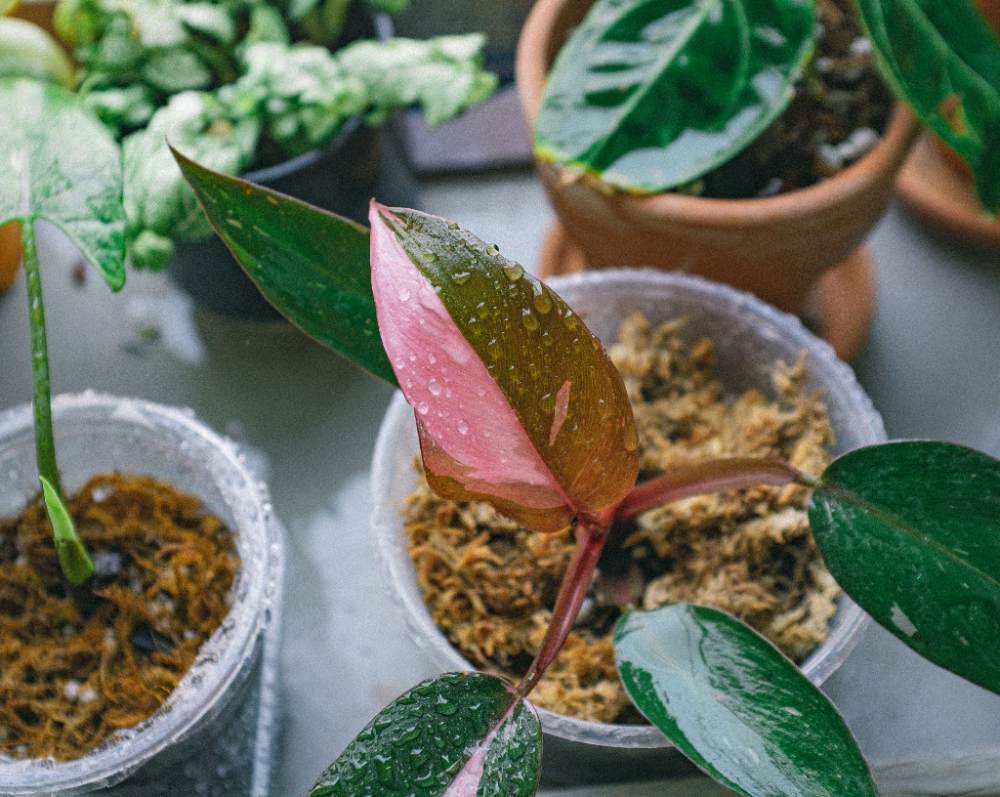
Do not throw away the healthy stem pieces you remove during pruning. You can easily turn those bare cuttings into brand new plants or use them to make the parent pot look fuller.
Ensure each cutting has at least one or two nodes. Place the stem cuttings in a jar of clean water, keeping the nodes submerged while leaving any top leaves in the open air.
Change the water weekly to keep it fresh and oxygenated. Once the cuttings develop roots that are two inches long, plant them directly back into the top of the mother pot to create a lush, dense canopy.
Why Is Your Philodendron Dropping Leaves?
Answer 4 quick questions to see your result