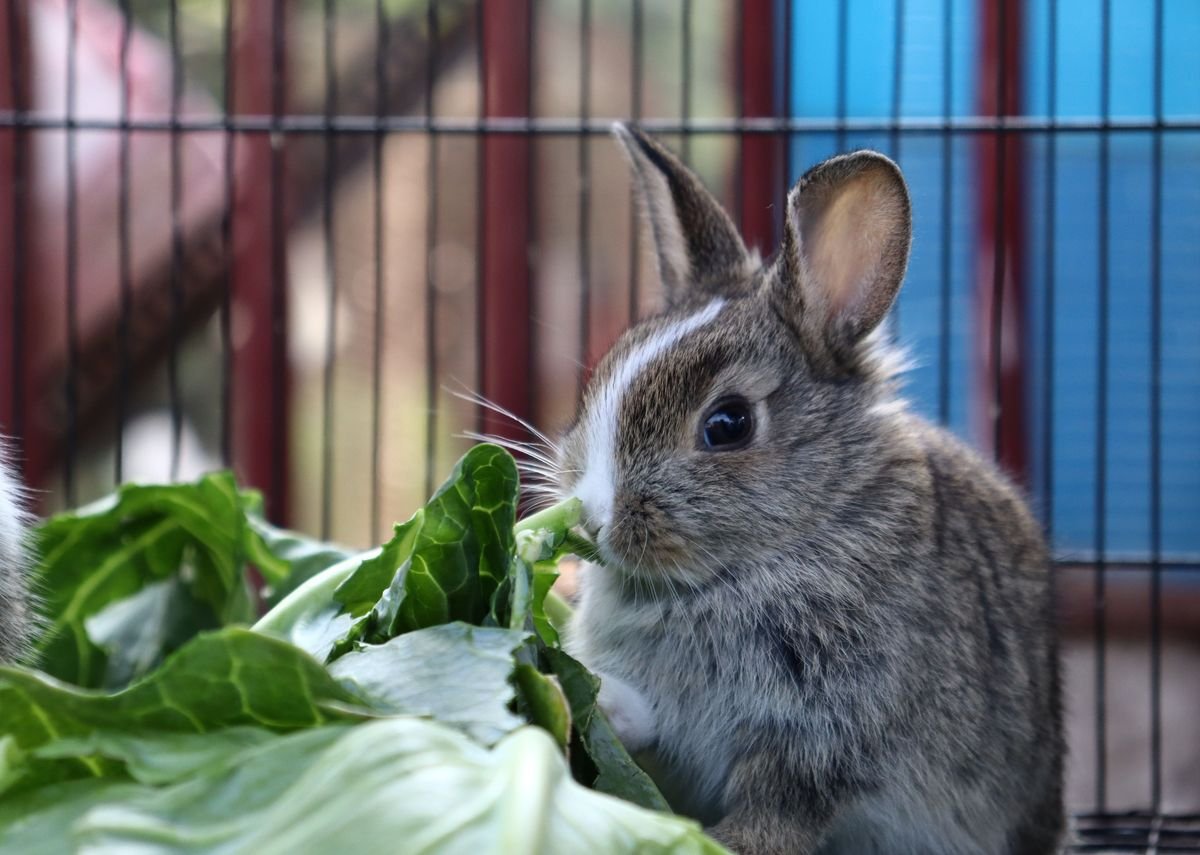
Sharing your living space with a free-roaming pet rabbit brings endless entertainment and affection. Rabbits are inquisitive creatures that explore their surroundings through scent, touch, and above all, continuous chewing.
When you fill your home with vibrant greenery like pothos vines, this natural foraging instinct can quickly lead to trouble. Knowing whether pothos is safe for your bunny is vital for keeping your pet healthy, comfortable, and out of danger.
Are Pothos Plants Safe for Pet Rabbits
The direct answer is no, pet rabbits cannot safely eat pothos plants. Every single part of the pothos vine, including the leaves, stems, aerial roots, and runners, contains chemical compounds that are toxic to rabbits.
While rabbits are natural herbivores that thrive on fresh leafy forage, their delicate digestive systems are not equipped to process poisonous houseplants. In the wild, rabbits learn through maternal guidance and instinct to avoid bitter or harmful foliage.
Inside a home, however, a bored or curious rabbit will often sample anything green and leafy within reach. Even a single exploratory bite of pothos foliage can lead to intense oral discomfort and gastrointestinal distress.
Why Pothos Plants Are Poisonous to Animals
Pothos plants, known botanically as Epipremnum aureum, belong to the Araceae family. Plants in this botanical group protect themselves from herbivores in nature through a unique physical defense mechanism.
When a rabbit bites into a pothos leaf, the plant releases microscopic, needle-sharp structures called calcium oxalate crystals. These microscopic darts are stored inside specialized plant cells called idioblasts.
When chewed, the idioblasts rupture and forcefully shoot these sharp crystals directly into the rabbit’s lips, tongue, gums, throat, and stomach lining.
Understanding Insoluble Calcium Oxalate Crystals
Unlike soluble oxalates that absorb directly into the bloodstream, insoluble calcium oxalates cause direct mechanical trauma. The sensation is often compared to chewing on thousands of tiny shards of glass.
This causes immediate, severe burning and localized swelling within seconds of the first bite. The sharp pain is usually enough to stop most rabbits from devouring an entire plant, but the initial damage to delicate oral tissue happens instantly.
In addition to physical laceration, the plant tissue contains proteolytic enzymes that trigger histamines, causing further swelling, redness, and inflammation along the entire digestive tract.
Common Symptoms of Pothos Poisoning in Rabbits
If your rabbit has nibbled on a pothos vine, you will likely notice physical and behavioral changes very quickly. Because rabbits are prey animals, they instinctively try to hide signs of pain, making careful observation essential.
Watch closely for these common symptoms:
- Excessive drooling or wet fur around the chin and mouth
- Pawing persistently at the mouth or face
- Refusal to eat hay, pellets, or favorite greens
- Lethargy, hunched posture, and reluctance to move
- Loud teeth grinding, which indicates severe pain
- Swollen lips, tongue, or red oral mucous membranes
- Diarrhea, soft stool, or a complete stop in fecal pellet production
If the rabbit consumes a larger amount, severe gastrointestinal stasis or respiratory distress from throat swelling can occur rapidly.
Can a Rabbit Die From Eating Pothos
While fatalities from a minor pothos nibble are rare, eating pothos can indeed be fatal to a rabbit under certain conditions. The primary danger comes from secondary complications rather than the direct toxin itself.
Because the mouth and throat become extremely painful and swollen, the rabbit will often stop eating and drinking entirely. In rabbits, even a brief twelve-hour period without food can trigger gastrointestinal stasis, a life-threatening shutdown of the gut motility.
Additionally, if a rabbit consumes a substantial amount of foliage, systemic absorption of oxalate compounds can overwhelm the kidneys, potentially causing acute renal failure. Severe swelling in the throat can also compromise the rabbit’s narrow airway, causing suffocation.
Immediate Steps to Take If Your Rabbit Eats Pothos
Acting quickly and calmly can make a huge difference in your rabbit’s recovery. Do not attempt to induce vomiting, because rabbits are physically incapable of vomiting.
- Remove the rabbit from the plant immediately and clear any loose leaves from their paws or fur.
- Gently offer fresh water or a damp sprig of fresh cilantro to help flush loose plant particles from the mouth.
- Do not force fluids down your rabbit’s throat, as this can cause accidental aspiration.
- Inspect the plant to estimate how much foliage, stem, or root material your rabbit actually consumed.
- Call an exotic animal veterinarian or a pet poison helpline immediately for professional guidance.
Your vet may recommend supportive care, pain relief medication, fluid therapy, or gut motility stimulants to prevent gut stasis.
How Pothos Toxicity Compares Across Varieties
Houseplant enthusiasts enjoy many diverse pothos cultivars, including Golden Pothos, Marble Queen, Neon Pothos, and Satin Pothos. Regardless of the specific variety or variegation pattern, all true pothos and related scindapsus varieties contain calcium oxalates.
Some gardeners believe that variegated plants are less toxic because they contain less chlorophyll, but this is a dangerous misconception. The concentration of oxalate crystals remains high across all cultivars and growth stages.
Treat every variety of pothos with the same strict safety precautions. Whether it is a small cutting rooting in water or a massive hanging basket, keep it completely isolated from your rabbit.
Keeping Houseplants Safely Away From Rabbits
Rabbits are remarkably agile jumpers and determined chewers. Keeping pothos in a rabbit-friendly home requires deliberate, foolproof placement strategies.
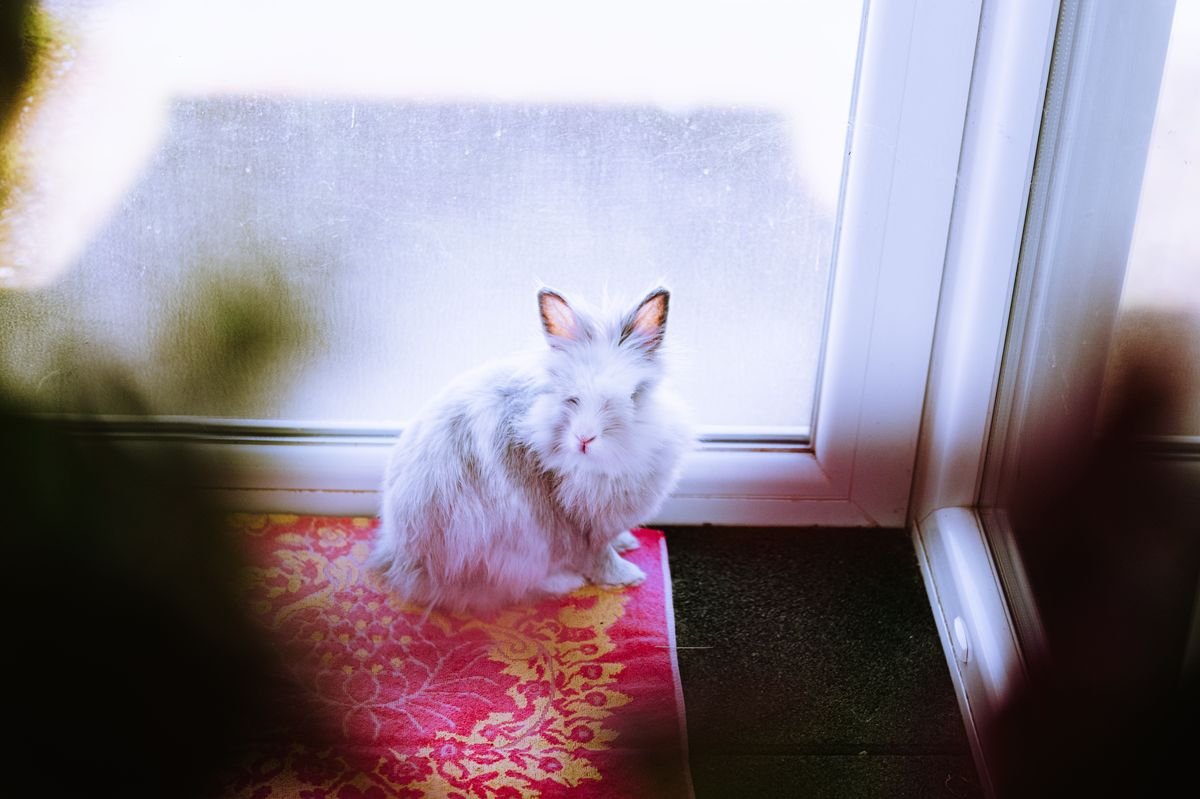
Never place toxic plants on low coffee tables, plant stands, or windowsill perches that a rabbit can reach by standing on its hind legs or hopping onto nearby furniture.
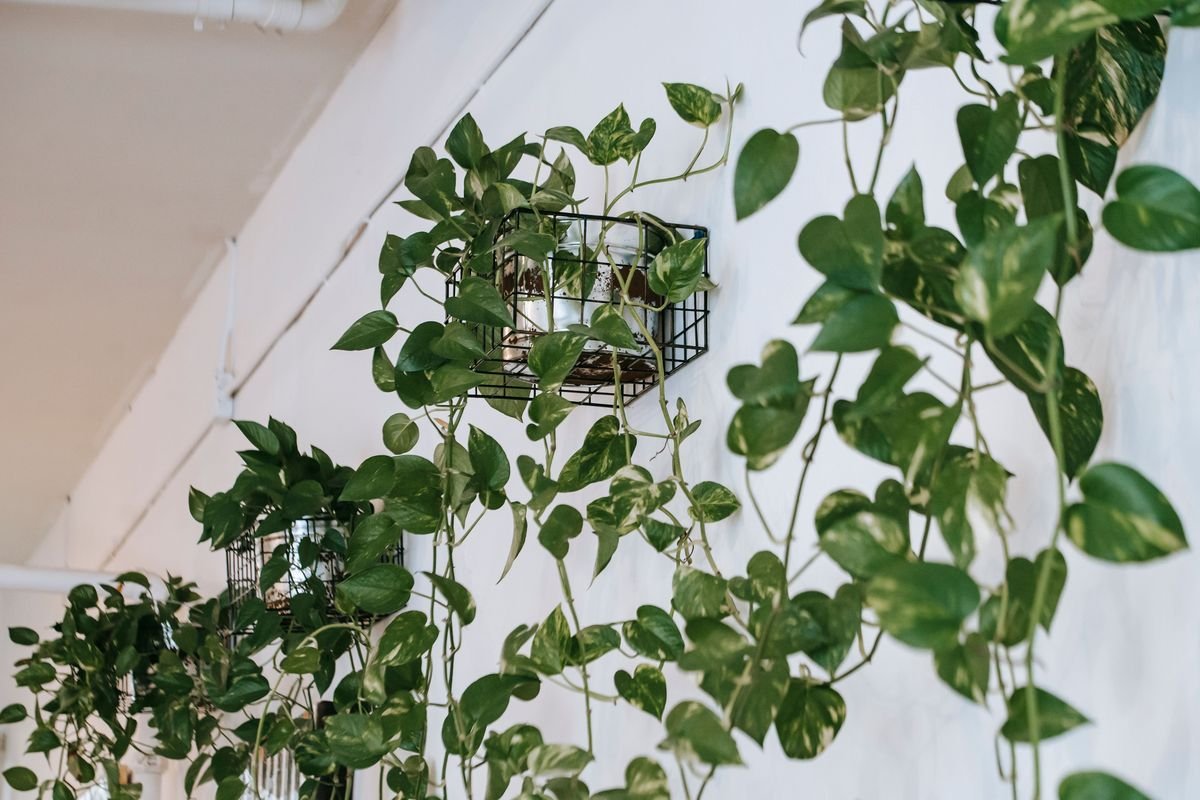
Utilize sturdy ceiling hooks or secure wall-mounted planters that sit well above rabbit jumping height. Remember that pothos vines grow quickly, so you must trim trailing stems regularly before they drape down within your rabbit’s reach.
Another effective strategy is establishing dedicated plant rooms that remain completely closed off to your pets whenever they have free-roam exercise time.
Rabbit Safe Houseplants You Can Grow Instead
If you want the lush look of indoor plants without the constant worry of plant toxicity, consider replacing your pothos with rabbit-safe alternatives. Many attractive houseplants pose zero toxic threat if your pet happens to sneak a bite.
- Spider Plant (Chlorophytum comosum), a resilient hanging plant safe for curious nibblers
- Boston Fern (Nephrolepis exaltata), offering lush fronds that are non-toxic to bunnies
- Peperomia varieties, which feature thick, glossy leaves similar to tropical vines
- Parlor Palm (Chamaedorea elegans), a safe and elegant miniature indoor palm
- Fresh potted culinary herbs such as basil, mint, dill, rosemary, and parsley
Growing safe potted herbs gives your rabbit a healthy, edible treat while satisfying your passion for indoor gardening.
Are Pothos Plants Dangerous for Humans and Other Pets
Rabbits are not the only household members vulnerable to the irritants in pothos foliage. The calcium oxalate crystals in pothos cause identical pain and inflammation in cats, dogs, and humans.
If a cat or dog chews on a pothos, they frequently display heavy salivation, pawing at the mouth, vocalization from oral pain, and vomiting.
For humans, especially curious toddlers who explore by putting objects into their mouths, biting a pothos leaf leads to immediate oral burning, swollen lips, and difficulty swallowing.
Even handling pothos sap while pruning or propagating can trigger localized dermatitis, itching, and redness on sensitive skin. Always wash your hands or wear protective gardening gloves when grooming your plants.
Protecting Your Curious Rabbit Indoors
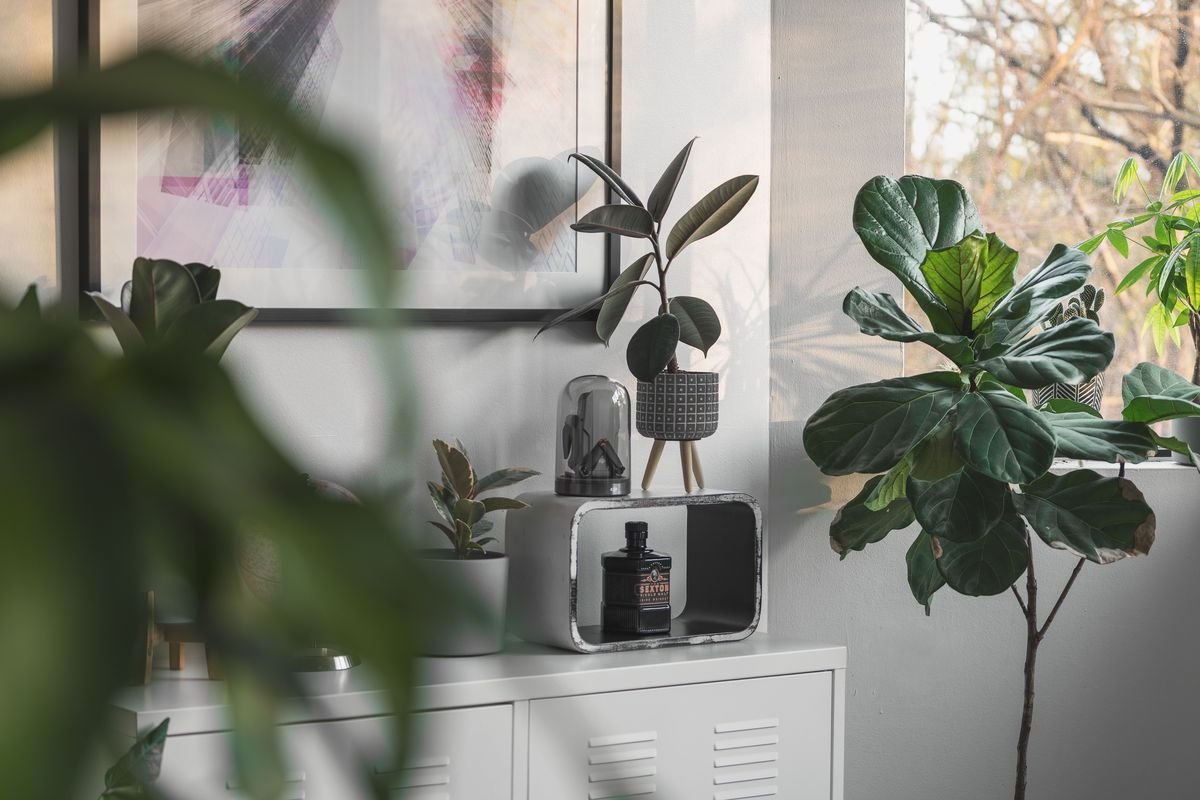
Creating a rabbit-proof indoor environment requires viewing your living space from the perspective of an energetic, low-to-the-ground explorer.
Providing plenty of safe chewing outlets, such as timothy hay cubes, apple wood sticks, willow balls, and untreated cardboard, will redirect your rabbit’s natural urge to chew away from your home decor and plants.
Supervise your rabbit during free-roam playtime, keep dangerous greenery well out of bounds, and maintain an emergency veterinary contact list in a visible spot.
With smart placement and safe alternatives, you can easily maintain a vibrant indoor jungle while keeping your rabbit happy, healthy, and secure.
Houseplant Risk Assessment for Rabbit Owners
Answer 4 quick questions to see your result