
Dieffenbachia, commonly known as dumb cane, is loved for its lush, patterned foliage and upright growth. It brings a vibrant tropical feel to any room when it is healthy and thriving.
Seeing your favorite plant suddenly droop and wilt can be deeply frustrating. Fortunately, wilting is simply your plant’s way of communicating distress, and most causes are easy to fix once you know what to look for.
Signs of Wilting in Dieffenbachia Plants
Wilting in a dumb cane plant can look slightly different depending on what is triggering the stress.
You might notice the broad lower leaves hanging limply against the sides of the pot. In other cases, the entire main stem begins to bend, soften, or lean sideways.
Along with drooping stems, you should check for accompanying leaf symptoms.
- Dry, crispy leaf margins usually indicate dry soil or low humidity.
- Yellowing, mushy stems point toward excess moisture.
- Pale, washed-out foliage often signals improper lighting or low nutrition.
- Speckling and sticky residue suggest insect activity.
Inspecting your plant closely will give you vital clues about the root cause.
Common Causes of Dieffenbachia Droop
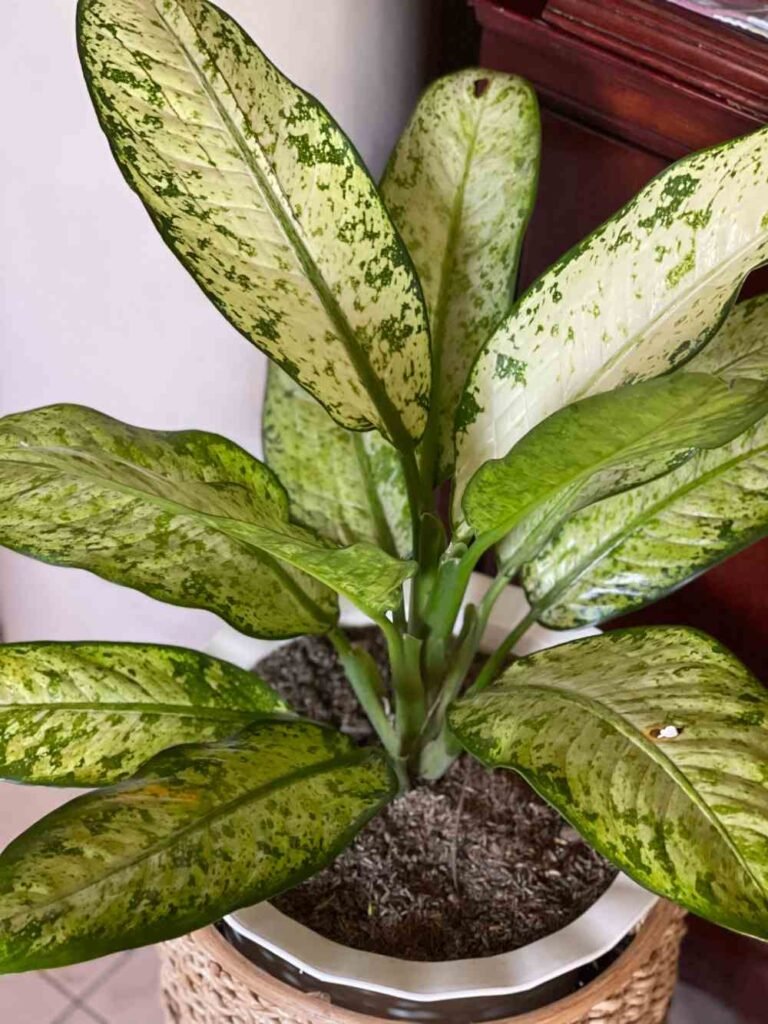
Tropical plants rely on internal water pressure, known as turgor pressure, to keep their broad stems and leaves standing tall.
When something disrupts root function or moisture uptake, this pressure drops. As a result, the plant loses its structural rigidity and begins to sag.
Let us break down the primary environmental and cultural triggers that lead to wilting.
Underwatering and Moisture Loss
Underwatering is one of the quickest ways to cause a Dieffenbachia to collapse.
Because these plants have large, broad leaves, they lose water rapidly through natural transpiration. If the potting mix dries out completely, the roots can no longer supply water to the upper foliage.
You can easily diagnose this issue by touching the soil.
If the top several inches feel dusty and dry, and the pot feels unusually light when lifted, your plant is simply thirsty.
Leaves will often feel thin and papery rather than soft or mushy. A thorough drink of water usually revives an underwatered dumb cane within a few hours.
Overwatering and Soil Saturation
Ironically, giving your plant too much water causes the exact same wilting posture as giving it too little.
When soil remains waterlogged for extended periods, air pockets around the root zone collapse. Roots require oxygen to survive and absorb water, so suffocating them prevents them from hydrating the rest of the plant.
If your Dieffenbachia is wilting while the soil feels wet or muddy, overwatering is almost certainly to blame.
You may also notice the lower leaves turning bright yellow before turning brown and dropping off.
Heavy, sodden potting mix and foul odors rising from the drainage holes are classic warning signs that your watering schedule needs an immediate change.
Root Rot Complications
Persistent overwatering frequently progresses into root rot, a serious fungal condition that destroys root tissue.
Decaying roots turn black, brown, and slimy. Once the root system dies off, it can no longer support the upper vegetation, leading to severe, chronic wilting.
To confirm root rot, gently slide the plant out of its container and inspect the root ball.
Healthy Dieffenbachia roots are firm, pale white or light tan, and smell like fresh earth. Decayed roots will easily pull apart in your fingers and emit a sour, musty smell.
Addressing root rot requires prompt intervention, including pruning damaged roots and repotting in fresh, sterile soil.
Inadequate Lighting and Sun Scorch
In their native rainforest habitats, Dieffenbachias grow under the protective shade of dense jungle canopies.
Placing your plant in direct, unfiltered sunlight will scorch the leaves and cause extreme heat stress. The intense radiation breaks down leaf tissue, causing the foliage to curl, brown, and droop.
Conversely, keeping your plant in very dark corners can also lead to wilting.
Without sufficient light, the plant slows down photosynthesis and cannot produce enough energy to support robust growth. The stems become weak and leggy, eventually flopping over under their own weight.
Bright, indirect sunlight near an east-facing window or behind a sheer curtain is ideal for maintaining strong stems.
Temperature Swings and Cold Drafts
Dieffenbachia plants thrive in steady, warm environments between 65 and 80 degrees Fahrenheit.
They are sensitive to sudden temperature shifts. Exposure to cold drafts from open windows, air conditioners, or exterior doors can shock the plant and cause sudden drooping.
Temperatures dropping below 55 degrees Fahrenheit can cause permanent cellular damage to the leaves.
Heating vents, radiators, and fireplaces can also cause rapid moisture evaporation and heat shock. Keep your plant stationed away from active air vents to maintain a stable microclimate.
Humidity Deficits in Indoor Air
Average indoor humidity levels, especially during winter when home heaters run constantly, often fall below 30 percent.
Dieffenbachias prefer ambient humidity levels between 50 and 60 percent. When the surrounding air is excessively dry, leaves transpire water faster than the roots can replenish it.
This imbalance causes the tips of the leaves to turn brown and crisp, followed by widespread drooping.
Grouping tropical houseplants together, placing your pot on a pebble tray filled with water, or running a cool-mist room humidifier can raise local humidity and restore leaf vigor.
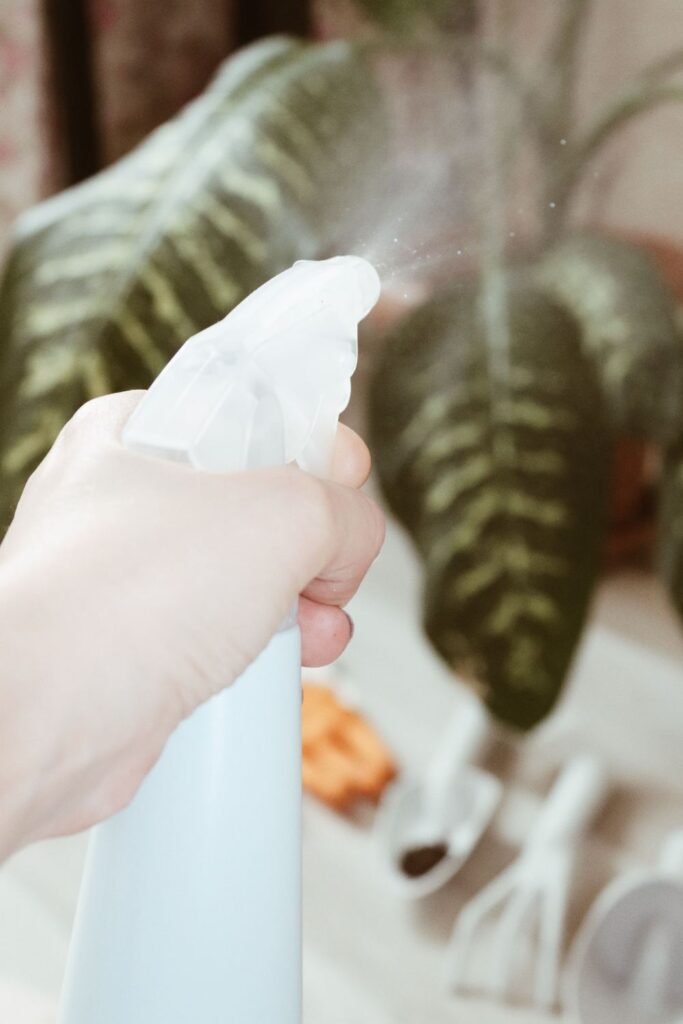
Common Pest Infestations
Sap-sucking insect pests are another hidden cause of wilting in Dieffenbachia plants.
Spider mites, mealybugs, thrips, and aphids feed directly on the juices inside your plant’s foliage and stems. As they drain vital moisture and nutrients, the leaves lose their firmness and begin to sag.
Inspect the undersides of the leaves and the junctions where leaf stems meet the main stalk.
Look for fine webbing, tiny white cotton-like clusters, or small moving specks. Treating pest infestations quickly with insecticidal soap or diluted neem oil spray prevents extensive damage and stops pest-induced wilting.
Soil Nutrient Deficiencies and Imbalances
Over time, potting soil loses its essential mineral content through routine watering and root absorption.
A severe deficiency in nitrogen, potassium, or phosphorus can weaken the structural integrity of your plant. Nitrogen deficiency typically results in general pale yellowing and limp growth across older foliage.
Applying excess chemical fertilizer can be equally damaging.
Mineral salt accumulation in the soil burns sensitive root tips, creating chemical drought conditions where roots cannot absorb moisture properly. Flushing the soil with clean water every few months prevents harmful salt buildup.
Transplant Shock and Pot Bound Roots
If you recently repotted your Dieffenbachia, some temporary wilting is normal as the root system settles into its new environment.
Moving a plant into a new pot disturbs fine feeder roots. Give the plant a week or two in mild light to recover without adding fertilizer.
On the flip side, an extremely root-bound plant will also wilt frequently.
When thick roots fill the entire container, there is very little soil left to hold moisture. Water runs straight through the bottom, leaving the plant constantly dehydrated. Moving up one pot size solves this problem.
How to Revive a Drooping Dieffenbachia
Bringing a wilting dumb cane back to health requires a targeted, step-by-step approach based on the specific issue you identified.
Follow these practical recovery steps to nurse your plant back to peak condition.
- Check soil moisture deeply using your finger or a reliable moisture meter.
- If the soil is parched, bottom-water the plant by soaking the pot in a basin of water for 30 minutes.
- If the soil is waterlogged, unpot the plant, cut away dark mushy roots, and replant in well-draining soil.
- Prune dead or yellowing lower leaves with clean shears to redirect energy into healthy growth.
- Wipe the foliage with a damp cloth to clean dust and check for lurking pests.
Keep the recovering plant in a warm spot with gentle, filtered light while it produces new root growth.
Long Term Care and Prevention Tips
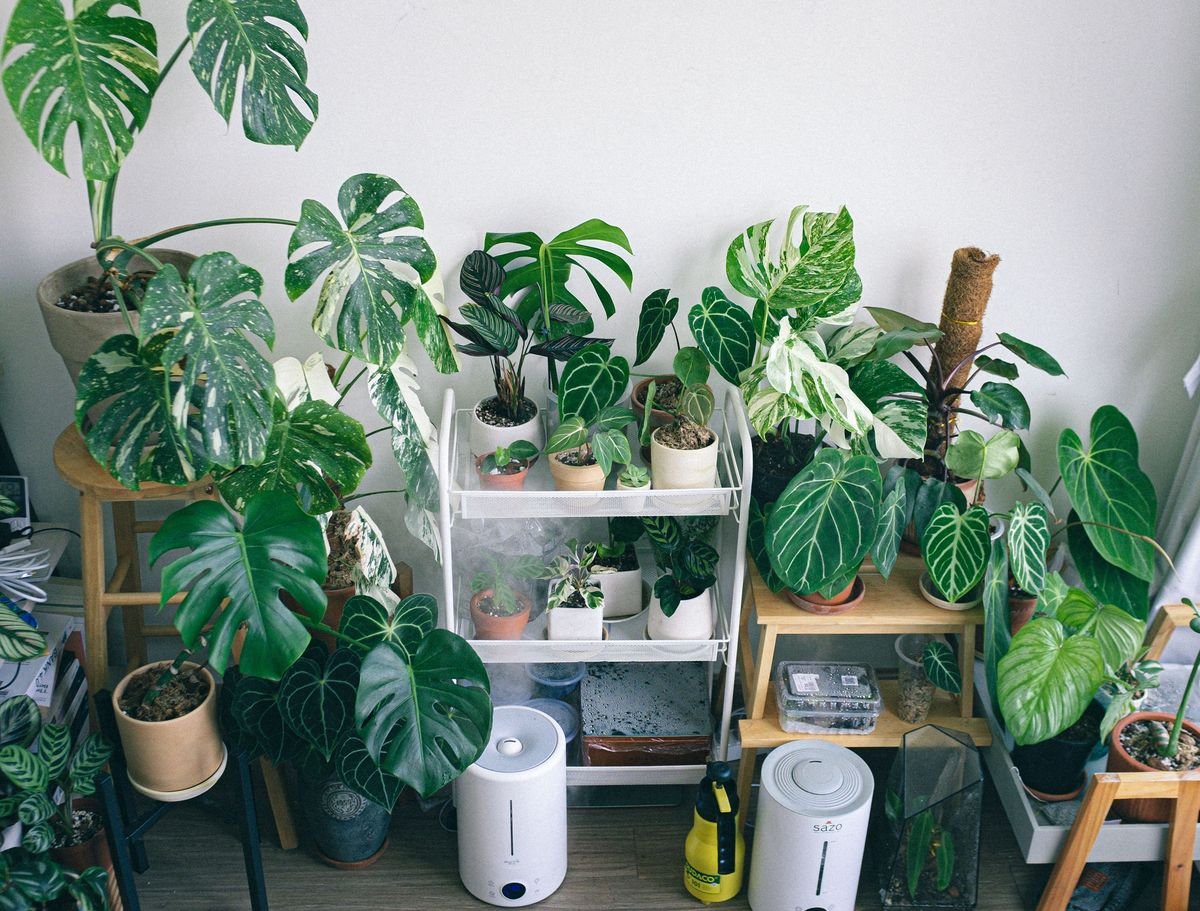
Preventing future wilting episodes comes down to consistent, mindful care routines.
Always use a pot with unobstructed drainage holes. An aerated potting mix containing peat moss, perlite, and orchid bark provides the ideal balance of moisture retention and oxygen flow.
Follow a seasonal watering rhythm rather than watering on a fixed calendar schedule.
Check the top 2 inches of soil before adding water. Water deeply when that top layer feels dry, and let excess liquid drain out completely from the saucer.
Feed your plant with a balanced liquid houseplant fertilizer diluted to half strength once a month during spring and summer. Pause feeding during late fall and winter when plant growth naturally slows down.
Why Is Your Dieffenbachia Wilting Self Assessment
Answer 4 quick questions to see your result