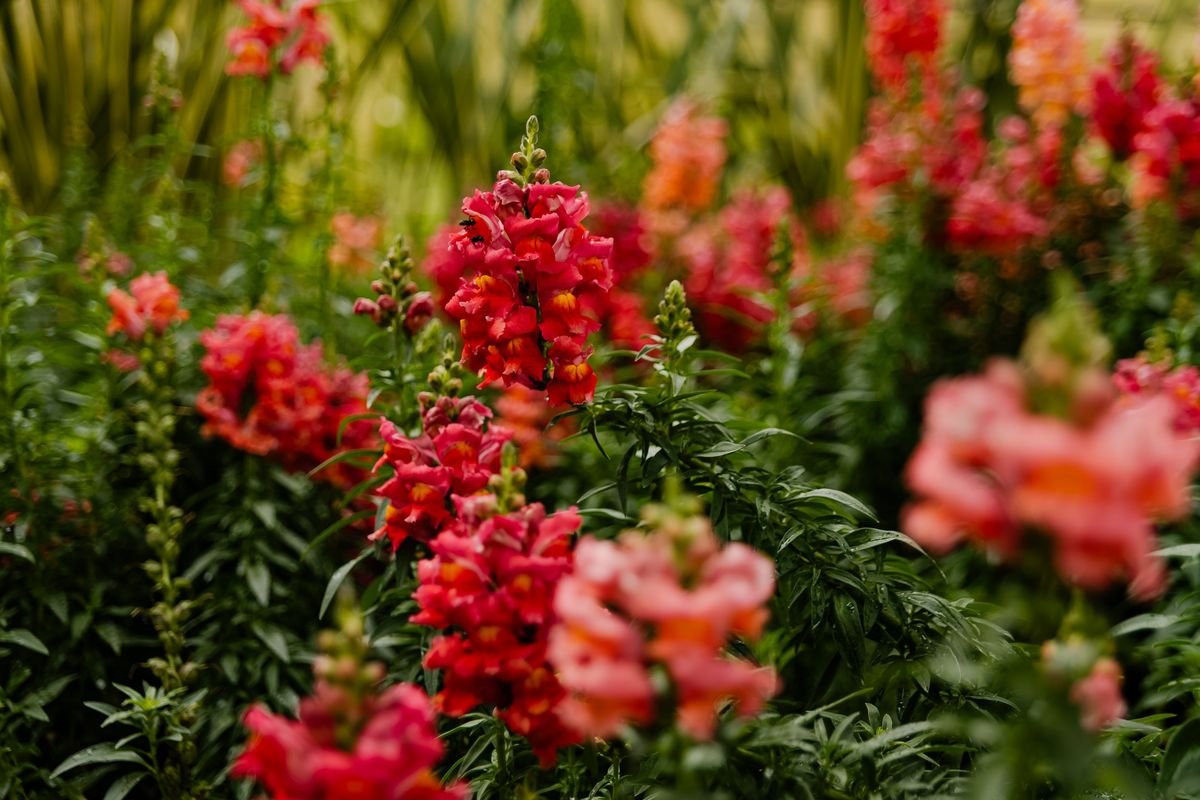
Snapdragons are beloved for their upright spikes of vibrant, dragon-shaped blooms that bring classic charm to garden beds and containers.
These cool-season favorites provide striking color in early spring and autumn when many other flowering plants struggle.
Seeing your snapdragons suddenly wilt, drop their foliage, or turn brown can be deeply frustrating. Because these plants have specific temperature, moisture, and airflow requirements, even minor imbalances in their environment can trigger rapid decline.
Understanding the underlying cause is the first step toward reviving your plants and keeping future blooms healthy.
Understanding Snapdragon Growth Habits
Snapdragons (Antirrhinum majus) are technically tender perennials, though gardeners in most temperate climates grow them as cool-season annuals. They produce their best displays when daytime temperatures hover between sixty and seventy degrees Fahrenheit.
When temperatures rise into the eighties and nineties, snapdragons naturally slow down their metabolic activity and often pause blooming. Gardeners frequently mistake this natural summer dormancy for plant death.
While high heat causes temporary stress, true plant collapse usually stems from pathogens, poor soil structure, or watering mistakes. Differentiating between natural seasonal slowing and active disease will help you choose the right corrective measures for your garden.
Signs of Snapdragon Rust
Snapdragon rust, caused by the fungal pathogen Puccinia antirrhini, is one of the most common and destructive diseases affecting these flowers. The infection begins quietly on the lower leaves before spreading upward across the entire plant.
Early symptoms appear as pale yellow or light green flecks on the upper leaf surfaces. As the infection matures, dark brown or reddish pustules erupt on the undersides of the leaves.
These pustules contain thousands of powdery spores that blow easily to neighboring plants through wind or splashing water. Severe rust infections cause leaves to curl, dry up, turn brown, and drop prematurely, leaving bare stems with stunted flower spikes.
Managing Rust Infections
Early detection is critical when managing rust because fungal spores multiply exponentially under humid conditions.
- Inspect leaf undersides weekly for yellow spotting or raised brown powdery bumps.
- Snip off infected leaves immediately using sharp shears and discard them in the household trash rather than compost.
- Water plants at the base using drip irrigation or a soaker hose to keep foliage completely dry.
- Apply an organic copper-based fungicide or neem oil spray early in the morning to protect uninfected foliage.
If more than half of a plant is covered in rust pustules, remove the entire plant to protect the rest of your garden from airborne contamination.
Heat Stress and Summer Wilt
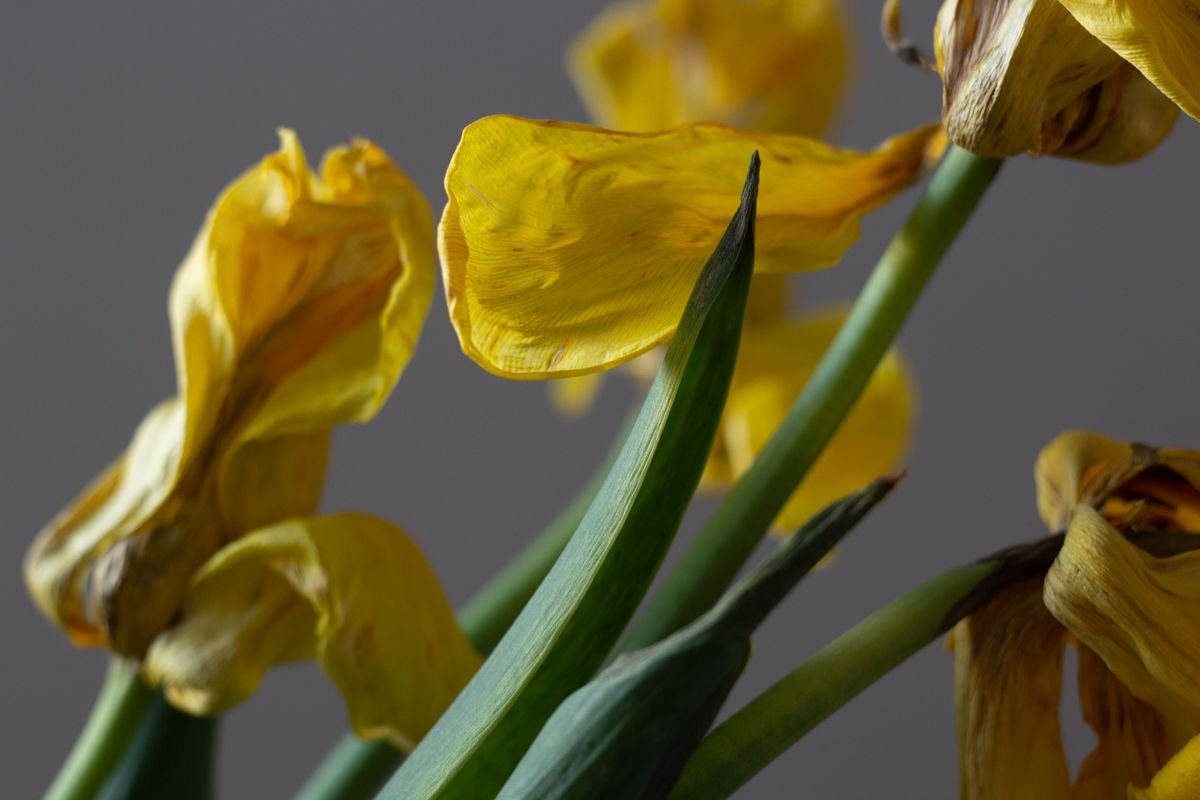
Snapdragons thrive in crisp spring weather and frequently struggle when intense midsummer heat arrives. Prolonged exposure to temperatures above eighty-five degrees Fahrenheit causes the plant to lose moisture through its leaves faster than its roots can absorb water.
This imbalance leads to intense daytime wilting, even if the surrounding soil feels slightly damp.
Under chronic heat stress, snapdragon flowers fade rapidly, buds drop before opening, and lower stems become woody and dry. If left unprotected in scorching conditions, the root system can weaken, leaving the plant susceptible to secondary bacterial and fungal infections.
Protecting Plants from Scorching Temperatures
You do not need to pull your snapdragons out of the garden as soon as summer arrives. With proper care, they can survive the summer heat and produce a second flush of flowers when autumn brings cooler weather.
Apply a two-inch layer of organic mulch around the base of your plants. Shredded bark, straw, or compost helps insulate the root zone against temperature spikes and preserves crucial soil moisture.
Provide temporary afternoon shade using a light shade cloth or by placing taller potted plants to the west of your flower beds. Cutting stems back by one-third in early summer also reduces moisture demand and encourages compact, healthy regrowth for fall.
Root Rot and Overwatering
Root rot is a swift and lethal condition caused by waterlogged soil and fungal pathogens like Pythium and Rhizoctonia. Snapdragons require consistent moisture, but their fine root systems cannot survive in standing water or dense, suffocating mud.
When soil lacks sufficient oxygen, healthy roots begin to suffocate and decay, turning from crisp white to brown, mushy threads.
Because rotten roots can no longer take up water or nutrients, the top of the plant wilts dramatically. Gardeners often misinterpret this wilting as a sign of underwatering and add more water, which accelerates the plant’s demise.
How to Identify Root Problems Early
Diagnosing root issues before your snapdragons collapse completely can sometimes give you a window to save them.
- Check the stem base near the soil line for darkening, softening, or black lesions.
- Smell the soil near the root zone, as rotting roots emit a distinct sour or swampy odor.
- Gently slide container plants out of their pots to check if the root tips are firm and light in color.
- Observe whether foliage remains wilted and limp several hours after a thorough watering.
If you catch root rot in its initial stages, withhold water until the top two inches of soil dry completely, and improve surrounding drainage.
Gray Mold on Flowers and Stems
Gray mold, also known as Botrytis cinerea, is a common fungal threat during periods of cool, cloudy, and persistently damp weather. The pathogen targets soft, aging plant tissues, particularly spent flower petals and tender stem tips.
The disease begins as water-soaked spots on petals and leaves, quickly developing into a fuzzy, ash-gray fungal coating. Once established on the blossoms, the mold travels downward into the main flower stalk.
As the fungus invades the stems, it creates sunken, brown cankers that girdle the vascular system. This cut in nutrient flow causes everything above the lesion to wither, turn yellow, and die back.
Controlling Downy Mildew
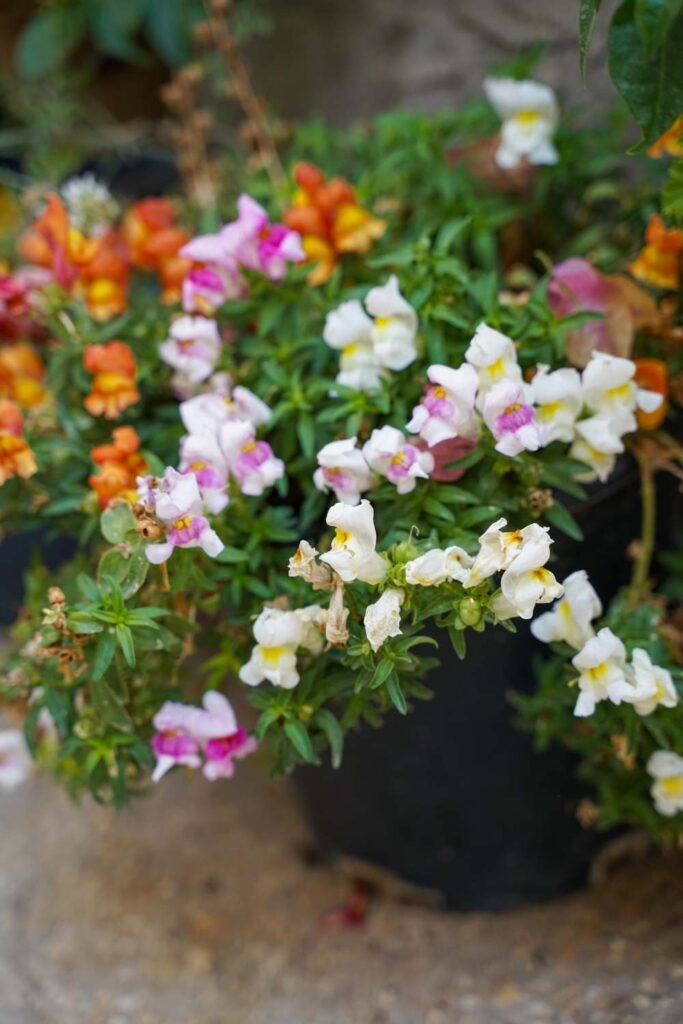
Downy mildew is another moisture-loving pathogen that targets snapdragons, especially during cool nights paired with humid mornings. Unlike powdery mildew, which produces a white dusting on upper leaves, downy mildew creates subtle symptoms that are easy to overlook at first.
Infected leaves develop mottled, pale yellow patches on the upper surface, bordered by natural leaf veins. On the underside of those yellow patches, a purplish or light gray, felt-like down forms during humid spells.
Downy mildew stunts vegetative growth and causes young leaves to curl downward. To control it, maximize air circulation by spacing plants at least eight to twelve inches apart, thin out crowded stems, and water only at the soil line early in the day.
Common Garden Pests on Snapdragons
Sap-sucking insects can weaken snapdragons and make them vulnerable to environmental stress and disease. Aphids, spider mites, and thrips are the three primary culprits responsible for sudden declines in plant health.
Aphids cluster in large colonies on tender new shoots and underneath budding flowers, sucking out plant sap and excreting sticky honeydew. Spider mites thrive in hot, dry conditions, leaving fine webbing and tiny stippled yellow dots across the foliage.
Thrips feed inside the tightly closed flower buds, causing distorted petals and premature blossom drop. Blast pests off foliage with a firm spray of water, or apply organic insecticidal soap directly to affected areas every five days until colonies are gone.
Soil and Drainage Requirements
Healthy snapdragons start with the right soil environment. These plants prefer rich, fertile, and well-draining soil with a slightly acidic to neutral pH between 6.2 and 7.0.
Heavy clay soils hold excessive water in early spring, which drastically increases the risk of fungal root diseases. In contrast, pure sandy soils lose moisture and nutrients too quickly, leading to rapid heat stress.
Before planting, work two to three inches of finished compost, leaf mold, or aged manure into the top eight inches of garden soil. In containers, always use a premium potting mix amended with perlite or pumice to guarantee rapid drainage.
Pruning and Deadheading Techniques
Regular pruning and deadheading are essential maintenance tasks that keep snapdragons vigorous, tidy, and disease-free throughout the growing season. Allowing spent blossoms to set seed drains substantial metabolic energy from the plant.
When individual flower spikes finish blooming from the bottom up, use clean pruners to cut the stalk back to a set of healthy lateral leaves.
Deadheading stimulates the plant to produce new side shoots, resulting in bushier foliage and fresh flower buds. Furthermore, removing dead and decaying petals eliminates the primary food source that allows Botrytis gray mold to colonize your flower beds.
Best Practices for Revival and Long Term Care
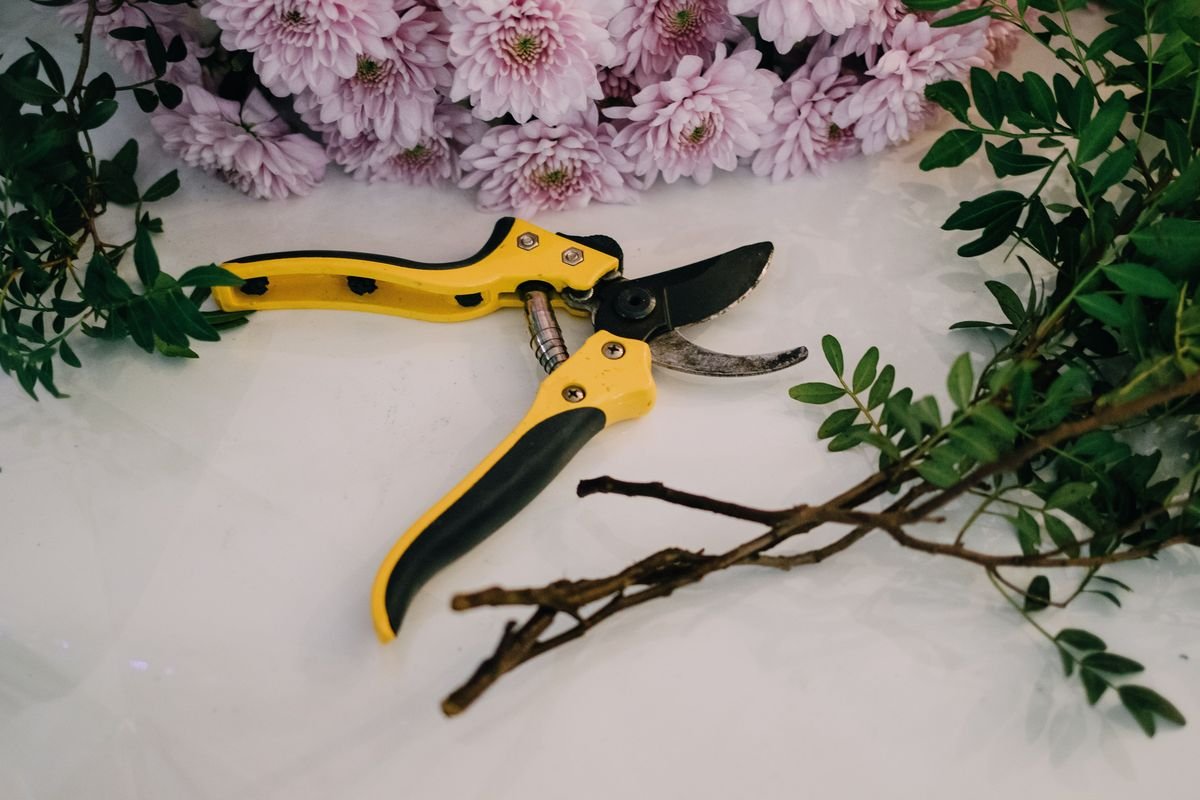
Reviving a struggling snapdragon requires a clear, methodical approach based on the specific symptoms your plant displays. Start by diagnosing the primary stress factor, whether it is water imbalance, fungal growth, or pest infestation.
Trim away all dead, yellowed, or disease-ridden stems, making clean cuts just above healthy leaf nodes. Adjust your watering habits so the top inch of soil is allowed to dry out between thorough waterings.
Feed your recovering plants with a balanced, water-soluble fertilizer diluted to half strength once new growth appears. With correct airflow, clean pruning habits, and proper moisture management, your snapdragons will quickly rebound and reward you with abundant blooms.
Snapdragon Health and Symptom Assessment
Answer 4 quick questions to see your result