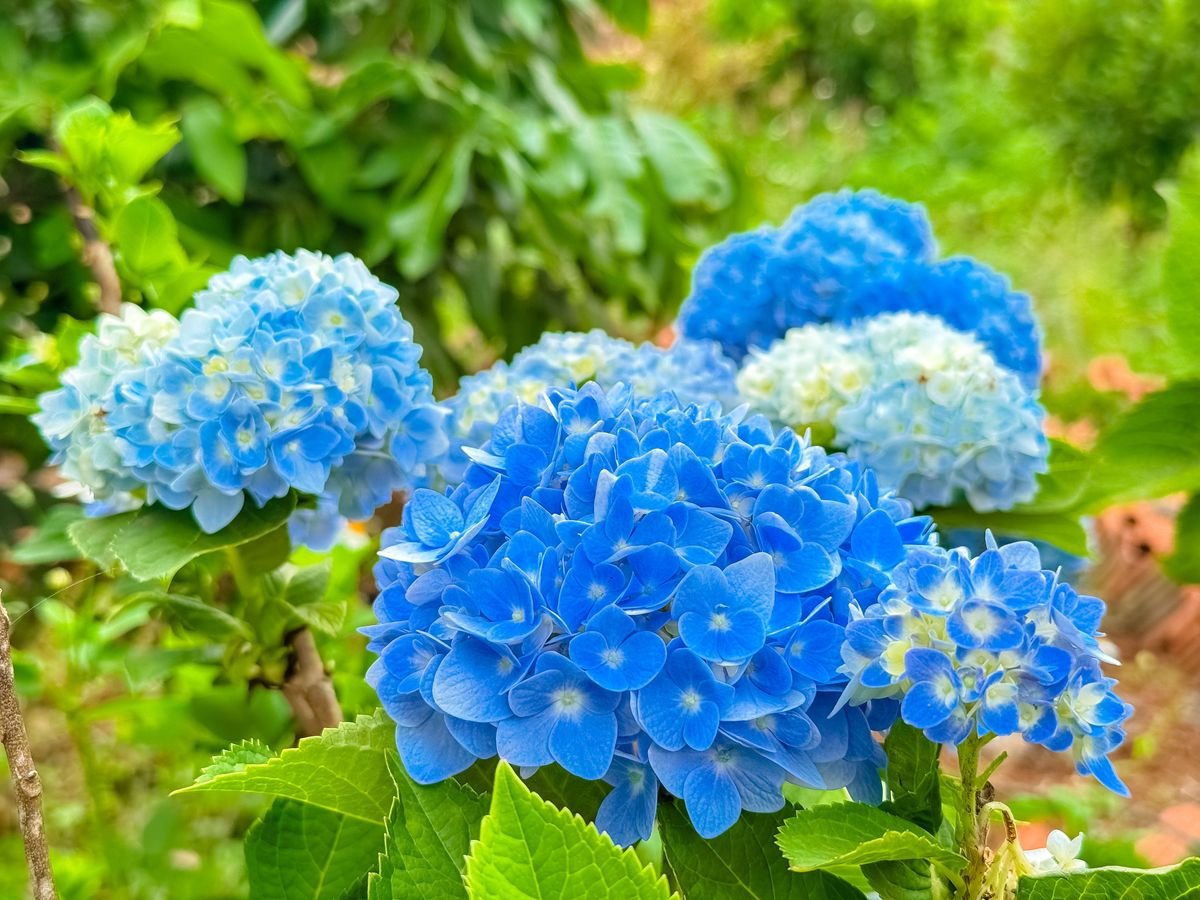
Hydrangeas are among the most celebrated flowering shrubs in the garden, admired for their massive flower heads and rich, vibrant colors.
From classic pastel mopheads to graceful panicles, these plants can transform any landscape into a lush summer showcase.
Yet, few things are as frustrating for a gardener as waiting all season only to find healthy green foliage and zero flower buds.
Coaxing stubborn hydrangeas into bloom requires understanding their specific light, moisture, seasonal pruning, and winter protection requirements. With the right care routine, you can solve blooming problems and enjoy abundant blossoms every single year.
Understanding Why Hydrangeas Fail to Bloom
When a hydrangea fails to produce flowers, gardeners often assume the plant is lacking nutrients. In reality, blooming failures are usually caused by environmental stress, improper pruning timing, or harsh weather damaging delicate buds.
Hydrangea flower buds develop at specific times of the year depending on the species. If those nascent buds freeze in early spring or get clipped off during fall cleanup, the shrub loses its ability to flower for that entire cycle.
Identifying the root cause requires looking at your local climate, seasonal maintenance schedule, and the specific variety you have planted. Once you pinpoint what is interrupting the bloom cycle, you can easily correct the issue.
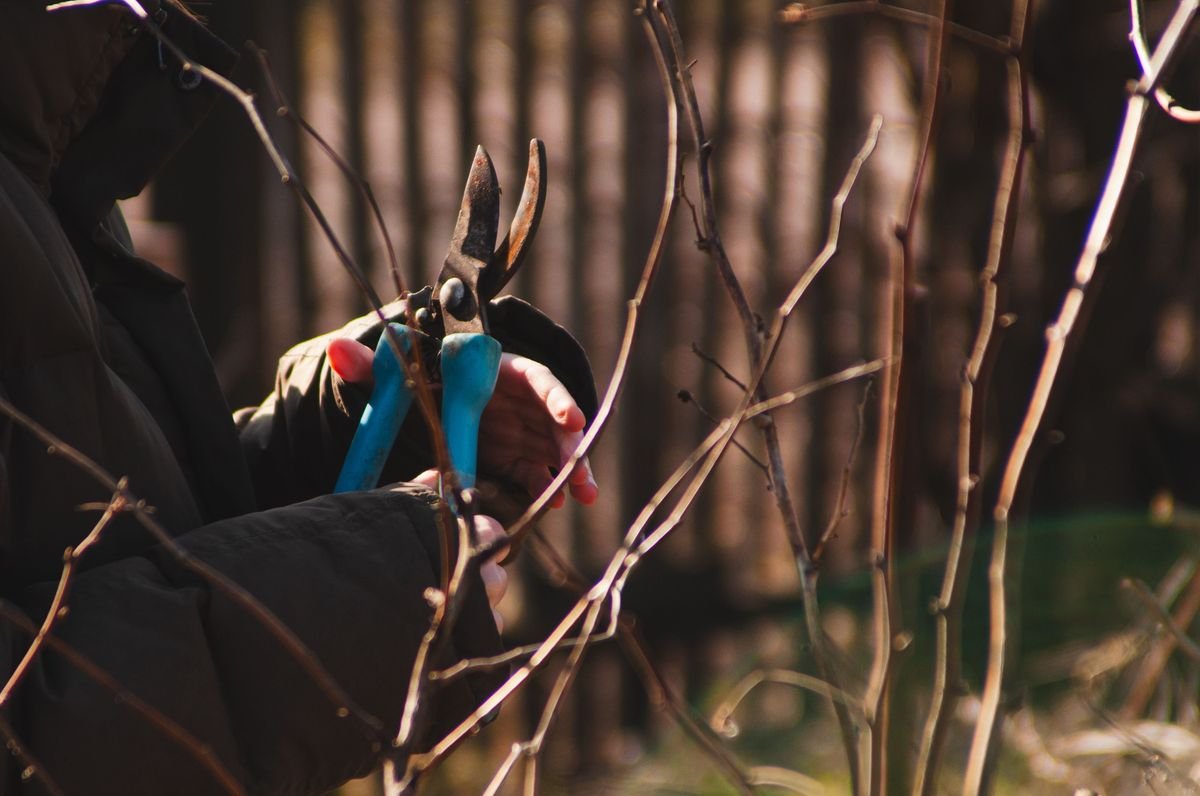
Prune at the Right Time
Pruning mistakes are the single most common reason hydrangeas fail to bloom. Different species produce buds on different types of wood, making it critical to know whether your plant flowers on old wood or new wood.
Old wood refers to stems that grew during the previous summer, while new wood refers to fresh green growth produced in the current spring season.
Cutting back an old wood hydrangea in late winter or early spring removes all the flower buds that formed the previous autumn. Conversely, failing to prune new wood varieties can result in weak, floppy stems that struggle to hold heavy blooms.
Pruning Old Wood Varieties
Bigleaf, oakleaf, and climbing hydrangeas form their flower buds during late summer and carry them through the winter. Pruning these plants in late autumn, winter, or early spring guarantees a season without flowers.
If your old wood hydrangeas need shaping or thinning, do so immediately after flowering finishes in mid-summer.
- Cut stems back only by the top third to preserve lower flower nodes.
- Remove dead, damaged, or crossing branches down to ground level.
- Avoid heavy rejuvenation pruning unless you are willing to sacrifice next year’s blooms.
- Leave healthy green stems untouched through the cold months.
Pruning New Wood Varieties
Smooth hydrangeas and panicle hydrangeas develop their flower buds on the current season’s fresh growth. This makes them much more forgiving for gardeners in cold climates because winter stem damage will not ruin their summer display.
You should prune new wood varieties in late winter or early spring before fresh green shoots emerge.
Cutting these shrubs back by one-third to one-half encourages vigorous new branches that produce larger flower heads. You can also thin out weak, spindly stems to improve air circulation throughout the center of the bush.
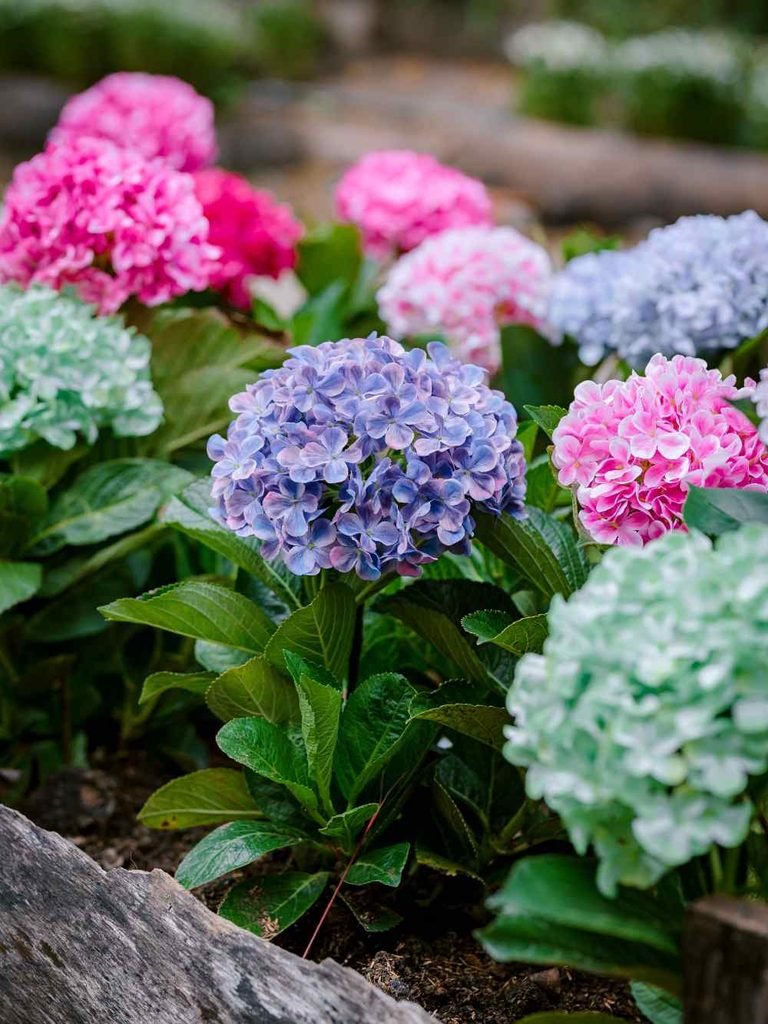
Provide the Ideal Sunlight Balance
Sunlight plays a vital role in fueling the energy needed for bud development. While hydrangeas are often marketed as shade lovers, dense shade significantly reduces flowering and creates leggy growth.
Most varieties thrive best when given gentle morning sunlight followed by dappled shade during the hottest hours of the afternoon.
Morning sun provides the photosynthetic energy required for robust bud formation without scorching the foliage or drying out the soil too quickly. Strive to give your plants roughly four to six hours of filtered or direct morning light.
Managing Harsh Afternoon Sun
Intense afternoon sun can wilt hydrangea foliage, bleach flower petals, and stress the root system. If your garden only receives intense midday and afternoon exposure, your plants may struggle to bloom properly.
You can protect heat-stressed shrubs by creating temporary shade structures using garden stakes and breathable shade cloth during peak summer heat.
Position shade barriers on the south or southwest side of the bush to block scorching rays while leaving the morning exposure completely open. Ensuring steady soil moisture also helps plants tolerate slightly higher light levels without burning.
Protect Buds During Winter
For hydrangeas that set buds on old wood, sub-zero winter temperatures can freeze buds even if the root system survives easily. Gardeners in colder zones frequently see healthy green leaves in spring but no blooms because the buds died over winter.
Providing physical insulation shields tender stems from freezing winds, rapid temperature fluctuations, and heavy snow loads.
Winterizing should begin in late autumn after the shrub has completely dropped its leaves and entered true dormancy. Protecting the plant too early can trap moisture and encourage mold growth.
Building a Winter Protection Cage
Creating a protective enclosure is a simple and reliable method to safeguard overwintering flower buds.
- Drive four sturdy wooden or metal stakes into the ground around the perimeter of the hydrangea.
- Wrap chicken wire or hardware cloth around the outside of the stakes to create an open cylinder.
- Gently pack the inside of the cage with dry fallen leaves, pine straw, or clean straw to insulate the branches.
- Wrap the outside of the wire structure with burlap to break cold winter winds while allowing air exchange.
Avoid using solid plastic sheeting for winter wraps because plastic traps moisture and creates extreme heat spikes on sunny winter days.
Safeguard Against Late Spring Frosts
An unexpected late frost in spring is one of the most common reasons established hydrangeas suddenly fail to bloom. As temperatures warm in March and April, dormant buds swell and begin opening green leaflets.
A single night of freezing temperatures after buds have broken dormancy can kill that tender new growth immediately.
Keep close track of local weather forecasts during the early spring weeks. If a frost warning is issued, cover your shrubs with breathable fabrics such as frost blankets, old bedsheets, or burlap sacks before sunset, securing the edges to the ground to trap radiant soil warmth.
Avoid Overfeeding with Nitrogen
Fertilizer is essential for plant vitality, but applying the wrong kind can actively prevent your hydrangeas from flowering. High-nitrogen fertilizers stimulate rapid, lush vegetative growth at the expense of floral development.
If your hydrangea has enormous, deep-green leaves but refuses to produce a single flower bud, excess nitrogen is almost certainly the culprit.
Lawns treated with chemical fertilizers often leach high levels of nitrogen into neighboring flower beds. Ensure your hydrangeas are spaced far enough from treated turf to prevent unwanted nutrient runoff.
Best Fertilization Schedule for Blooms
Hydrangeas benefit from balanced or phosphorus-rich slow-release fertilizers applied in moderation. Phosphorus encourages strong root establishment and prolific bud setting throughout the growing season.
Apply a balanced, slow-release granular fertilizer or an organic bloom booster once in early spring as new growth starts, and once more in mid-summer.
Never fertilize hydrangeas after August. Late applications stimulate tender new stems that will not harden off before winter, leaving them exceptionally vulnerable to frost damage.
Master Proper Watering Habits
The botanical name Hydrangea comes from the Greek words for water vessel, which highlights the plant’s natural thirst. Consistent moisture is vital for supporting broad leaves and large flower clusters.
However, hydrangeas dislike saturated, swampy soil just as much as drought. Soggy root zones deprive roots of oxygen and lead to root rot, which prevents the uptake of water and nutrients.
Water deeply at the base of the plant two to three times a week rather than giving shallow daily sprinkles. Soaker hoses and drip irrigation systems deliver moisture directly to the root zone without wetting the foliage.
Watering Container Grown Hydrangeas
Potted hydrangeas dry out much faster than those planted directly in garden soil. During warm summer spells, container plants may require daily watering to keep their foliage firm and hydrated.
Always choose containers with adequate drainage holes to prevent stagnant water from pooling at the base.
- Use light-colored ceramic, resin, or terracotta pots that reflect midday heat.
- Water thoroughly until excess liquid drains freely from the bottom holes.
- Empty saucers promptly so the container never sits in pooled water.
- Check soil moisture daily by inserting a finger two inches into the potting mix.
Apply Organic Mulch Around the Base
Mulching is an essential practice that protects shallow hydrangea roots from extreme temperature swings and moisture evaporation. A healthy layer of mulch keeps the root zone consistently cool and damp.
Mulch also prevents weed growth, which eliminates competition for vital soil nutrients and moisture.
Spread a uniform layer of organic mulch around the drip line of the shrub, keeping it between three and four inches deep for maximum moisture retention and weed suppression.
Choosing the Best Mulch Material
Organic mulch materials break down gradually over time, enriching the soil with beneficial organic matter and improving soil structure.
Some of the best mulch options for hydrangeas include:
- Shredded pine bark or aged hardwood chips for long-lasting coverage.
- Pine needles or pine straw, which provide excellent insulation and air flow.
- Aged leaf mold or leaf compost that mimics the natural forest floor.
- Composted garden mulch rich in beneficial microorganisms.
Always leave a gap of two to three inches between the mulch layer and the main woody stems to prevent stem rot and discourage rodent nesting.
Prevent and Treat Fungal Diseases
While hydrangeas are hardy, fungal infections can weaken the plant and sap the energy needed to produce blossoms. Diseases like powdery mildew, cercospora leaf spot, and botrytis blight often take hold in damp, humid conditions.
Fungal leaf spot causes brown or purple spots to form across mature foliage, eventually leading to premature leaf drop.
To prevent fungal issues, always water at the ground level rather than overhead. Space plants adequately to promote steady air circulation, and prune out crowded internal branches to allow sunlight into the center of the bush.
Spotting Viral Infections in Hydrangeas
Hydrangeas can occasionally contract plant viruses transmitted by sucking insects or contaminated pruning shears. Common signs of viral infection include mottled foliage, yellow rings, crinkled leaves, and severe stunting.
Unlike fungal infections, viral diseases cannot be cured with sprays or fungicides.
If a plant shows severe viral symptoms, it must be removed and discarded to protect other shrubs in your garden. Always sterilize pruning tools with rubbing alcohol or a mild bleach solution between plants to avoid spreading pathogens.
Soil pH and Bloom Color Facts
A widespread gardening misconception is that soil pH determines whether a hydrangea will bloom. In reality, soil pH only influences the color of certain Bigleaf and Mountain varieties, not the plant’s ability to produce flowers.
In acidic soils with a pH below 5.5, available aluminum allows flowers to turn vivid blue. In alkaline soils with a pH above 6.5, the plant cannot absorb aluminum, producing pink or red blossoms.
White flowering varieties, panicle hydrangeas, and smooth hydrangeas never change color based on pH. Focus first on light, water, and correct pruning to secure blooms before adjusting soil chemistry for specific shades.
Bigleaf Hydrangea Varieties
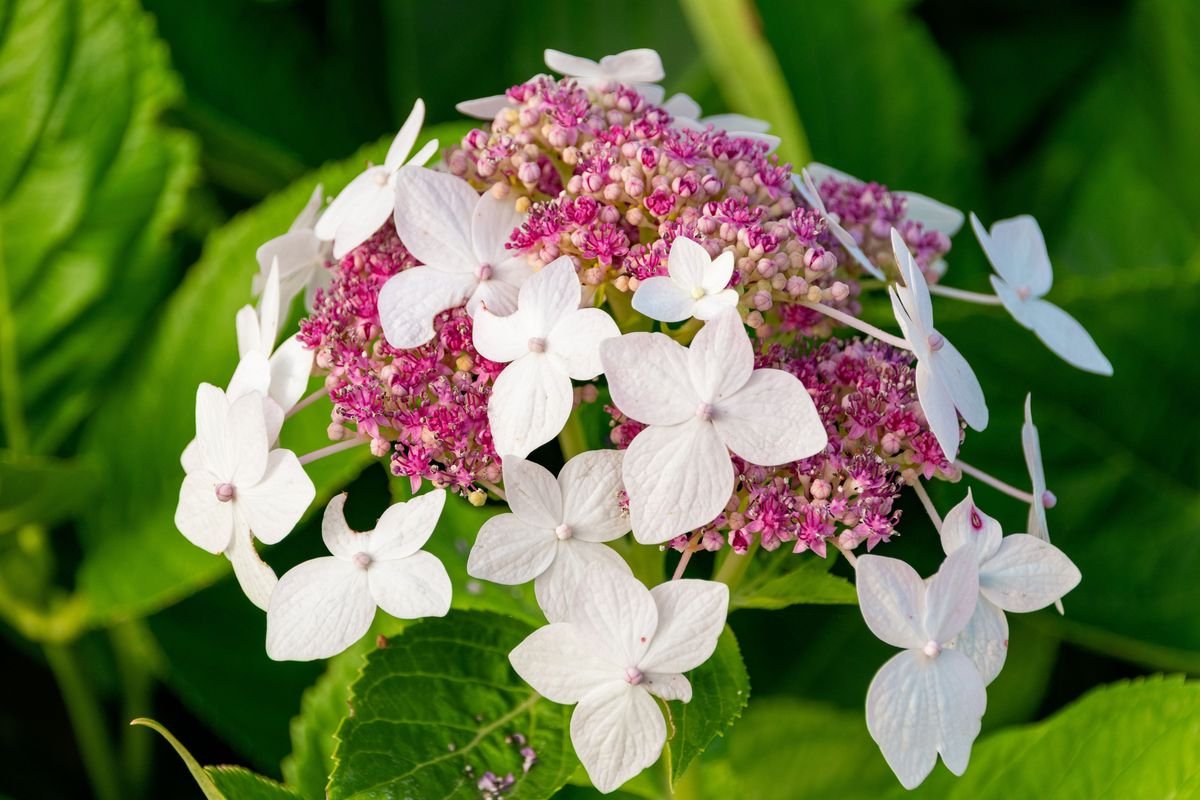
Hydrangea macrophylla, known as the bigleaf hydrangea, is famous for its classic mophead and delicate lacecap blooms. These shrubs are prized for their dramatic flower clusters and rich pink, purple, and blue tones.
Because most traditional bigleaf cultivars flower on old wood, they are the most sensitive to pruning mistakes and severe winter cold.
If you live in a cold region with erratic spring weather, look for reblooming cultivars like the Endless Summer series. These modern selections set flowers on both old and new wood, ensuring blooms even if winter frost kills top growth.
Panicle Hydrangea Varieties
Hydrangea paniculata is the hardiest and most adaptable species available to home gardeners. Characterized by large, cone-shaped flower clusters, panicles emerge creamy white in mid-summer and slowly mature to shades of blush pink, rose, and deep burgundy.
These hydrangeas bloom exclusively on new wood, making them reliable performers even in harsh northern climates.
Panicles tolerate full sun far better than any other variety and can easily be trained into small ornamental trees. Popular cultivars include Limelight, Vanilla Strawberry, and Bobo.
Smooth Hydrangea Varieties
Hydrangea arborescens is native to the eastern United States and is celebrated for its incredible cold tolerance and massive spherical flower heads. The most famous cultivar is the classic Annabelle, which produces enormous white flower balls.
Because smooth hydrangeas flower on new spring wood, they can be cut back close to the ground in late winter without sacrificing summer blooms.
They perform well in partial shade and handle summer heat with ease when given consistent soil moisture. Modern breeding has introduced stronger-stemmed cultivars such as Incrediball to prevent blooms from flopping after heavy rain.
Oakleaf Hydrangea Varieties
Hydrangea quercifolia is native to North America and offers four seasons of exceptional garden interest. Its distinct lobed leaves resemble oak leaves, turning brilliant shades of bronze, crimson, and burgundy each autumn.
Oakleaf hydrangeas produce elongated white flower panicles on old wood that age gracefully to a dusty pink hue.
This species is naturally drought-tolerant once established and handles drier soil conditions better than other hydrangeas. Protect its stems during severe winters to keep its seasonal flower buds intact.
Climbing Hydrangea Varieties
Hydrangea petiolaris is a vigorous woody climbing vine that clings to brick, stone, and sturdy wooden trellises using aerial rootlets. It produces fragrant, creamy white lacecap blossoms in early summer.
Climbing hydrangeas flower on old wood and are notorious for taking several years to establish before producing their first significant bloom display.
Patience is essential with this variety. Provide steady moisture, well-draining soil, and sturdy structural support, and avoid heavy pruning while the plant builds its root framework.
Essential Hydrangea Care Checklist
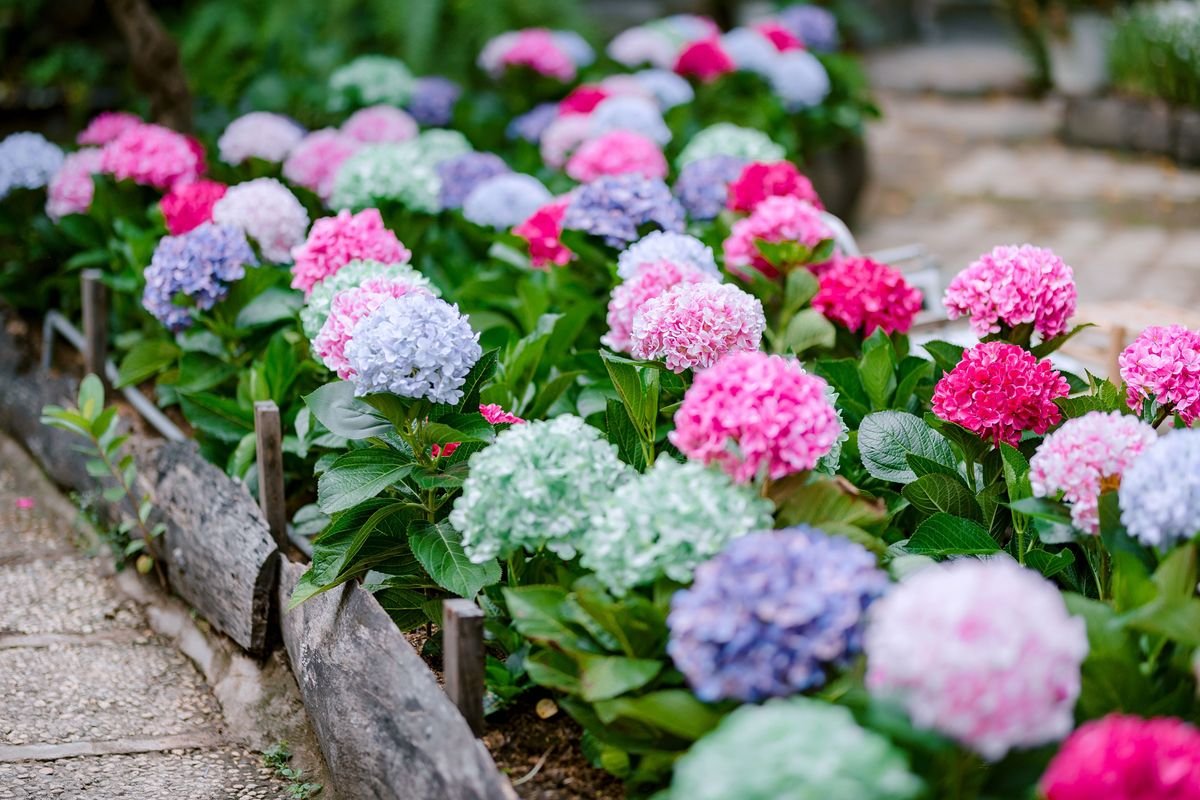
Achieving reliable, show-stopping blooms comes down to following a consistent seasonal maintenance routine tailored to your plant’s specific needs.
Keep this seasonal checklist handy to ensure your hydrangeas receive the care they need throughout the entire year:
- Spring: Remove winter protection after the last hard frost, apply a balanced slow-release fertilizer, and mulch thoroughly.
- Summer: Maintain deep weekly watering, inspect for leaf spot or pests, and deadhead spent blooms on old wood varieties immediately.
- Fall: Discontinue all fertilizer by August, keep soil moist until ground freezes, and collect leaves for winter insulation.
- Winter: Wrap sensitive old wood varieties in colder zones and prune new wood varieties in late winter before new shoots emerge.
Why Is Your Hydrangea Not Blooming Self Assessment
Answer 4 quick questions to see your result