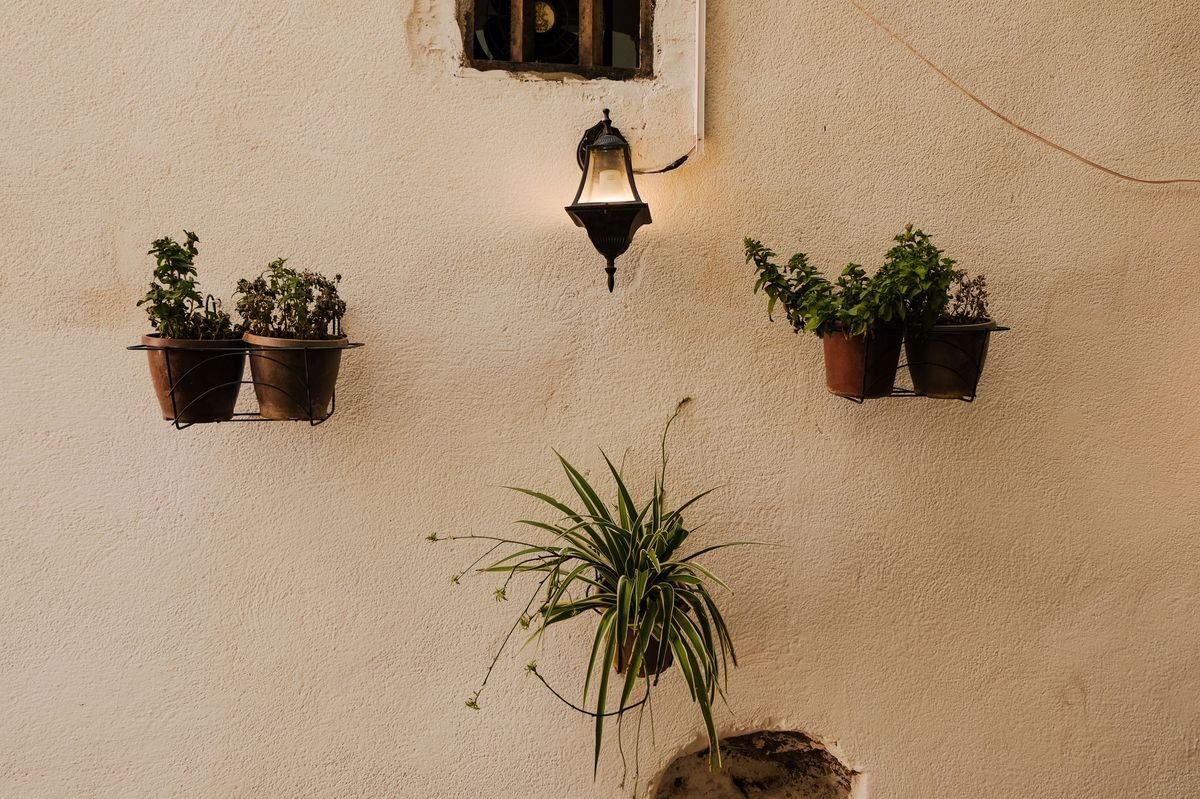
Spider plants are famous for being some of the most resilient, generous houseplants you can grow.
When a mother plant is happy, it sends out long, cascading runners filled with miniature offsets known as spiderettes. Watching these tiny plantlets form is one of the most rewarding parts of indoor gardening.
It can be deeply frustrating when those delicate babies begin to wilt, turn black, shrivel, or rot. Whether your spiderettes are struggling while still attached to the parent plant or failing after you pot them up, pinpointing the root cause is the fastest way to turn things around.
Why Spider Plant Offsets Start Dying
Spider plant offsets are naturally delicate because they rely heavily on either the parent runner or their own tiny, developing root systems for hydration and nutrients. When that lifeline is compromised, the baby plant declines rapidly.
Several environmental factors can trigger sudden failure in young spiderettes. The most common culprit is moisture imbalance, but improper lighting, temperature swings, mineral toxicities, and premature harvesting also play major roles in offset mortality.
Signs of Trouble on Baby Spiderettes
Catching symptoms early gives you the best chance of saving your baby spider plants before cellular damage becomes irreversible.
- Soft, translucent, or black bases that indicate overwatering and root rot
- Crispy brown leaf tips pointing to low humidity, excess fertilizer, or tap water minerals
- Pale, limp, or bleached foliage caused by inadequate light or direct sunburn
- Shriveled root nubs that dry out before establishing contact with a growing medium
Why Some Plants Fail to Produce Offsets
If your mother spider plant is not producing babies at all, do not worry about plant gender. Spider plants reproduce asexually through stolons (runners), so every mature specimen is capable of producing offsets under the right conditions.
Age is the first factor to consider. Spider plants rarely send out runners during their first year of life. They focus their energy on establishing a robust root system and dense crown foliage first.
Container size also matters. Spider plants produce the most offsets when their roots are slightly snug in their containers. If a young plant is placed in an oversized pot, it will spend all its resources expanding its root ball rather than producing babies.
Watering Mistakes That Harm Spiderettes
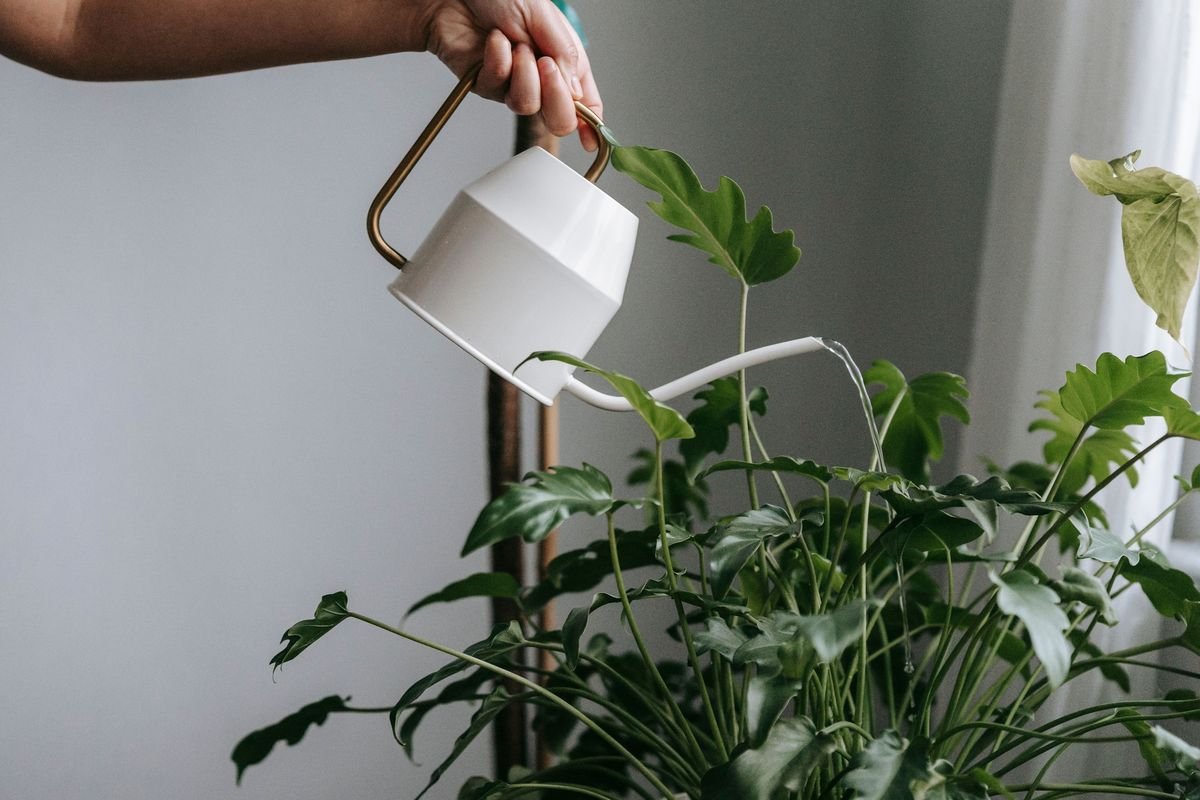
Watering is by far the most delicate aspect of keeping young spider plants alive. Because spiderettes have miniature root systems with low water-holding capacity, they cannot handle the extremes of bone-dry soil or swampy, waterlogged conditions.
Many growers make the mistake of soaking new offsets with the same volume of water they give to mature plants. This quickly suffocates the fledgling roots, inviting pathogenic fungi to invade the base of the plantlet.
How to Tell When Your Plant Is Thirsty
Spider plants communicate their hydration needs clearly if you know what visual cues to look for.
When a spider plant is fully hydrated, its leaves are vibrant green, firm, and arch outward with strong structural integrity. As moisture in the potting mix depletes, the leaves take on a pale, slightly grayish hue and begin to fold inward along the central vein. Wilting is the final warning sign that your plant urgently needs water.
The Dangers of Saturated Potting Mix
While underwatering causes temporary wilting, overwatering causes fatal root decay. When soil remains saturated for days, oxygen cannot reach the root zone.
Without oxygen, delicate root hairs die off, and anaerobic bacteria flourish. Once root rot sets in on a tiny offset, the base of the plant turns to mush within forty-eight hours, making recovery nearly impossible.
Supporting the Mother Plant First
When baby spiderettes are still attached to the mother plant via runners, their health is an exact reflection of the parent plant’s vitality. You do not need a separate care routine for attached babies; you simply need to optimize conditions for the mother.
If the mother plant is stressed by pests, poor soil, or insufficient light, it will conserve resources by cutting off water and nutrients to its offsets. This causes the runners to dry up and the babies to wither.
Indirect Light Requirements
Spider plants thrive in moderate to bright indirect sunlight. Placing them in direct sun will scorch their foliage and cause rapid dehydration in fragile offsets.
An east-facing window or a spot a few feet away from a south-facing or west-facing window is ideal. In low-light corners, spider plants survive but their growth slows drastically, and they will struggle to sustain baby offsets.
Ideal Indoor Temperatures
Spider plants perform best in typical indoor temperatures between 60°F and 75°F (15°C to 24°C). They can tolerate brief dips down to 50°F, but prolonged cold halts growth.
Keep your mother plant and propagating babies far away from drafty exterior doors, air conditioning vents, and heating radiators. Rapid temperature fluctuations cause shock, leading to leaf drop and runner death.
Managing Room Humidity
Average household humidity (around 40 percent) is acceptable for mature spider plants, but offsets develop roots faster in moderate to high humidity (50 to 60 percent).
If your indoor air is very dry, especially during winter heating months, the tips of the babies may turn crisp and brown. Grouping plants together or placing a compact humidifier nearby can prevent sensitive leaf tissue from drying out.
Cutting Spiderettes at the Right Time
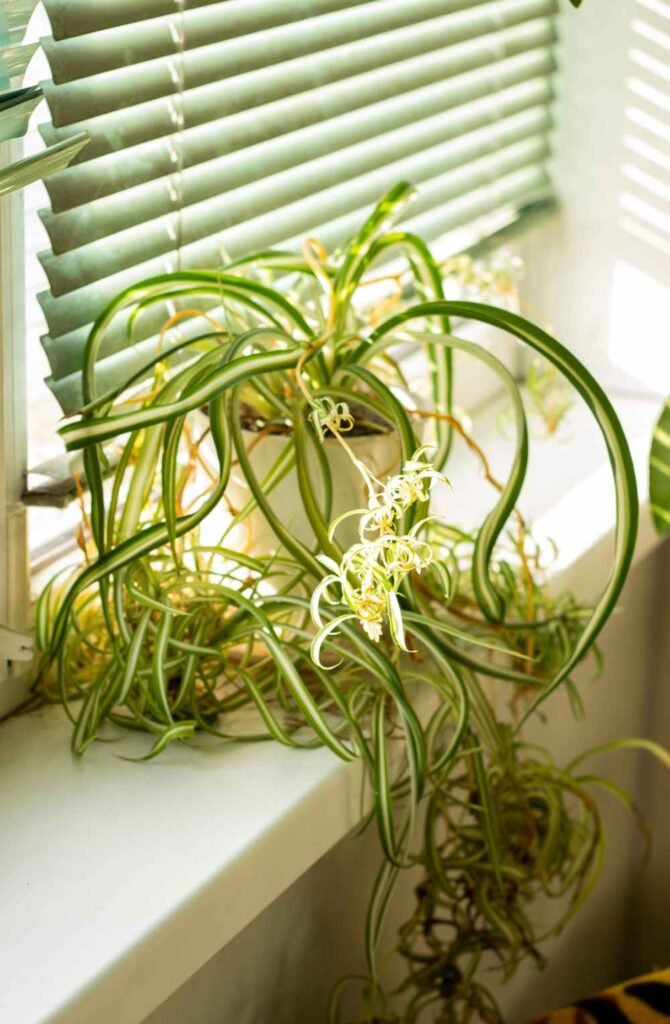
Timing is everything when removing spider plant babies from the main runner. Harvesting a plantlet too early or too late significantly increases the risk of propagation failure.
The sweet spot for harvesting occurs during the active growing season in spring or early summer, when daylight hours are long and the offset has begun forming distinct root nodes.
Risks of Removing Offsets Too Early
Tiny plantlets that lack visible root nubs at their base should never be cut from the parent plant. These underdeveloped offsets do not possess enough stored energy or root surface area to take up water independently.
If you remove them before root nubs form, they usually dehydrate and die within a few days of being potted up or placed in water.
Problems with Waiting Too Long
Leaving offsets on the mother plant for years without harvesting can also cause problems. A mother plant supporting dozens of heavy offsets will eventually become exhausted and nutrient-depleted.
Additionally, older aerial offsets that remain dry in room air may develop calloused bases that resist taking root once you finally decide to pot them into soil.
Best Methods for Rooting Spider Plant Babies
There are three primary techniques for propagating spiderettes: water propagation, direct soil propagation, and connected soil layering. Each method has specific advantages depending on your experience level and household environment.
Rooting Spiderettes in Water
Water propagation is popular because it allows you to watch the new root system develop in real time.
To root in water, trim the baby from the runner leaving a half-inch stem piece. Suspend the base of the plantlet just above or touching the surface of room-temperature, filtered water. Ensure the leaves remain completely dry. Change the water every three to five days to maintain oxygen levels and prevent bacterial buildup. Move the plant to soil once roots are one to two inches long.
Rooting Offsets Directly in Soil
Direct soil propagation is often the safest method for beginners because it eliminates the risk of transplant shock when transitioning from water to soil.
Place the offset into a small pot filled with light, moist potting mix, pressing the base gently into the surface without burying the crown. Rather than heavy watering, mist the topsoil daily to maintain steady surface moisture until the plantlet anchors itself.
Propagating While Still Attached
Connected propagation, also known as layering, is the most foolproof method for delicate or struggling offsets.
Place a small pot of moist soil next to the mother plant. Press the baby offset into the soil surface while keeping the runner intact. Secure the offset with a bent paperclip or hairpin. The mother plant continues feeding the baby while it roots into its new pot. Once strong roots are established after two to three weeks, snip the connecting stolon.
Soil Mix Selection for New Plants
Heavy, dense garden soil will suffocate delicate spider plant roots and lead to immediate root rot. Spiderettes require an airy, loose, and well-draining potting substrate.
A great blend for young spider plants consists of:
- Two parts high-quality peat moss or coco coir for moisture retention
- One part perlite or pumice to ensure excellent drainage and root aeration
- One part fine orchid bark or coarse horticultural sand to prevent compaction
Avoid adding heavy organic compost or slow-release fertilizer to soil for newly propagating offsets, as young root tips are easily burned by high nutrient concentrations.
Pot Size and Material Choices
Choosing the wrong container size is a common reason baby spider plants perish after potting. A tiny offset planted in a six-inch pot will sit in a large volume of wet soil that takes weeks to dry out, suffocating its small root system.
Always start individual spiderettes in small containers, ideally two to three inches in diameter with ample drainage holes. Plastic nursery pots are great for holding even moisture, while unglazed terracotta pots are ideal for growers who tend to overwater, as clay allows moisture to evaporate through pot walls.
Fertilizer Routine and Mineral Sensitivity
Spider plants are sensitive to synthetic fertilizer salts and common tap water additives such as fluoride and chlorine. Accumulation of these minerals causes tip burn on mature foliage and can kill young offsets.
Do not fertilize newly potted spiderettes for the first six to eight weeks while they establish roots. Once the plant is actively producing new central leaves, apply a balanced liquid houseplant fertilizer diluted to one-quarter strength once a month during spring and summer only. If your tap water is heavily chlorinated or fluoridated, use rainwater, distilled water, or filtered water instead.
Grouping Multiple Spiderettes Together
If you want to create a full, bushy hanging basket quickly, potting several spiderettes into a single four-inch or six-inch container is an effective strategy.
Space three to five rooted babies evenly around the pot. As they grow, their roots will intertwine and fill the container evenly, which helps draw moisture out of the soil at a balanced rate. Just be prepared to repot the cluster into a larger container after a year, as multiple plants will quickly fill the pot with their thick, tuberous roots.
Long Term Care for Thriving Offsets
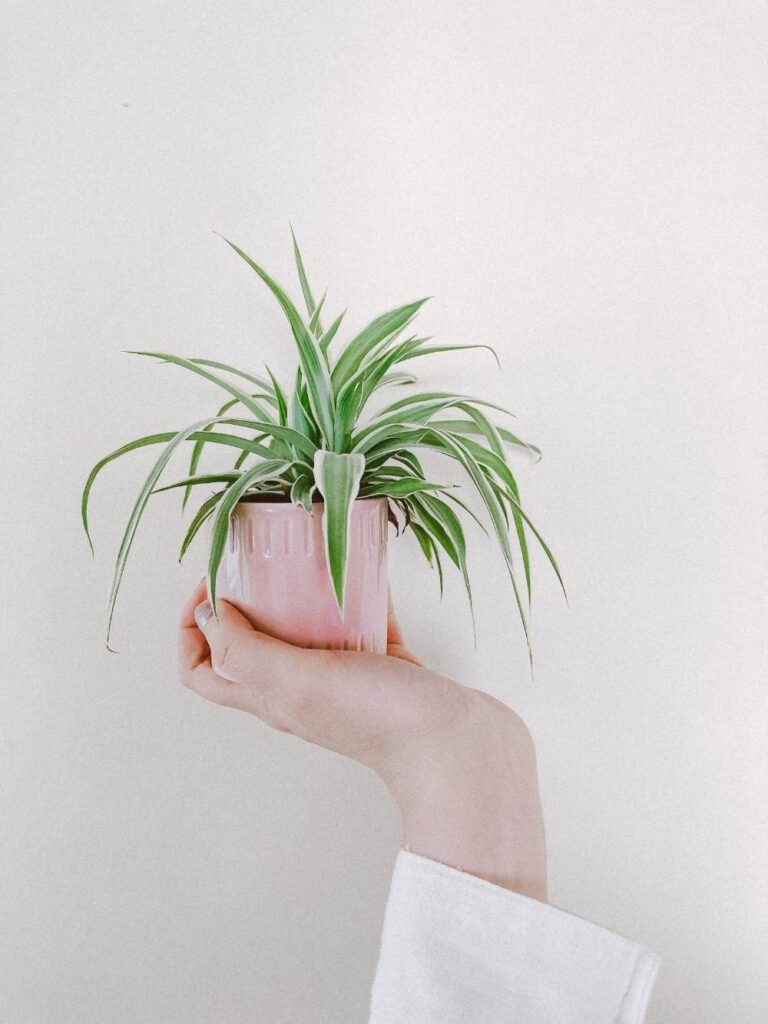
Once your spider plant babies have established strong root systems and begun producing vigorous new leaves, transition them into a standard care routine.
Allow the top inch or two of potting soil to dry out between waterings. Provide plenty of bright, indirect light, and rotate the pot occasionally to promote balanced, symmetrical growth. In about a year, these rescued plantlets will be mature enough to send out runners of their own, completing the life cycle.
How Healthy Are Your Spider Plant Babies?
Answer 4 quick questions to see your result