
Seeing your lush green lawn suddenly turn yellow or brown right after days of steady rain can be deeply frustrating. You naturally expect rainwater to nourish your turf, so watching it discolor and wither after a storm feels completely backward.
In most cases, severe rainfall overwhelms the soil and disrupts the delicate balance your grass needs to thrive. Fortunately, once you understand what is happening beneath the surface, you can take clear and practical steps to nurse your lawn back to vibrant health.
Understanding Why Heavy Rain Causes Brown Grass
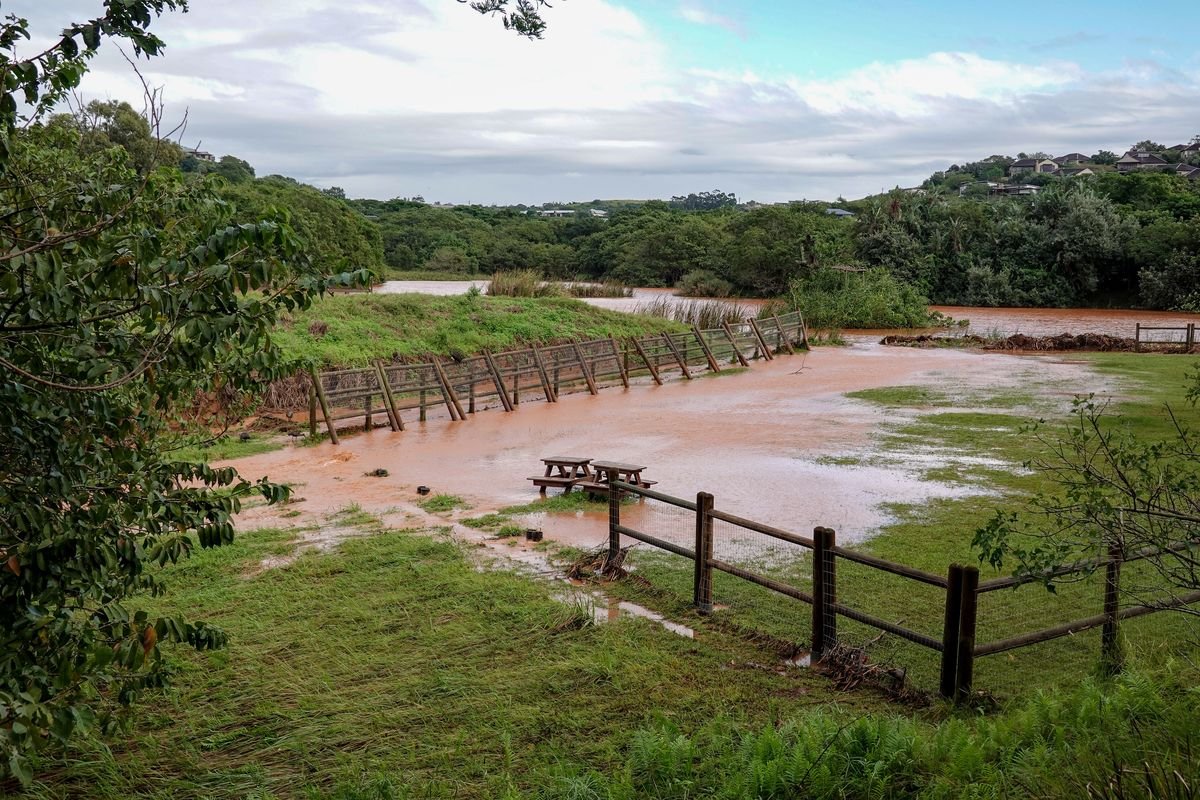
Rain is essential for a vibrant yard, but an excess of moisture creates a hostile environment for turfgrass. When soil stays drenched for days, the delicate root systems beneath your lawn undergo severe stress.
Grass plants rely on a specific ratio of water, air, and organic nutrients to maintain their vivid color. When heavy storms roll through, that balance shifts dramatically.
Most homeowners assume that brown patches indicate drought, but overwatering causes very similar discoloration. The grass leaves turn pale green, shift to yellow, and eventually turn a dull brown as the plant struggles to survive in soggy soil.
How Waterlogged Soil Suffocates Grass Roots
Grass roots need oxygen just as much as they need moisture. In healthy soil, tiny pore spaces between soil particles hold oxygen that root systems absorb to carry out cellular respiration.
When heavy rain saturates the ground, water completely fills these pore spaces, effectively pushing out all the available air. Without oxygen, the roots begin to suffocate in a process known as hypoxia.
If the soil remains waterlogged for more than twenty-four to forty-eight hours, the roots can no longer absorb nutrients or transport hydration to the blades above. This root failure causes the grass blades to turn brown and collapse, even though there is an abundance of moisture all around them.
Fungal Diseases Triggered by Excess Moisture
Prolonged dampness paired with warm temperatures creates the perfect breeding ground for lawn fungi. Wet grass blades and saturated thatch allow fungal spores to multiply rapidly and invade the turf tissue.
Several common fungal conditions appear quickly after heavy rainstorms:
- Brown Patch: Creates circular, sunken patches of brownish-tan grass, often with a darker outer ring.
- Pythium Blight: Causes greasy, water-soaked patches that rapidly turn straw-colored and mat together.
- Dollar Spot: Produces small, bleached spots about the size of a silver coin that merge into larger brown areas.
- Root Rot: Attacks subterranean root systems directly, turning healthy white roots into soft, black decay.
Treating fungal issues promptly is critical. If left unchecked, the fungus will continue to spread through the soil and destroy larger sections of your lawn.
Nutrient Leaching and Soil Depletion
Torrential rain does not simply saturate your yard. It also washes away vital nutrients that keep your lawn green. This phenomenon is known as nutrient leaching.
As gallons of water filter down through the soil profile, water-soluble minerals like nitrogen, potassium, and magnesium get carried far below the root zone. Nitrogen is the primary nutrient responsible for chlorophyll production and deep green color.
When nitrogen leaches out of reach, the grass blades lose their ability to produce energy through photosynthesis. The entire lawn can take on a faded, yellowish-brown cast simply because it has run out of food following a massive rain event.
The Danger of Foot Traffic on Wet Lawns
When your yard is muddy and squishy, walking across it can cause severe and lasting physical damage. Saturated soil has virtually no structural stability, meaning footsteps push down hard on fragile root zones.
Walking on waterlogged turf creates deep indentations that compact the mud tightly around grass crowns. This compaction crushes the crown, which is the vital growth center of each grass plant.
Furthermore, heavy footsteps create low depressions where standing water pools even longer. Try to keep pets, children, and heavy equipment off your lawn for at least a full day after heavy rainfall so the soil has time to firm up.
Weed Invasions After Heavy Downpours

Heavy rain softens the soil and wakes up dormant weed seeds buried just beneath the surface. Aggressive weeds frequently seize the opportunity to invade when your turfgrass is weakened by excess water.
Weeds like crabgrass, yellow nutsedge, and broadleaf plantain thrive in waterlogged conditions where standard turfgrass struggles. Once established, these weeds steal whatever remaining nutrients and sunlight are available.
As weeds rapidly spread, they shade out the grass beneath them, accelerating the browning process. Spotting and removing these intruders early prevents them from taking over entire sections of your yard.
Adjusting Your Irrigation Schedule
One of the most common mistakes is leaving automated sprinkler systems running on a set schedule regardless of natural weather events. Adding sprinkler water to ground that has just received inches of rainfall guarantees long-term turf damage.
Check your irrigation controller immediately after a major storm and shut off automated watering cycles for several days. Investing in a smart irrigation controller with a built-in rain sensor can automate this process and save your grass from overwatering.
Before you turn your sprinklers back on, test the soil moisture by inserting a long screwdriver into the ground. If the tool slides easily into the earth without resistance, the soil still holds plenty of moisture and does not need supplemental water.
Aeration and Dethatching for Better Drainage
Improving the natural drainage capacity of your soil is the most reliable defense against future rain damage. Core aeration and dethatching are two essential maintenance tasks that transform compacted, soggy lawns.
Core aeration pulls small plugs of soil out of your lawn, opening up channels for air, water, and nutrients to move freely. This prevents water from sitting on top of the ground and helps oxygen reach suffocating roots.
Dethatching removes the thick mat of dead roots, stems, and plant debris that accumulates between the soil surface and green blades. A thick thatch layer acts like a sponge, holding excess water right against the crowns and encouraging rot.
Restoring Damaged Turf and Soil Health
Once your lawn begins to dry out, you can start the process of reviving the damaged areas. Start by gently raking through the brown patches with a flexible leaf rake to lift matted grass and clear out dead foliage.
Lifting matted grass increases airflow around the surviving stems and allows sunlight to penetrate down to the crown. If the grass stems are still firmly rooted and retain a pale greenish base, they will likely generate new shoots within two to three weeks.
If large sections have died completely down to the roots, you will need to reseed those areas. Loosen the top inch of soil, spread a high-quality grass seed blend suited to your region, and apply a light dusting of compost to protect the seeds as they germinate.
Preventing Future Rain Damage on Your Lawn
Building a resilient lawn takes consistent care throughout the growing season. Strong, deeply rooted turf is far more capable of withstanding heavy downpours without turning brown or succumbing to disease.
Always maintain an appropriate mowing height for your grass species. Mowing higher promotes deeper, stronger root systems that handle moisture fluctuations much better than short, scalped turf.
Finally, inspect your property for natural grading issues and low spots where runoff collects. Installing French drains, dry creek beds, or rain gardens can redirect massive volumes of stormwater away from your primary turf areas, keeping your lawn green and healthy through every season.
Assess Your Lawn Water Damage Severity
Answer 4 quick questions to see your result