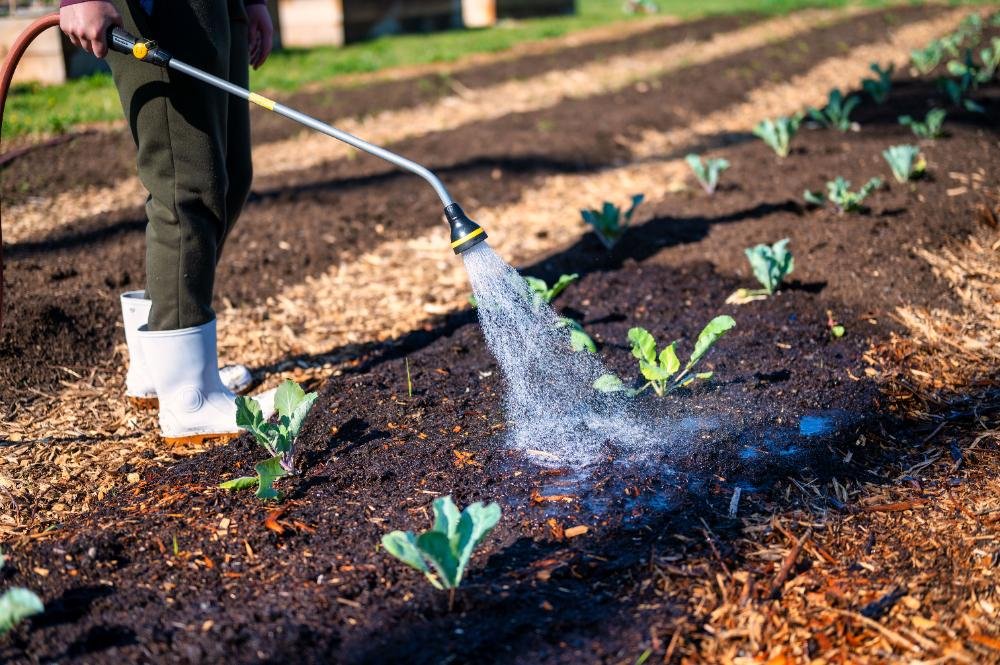
If there is one simple habit that will completely transform your garden, it is mulching. Covering your bare soil is one of the most effective ways to nurture plants, build healthy soil life, and save countless hours of maintenance.
Whether you manage a sprawling vegetable plot or a small backyard flower border, spreading a protective layer over your beds delivers immediate rewards. Here is everything you need to know about why mulch works so well, how to choose the right materials, and how to apply it properly.
Why You Should Mulch Your Garden
Leaving garden soil uncovered exposes it to scorching sun, lashing rain, and drying winds. In nature, bare earth rarely stays exposed for long because organic debris naturally blankets the ground.
When you add mulch, you mimic natural ecosystems. You create a protective buffer that stabilizes your garden environment and provides your plants with ideal growing conditions.
Retaining Crucial Soil Moisture
Water evaporates quickly from exposed garden beds, especially during hot summer afternoons. This forces you to water frequently just to keep your plants from wilting.
Mulch acts as a physical shield against the sun. It traps moisture beneath its surface, slowing evaporation dramatically and cutting your garden water usage by up to half.
Regulating Soil Temperature
Extreme swings in temperature can shock tender roots and slow down growth. Cool spring soil can delay seed germination, while blistering summer soil can scorch root systems.
A thick layer of mulch acts like insulation. It keeps the ground cooler during hot summer days and holds residual warmth when nighttime temperatures drop in autumn.
Suppressing Unwanted Weeds
Weed seeds sit dormant in garden soil, waiting for sunlight and warmth to trigger their growth. Bare soil gives them everything they need to take over your beds.
Spreading a 2 to 3-inch layer of mulch blocks out sunlight completely. Most weed seeds will never germinate, and the few that manage to push through will have weak roots that pull out with minimal effort.
Building Soil Structure Over Time
As organic mulches break down, they feed beneficial microorganisms, earthworms, and fungi living beneath the surface.
This continuous decomposition enriches the soil with valuable organic matter. It improves soil aeration, loosens dense clay, and helps sandy soil hold nutrients and water more effectively.
Preventing Soil Erosion and Runoff
Heavy rainfall can easily wash away precious topsoil and create deep channels across exposed garden beds.
Mulch softens the impact of falling raindrops and slows down surface runoff. It allows water to soak gently into the earth instead of carrying your fertile topsoil into the street.
Saving Money on Garden Upkeep
Gardening supplies can quickly become expensive, but mulching helps you lower your routine maintenance costs.
You will spend significantly less money on municipal water bills and supplemental fertilizers. Many fantastic mulching materials can also be gathered for free around your own home.
Easy for Beginners to Apply
You do not need specialized skills or heavy machinery to start mulching. It is a straightforward gardening task that anyone can complete in a single afternoon.
All you need is your chosen mulch material, a wheelbarrow or bucket, and a standard garden rake to spread the layer evenly around your planting areas.
Popular Types of Organic Mulch
Organic mulches come from plant-based materials that naturally decompose over time. They are ideal for vegetable beds, flower borders, and ornamental shrubs because they continually nourish the soil.
Wood Chips and Shredded Bark
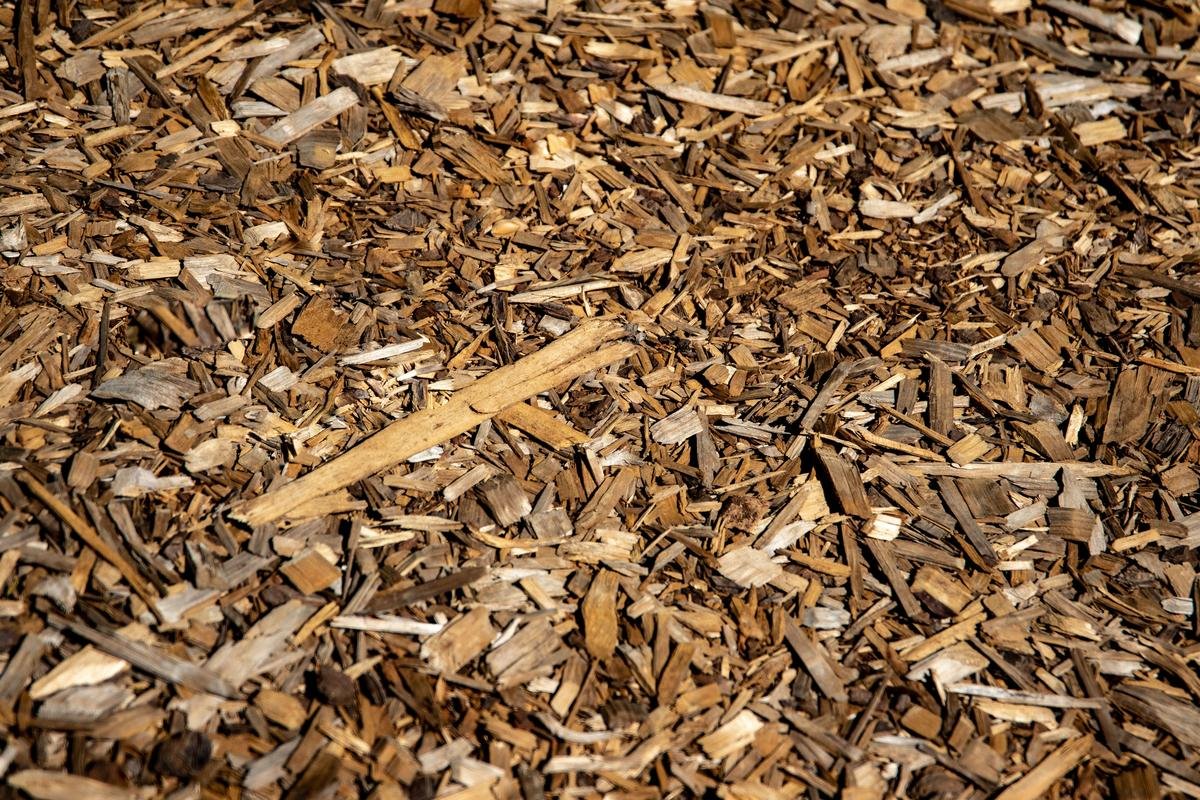
Shredded bark and wood chips are among the most popular landscaping mulches available. They break down slowly, provide a clean and polished appearance, and stay in place even during windy weather.
They work best around perennial borders, established trees, and shrub beds where you do not need to disturb the soil frequently.
Dried Leaves and Yard Trimmings
Fallen autumn leaves are a goldmine for thrifty gardeners. When shredded with a lawnmower, dried leaves make a nutrient-rich, lightweight mulch that feeds soil life rapidly.
Grass clippings also work well if applied in thin layers. Make sure your lawn clippings come from turf that has not been treated with chemical herbicides or weed killers.
Straw and Clean Hay
Straw is a classic choice for vegetable gardens, strawberry patches, and raised beds. It reflects sunlight, keeps ripening fruit off wet dirt, and decomposes into soft organic humus within a single season.
Always look for certified seed-free straw rather than field hay. Field hay often contains nuisance weed seeds that can sprout in your planting beds.
Kitchen Scraps and Compost
Finely finished compost works wonders as a dual-purpose mulch and soil amendment. It delivers a gentle boost of balanced nutrients directly to plant root zones.
Kitchen scraps like vegetable peels and coffee grounds can be layered beneath coarse mulch or lightly buried to break down without attracting neighborhood wildlife.
Shredded Paper and Cardboard
Plain cardboard and shredded non-glossy newsprint are outstanding weed barriers. You can lay flat sheets of cardboard over heavily weeded soil and cover them with compost or wood chips.
This method, known as sheet mulching, smothers persistent weeds while earthworms break down the cardboard beneath.
Inorganic Mulch Options
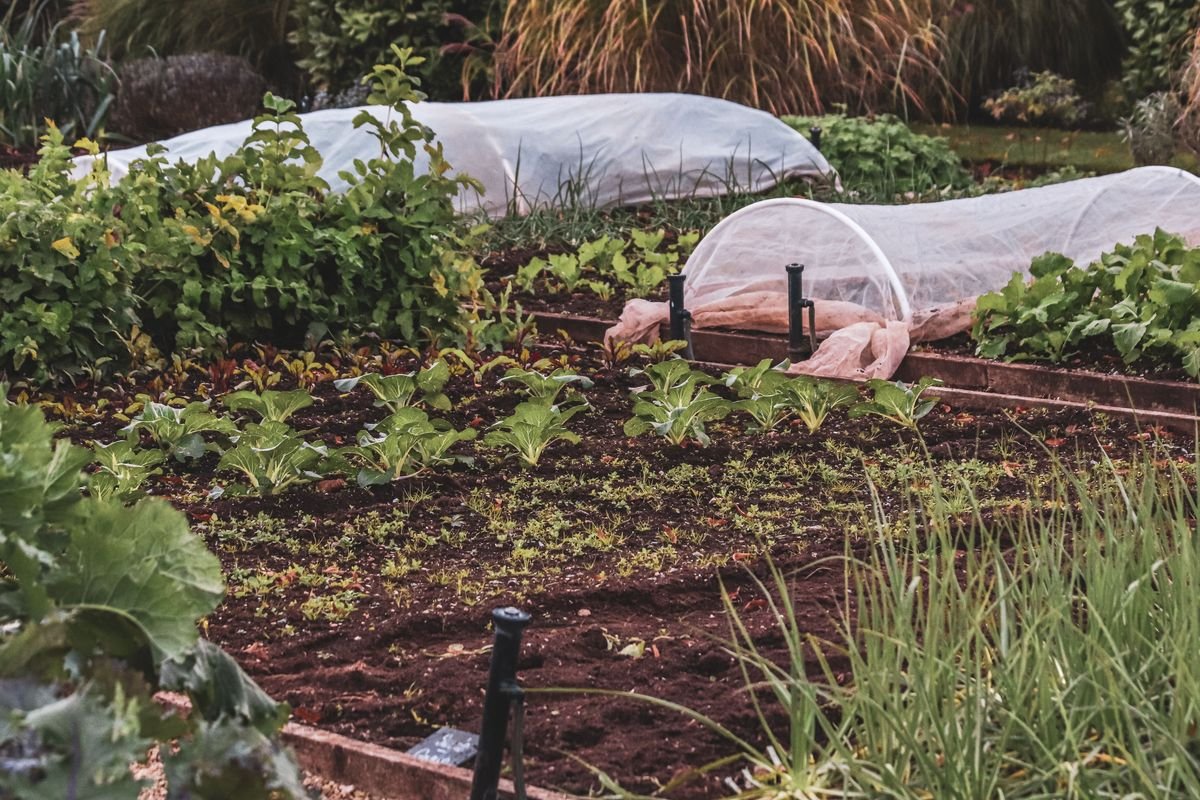
Inorganic mulches do not break down or feed the soil, but they provide durable coverage that rarely needs replacement. They are popular for paths, rock gardens, and succulent beds.
Pea Gravel and River Rock
Gravel and decorative stone create a modern, tidy aesthetic that lasts for years. They allow water to drain freely into the soil while holding the ground firmly in place.
Keep in mind that rock absorbs and radiates heat during summer. For this reason, gravel is best suited for heat-tolerant plants, drought-resistant landscapes, and Mediterranean herbs.
Best Practices for Applying Mulch
Applying mulch correctly ensures that your plants enjoy all the benefits without experiencing any unwanted side effects.
- Clear existing weeds before spreading your new mulch layer.
- Water your garden beds thoroughly prior to laying down dry mulch.
- Maintain an even depth of 2 to 3 inches for organic materials.
- Replenish organic mulch once or twice a year as it breaks down.
Avoiding Common Mulching Mistakes
The most common mistake gardeners make is piling mulch directly against plant stems and tree trunks, creating a shape known as a mulch volcano.
Mulch pressed tightly against bark holds excess moisture and invites fungal rot, wood boring insects, and rodent damage. Always leave a small ring of clear space around the base of every plant so air can circulate freely.
Is Your Garden Soil Adequately Mulched?
Answer 4 quick questions to see your result