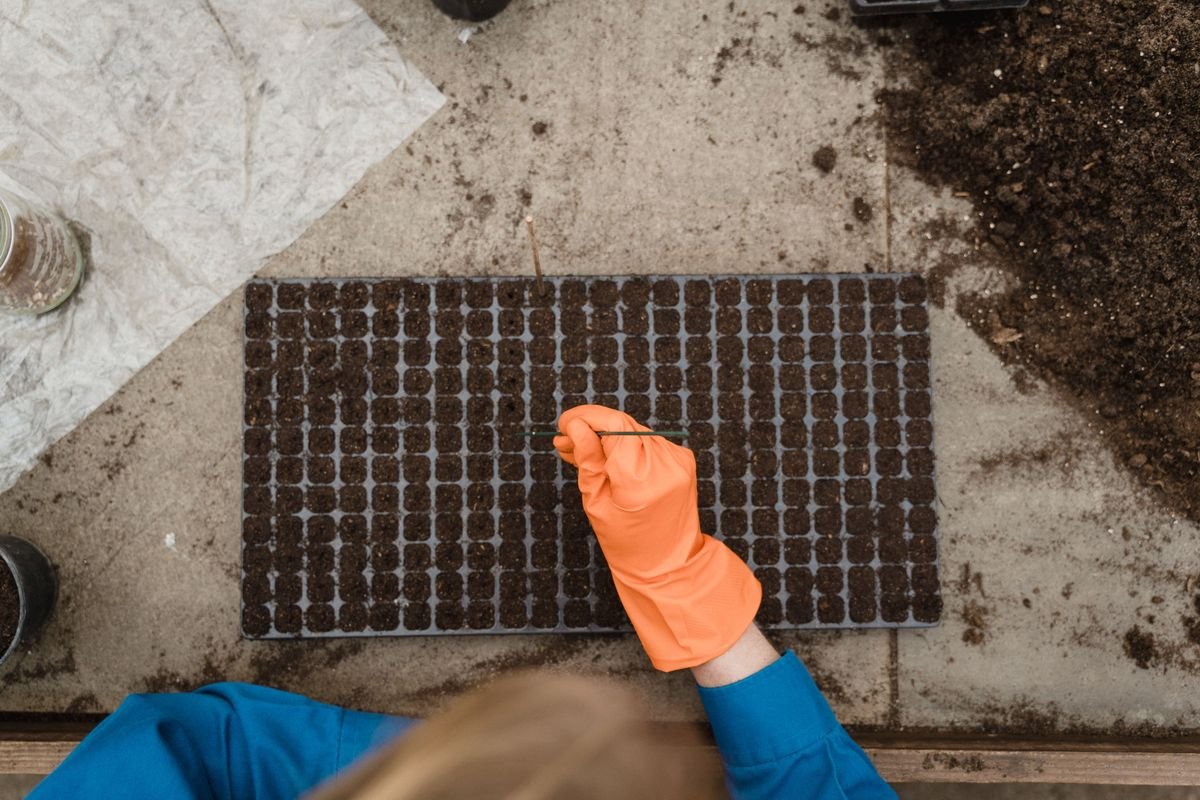
What if you could build a lush, thriving garden without spending a fortune at commercial nurseries? It sounds almost too good to be true, but creating an abundant outdoor space does not require high-end supplies.
With a few practical habits and DIY methods, you can dramatically cut your gardening costs while improving plant health. Here are several reliable strategies that will help you grow more food and flowers for just pennies.
Test Your Garden Soil Before Planting
One of the quickest ways to waste money in a garden is planting directly into poor soil. When your ground lacks the right nutrients or pH balance, plants struggle to establish strong roots.
Gardeners often try to fix weak growth by purchasing expensive fertilizers and supplements. In reality, you may only need a cheap mineral adjustment or simple organic material.
You can perform a basic test at home with an inexpensive testing kit, or submit a sample to your local university extension office for a detailed report. Knowing your soil composition upfront prevents you from buying amendments your plants never needed in the first place.
Build Your Own Compost System
Bagged compost and synthetic fertilizers can add up quickly over a single growing season. You can easily produce nutrient-dense organic fertilizer right at home for zero cost.
Everyday kitchen scraps and yard trimmings contain all the raw fuel your garden beds require. Techniques like cold composting, trench composting, or vermicomposting turn waste into black gold with minimal effort.
- Collect vegetable peels, fruit rinds, coffee grounds, and crushed eggshells.
- Layer them with dry leaves, shredded cardboard, and untreated grass clippings.
- Keep the pile slightly damp and turn it occasionally to accelerate breakdown.
Within a few months, you will have rich, crumbly soil food that boosts microbial activity and feeds your plants naturally.
Create Free Mulch from Fallen Leaves
Commercial bags of wood chips or bark mulch can be surprisingly costly across large garden beds. If you have deciduous trees on your property, you have access to an unlimited supply of high-grade organic mulch every autumn.
Fallen leaves protect the ground from harsh sun, retain valuable moisture, and suppress invasive weeds. Running a lawnmower over dry leaves shreds them into ideal sizes that will not mat down or block water.
Spread a two-inch layer around your perennials, shrubs, and vegetable patches. As the shredded leaves decompose, they feed earthworms and build soft, spongy soil structure.
Start Your Crops from Seed
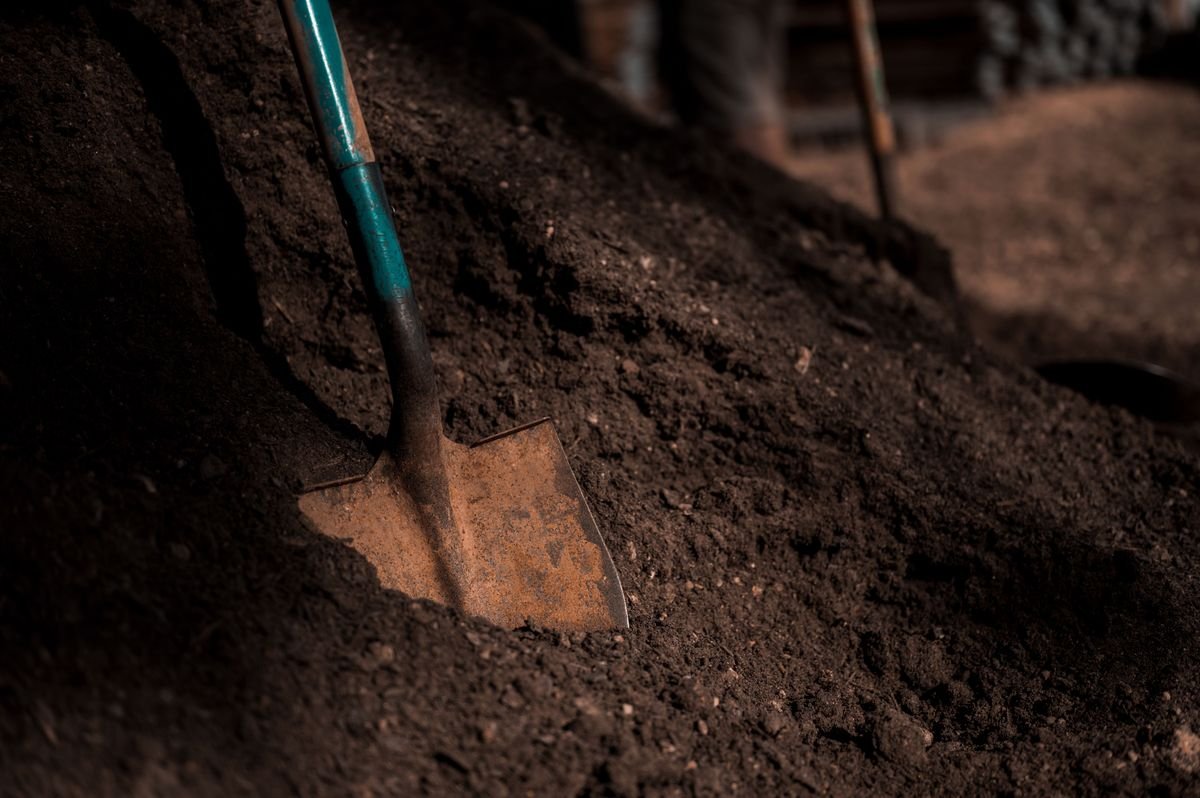
Purchasing mature starter plants from big-box stores is one of the biggest expenses in gardening. A single nursery transplant often costs the same as an entire packet containing dozens or hundreds of seeds.
Growing your own crops from seed gives you access to a much wider variety of heirloom and specialty cultivars. It also ensures you have extra backup seedlings if sudden weather shifts damage your early plantings.
While starting seeds requires a little patience, the financial return is substantial. You can raise an entire summer harvest of tomatoes, peppers, and greens for the price of a single potted nursery plant.
Choose Fast Growing Vegetables First
If you want immediate returns on your seed investment, focus on short-cycle vegetables that mature in just a few weeks.
Crops like radishes, loose-leaf lettuce, spinach, and baby carrots produce abundant harvests quickly. You can sow them repeatedly every two weeks throughout the season to maintain an endless supply of fresh produce without making extra grocery trips.
Divide Mature Perennials to Multiply Plants
Instead of buying brand new nursery pots to fill empty garden gaps, take a close look at the mature plants you already have. Many herbaceous perennials benefit greatly from being divided every few years.
Dividing plants prevents root crowding, restores flowering vigor, and gives you free plants to expand your beds or share with neighbors.
- Dig up the entire root clump in early spring or autumn during mild weather.
- Use a clean spade or sharp knife to slice the root ball into two or three healthy sections.
- Ensure each division has established roots and active growing shoots before replanting immediately.
Shop for Bare Root Specimens
When you want to add fruit trees, berry canes, or rose bushes to your yard, potted specimens carry a steep markup. Potted plants require extensive nursery labor, potting medium, and heavy shipping costs that get passed on to the buyer.
Bare-root plants are harvested while dormant in late winter and shipped without bulky soil around their roots. They are significantly cheaper than container-grown stock and often establish faster in native soil.
Plant them in early spring while they are still sleeping. Once warm weather arrives, they will wake up and produce vigorous root systems that outperform container-bound alternatives.
Connect with Local Plant Communities
Local gardening clubs, community garden networks, and online plant swap groups are treasure troves for budget-conscious growers. Experienced gardeners frequently end up with surplus seeds, excess divisions, and extra cuttings they are thrilled to give away.
Participating in local seed libraries or community swaps allows you to acquire regional varieties that are already proven to thrive in your local climate.
You also gain access to invaluable local knowledge regarding pest cycles, first frost dates, and microclimate tips that prevent costly gardening mistakes.
Repurpose Household Waste into Seed Pots
Plastic seed trays and starter pots add unnecessary plastic waste and cost to your hobby. Common household items can easily be transformed into functional seedling containers.
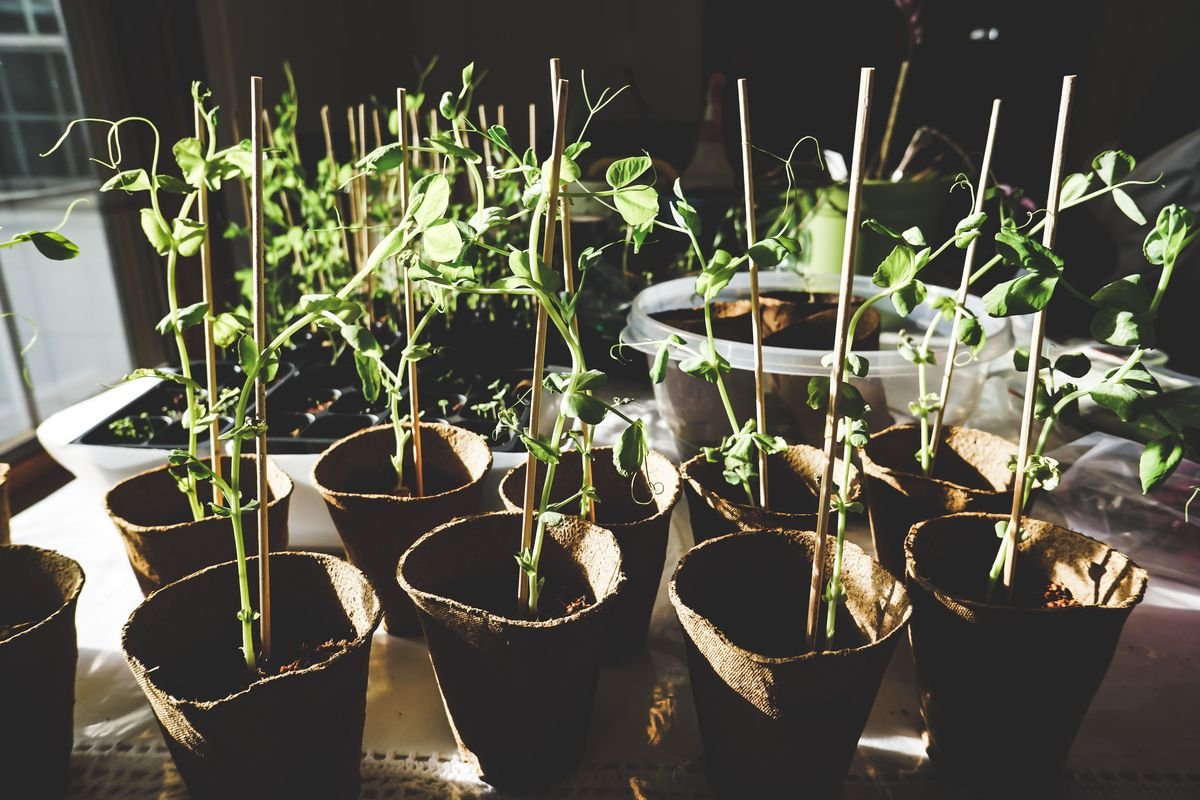
Cardboard toilet paper rolls, egg cartons, and newspaper sheets make excellent biodegradable starter pots. When it is time to transplant, you can place the biodegradable pot directly into the garden soil.
This method prevents root disturbance and eliminates transplant shock. The cardboard simply breaks down underground as your young plant spreads its roots.
Harvest Rainwater for Irrigation
Municipal water bills can skyrocket during hot summer months if you water your garden exclusively with tap water. Rainwater is completely free, free from harsh chlorine or chemical additives, and naturally soft for delicate foliage.
Installing a simple rain barrel beneath a roof gutter downspout allows you to store dozens of gallons from a single storm.
Elevate your rain barrel on concrete blocks to create natural gravity pressure. You can attach a standard hose or fill watering cans directly from the spigot to irrigate your beds during dry spells.
Regrow Your Kitchen Produce Scraps
Many popular store-bought vegetables can regenerate fresh growth from stems, roots, and bases that would normally end up in the trash.
Vegetables like green onions, celery, leeks, and romaine lettuce sprout brand new leaves when their bases are placed in a shallow dish of water. Once roots form, you can transplant them directly into soil.
Herbs like basil, mint, and rosemary also root effortlessly in water. Snip a few healthy stems from culinary bundles and root them on a bright windowsill to create an ongoing herb garden for free.
Clean and Maintain Your Gardening Tools
Replacing broken pruners, rusted trowels, and rotted wooden handles is an avoidable drain on your wallet. High-quality tools can last a lifetime when given basic routine maintenance.
Scrub off wet soil after each use and dry your tools thoroughly to prevent rust. A quick wipe with mineral oil protects steel blades, while boiled linseed oil prevents wooden handles from splintering or cracking.
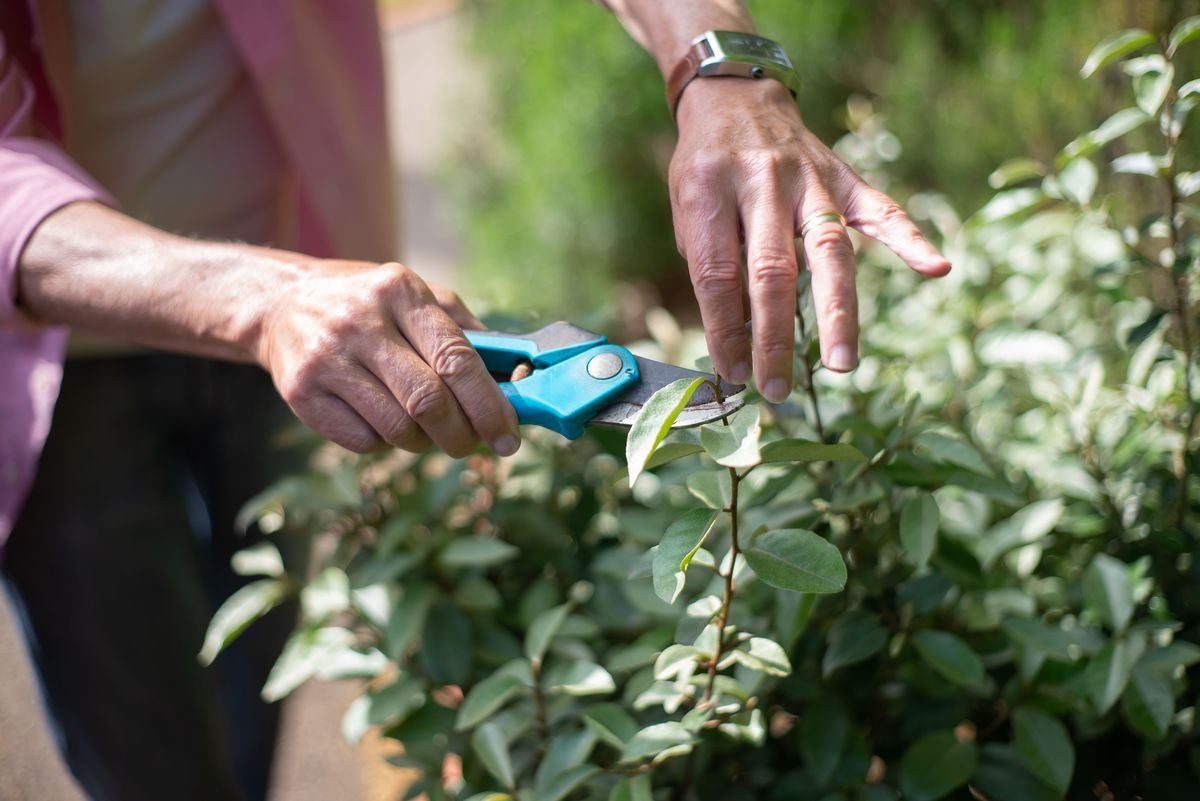
Keep cutting edges sharp with an inexpensive whetstone or mill file. Sharp bypass pruners make clean cuts that heal quickly, preventing disease entry while reducing the physical effort needed to prune.
Propagate Softwood Cuttings from Neighbors
Stem propagation is one of the easiest ways to duplicate ornamental shrubs, perennials, and edible berries without spending any money. In late spring and early summer, plants produce flexible new growth known as softwood.
Snip a four-inch to six-inch cutting just below a leaf node, remove the bottom leaves, and insert the stem into moist potting mix or coarse sand.
Keep the cuttings under high humidity by covering them with an inverted clear plastic container. In several weeks, the cuttings will strike vigorous new root systems, yielding robust new plants at zero cost.
Save Seeds from Your Healthiest Plants
Once your garden is up and running, you never have to buy seeds for those crops again. Open-pollinated and heirloom varieties produce viable seeds that reliably stay true to the parent plant.
Select seeds exclusively from your strongest, most productive, and disease-resistant plants at the end of the season. Clean off any wet pulp, let the seeds dry thoroughly on parchment paper, and store them in labeled paper envelopes in a cool, dark drawer.
Over time, your saved seeds will adapt specifically to the unique microclimate, soil type, and sun exposure of your personal garden.
Smart Garden Planning Prevents Costly Mistakes
Impulsive shopping trips at garden centers are responsible for most wasted gardening dollars. Buying plants without knowing their mature size, light needs, or cold hardiness often leads to plant failure.
Measure your garden space, track sun patterns across the seasons, and write out a clear planting map before spending anything. Sticking to a defined plan ensures every plant you introduce has the space, sunlight, and soil conditions it needs to flourish for years to come.
How Budget Savvy Is Your Gardening Routine?
Answer 4 quick questions to see your result