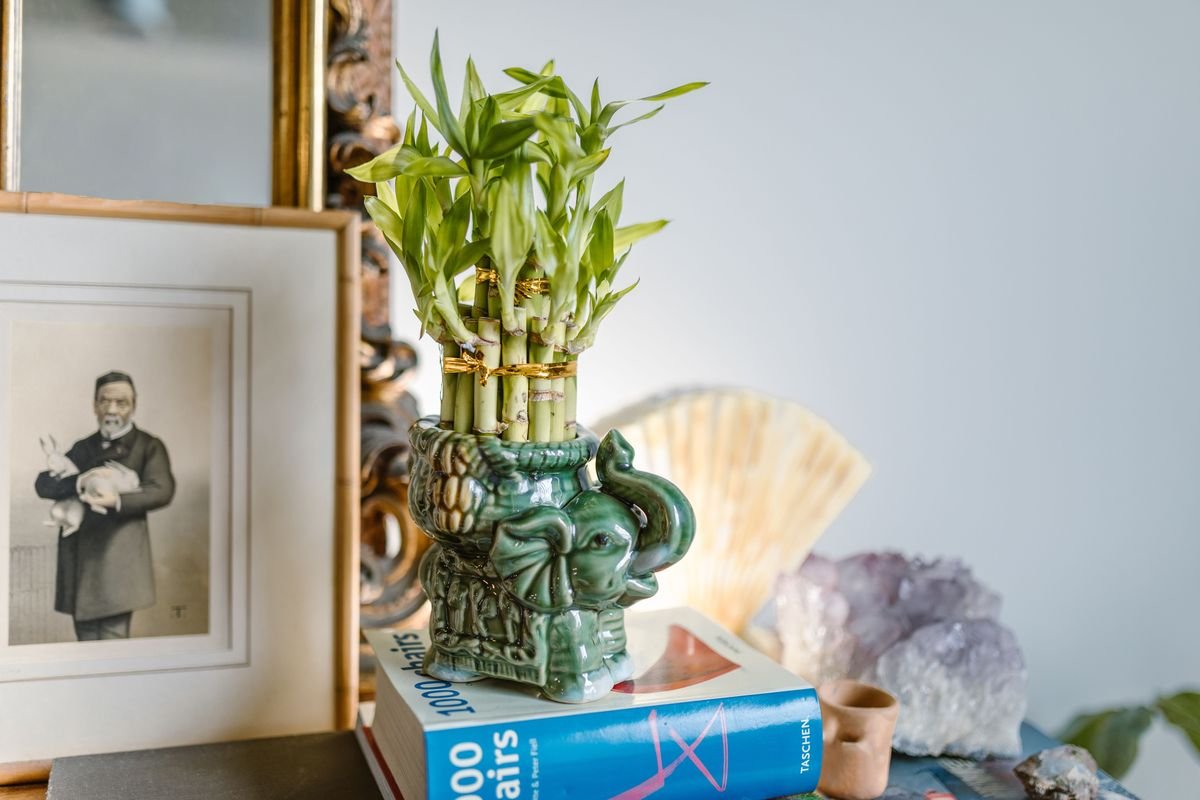
Lucky bamboo is one of the most popular indoor plants in the world due to its architectural stems and reputation for bringing positive energy into the home. Despite its common name, the plant is actually Dracaena sanderiana, a tropical member of the asparagus family native to Central Africa rather than a true bamboo species.
Whether you grow your plant in a vase of fresh water or potted in soil, understanding its natural growth cycle helps you provide the right environment for long-term health. Knowing the average growth rate also allows you to intervene when you want to encourage faster development or keep your plant at a manageable indoor size.
Average Growth Rate
Under ideal indoor conditions, lucky bamboo is a moderate grower that produces new leafy shoots steadily throughout the year.
You can typically expect a healthy plant to grow between 12 and 19 inches in height over the course of a single year.
When grown in water, lucky bamboo tends to grow slightly slower than when cultivated in rich potting soil. Water-grown specimens usually add roughly 6 to 10 inches of stem extension annually, while soil-grown plants can produce up to 15 to 20 inches under warm, well-lit conditions.
The vertical stalks that form the structural foundation of the plant do not grow taller on their own once they have been cut and sealed with wax. Instead, the vertical growth comes entirely from new green side shoots and offshoots that emerge from the nodes along the main cane.
Light Requirements
Lighting is one of the most influential factors determining how quickly your lucky bamboo produces new growth.
Lucky bamboo thrives best in bright, indirect sunlight, which mimics the dappled light of its native forest floor habitat under tall tropical canopies.
Placing your plant in low light will not kill it immediately, but it will slow growth to a near standstill.
When deprived of adequate light, the plant will produce thin, pale shoots that stretch toward the nearest light source in a weak, leggy manner.
Direct sunlight must always be avoided, particularly during the middle of the day. Harsh, unfiltered rays passing through window glass will quickly scorch the delicate foliage, leaving permanent white or bleached patches on the leaves within a matter of hours.
A spot located a few feet away from an east-facing or north-facing window provides ideal illumination for steady, robust shoot development.
Proper Water Selection
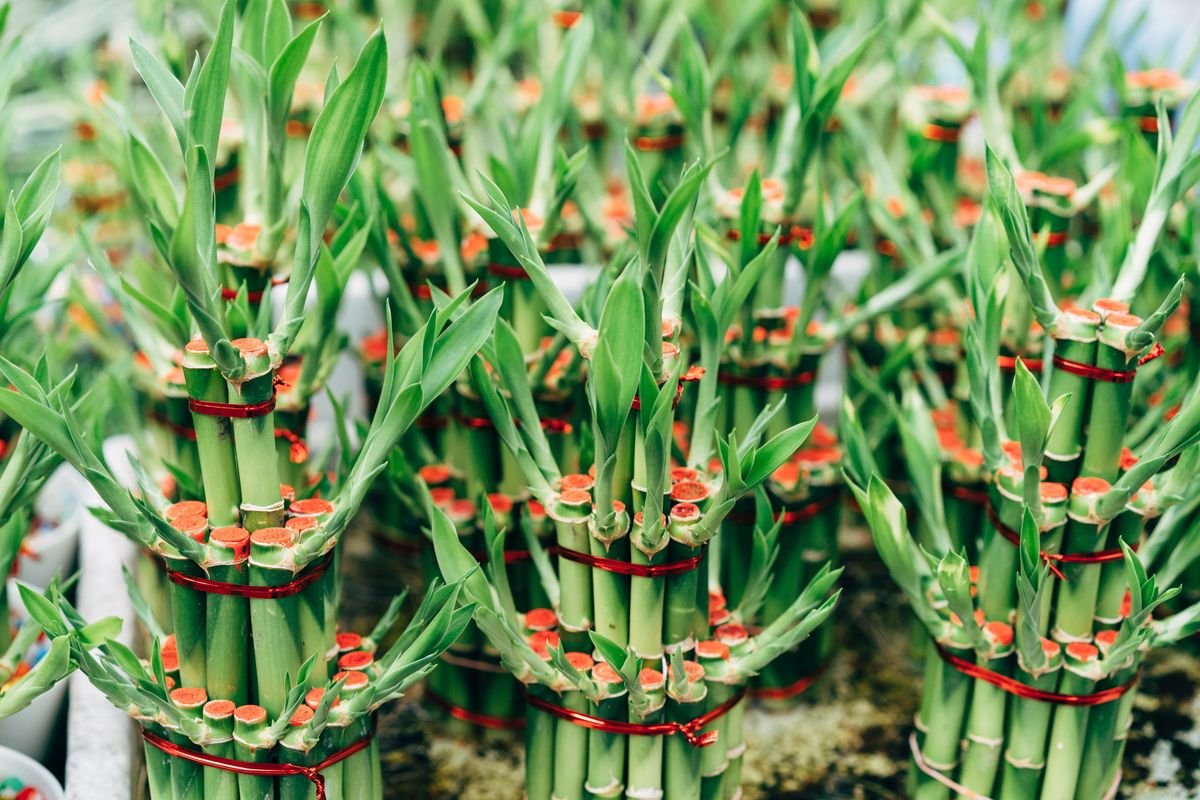
Water quality plays a significant role in determining whether lucky bamboo grows vigorously or struggles with leaf toxicity.
Lucky bamboo is remarkably sensitive to chemicals found in typical municipal tap water, especially chlorine, chloramines, fluoride, and dissolved mineral salts.
Fluoride toxicity causes irreversible brown tips on leaf margins and stunts root development over time.
To keep your plant healthy, consider using the following water types:
- Distilled water, which contains zero minerals or harsh chemicals.
- Reverse osmosis filtered water, which removes heavy metals and salts.
- Collected rainwater, provided it comes from a clean catchment system.
- Spring water that has low dissolved mineral counts.
If you must use tap water, let it sit in an open container for at least 24 hours so that volatile chlorine can dissipate. However, keep in mind that this resting method does not eliminate fluoride or chloramines, making pure distilled water the safest overall choice.
Changing Water and Cleaning the Vase
Stagnant water depletes oxygen levels quickly and creates an environment where harmful microbes can thrive around the roots.
For plants grown in standing water, you should replace the liquid completely every 7 to 14 days to keep the root zone oxygenated.
Every few weeks, lift the plant out of its container and wash the inside of the vase thoroughly with warm water and mild soap.
Rinse the decorative pebbles or gravel with clean water to remove slimy film, accumulated debris, and mineral crusts.
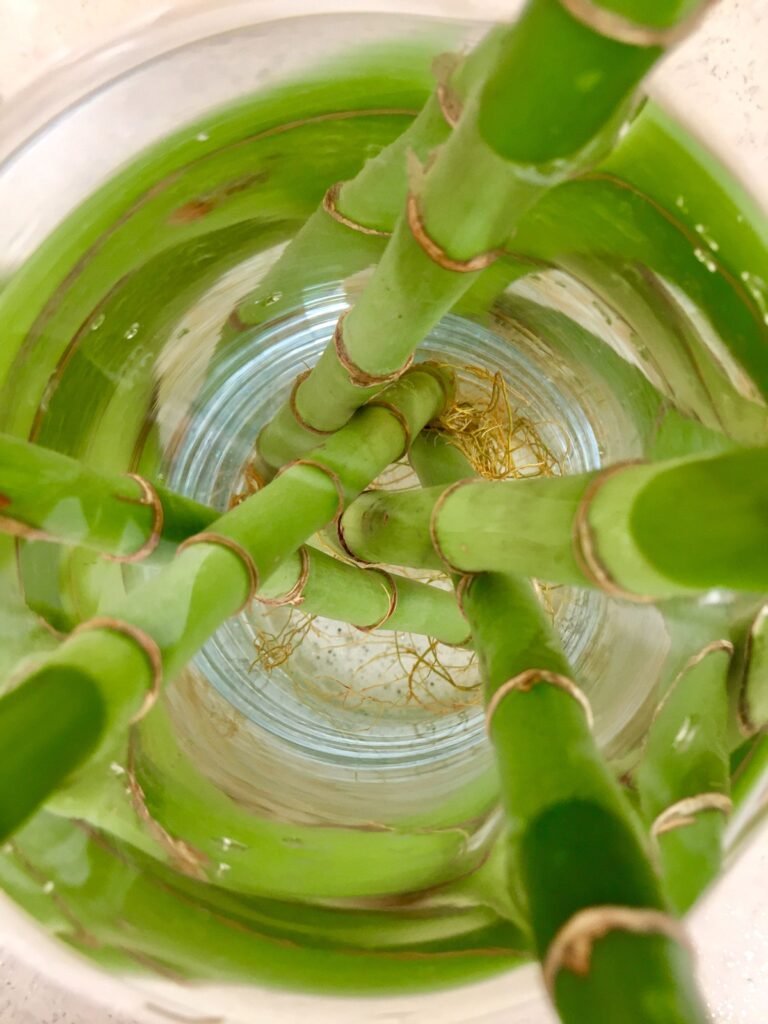
Always ensure the roots are submerged in roughly 1 to 3 inches of clean water. Submerging the entire green stalk can cause the higher stem tissue to soften and rot, so keep the water line concentrated solely around the lower root zone.
Soil Versus Hydroponic Growing
While most people keep lucky bamboo in clear glass vases filled with water and stones, growing the plant in soil often results in faster growth and thicker foliage.
Hydroponic setups are clean, modern, and visually appealing, but water provides no natural nutrition unless you manually supplement it with specialized liquid food.
Soil-grown lucky bamboo benefits from a steady reservoir of macro and micro nutrients found in potting compost.
When potted in soil, the root system develops thicker, more fibrous roots that support heavier stalk growth and larger leaf crowns.
If you choose to pot your plant in soil, select a loose, well-draining potting mix containing peat moss, perlite, and coarse sand.
The container must feature drainage holes at the base to prevent waterlogged soil, which quickly leads to fungal decay at the bottom of the canes.
Preventing Algae and Root Rot
Algae growth is a frequent challenge when growing lucky bamboo in transparent glass containers.
Algae requires moisture and light to multiply, and clear containers allow sunlight to reach the water column directly.
While green algae itself does not directly attack the plant, it competes with the roots for oxygen and dissolved nutrients, creating an unsightly and unpleasant-smelling environment.
To prevent algae buildup, you can switch from a clear glass container to an opaque ceramic or stoneware vase that blocks light from reaching the root zone.
Root rot is a far more serious threat caused by stagnant conditions and anaerobic bacteria.
Healthy lucky bamboo roots are typically bright red, orange, or creamy white. If you notice soft, slimy, or black roots that pull away easily, trim them off immediately with sterilized shears and thoroughly sanitize the container before returning the plant to fresh water.
Common Foliage Problems
The leaves of your lucky bamboo are the most reliable indicators of the overall health and growth environment of the plant.
Yellowing leaves are the most common complaint among growers and can stem from several distinct environmental triggers.
Excessive direct sunlight can turn upper foliage pale yellow or parchment white.
Over-fertilization can cause rapid, uniform yellowing across multiple leaves as chemical salts burn the root tips.
Cold drafts from air conditioning vents or winter windows can shock the tropical foliage, turning leaves yellow and limp.
Brown tips and crisp edges almost always signal chemical burn from tap water minerals or extremely low indoor humidity.
When you spot a damaged leaf, cut it away near the stem using clean scissors so the plant does not expend energy trying to maintain failing tissue.
How to Speed Up Slow Growth
If your lucky bamboo has stalled and stopped producing new foliage, you can take a few strategic steps to stimulate active development.
First, relocate the plant to a brighter position where it receives plenty of gentle, indirect natural light throughout the day.
Second, maintain indoor temperatures between 65 and 85 degrees Fahrenheit (18 to 29 degrees Celsius). Lucky bamboo is native to warm tropical climates, and growth halts dramatically when ambient temperatures drop below 60 degrees.
Third, provide light feeding during the active spring and summer growing season.
Water-grown lucky bamboo needs very little fertilizer, so use a balanced liquid houseplant formula diluted to one-tenth of the standard recommended strength.
Apply this ultra-dilute food only once every two months, as excessive fertilizer does far more harm than mild nutrient deficiency.
Methods to Restrict Plant Size
Sometimes you may want to keep your lucky bamboo at a specific compact size for a desk, shelf, or tabletop arrangement.
You can easily control the size of your plant without compromising its overall health.
Keeping the plant in water rather than transplanting it to soil naturally limits its growth speed and root expansion.
Placing the plant in medium or moderate indirect light will maintain healthy green leaves while slowing down the rate of new shoot formation.
Withholding fertilizer entirely will also prevent unwanted growth spurts, as water alone contains sufficient trace minerals to maintain existing foliage when refreshed regularly.
Essential Pruning Tips
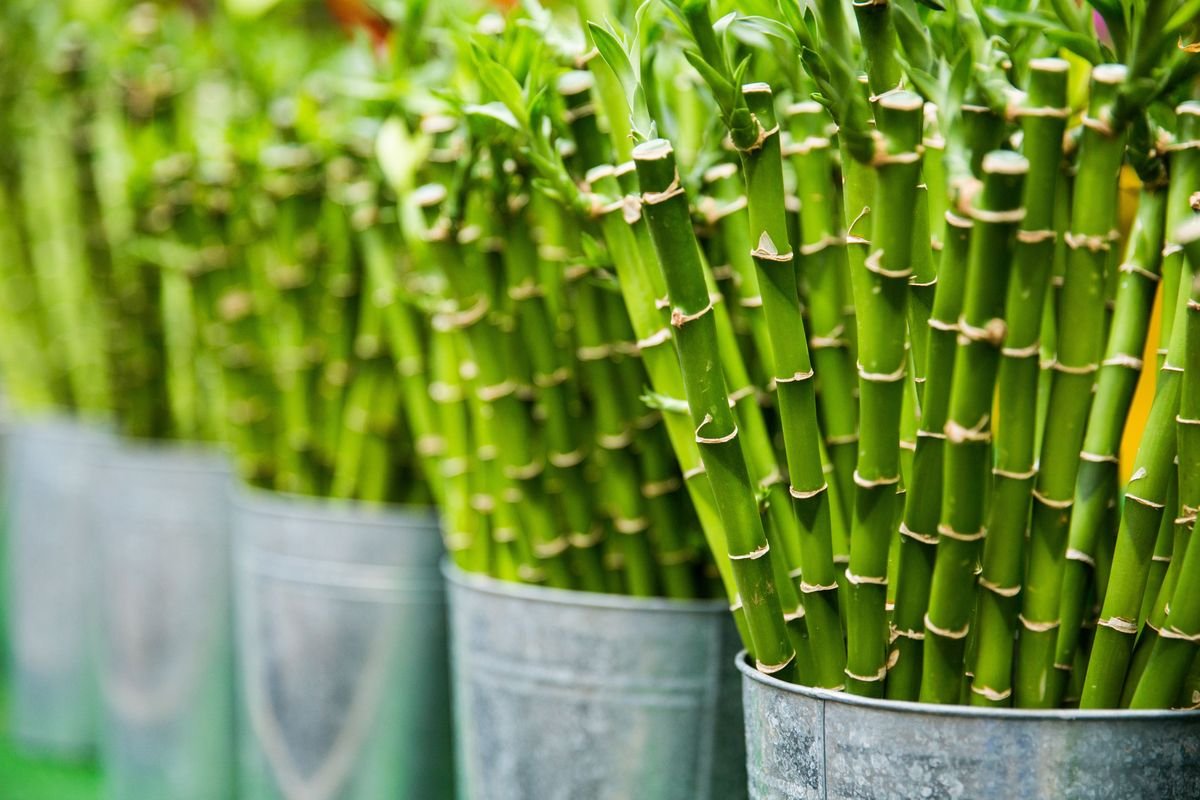
Pruning is the most effective way to shape your lucky bamboo and manage its physical proportions over several seasons.
When side shoots grow too tall, top-heavy, or untidy, you can cut them back to within one or two inches of the primary cane.
Always use sharp, sterilized bypass pruners or scissors to make clean, straight cuts across the green stem.
Within a few weeks of pruning, a new shoot will emerge from the node just below the cut line, creating a denser, more compact silhouette.
Do not throw away the cut green stems. If the pruned shoot has at least two leaf nodes, you can place it in a cup of clean distilled water to root and grow into an entirely new lucky bamboo plant.
Is Your Lucky Bamboo Growing in Optimal Conditions?
Answer 4 quick questions to see your result